
Search
CRI’s Gerta Hoxhaj, Ph.D., named TAMEST 2025 Mary Beth Maddox Award and Lectureship recipient: Newsroom - UT Southwestern, Dallas, Texas
https://www.utsouthwestern.edu/newsroom/articles/year-2024/dec-cri-utsw-tamest-hoxhaj.html
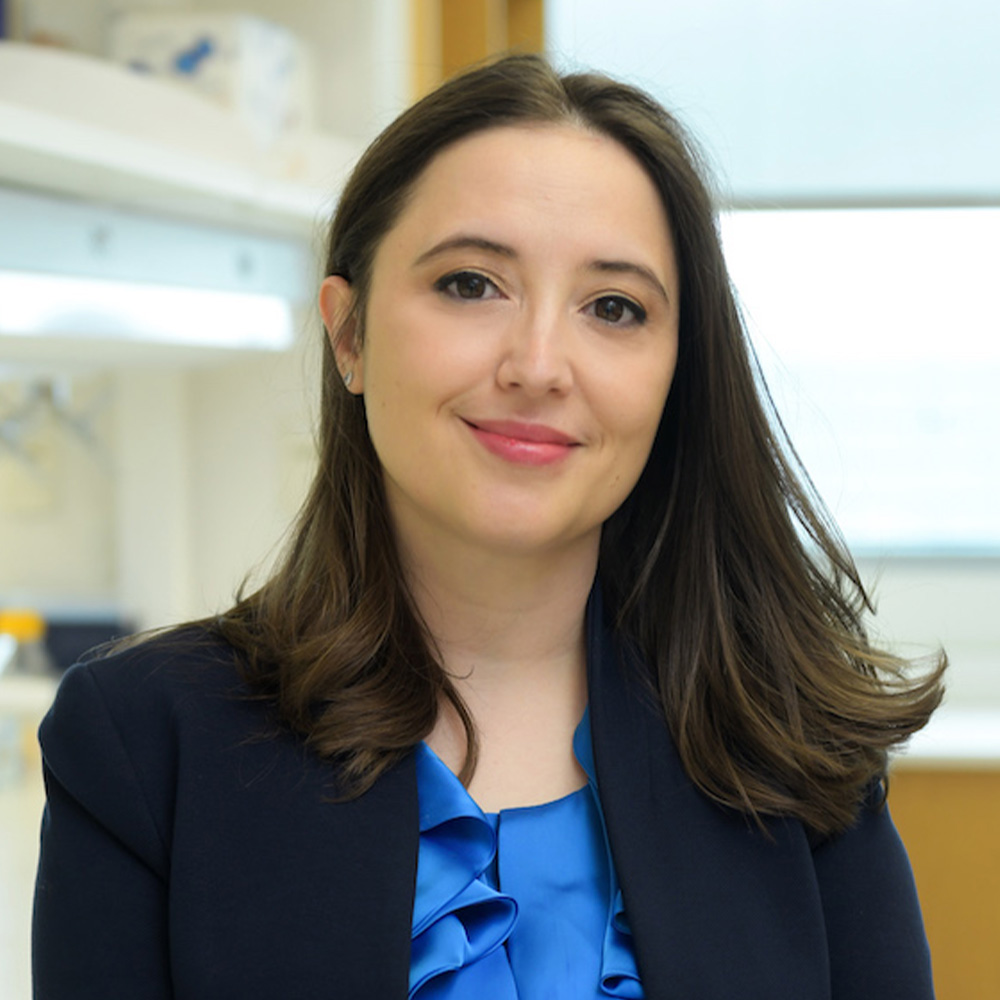
Gerta Hoxhaj, Ph.D., Assistant Professor in Children’s Medical Center Research Institute at UT Southwestern (CRI), is the recipient of the Texas Academy of Medicine, Engineering, Science and Technology (TAMEST) 2025 Mary Beth Maddox Award and Lectureship for her research in cancer metabolism.
Children’s Research Institute at UT Southwestern scientists discover ancient viral DNA activates blood cell production during pregnancy, after bleeding: Newsroom - UT Southwestern, Dallas, Texas
https://www.utsouthwestern.edu/newsroom/articles/year-2024/oct-cri-utsw-ancient-viral-dna.html
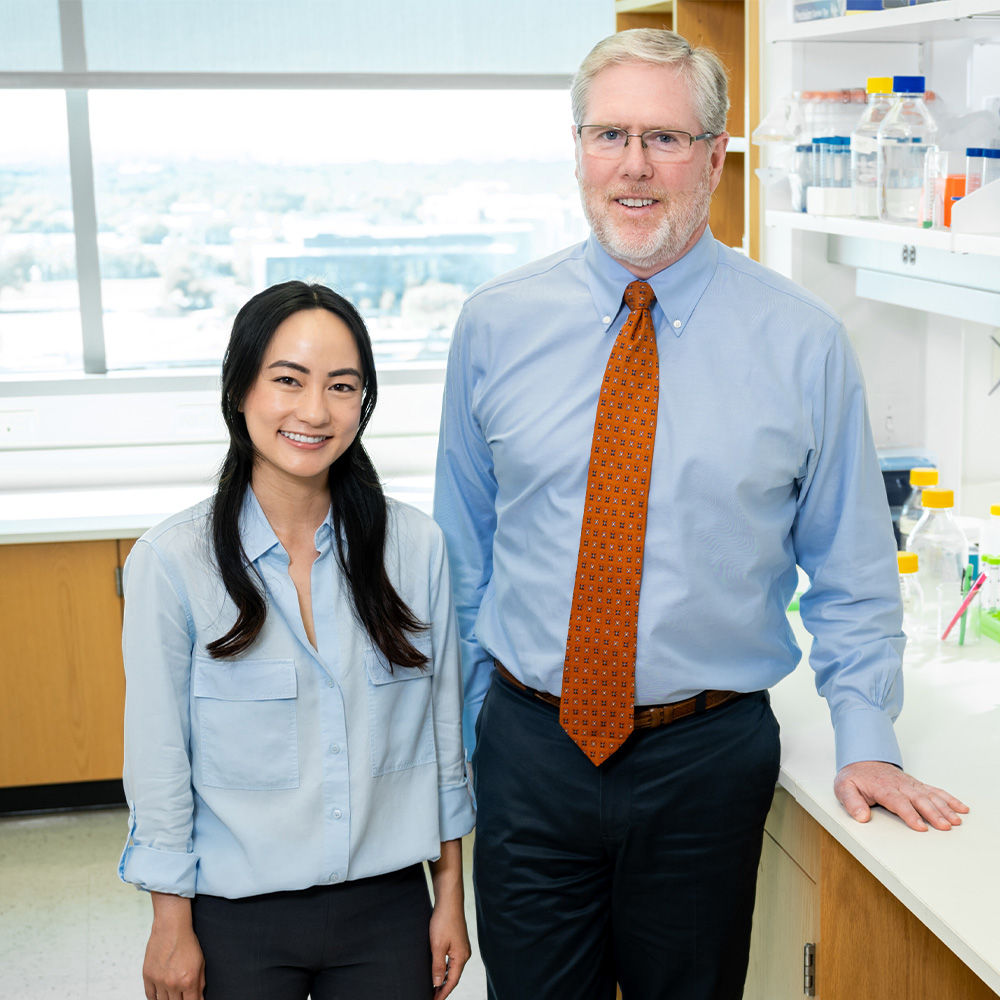
Ancient viral remnants in the human genome are activated during pregnancy and after significant bleeding in order to increase blood cell production, an important step toward defining the purpose of “junk DNA” in humans, according to new research from Children’s Medical Center Research Institute at UT Southwestern (CRI) published in Science.
Energy Transfer to support new Dallas pediatric campus : Newsroom - UT Southwestern, Dallas, Texas
https://www.utsouthwestern.edu/newsroom/articles/year-2026/march-energy-transfer-dallas-pediatric-campus.html
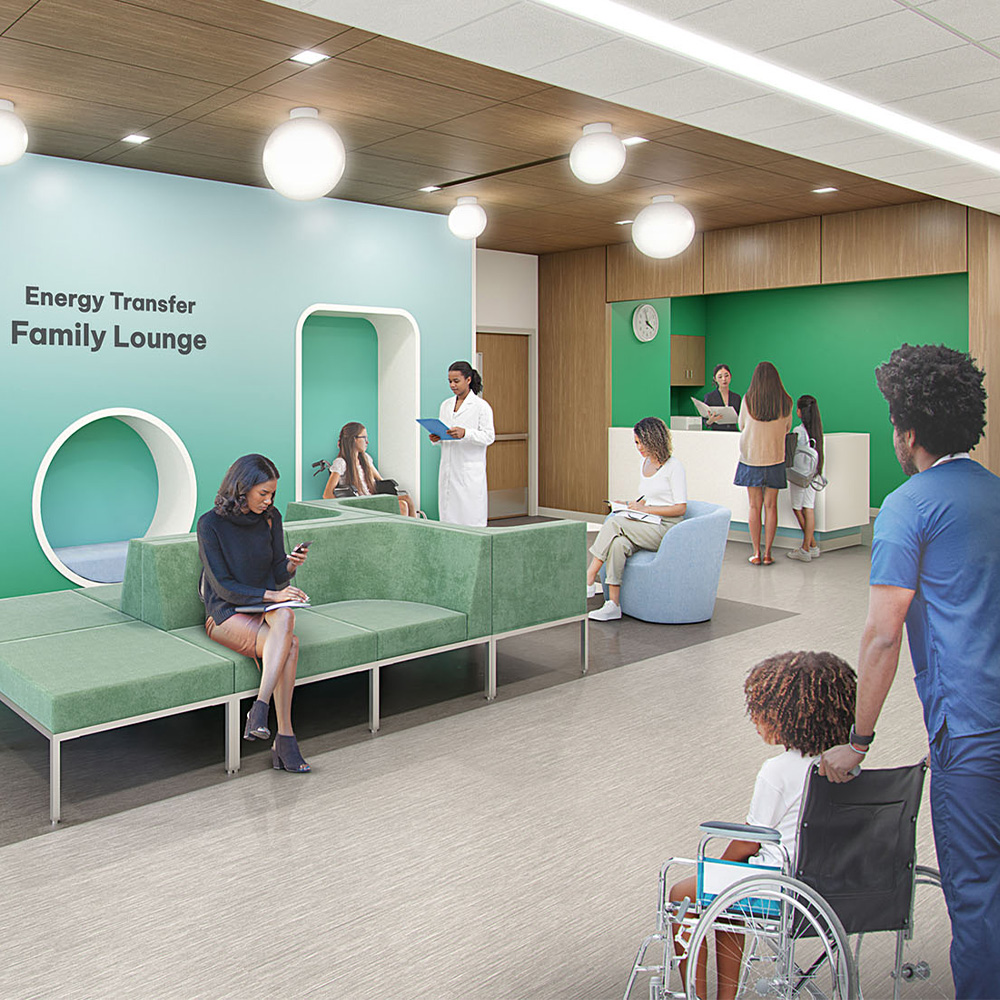
UT Southwestern Medical Center and Children’s Health today announced that Dallas-based Energy Transfer, one of the nation’s largest energy infrastructure companies, and its management team have committed $15 million to support the new $5 billion Dallas pediatric campus under construction in the Southwestern Medical District.
UTSW study explores link between high school IQ and alcohol use: Newsroom - UT Southwestern, Dallas, Texas
https://www.utsouthwestern.edu/newsroom/articles/year-2024/oct-high-school-iq-and-alcohol-use.html

A person’s IQ during high school is predictive of alcohol consumption later in life, according to a study by UT Southwestern Medical Center researchers published in Alcohol and Alcoholism.
Latino enclaves in U.S. have less accessible health care: Newsroom - UT Southwestern, Dallas, Texas
https://www.utsouthwestern.edu/newsroom/articles/year-2024/oct-latino-enclaves-healthcare-in-us.html

Residents of U.S. neighborhoods with high concentrations of Latino residents often face significant socioeconomic challenges, including less access to health care, a study led by a UT Southwestern Medical Center researcher shows.
Innovative surgery preserves limb growth for childhood bone cancer patients: Newsroom - UT Southwestern, Dallas, Texas
https://www.utsouthwestern.edu/newsroom/articles/year-2024/dec-innovative-surgery-preserves-limb-growth.html
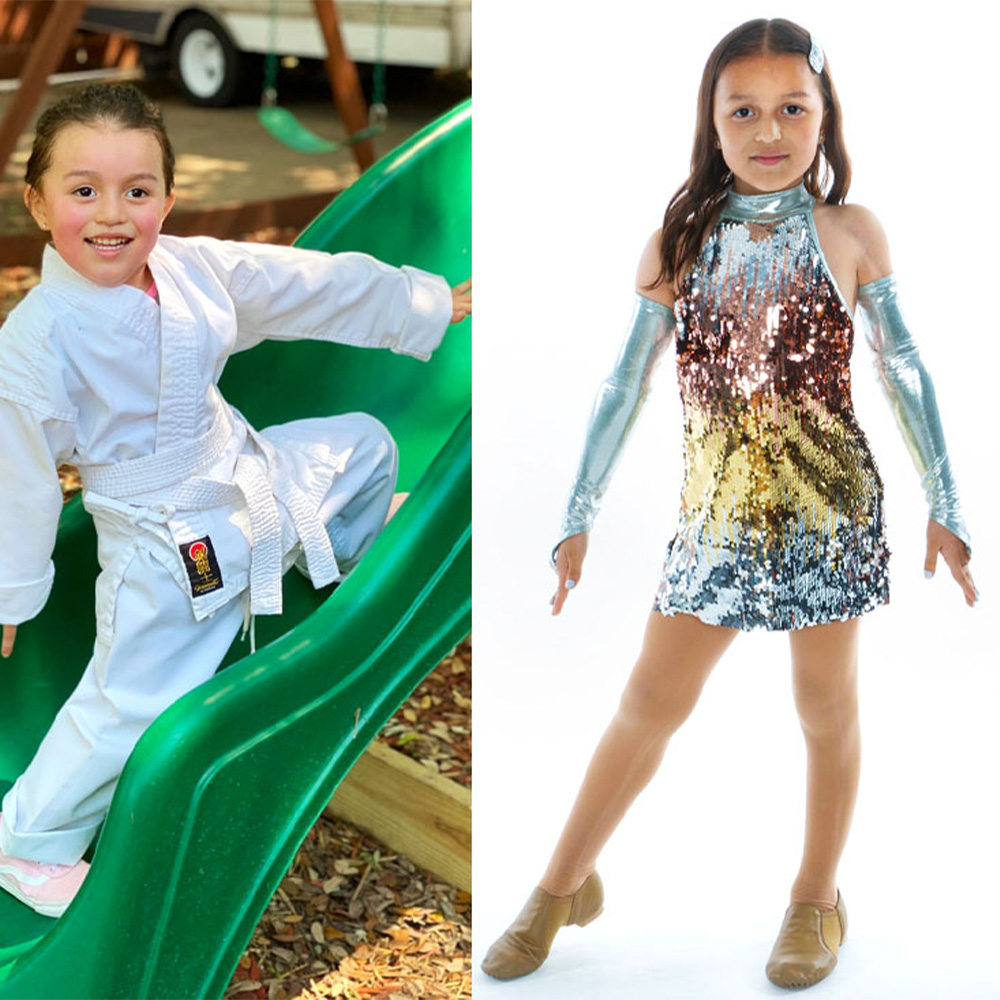
– Arlette Chavez was a typical 3-year-old who loved jumping on the bed, riding her bike, and playing tag, said her mother, Lesly Rivera. When this active preschooler started complaining of pain in her left arm, Ms. Rivera and her husband, Carlos Chavez, weren’t overly concerned – it was probably a minor injury, they reasoned.
Children’s Research Institute at UT Southwestern scientist awarded NIH Director’s New Innovator Award
https://www.utsouthwestern.edu/newsroom/articles/year-2024/oct-cri-utsw-bermudez-nih.html
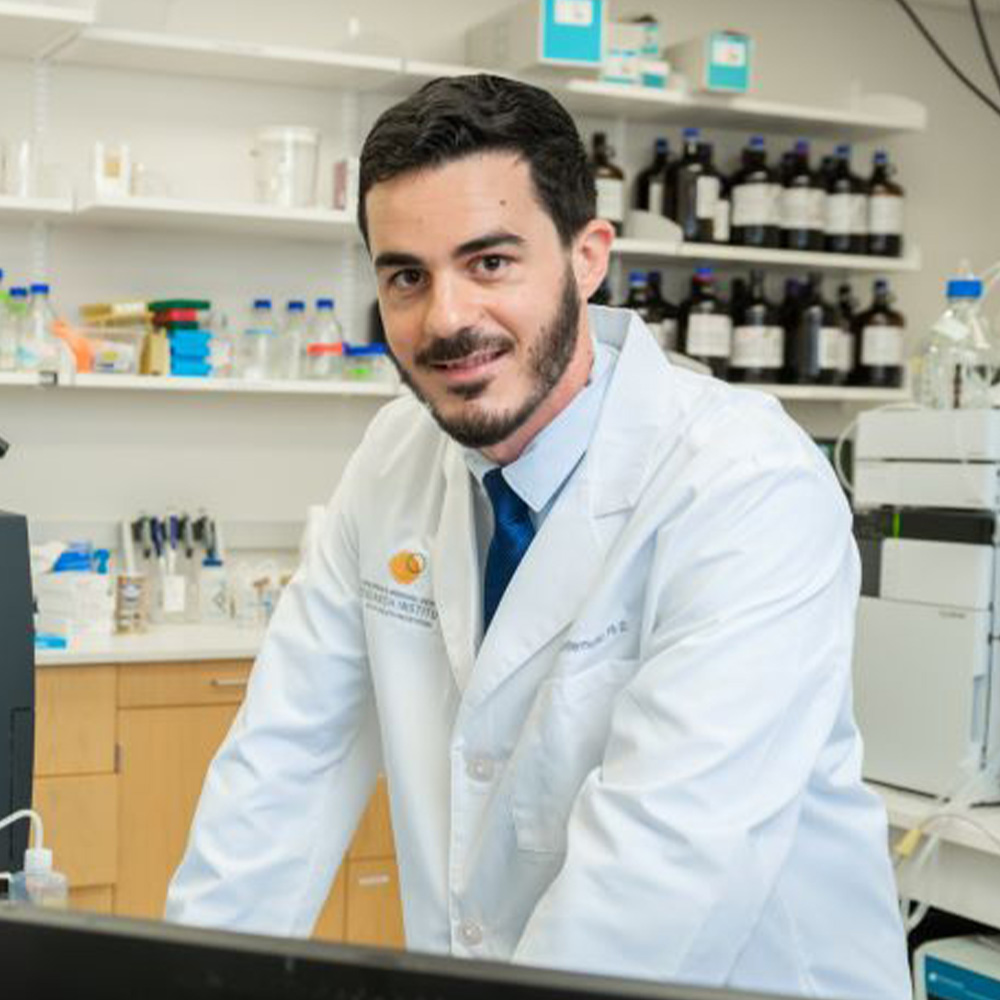
Javier Garcia Bermudez, Ph.D., an Assistant Professor in Children’s Medical Center Research Institute at UT Southwestern (CRI), is one of 67 scientists awarded a 2024 National Institutes of Health High-Risk, High-Reward Research grant.
UT Southwestern and Children’s Health receive $25 million from the Harry W. Bass, Jr. Foundation for new pediatric campus
https://www.utsouthwestern.edu/newsroom/articles/year-2025/oct-childrens-health-bass-pediatric-campus.html
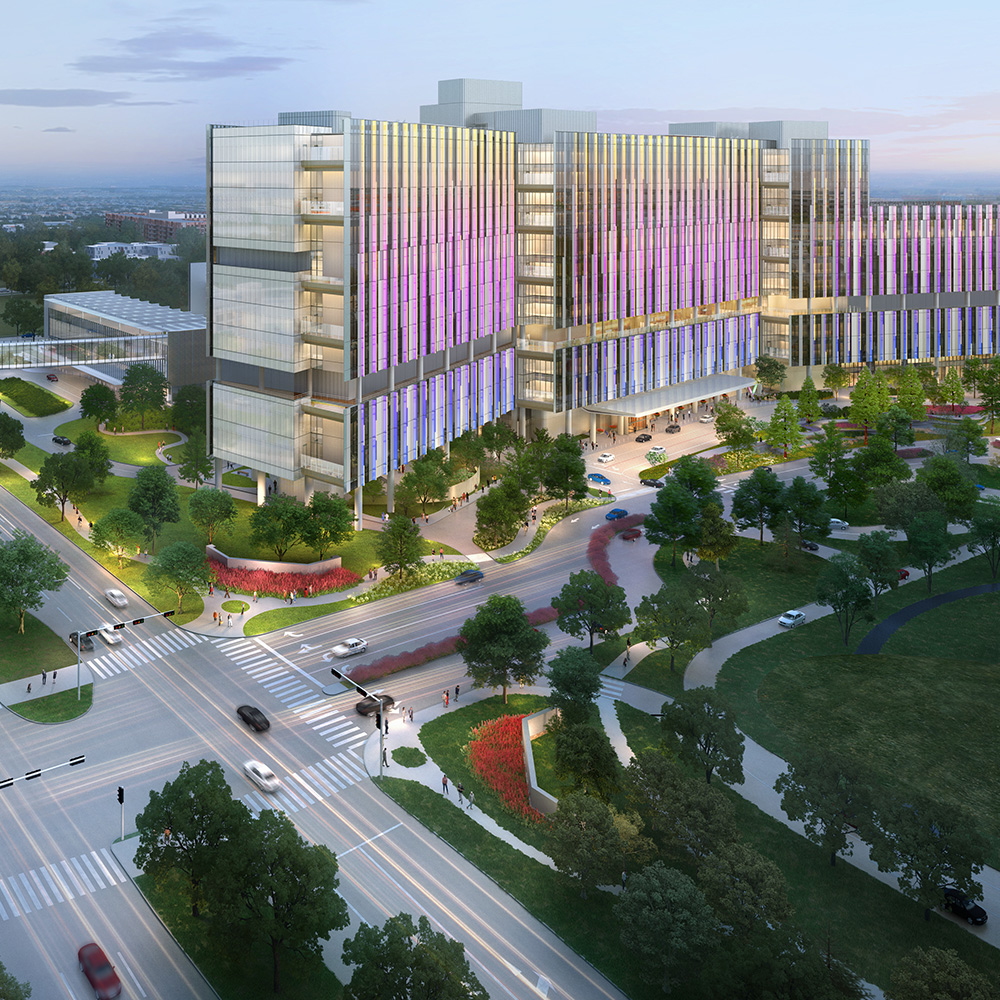
UT Southwestern Medical Center and Children’s Health announced a $25 million gift from the Harry W. Bass, Jr. Foundation, directed through Southwestern Medical Foundation, in support of their $5 billion transformative joint pediatric campus under construction in Dallas’ Southwestern Medical District across from UTSW’s William P. Clements Jr. University Hospital.
Machine learning sheds light on gene transcription : Newsroom - UT Southwestern, Dallas, Texas
https://www.utsouthwestern.edu/newsroom/articles/year-2024/may-machine-learning-gene-transcription.html

A team led by researchers at UT Southwestern Medical Center developed deep learning models to identify a simple set of rules that govern the activity of promoters – regions of DNA that initiate the process by which genes produce proteins.
UTSW Research: Improved bladder cancer detection, tracking gamma waves, and more: Newsroom - UT Southwestern, Dallas, Texas
https://www.utsouthwestern.edu/newsroom/articles/year-2024/may-improved-bladder-cancer-detection.html
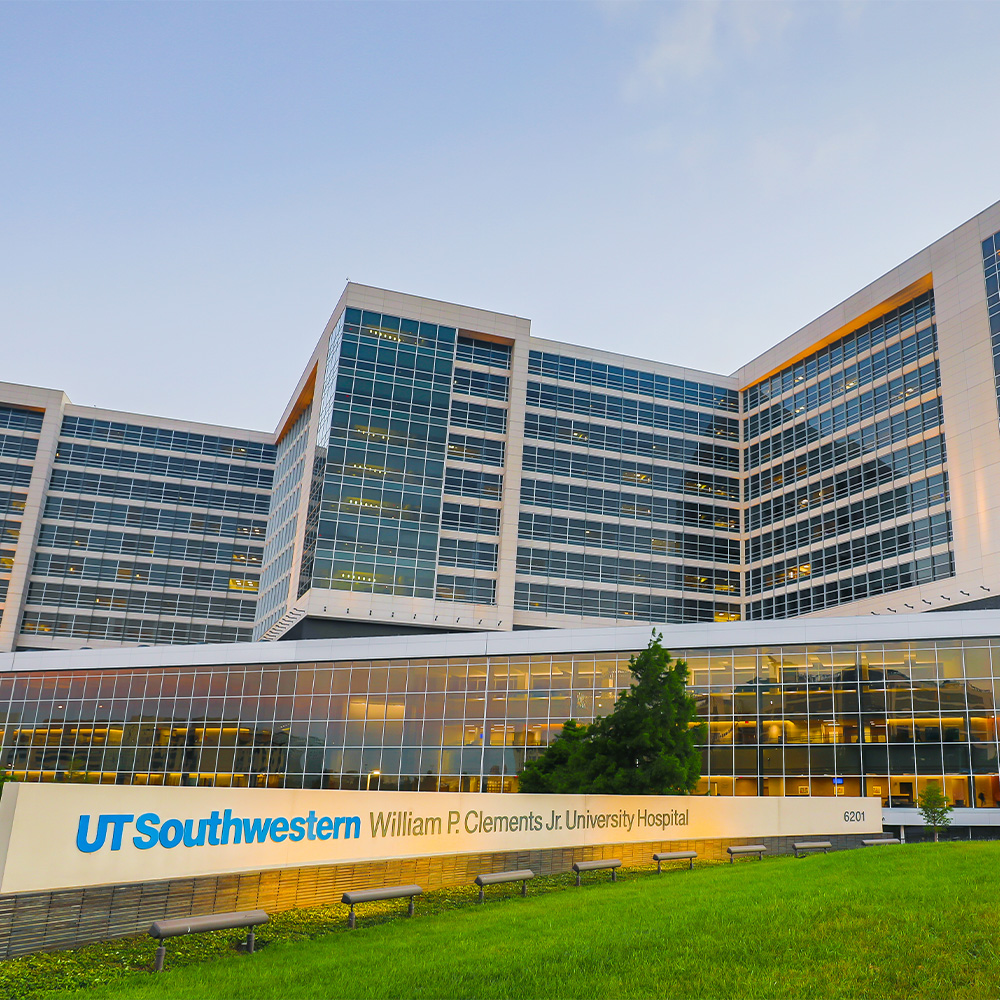
Studies analyze blue light cystoscopy, irregularities in brain activity, the origins of abnormal bone formations, and HIV transcription.