
Search
Learning the wiring diagram for autism spectrum disorders: Newsroom - UT Southwestern, Dallas, Texas
https://www.utsouthwestern.edu/newsroom/articles/year-2020/learning-the-wiring-diagram-for-autism-spectrum-disorders.html

A team led by UT Southwestern researchers has identified brain circuitry that plays a key role in the dysfunctional social, repetitive, and inflexible behavioral differences that characterize autism spectrum disorders (ASD).
Cancer-fighting gene restrains 'jumping genes' : Newsroom - UT Southwestern, Dallas, Texas
https://www.utsouthwestern.edu/newsroom/articles/year-2020/cancer-fighting-gene-restrains-jumping-genes.html
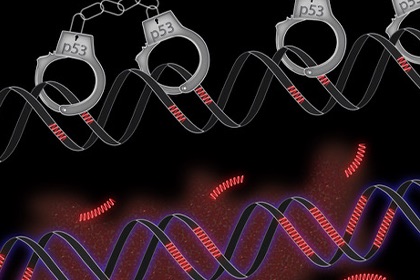
About half of all tumors have mutations of the gene p53, normally responsible for warding off cancer. Now, UT Southwestern scientists have discovered a new role for p53 in its fight against tumors: preventing retrotransposons, or “jumping genes,” from hopping around the human genome.
Enzyme could be major driver of preeclampsia: Newsroom - UT Southwestern, Dallas, Texas
https://www.utsouthwestern.edu/newsroom/articles/year-2021/enzyme-could-be-major-driver-of-preeclampsia.html
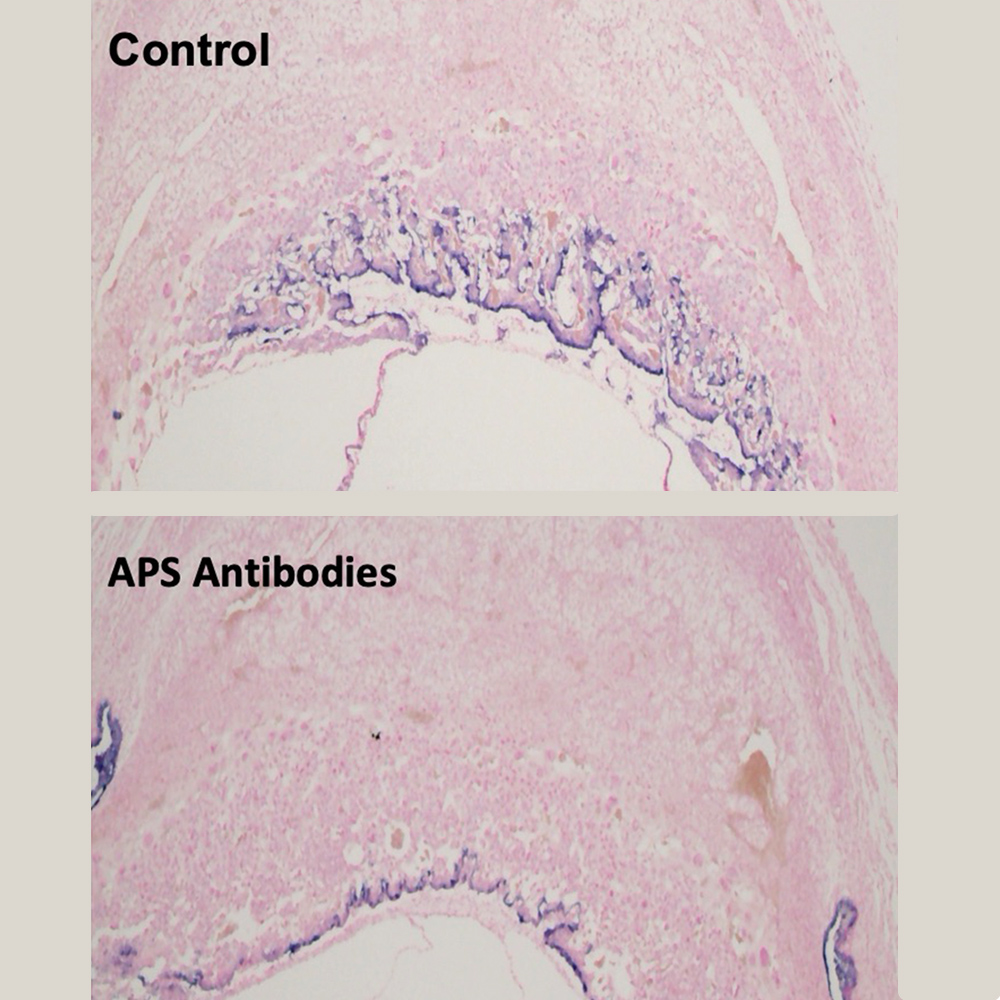
A new study by UT Southwestern scientists indicates that an enzyme called protein phosphatase 2 (PP2A) appears to be a major driver of preeclampsia, a dangerous pregnancy complication characterized by the development of high blood pressure and excess protein in the urine.
UTSW leads nation’s first study of brief suicide intervention for LGBTQ+ young adults : Newsroom - UT Southwestern, Dallas, Texas
https://www.utsouthwestern.edu/newsroom/articles/year-2021/suicide-intervention-for-lgbtq-young-adults.html

UT Southwestern Medical Center will lead the nation’s first study of suicide prevention for LGBTQ+ young adults – a group at higher risk for depression and suicide.
UTSW is a founding member of new sickle cell clinical trials network: Newsroom - UT Southwestern, Dallas, Texas
https://www.utsouthwestern.edu/newsroom/articles/year-2021/new-sickle-cell-clinical-trials-network.html
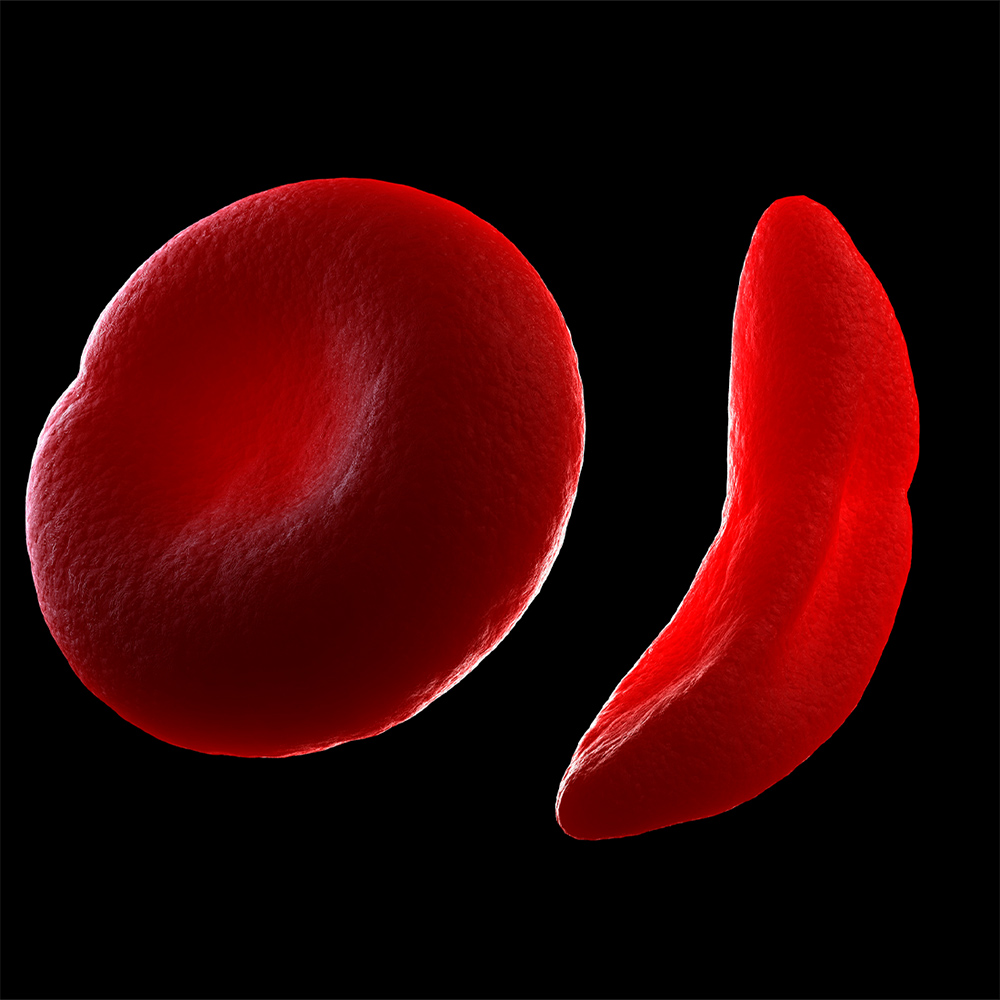
In a move that will increase access and efficiency of clinical trials for patients with sickle cell disease.
How Legionella makes itself at home : Newsroom - UT Southwestern, Dallas, Texas
https://www.utsouthwestern.edu/newsroom/articles/year-2021/how-legionella-makes-itself-at-home.html
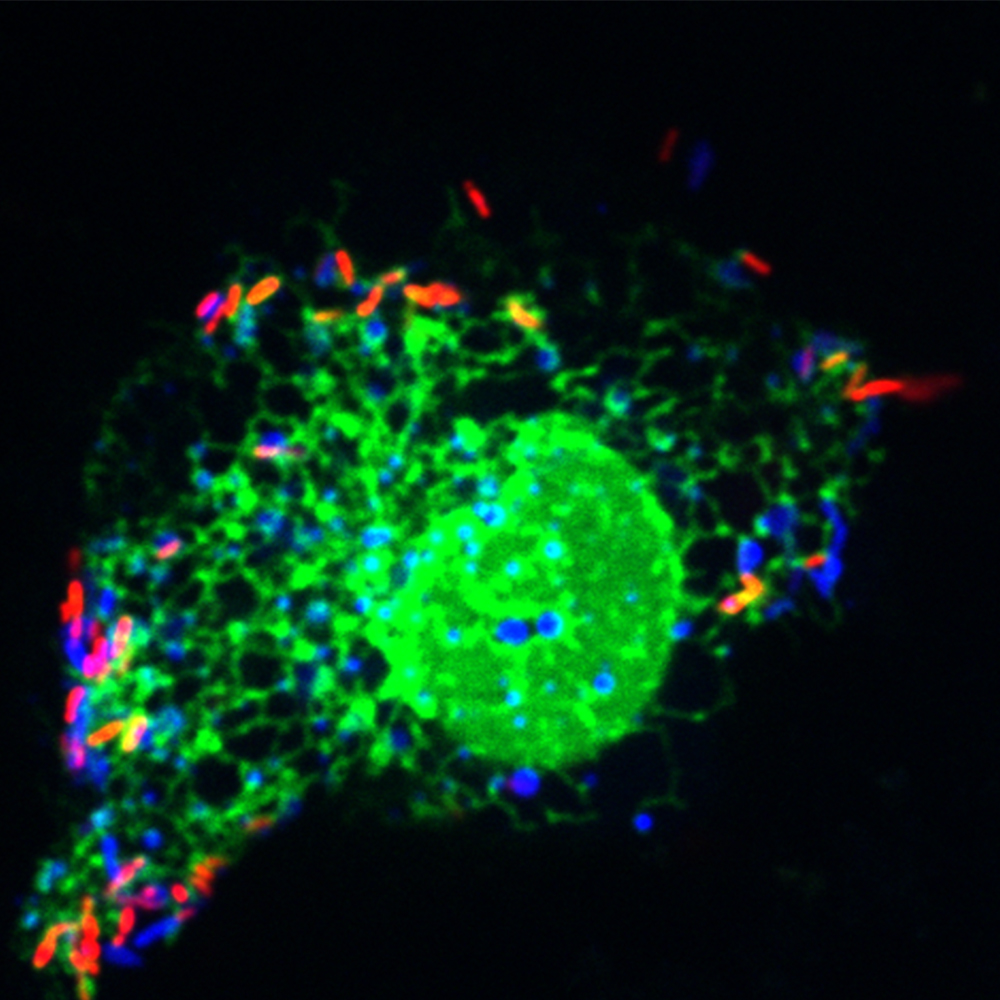
Scientists at UT Southwestern have discovered a key protein that helps the bacteria that causes Legionnaires’ disease to set up house in the cells of humans and other hosts.
UTSW researchers identify first Beta variant in North Texas amid rise of "variants of concern": Newsroom - UT Southwestern, Dallas, Texas
https://www.utsouthwestern.edu/newsroom/articles/year-2021/first-beta-variant-in-north-texas.html
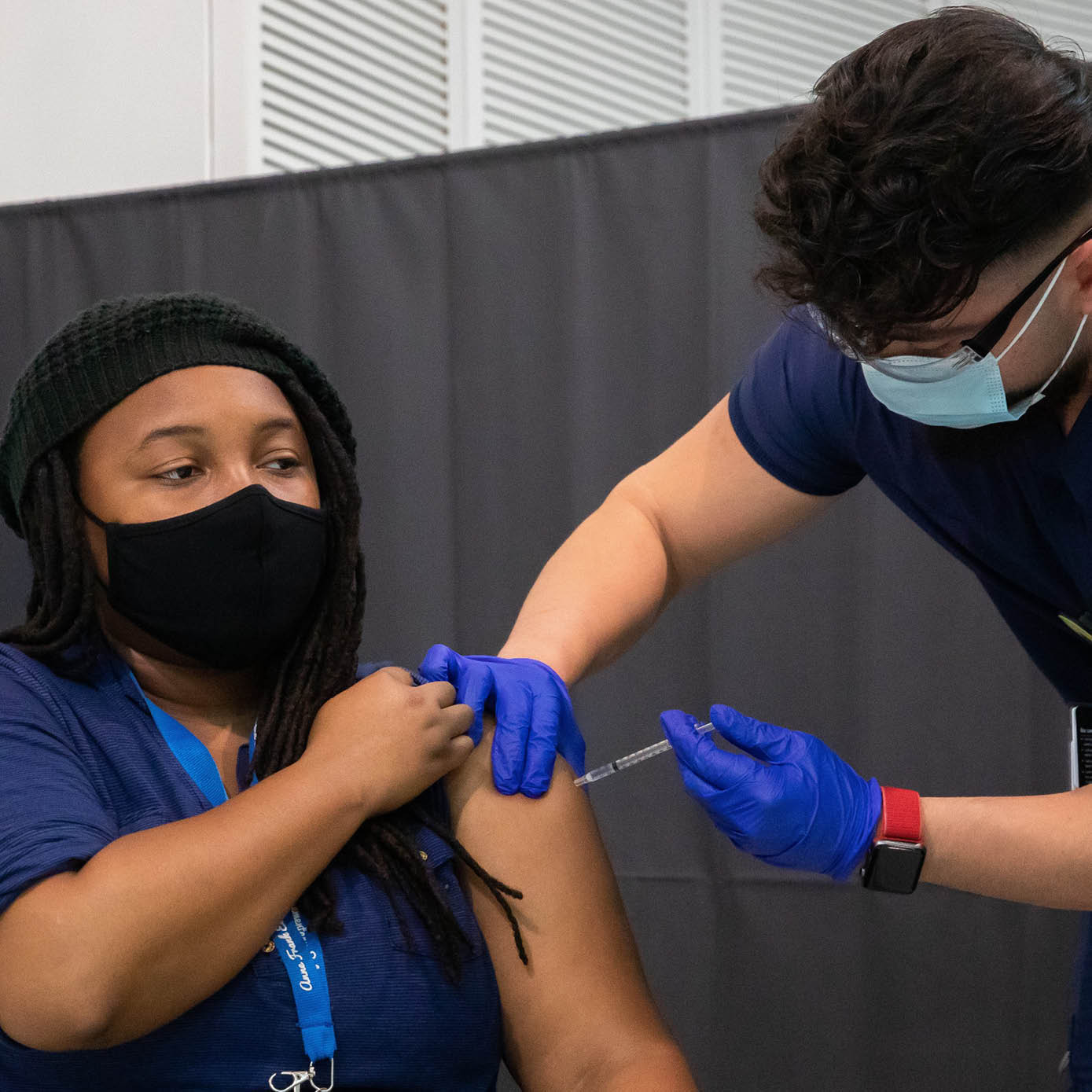
UT Southwestern Medical Center scientists have identified the first two cases of the Beta variant (B.1.351) of COVID-19 infection in North Texas using next-generation sequencing technologies along with targeted PCR testing.
Giving brown fat a boost to fight Type 2 diabetes: Newsroom - UT Southwestern, Dallas, Texas
https://www.utsouthwestern.edu/newsroom/articles/year-2021/brown-fat-a-boost-to-fight-type-2-diabetes.html
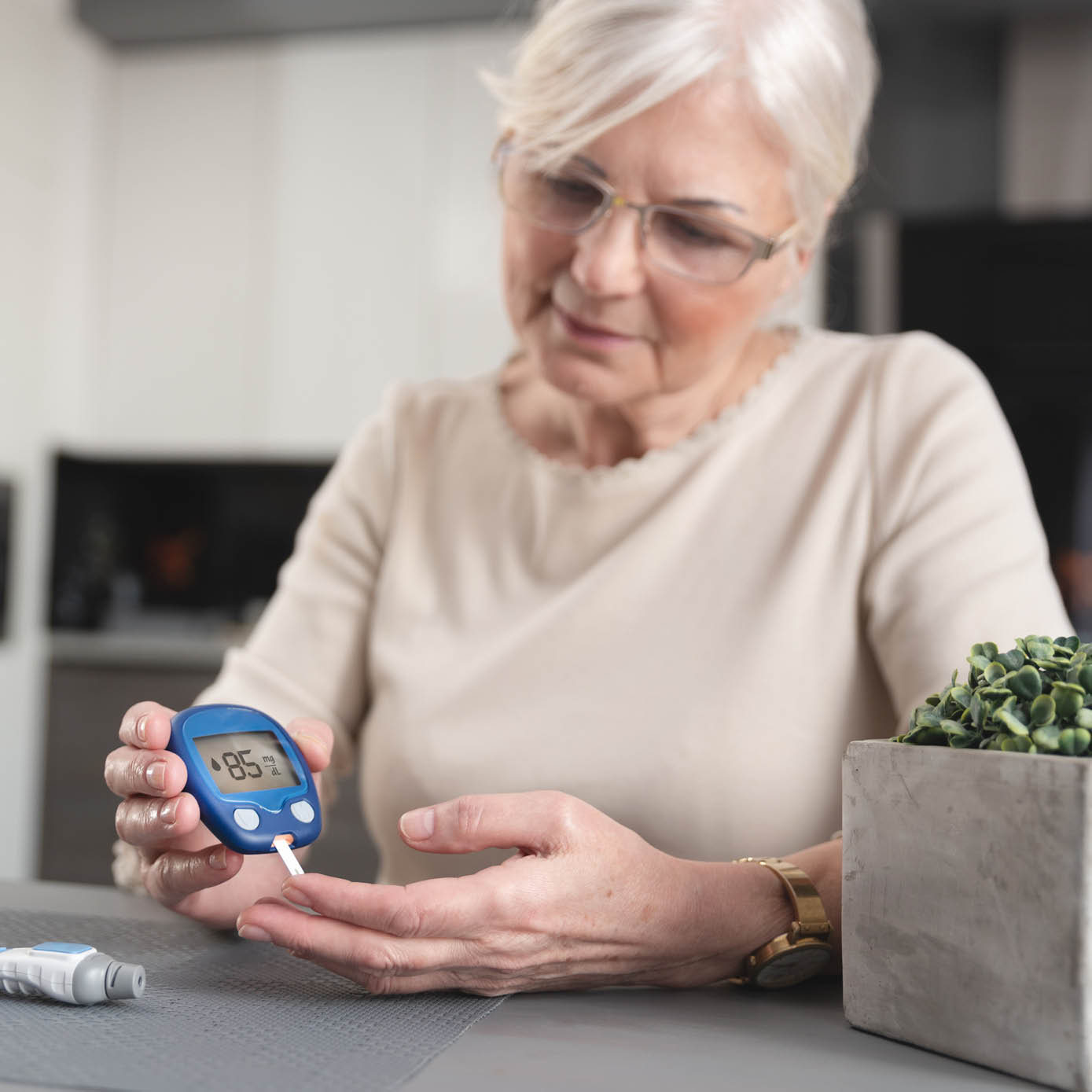
Increasing a protein concentrated in brown fat appears to lower blood sugar, promote insulin sensitivity, and protect against fatty liver disease by remodeling white fat to a healthier state.
UT Southwestern cancer researchers uncover antitumor mechanisms to help improve radiation therapy: Newsroom - UT Southwestern, Dallas, Texas
https://www.utsouthwestern.edu/newsroom/articles/year-2021/antitumor-mechanisms-to-help-improve-radiation-therapy.html
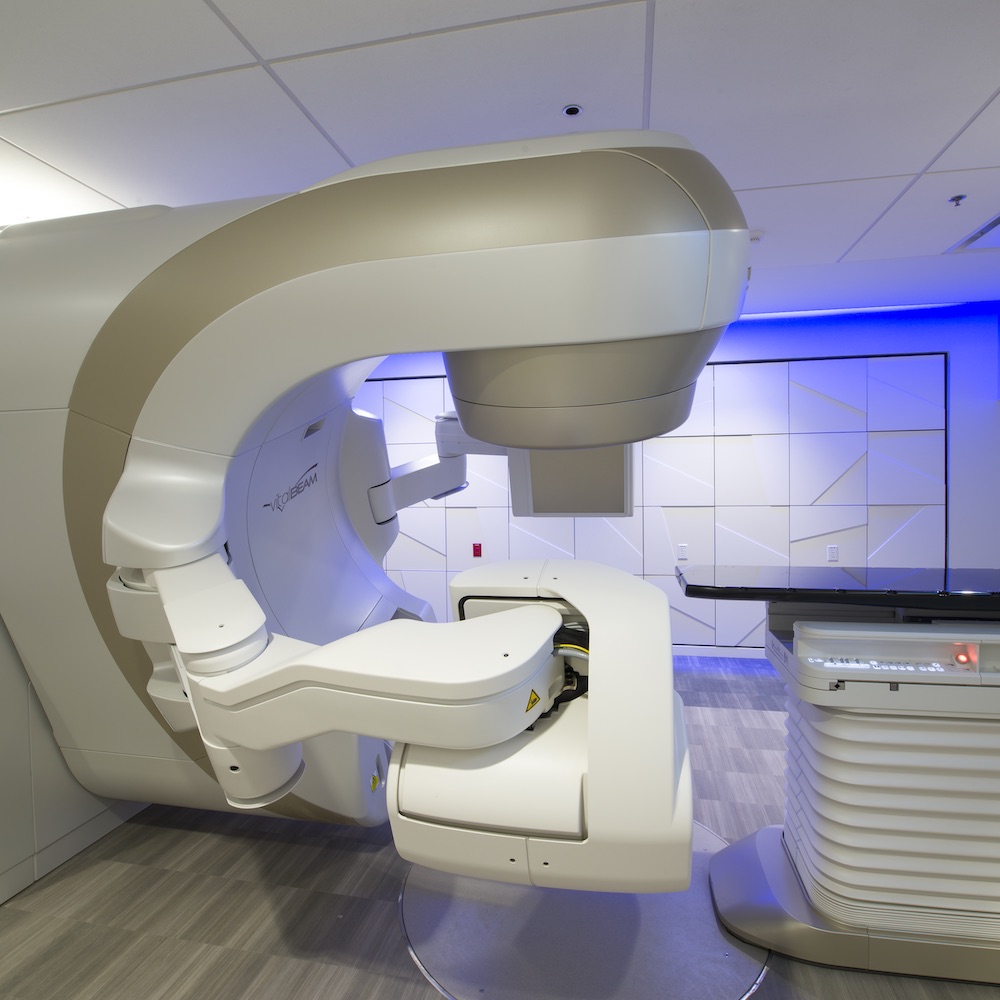
An international team of cancer researchers has identified important mechanisms that activate antitumor immune response during radiation therapy
Study finds dosing strategy may affect immunotherapy outcomes : Newsroom - UT Southwestern, Dallas, Texas
https://www.utsouthwestern.edu/newsroom/articles/year-2021/dosing-strategy-may-affect-immunotherapy-outcomes.html

Overweight cancer patients receiving immunotherapy treatments live more than twice as long as lighter patients, but only when dosing is weight-based