
Search
Traditional risk factors predict heart disease about as well as sophisticated genetic test, study suggests: Newsroom - UT Southwestern, Dallas, Texas
https://www.utsouthwestern.edu/newsroom/articles/year-2020/predicting-heart-disease.html

Traditional cardiovascular risk factors, such as blood pressure, cholesterol levels, diabetes, and smoking status, are at least as valuable in predicting who will develop coronary heart disease as a sophisticated genetic test that surveys millions of different points in DNA.
UT Southwestern nearly doubles lifespan of mice with brain cancer: Newsroom - UT Southwestern, Dallas, Texas
https://www.utsouthwestern.edu/newsroom/articles/year-2020/brain-cancer.html
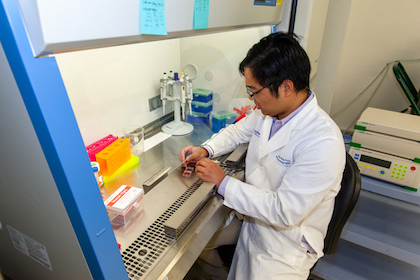
UT Southwestern Simmons Cancer Center researchers have developed technology that is spawning a much better form of drug delivery for gene therapy and has achieved a 43 percent increase in the survival of mice with glioblastoma, one of the deadliest forms of human brain cancer.
Vulnerable cells armor themselves against infection by depleting surface cholesterol:Newsroom - UT Southwestern, Dallas, Texas
https://www.utsouthwestern.edu/newsroom/articles/year-2020/surface-cholesterol.html

Scientists have long known that the mucus membranes that line the intestines, lungs, and other sites play a key role in protecting the body from systemic infection.
Persistent hunger may be behind weight regain after loss: Newsroom - UT Southwestern, Dallas, Texas
https://www.utsouthwestern.edu/newsroom/articles/year-2026/may-weight-regain.html

Weight that was regained after it had been lost may be the result of persistent, biologically driven hunger, according to a study led by a UT Southwestern Medical Center researcher.
UT Southwestern named Official Sports Medicine Partner for Dallas Pulse : Newsroom - UT Southwestern, Dallas, Texas
https://www.utsouthwestern.edu/newsroom/articles/year-2026/april-dallas-pulse.html

UT Southwestern Medical Center has been named the Official Sports Medicine Partner for the Dallas Pulse, North Texas’ women’s professional volleyball team in Major League Volleyball (MLV). The new sponsorship agreement supports the Dallas Pulse’s commitment to athlete wellness, performance, and long-term health on and off the court.
Socioeconomic status affects survival of children with cancer : Newsroom - UT Southwestern, Dallas, Texas
https://www.utsouthwestern.edu/newsroom/articles/year-2024/july-socioeconomic-status.html
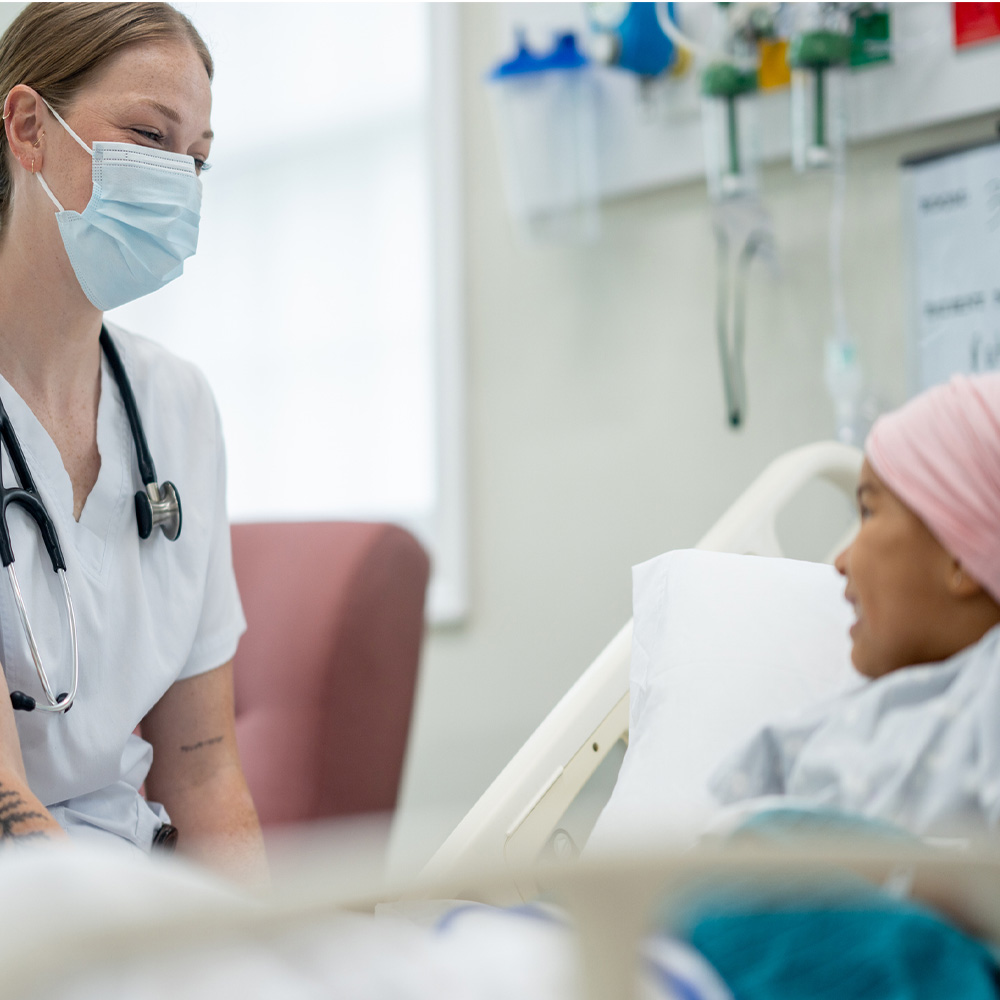
Socioeconomic factors can influence the diagnosis and treatment of children in Texas with malignant solid tumors, increasing the risk of the cancer’s spread and lowering the five-year survival rate, according to researchers at UT Southwestern Medical Center.
UT Southwestern Q&A: What you need to know about the measles: Newsroom - UT Southwestern, Dallas, Texas
https://www.utsouthwestern.edu/newsroom/articles/year-2025/march-qa-measles.html

The outbreak of measles that started in West Texas in January and spread to other regions and states has focused renewed attention on a childhood disease that had been eliminated in the United States in recent decades.
Findings could boost efforts to develop chlamydia vaccine: Newsroom - UT Southwestern, Dallas, Texas
https://www.utsouthwestern.edu/newsroom/articles/year-2026/june-chlamydia-vaccine.html
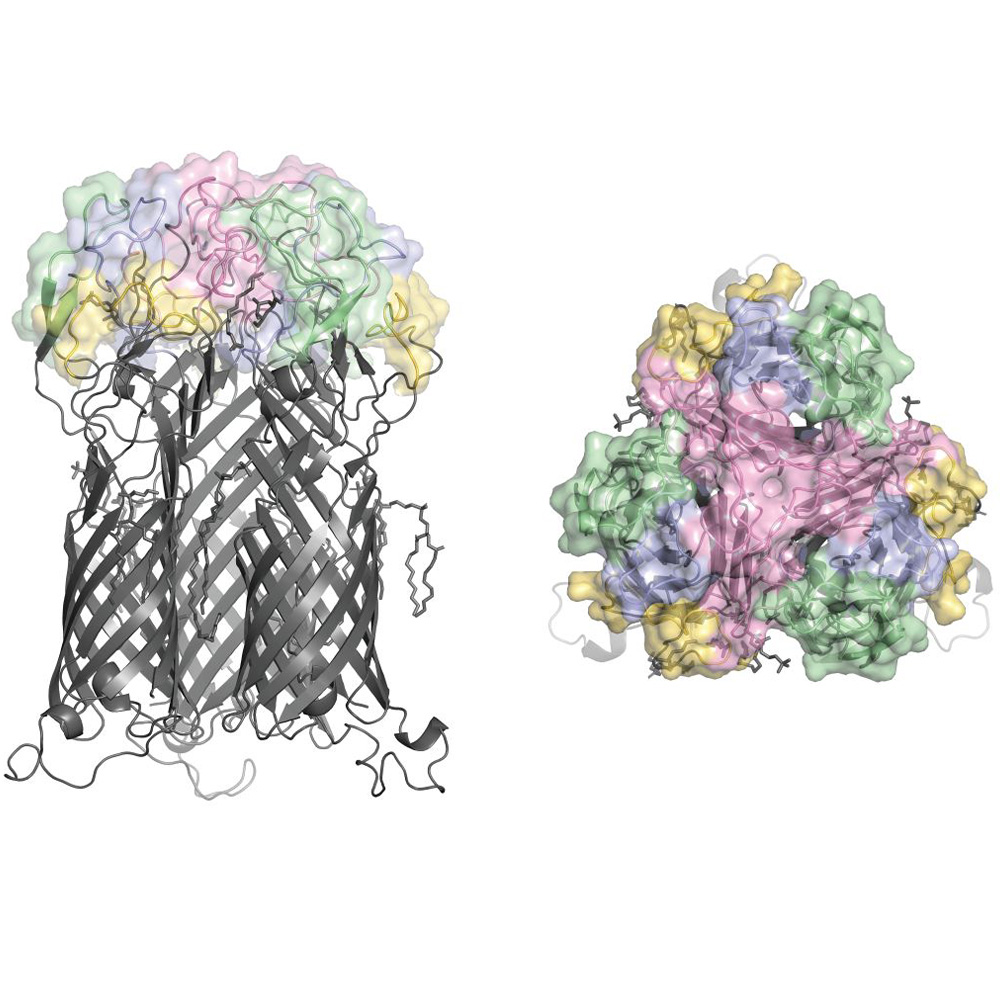
Scientists at UT Southwestern Medical Center, working with other U.S. researchers, have uncovered the structure of a key cell membrane protein in a bacterial model for Chlamydia trachomatis, the cause of the world’s most common bacterial sexually transmitted infection (STI).
Exertion tests offer insight into recovery from youth concussions : Newsroom - UT Southwestern, Dallas, Texas
https://www.utsouthwestern.edu/newsroom/articles/year-2026/july-exertion-tests.html

Clinical exams that incorporate gait analysis after physical exertion may provide insight into how youths are recovering after concussions to help determine whether they are ready to return to sports, UT Southwestern Medical Center and Scottish Rite for Children (SRC) physicians found.
UTSW introduces single-port robotic surgery for lung cancer: Newsroom - UT Southwestern, Dallas, Texas
https://www.utsouthwestern.edu/newsroom/articles/year-2026/june-lobectomy.html
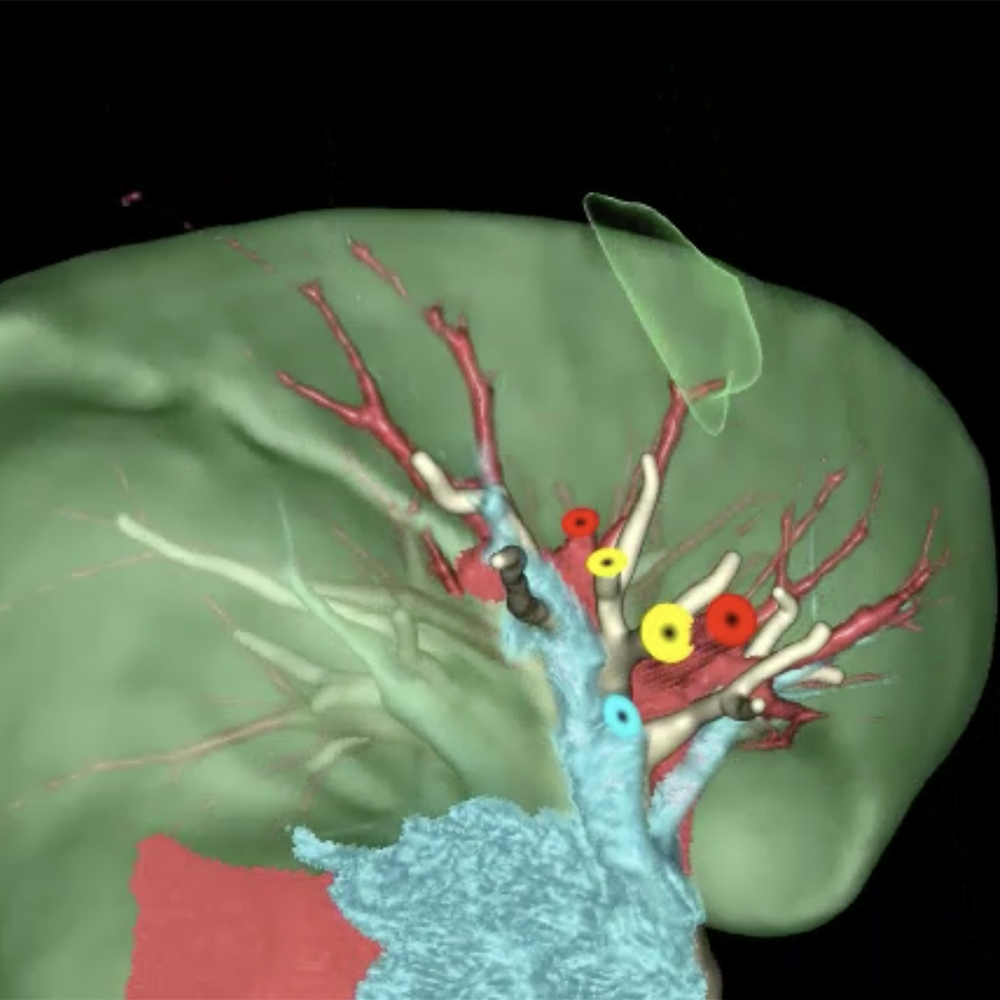
A team at UT Southwestern Medical Center is the first in North Texas to offer single-port robotic-assisted thoracoscopic lobectomy, a minimally invasive procedure for select patients with early-stage lung cancer.