
Search
All that texting and scrolling leads to a rise in ‘tech neck’: Newsroom - UT Southwestern, Dallas, Texas
https://www.utsouthwestern.edu/newsroom/articles/year-2023/february-tech-neck.html

Technology can be a pain in the neck, leading to what’s known as “tech neck,” chronic pain that results from prolonged use of mobile phones, tablets, and other electronic devices.
Changing what heart cells eat could help them regenerate: Newsroom - UT Southwestern, Dallas, Texas
https://www.utsouthwestern.edu/newsroom/articles/year-2020/regenerating-heart-cells.html
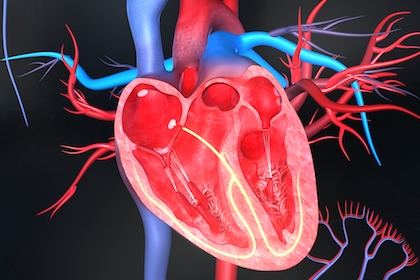
Switching what the powerhouses of heart cells consume for energy could help the heart regenerate when cells die.
AI may help brain cancer patients avoid biopsy
https://www.utsouthwestern.edu/newsroom/articles/year-2020/ai-brain-cancer.html
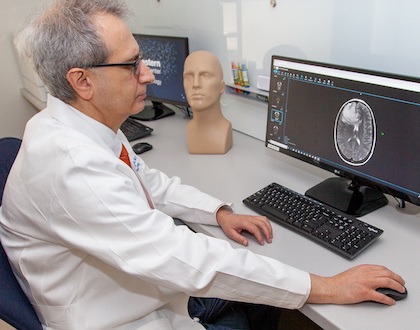
Brain cancer patients in the coming years may not need to go under the knife to help doctors determine the best treatment for their tumors.
AI can jump-start radiation therapy for cancer patients
https://www.utsouthwestern.edu/newsroom/articles/year-2020/ai-radiation-therapy.html
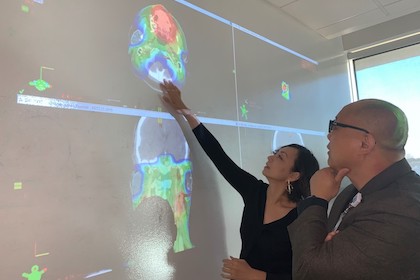
Artificial intelligence can help cancer patients start their radiation therapy sooner – and thereby decrease the odds of the cancer spreading – by instantly translating complex clinical data into an optimal plan of attack.
UTSW among first in nation to offer biology-guided radiotherapy: Newsroom - UT Southwestern, Dallas, Texas
https://www.utsouthwestern.edu/newsroom/articles/year-2023/dec-biology-guided-radiotherapy.html
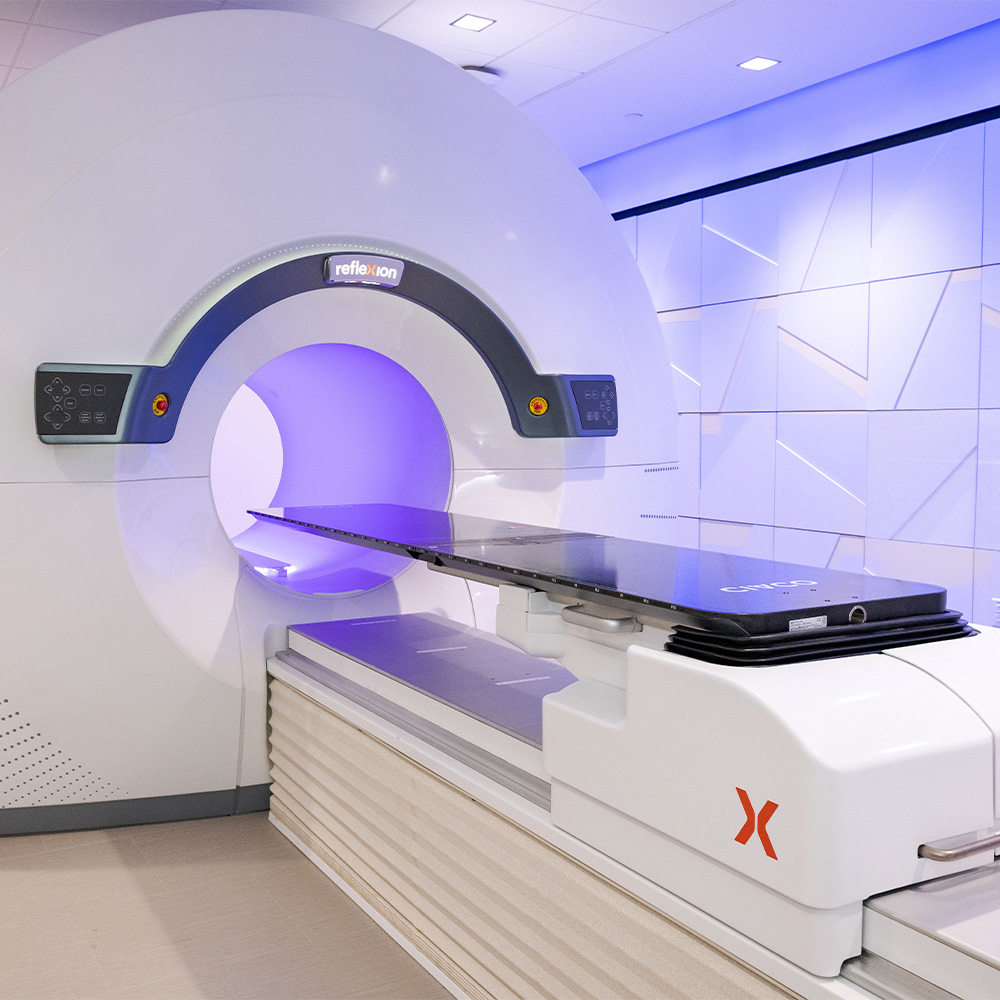
UT Southwestern Medical Center’s Harold C. Simmons Comprehensive Cancer Center is among the first in the nation and the first in Texas to offer radiation treatments using a new technology that combines positron emission tomography (PET) imaging with radiotherapy to precisely treat bone and lung cancers.
Out of Africa: UT Southwestern cardiologist gets to the heart of Zambia’s No. 1 health threat : Newsroom - UT Southwestern, Dallas, Texas
https://www.utsouthwestern.edu/newsroom/articles/year-2024/oct-strasserking-global-health.html
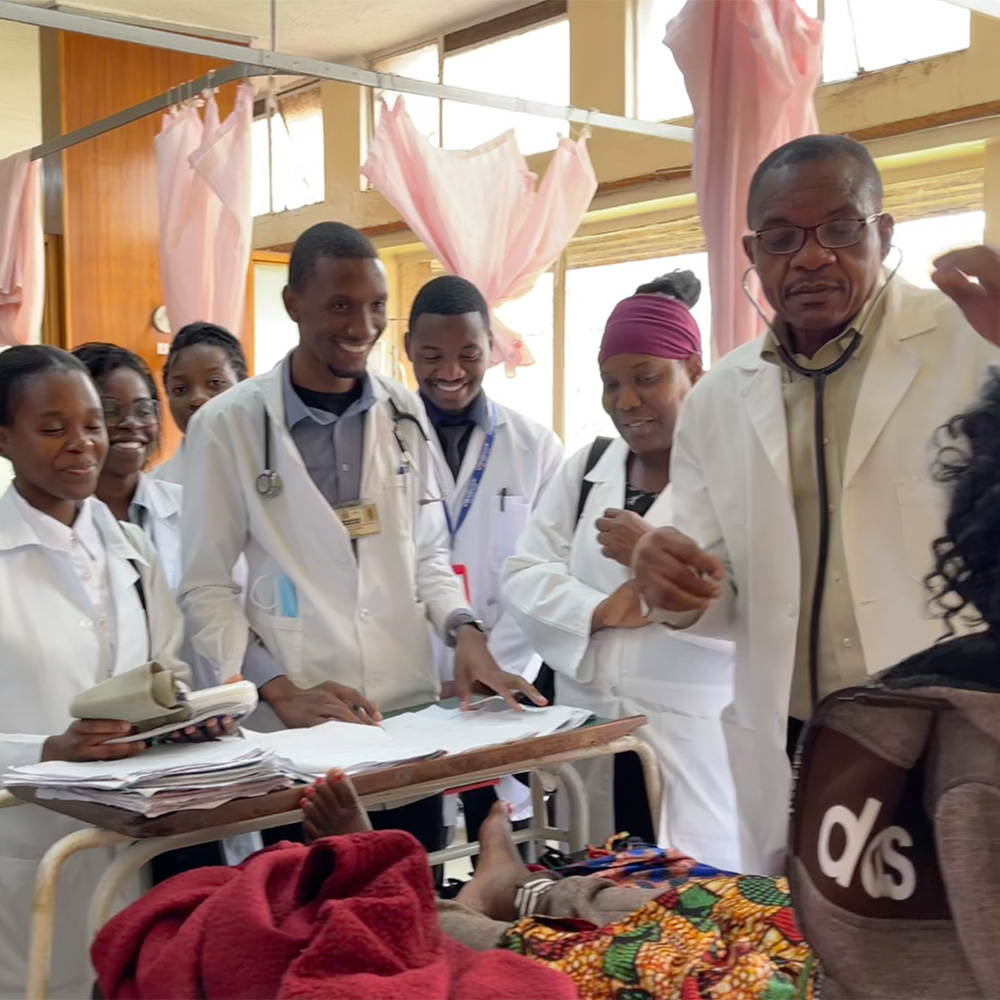
On a Thursday morning in Dallas, Fiona Strasserking, M.D., chats with her UT Southwestern colleague while internal medicine residents from the University of Zambia log on to their Zoom call. Rafic Berbarie, M.D., Associate Professor in UTSW’s Division of Cardiology, is today’s guest lecturer and the topic is “Evaluation of Chest Pain.” He’ll cover everything from chronic angina to myocardial infarction.
Study looks at ties between anxiety and gut bacteria: Newsroom - UT Southwestern, Dallas, Texas
https://www.utsouthwestern.edu/newsroom/articles/year-2023/nov-gut-bacteria-anxiety.html
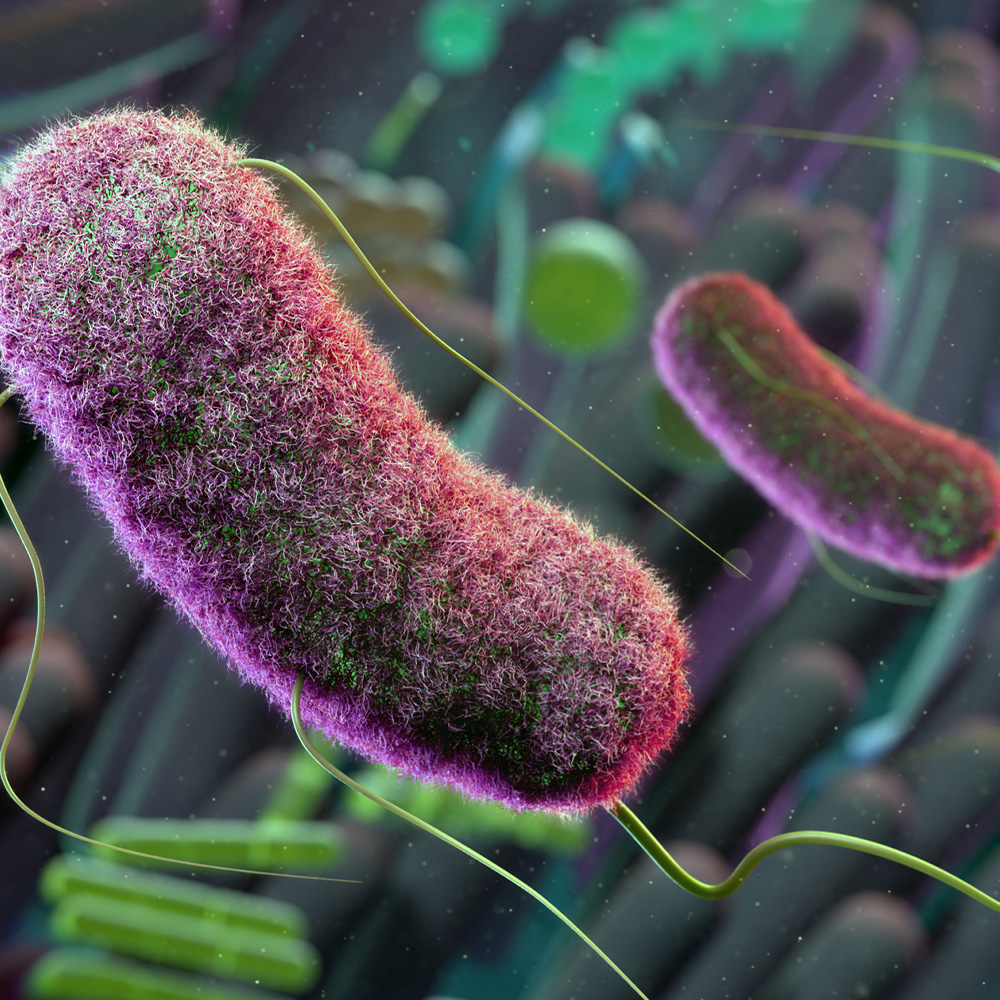
Interactions among microorganisms within the human gut may be associated with increased anxiety levels in people with depression, according to research led by UT Southwestern Medical Center.
UT Southwestern scientists among world’s most highly cited researchers: Newsroom - UT Southwestern, Dallas, Texas
https://www.utsouthwestern.edu/newsroom/articles/year-2023/nov-highly-cited-researchers.html
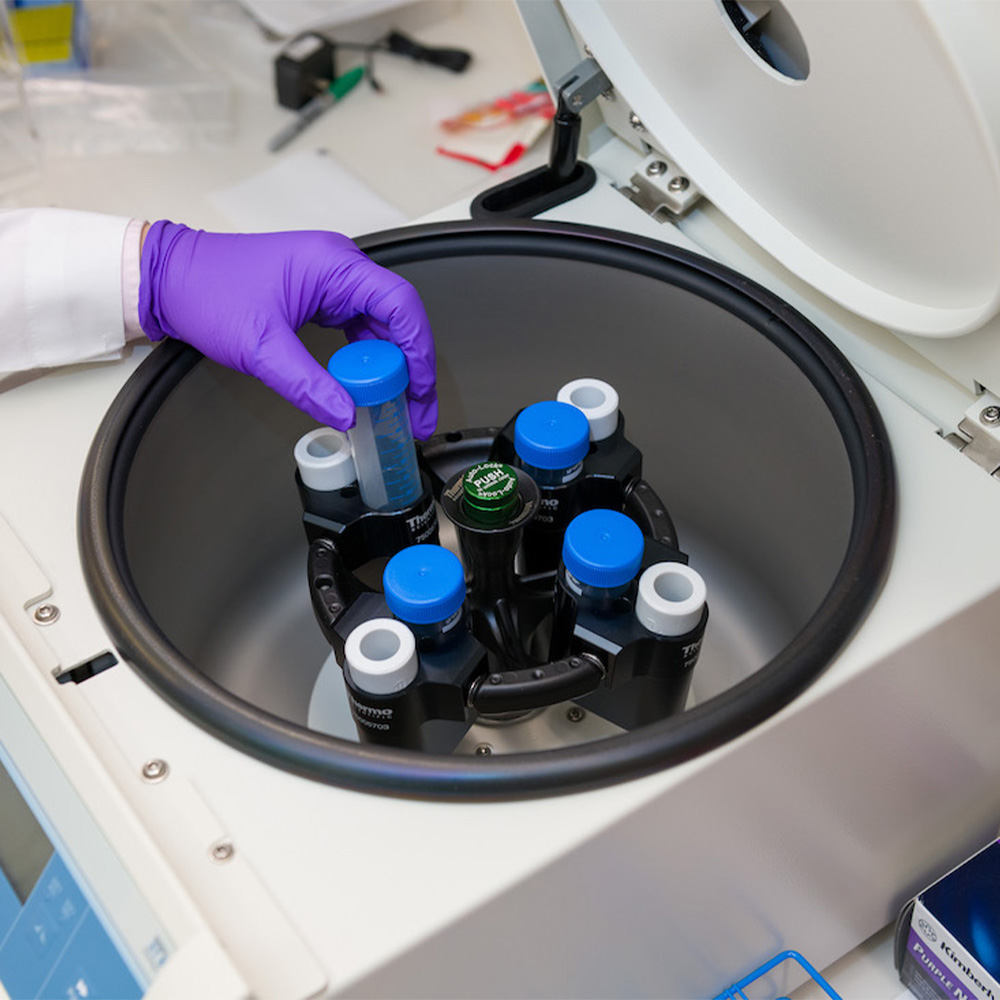
More than a dozen UT Southwestern Medical Center scientists are included on the 2023 Highly Cited Researchers list, which recognizes the top 1% of researchers from around the world who have demonstrated significant and broad influence in their chosen field or fields of research.
Standing blood pressure test more accurate in detecting hypertension: Newsroom - UT Southwestern, Dallas, Texas
https://www.utsouthwestern.edu/newsroom/articles/year-2023/nov-blood-pressure-test.html
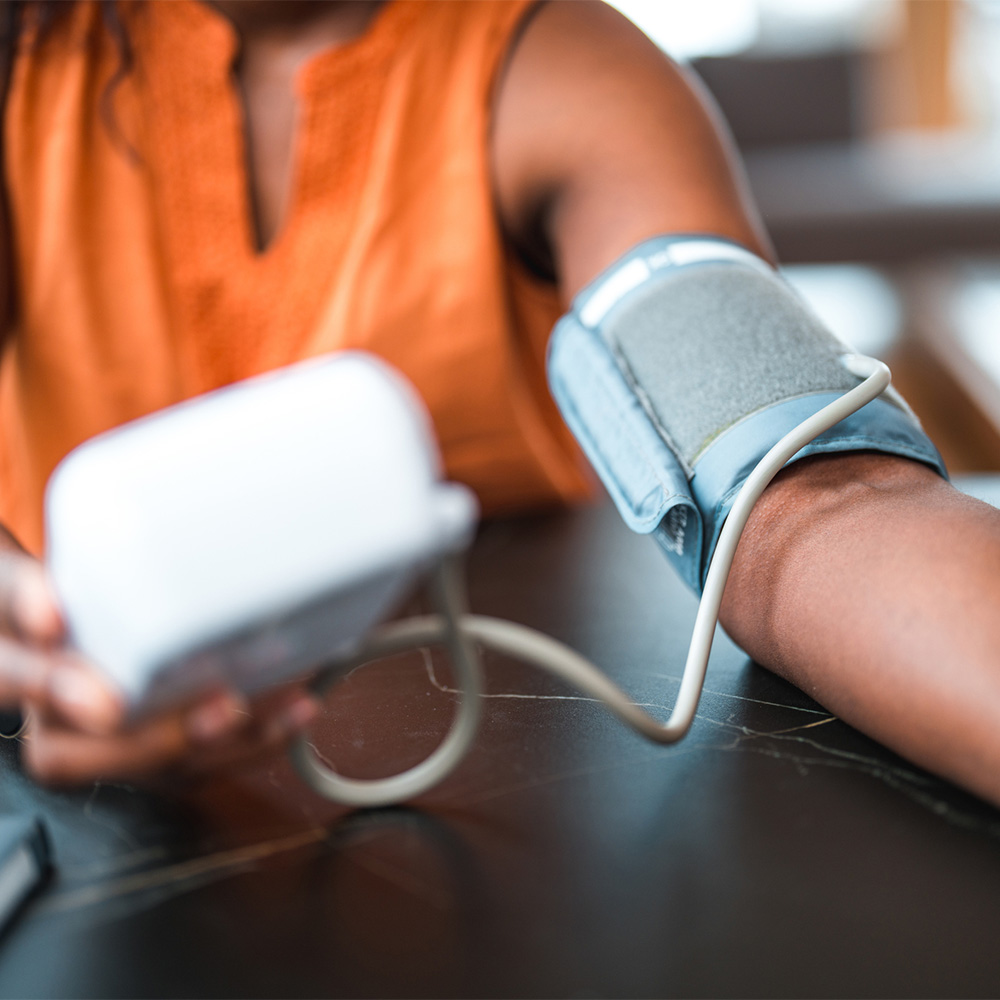
Measuring blood pressure while patients are standing rather than sitting may improve the accuracy of readings, UT Southwestern Medical Center researchers report.
Patients who need high-intensity statins not using them: Newsroom - UT Southwestern, Dallas, Texas
https://www.utsouthwestern.edu/newsroom/articles/year-2023/sept-high-intensity-statins.html
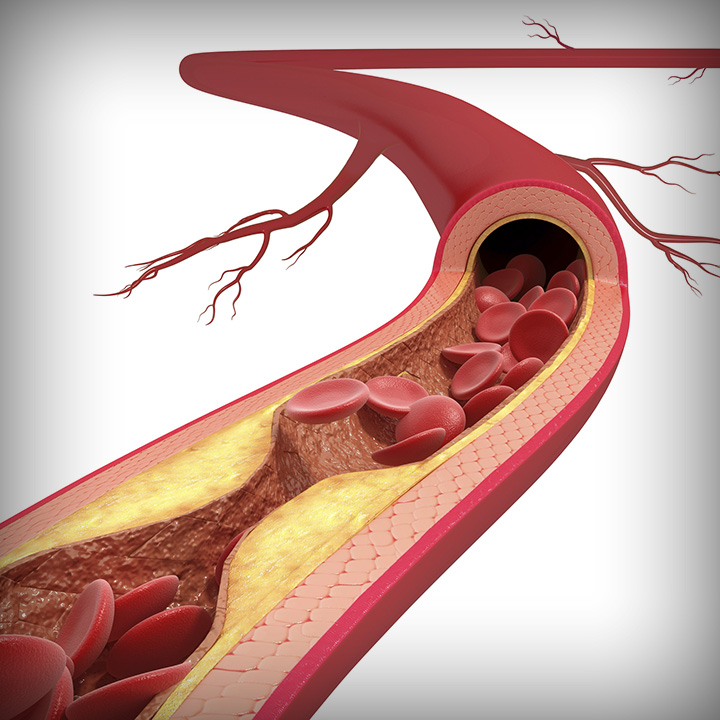
Although hundreds of thousands of patients with atherosclerotic cardiovascular disease (ASCVD) are eligible for high-intensity statin therapy, most are not using the drugs, UT Southwestern Medical Center researchers report.