
Search
FFP In Traumatic BRAin INjury (FIT-BRAIN) Trial : Newsroom - UT Southwestern, Dallas, Texas
https://www.utsouthwestern.edu/newsroom/articles/year-2026/feb-brain-injury.html

The University of Texas Southwestern Medical Center and Parkland Health are consulting the people of the Dallas area on participating in a trauma research study to investigate using one dose of fresh frozen plasma (FFP), the colorless fluid part of blood, to treat patients who suffered a traumatic brain injury.
UT Southwestern Q&A: What you need to know about the measles: Newsroom - UT Southwestern, Dallas, Texas
https://www.utsouthwestern.edu/newsroom/articles/year-2025/march-qa-measles.html
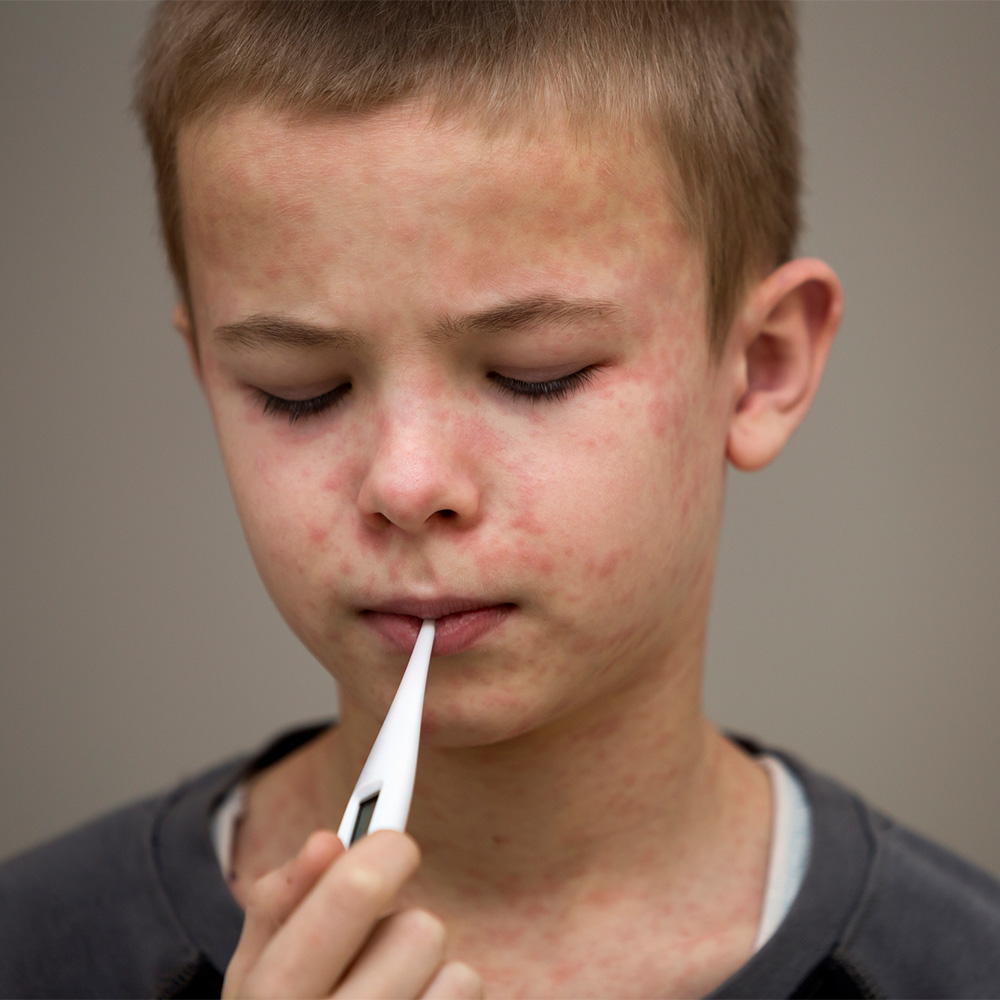
The outbreak of measles that started in West Texas in January and spread to other regions and states has focused renewed attention on a childhood disease that had been eliminated in the United States in recent decades.
UTSW Research: T cells, lung health, cash support for heart patients - UT Southwestern, Dallas, TX
https://www.utsouthwestern.edu/newsroom/articles/year-2026/june-research-roundup.html
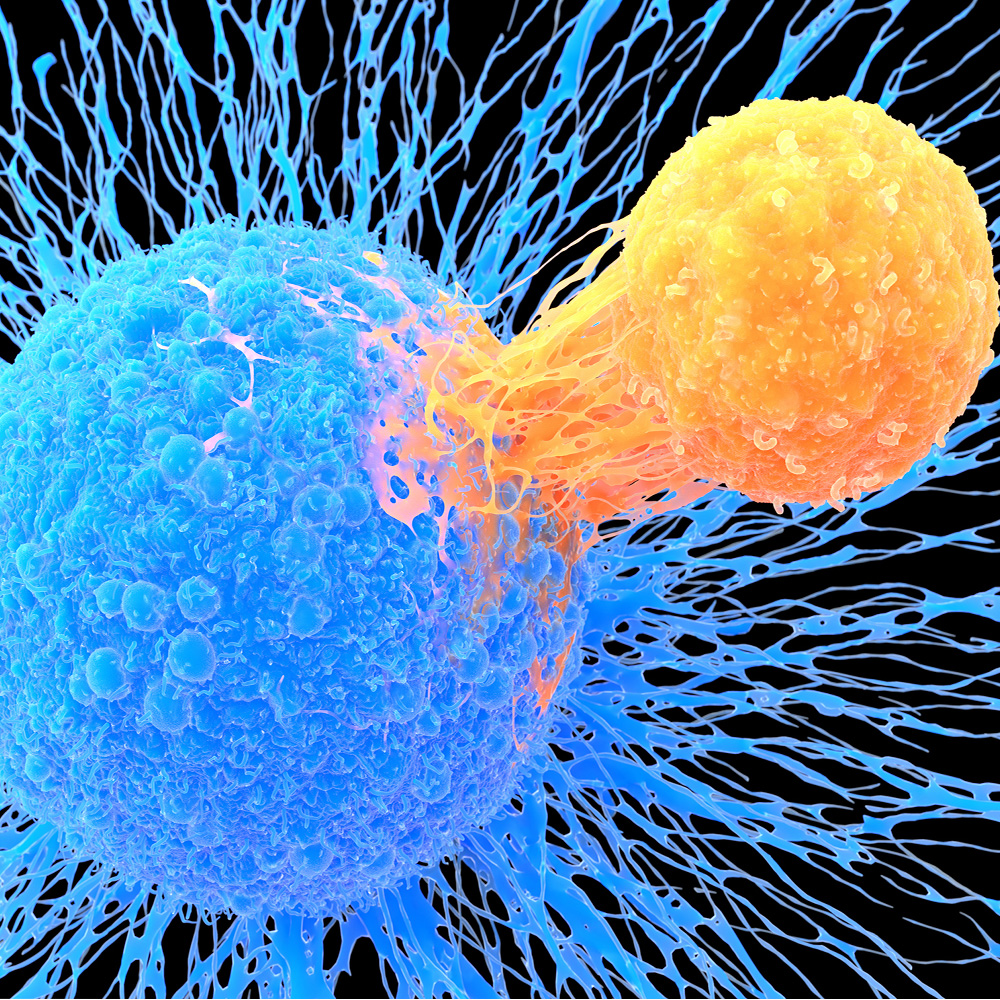
Researchers at UT Southwestern Medical Center have developed a computational method that reveals how immune cells navigate the complex environment inside tumors, offering insights that could inform future cancer therapies.
FDA expands use of kidney cancer drug developed from UTSW research: Newsroom - UT Southwestern, Dallas, Texas
https://www.utsouthwestern.edu/newsroom/articles/year-2026/june-belzutifan-fda.html
Belzutifan, a first-in-class drug that arose from scientific discoveries at UT Southwestern Medical Center, has been approved by the Food and Drug Administration to treat some patients with earlier stage kidney cancers in combination with an immunotherapy drug.
Findings could boost efforts to develop chlamydia vaccine: Newsroom - UT Southwestern, Dallas, Texas
https://www.utsouthwestern.edu/newsroom/articles/year-2026/june-chlamydia-vaccine.html
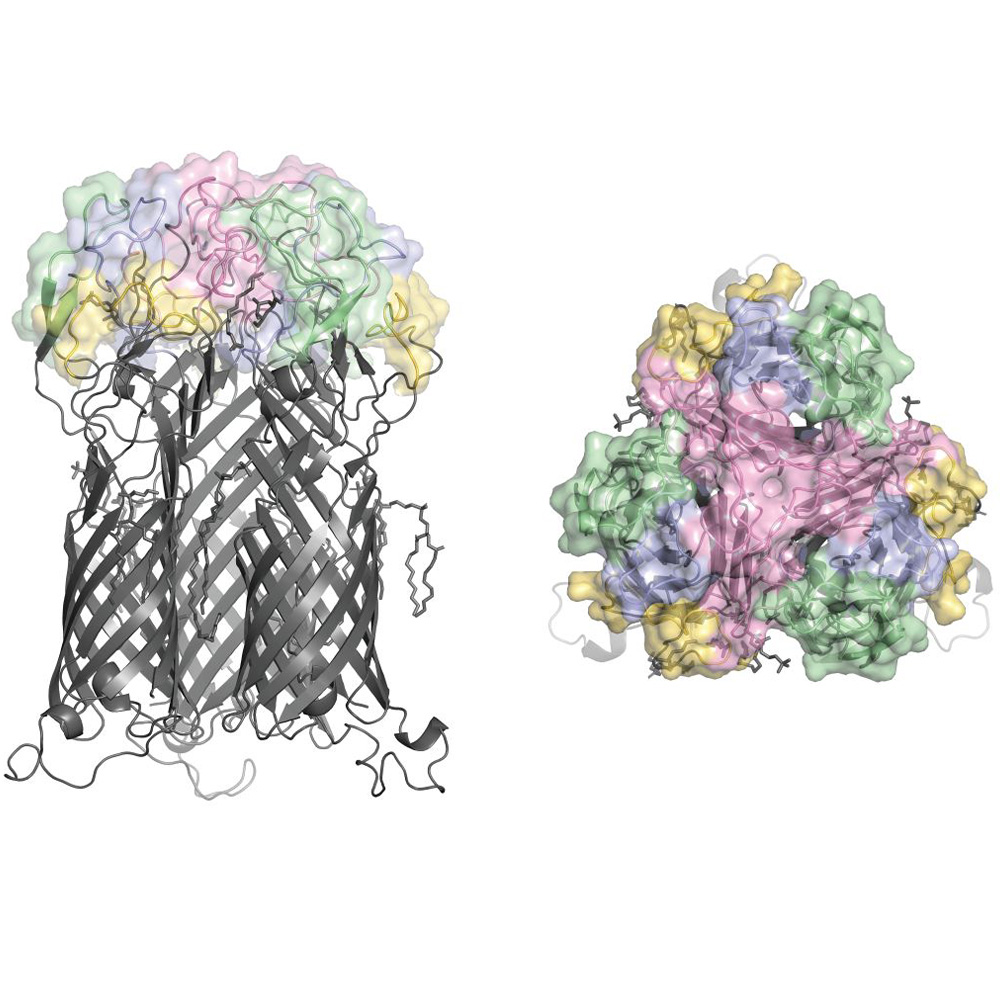
Scientists at UT Southwestern Medical Center, working with other U.S. researchers, have uncovered the structure of a key cell membrane protein in a bacterial model for Chlamydia trachomatis, the cause of the world’s most common bacterial sexually transmitted infection (STI).
Digging deep for differences in Duchenne muscular dystrophy: Newsroom - UT Southwestern, Dallas, Texas
https://www.utsouthwestern.edu/newsroom/articles/year-2020/differences-in-duchenne-muscular-dystrophy.html
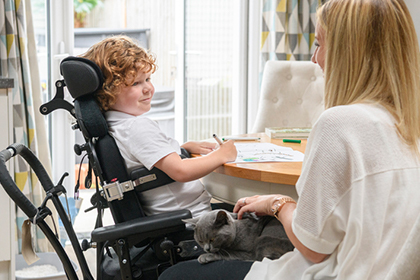
A UT Southwestern research team has catalogued gene activity in the skeletal muscle of mice, comparing healthy animals to those carrying a genetic mutation that causes Duchene muscular dystrophy (DMD) in humans.
How AI will enhance health care: Newsroom - UT Southwestern, Dallas, Texas
https://www.utsouthwestern.edu/newsroom/articles/year-2024/may-ai-health-care.html
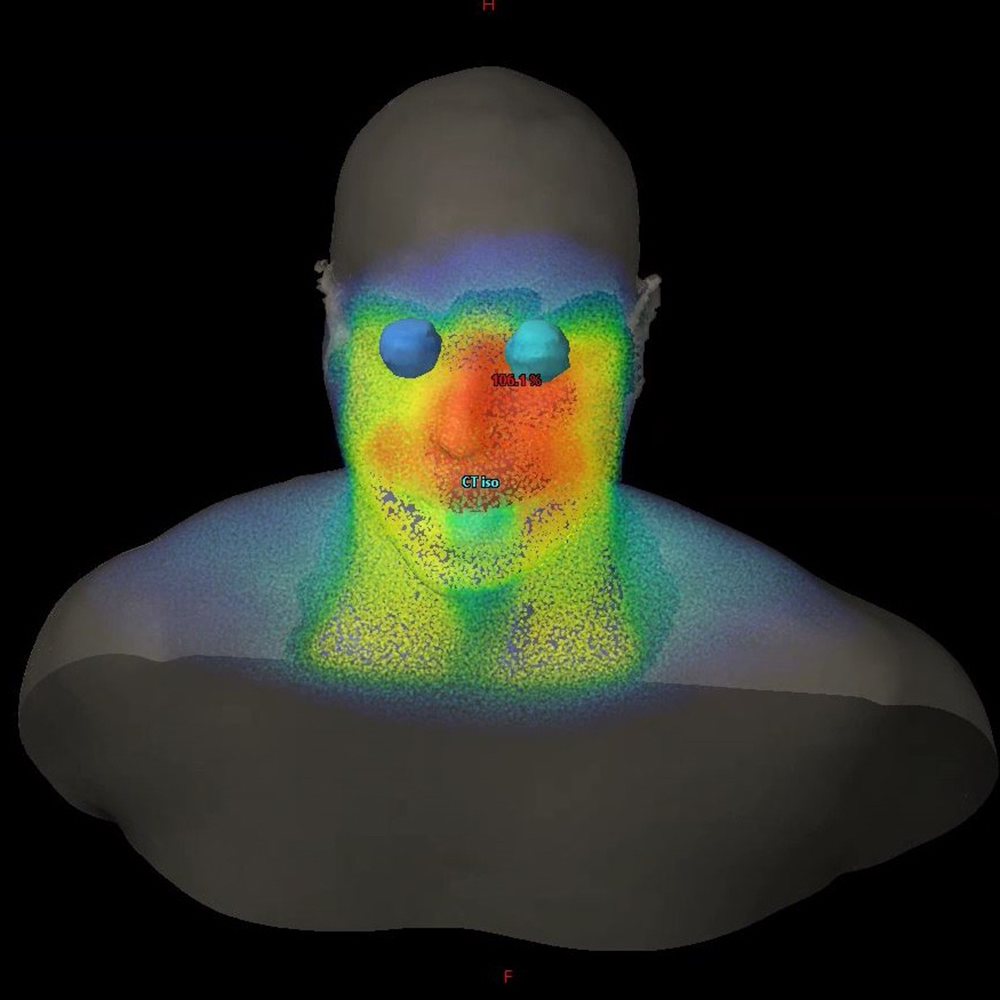
Artificial intelligence is rapidly reshaping the landscape of health care, revolutionizing scientific discovery, drug development, diagnosis and treatment, as well as health care delivery operations. As with any emerging technology, its success lies in its implementation, and The University of Texas System is committed to harnessing AI’s potential for the ultimate benefit of patients while ensuring its ethical and responsible use.
Study shows women less likely to survive out-of-hospital cardiac arrest than men: Newsroom - UT Southwestern, Dallas, Texas
https://www.utsouthwestern.edu/newsroom/articles/year-2020/out-of-hospital-cardiac-arrest.html
A study of patients resuscitated from out-of-hospital cardiac arrest shows that women have a lower likelihood of survival compared with men and are less likely to receive procedures commonly administered following cardiac arrest.
Could cancer immunotherapy success depend on gut bacteria?: Newsroom - UT Southwestern, Dallas, Texas
https://www.utsouthwestern.edu/newsroom/articles/year-2020/cancer-immunotherapy-gut-bacteria.html
A study by researchers revealed that gut bacteria can penetrate tumor cells and boost the effectiveness of an experimental immunotherapy that targets the CD47 protein.
Putting a protein into overdrive to heal spinal cord injuries: Newsroom - UT Southwestern, Dallas, Texas
https://www.utsouthwestern.edu/newsroom/articles/year-2021/heal-spinal-cord-injuries.html
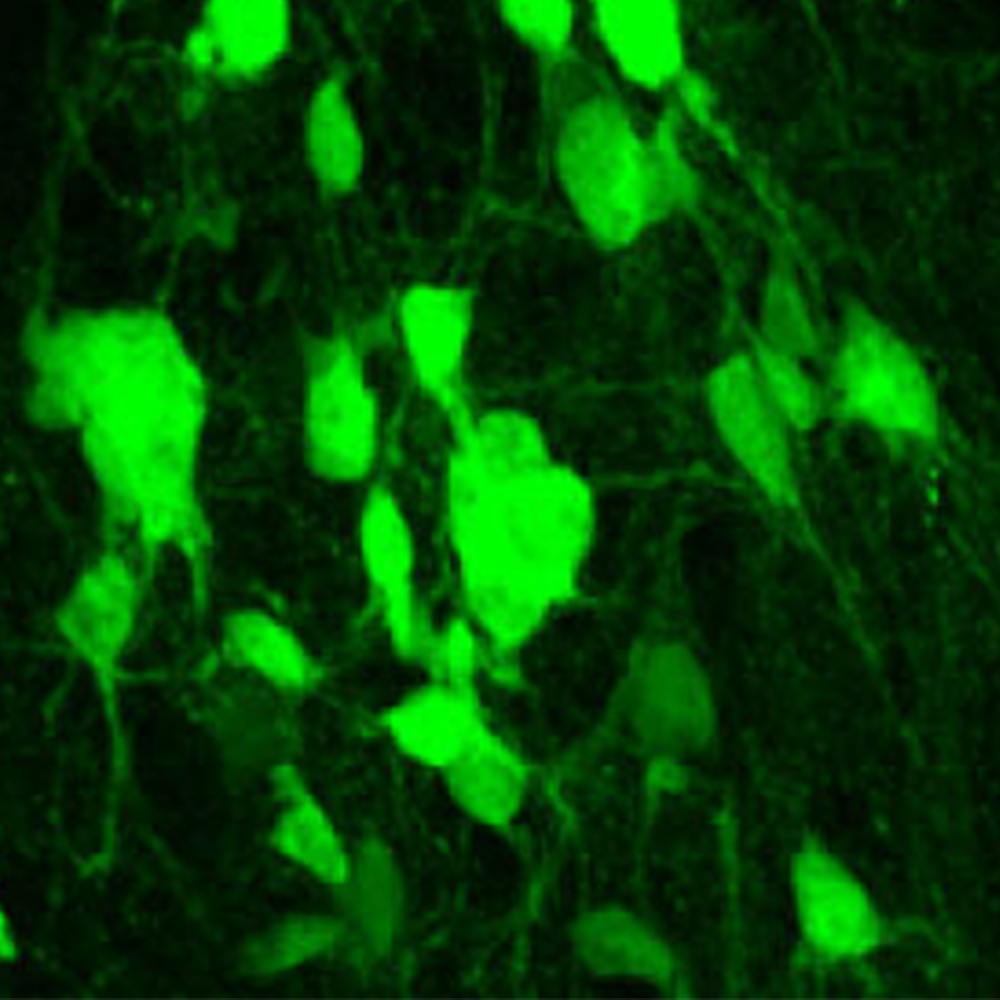
Using genetic engineering, researchers at UT Southwestern and Indiana University have reprogrammed scar-forming cells in mouse spinal cords to create new nerve cells, spurring recovery after spinal cord injury.