
Search
Two UT Southwestern researchers awarded HHMI Hanna H. Gray Fellowships: Newsroom - UT Southwestern, Dallas, Texas
https://www.utsouthwestern.edu/newsroom/articles/year-2023/sept-wells-ramos-hhmi.html
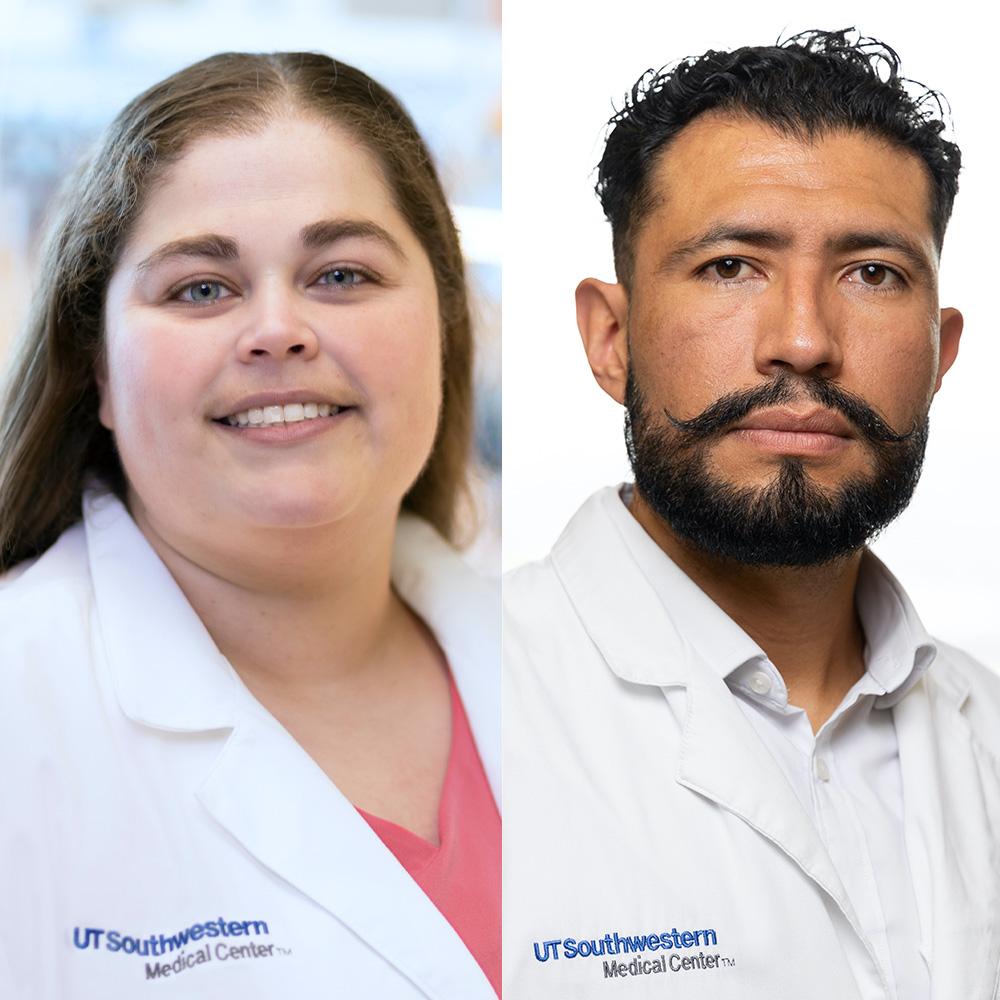
Two postdoctoral researchers at UT Southwestern Medical Center are among 25 early-career scientists nationwide selected as Howard Hughes Medical Institute (HHMI) Hanna H. Gray Fellows for 2023.
New drug combo could treat some resistant breast cancers: Newsroom - UT Southwestern, Dallas, Texas
https://www.utsouthwestern.edu/newsroom/articles/year-2023/aug-resistant-breast-cancers.html
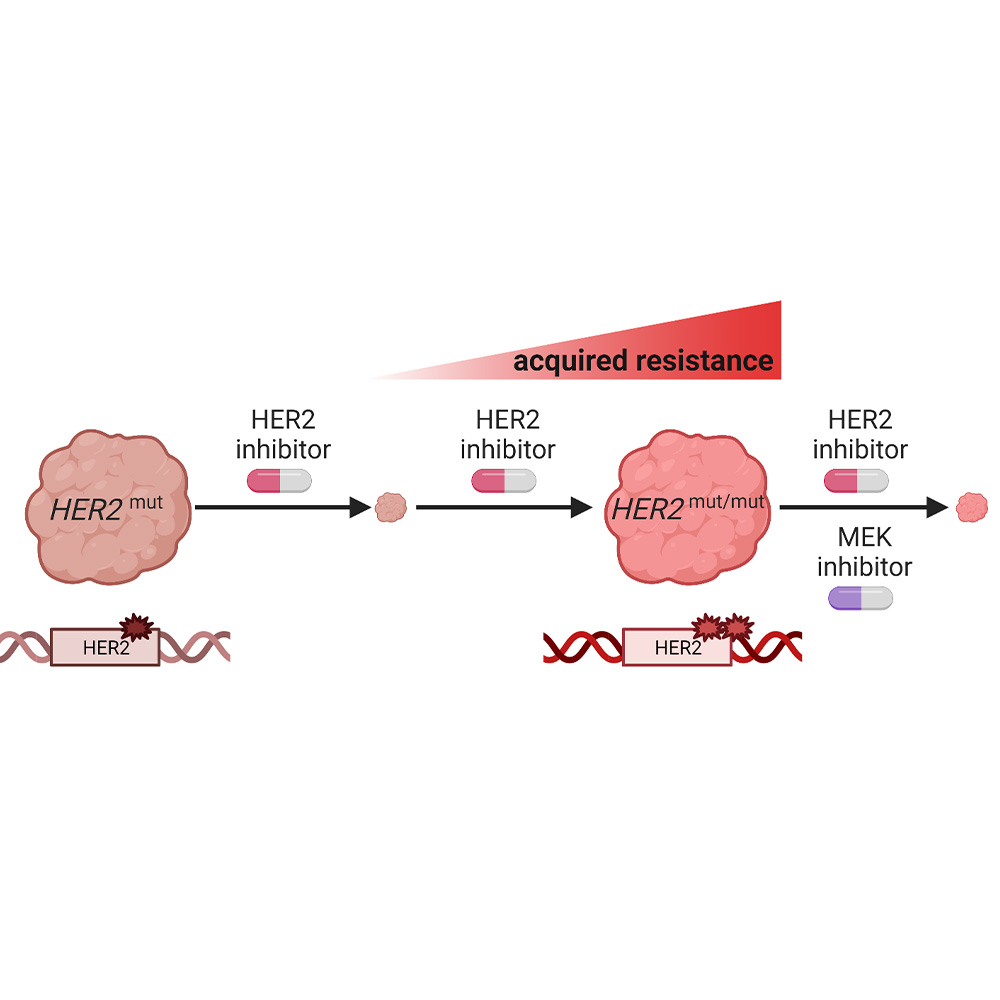
A novel combination of drugs successfully killed breast cells carrying double mutations in the HER2 gene that had rendered them resistant to a commonly used cancer therapy, a study led by UT Southwestern Medical Center researchers showed.
UT Southwestern’s Peter O’Donnell Jr. School of Public Health aspires to 'excellence for impact' : Newsroom - UT Southwestern, Dallas, Texas
https://www.utsouthwestern.edu/newsroom/articles/year-2023/june-sph-excellence-for-impact.html
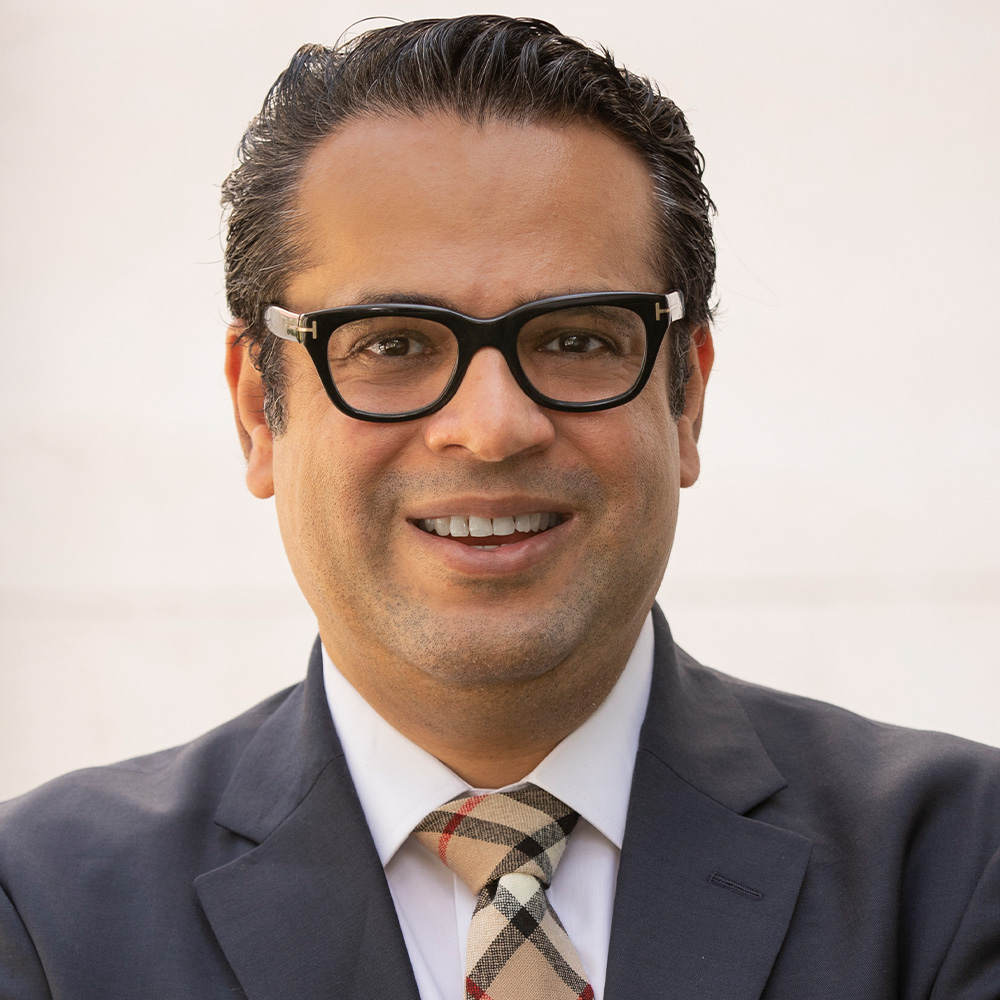
The Peter O’Donnell Jr. School of Public Health will strive to address the world’s most pressing public health problems through creative cross-disciplinary research and a focus on effecting change, said Saad B. Omer, M.B.B.S., M.P.H., Ph.D., who joined UT Southwestern Medical Center on June 1 as the school’s Founding Dean.
Study identifies characteristics specific to human brains: Newsroom - UT Southwestern, Dallas, Texas
https://www.utsouthwestern.edu/newsroom/articles/year-2023/aug-characteristics-human-brains.html
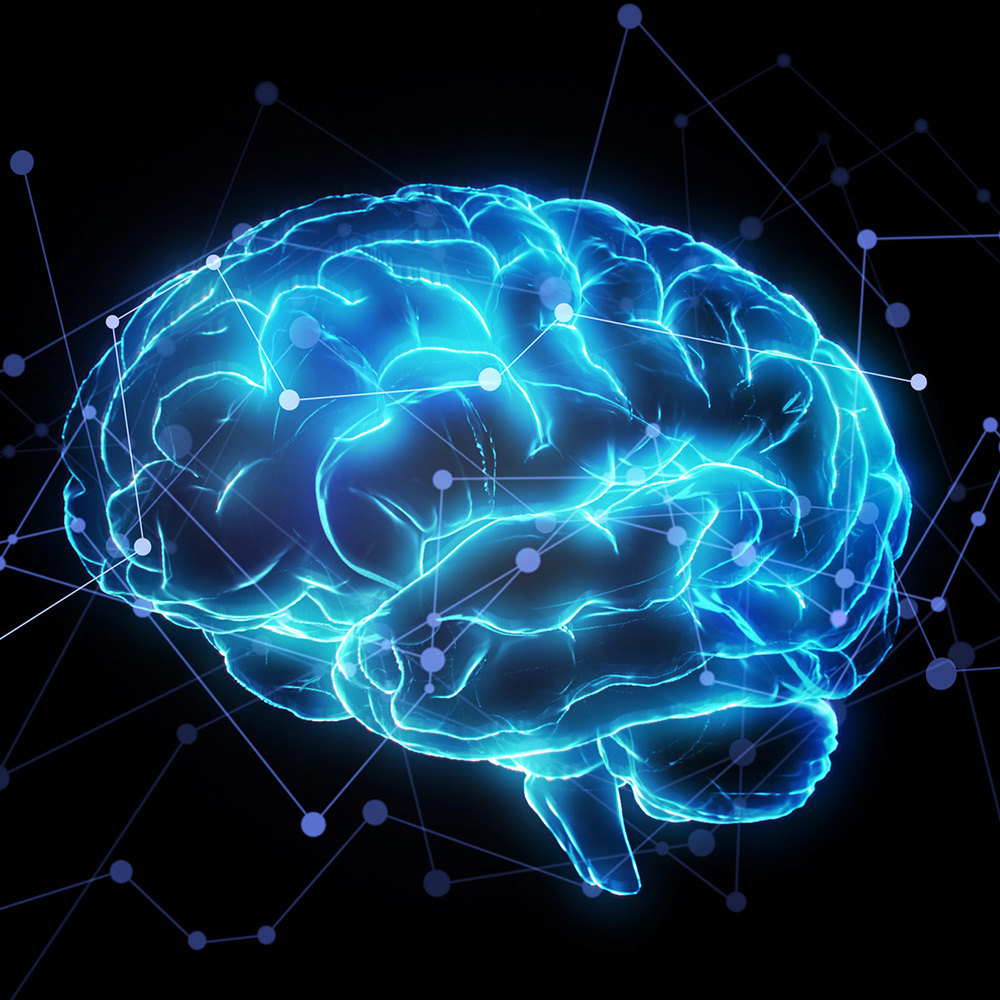
Researchers led by a team at UT Southwestern Medical Center have identified cellular and molecular features of the brain that set modern humans apart from their closest primate relatives and ancient human ancestors. The findings, published in Nature, offer new insights into human brain evolution.
Virtual reality tool helps UT Southwestern physicians learn to de-escalate tense situations: Newsroom - UT Southwestern, Dallas, Texas
https://www.utsouthwestern.edu/newsroom/articles/year-2023/january-virtual-reality-tool.html
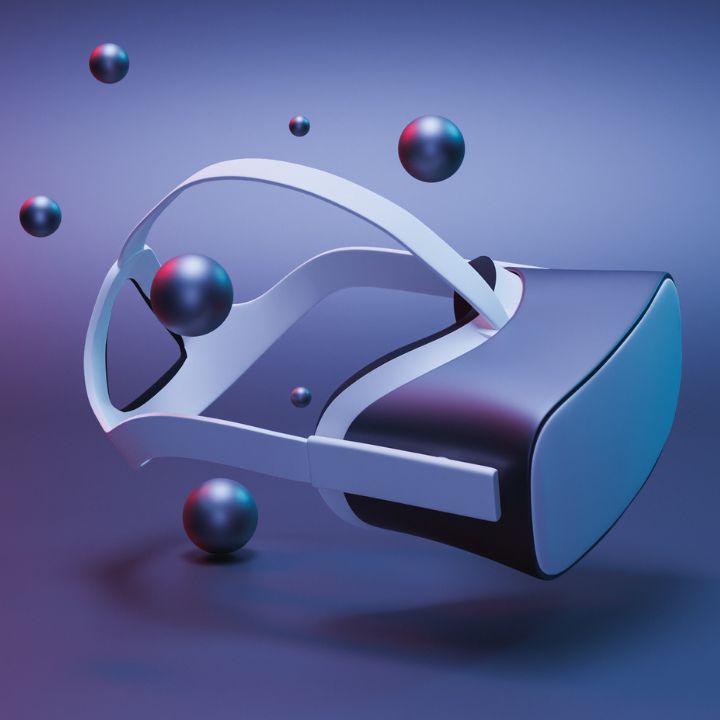
An innovative virtual reality (VR) training tool could soon play a major role in helping physicians recognize and respond to potentially violent patient encounters.
Protein inhibits development of COVID-19 in live animals: Newsroom - UT Southwestern, Dallas, Texas
https://www.utsouthwestern.edu/newsroom/articles/year-2023/july-covid-19-in-live-animals.html
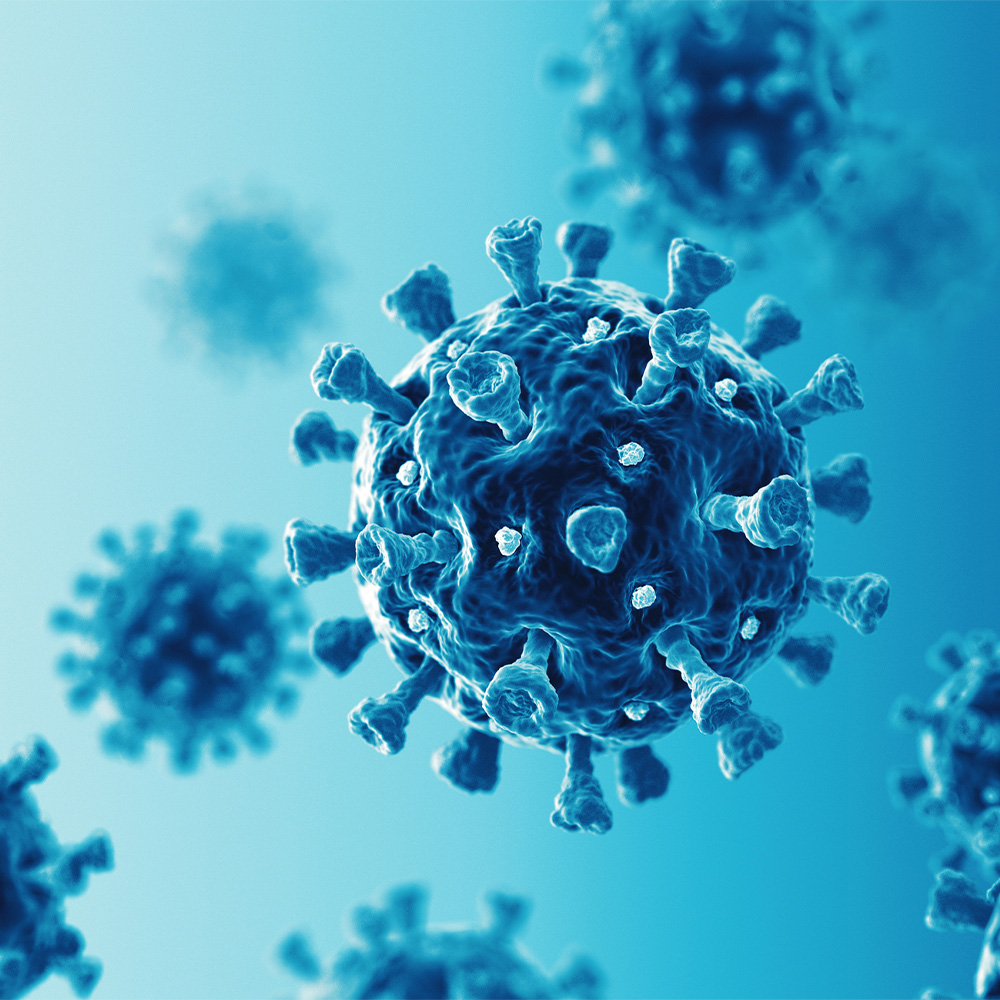
A mammalian protein previously shown by UT Southwestern microbiologists to inhibit the virus that causes COVID-19 in cell culture also protected live mouse models, significantly limiting infection in the lung cells and diminishing the symptoms.
Fish oil supplement claims often vague, not supported by data : Newsroom - UT Southwestern, Dallas, Texas
https://www.utsouthwestern.edu/newsroom/articles/year-2023/aug-fish-oil-supplement.html
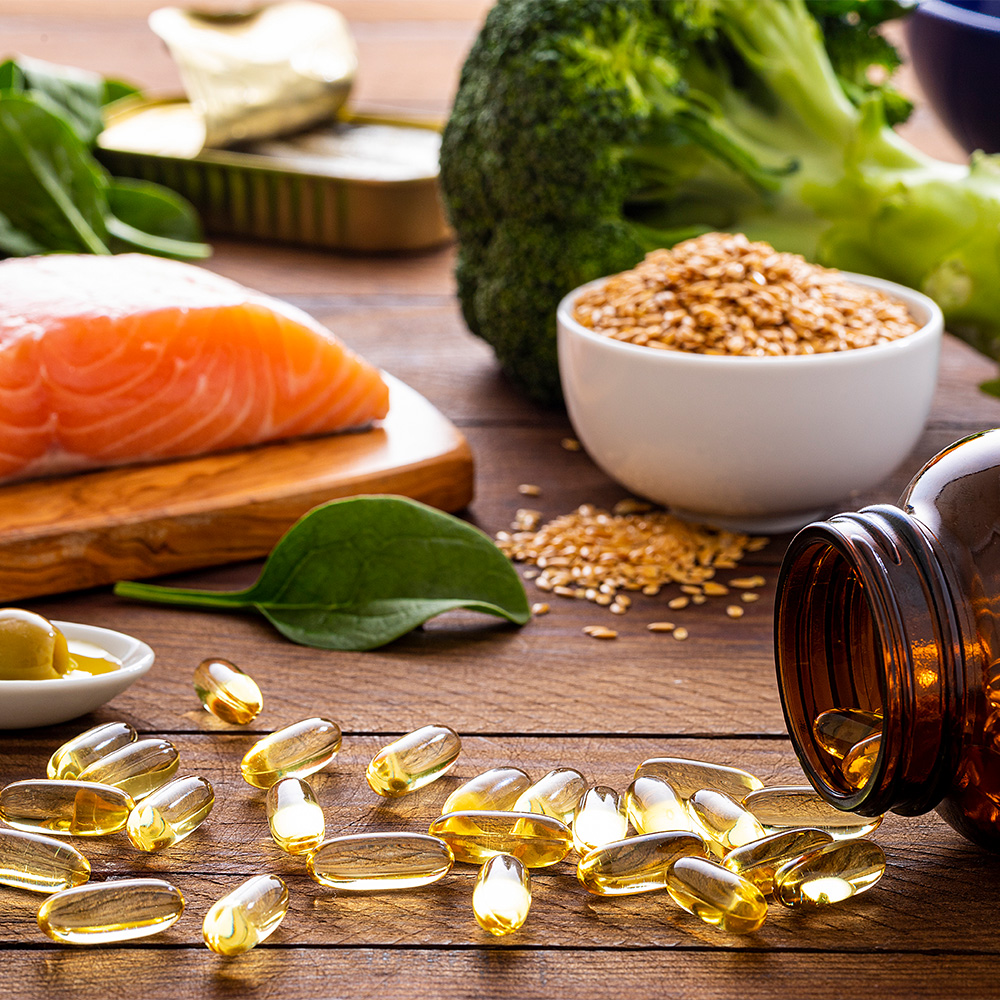
Your daily dose of omega-3s may not be doing what you think it is. Most fish oil supplements on the market today have labels boasting health benefits that aren’t supported by clinical data, according to a study published in JAMA Cardiology by researchers at UT Southwestern Medical Center.
Ethnic minorities face higher risk of liver transplant failure : Newsroom - UT Southwestern, Dallas, Texas
https://www.utsouthwestern.edu/newsroom/articles/year-2024/march-liver-transplant-failure.html
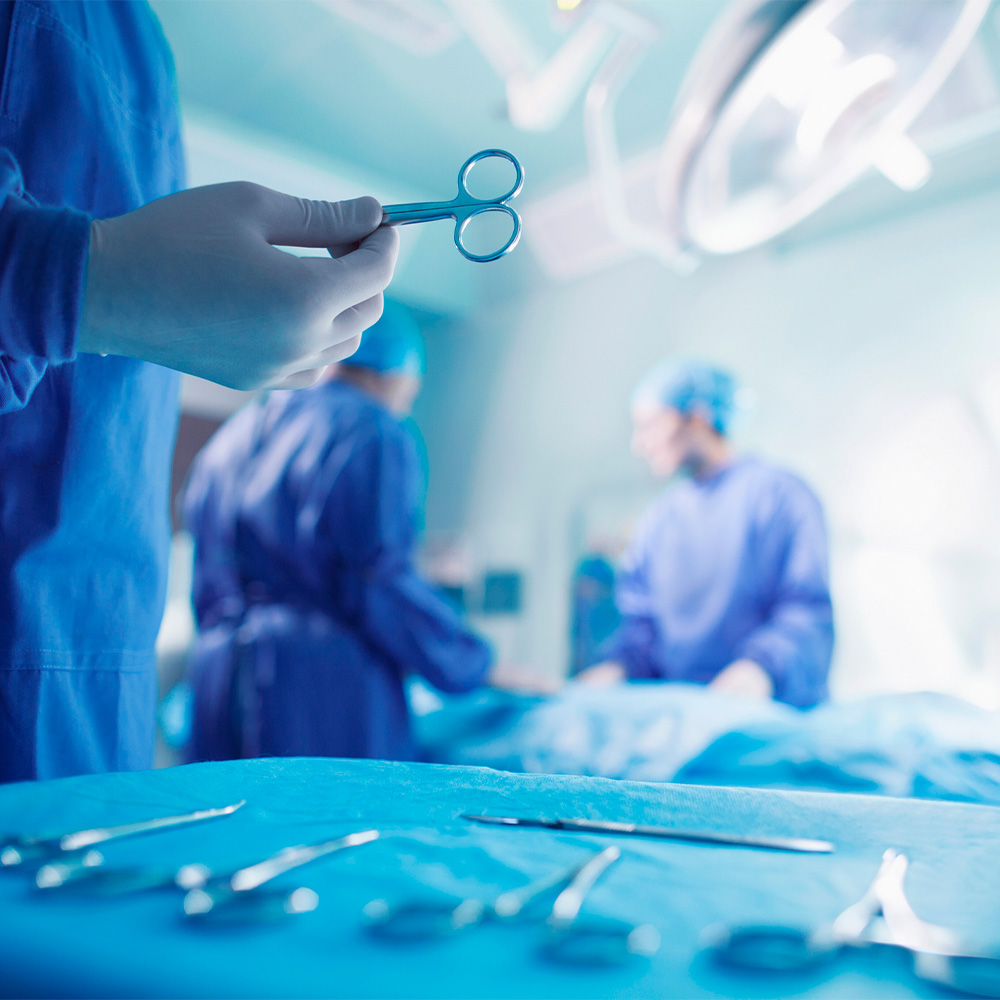
The risk of dying while waiting for a liver transplant or having a transplant fail for patients with alcohol-associated liver diseases is higher among racial and ethnic minorities, according to UT Southwestern Medical Center researchers.
Nanoparticles developed at UTSW effectively fight tumors: Newsroom - UT Southwestern, Dallas, Texas
https://www.utsouthwestern.edu/newsroom/articles/year-2024/march-nanoparticles-fight-tumors.html
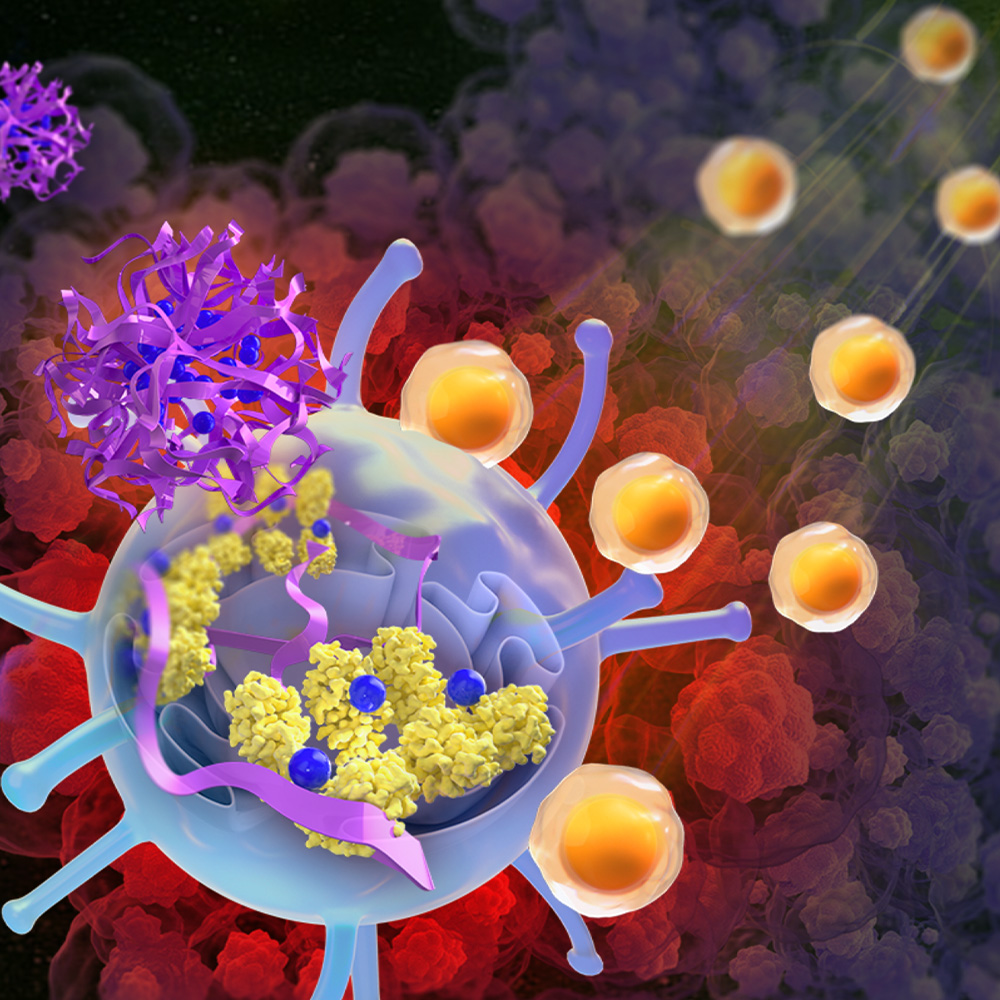
A nanoparticle-based therapy developed by UT Southwestern Medical Center scientists stimulated an immune pathway that eradicated tumors in mouse models of various cancer types.
UT Southwestern ophthalmologist shares techniques for cataract surgery complications : Newsroom - UT Southwestern, Dallas, Texas
https://www.utsouthwestern.edu/newsroom/articles/year-2023/january-cataract-surgery-complications.html
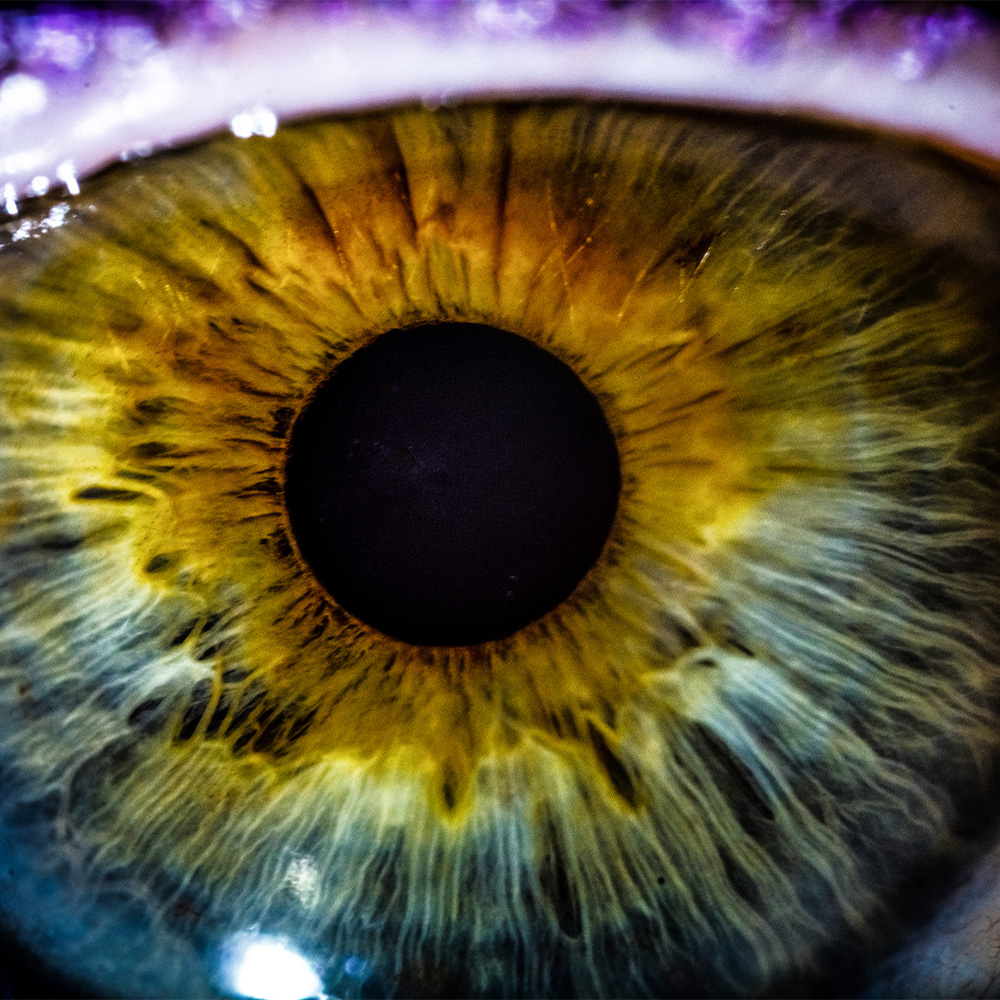
Patients undergoing cataract surgery typically have their natural lens replaced with an artificial intraocular lens (IOL). But complications occasionally arise that require the placement of a more surgically challenging secondary IOL.