
Search
Healthy gut bacteria can help fight cancer in other parts of the body, UTSW researchers find: Newsroom - UT Southwestern, Dallas, Texas
https://www.utsouthwestern.edu/newsroom/articles/year-2023/march-healthy-gut-bacteria.html
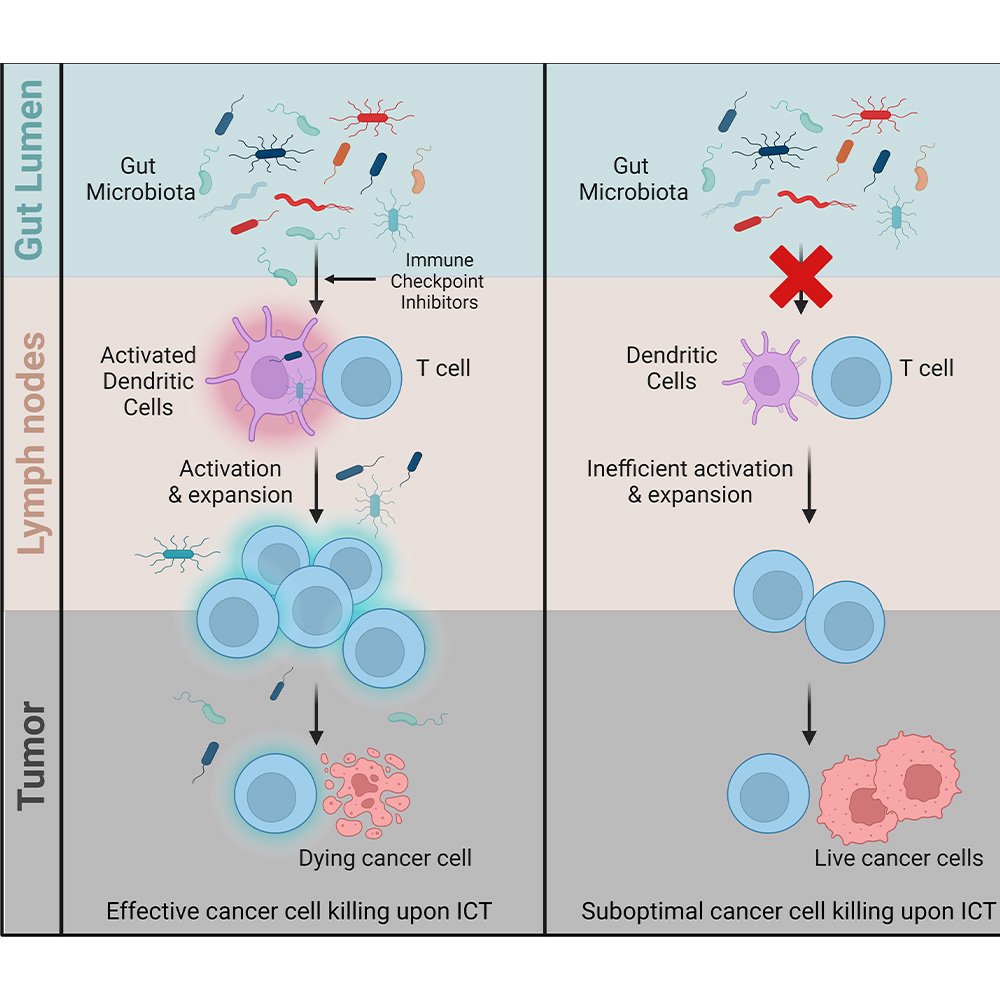
Researchers at UT Southwestern Medical Center have discovered how healthy bacteria can escape the intestine, travel to lymph nodes and cancerous tumors elsewhere in the body, and boost the effectiveness of certain immunotherapy drugs.
UT Southwestern researchers identify risk factors for unsuccessful bunion surgery: Newsroom - UT Southwestern, Dallas, Texas
https://www.utsouthwestern.edu/newsroom/articles/year-2023/january-unsuccessful-bunion-surgery.html
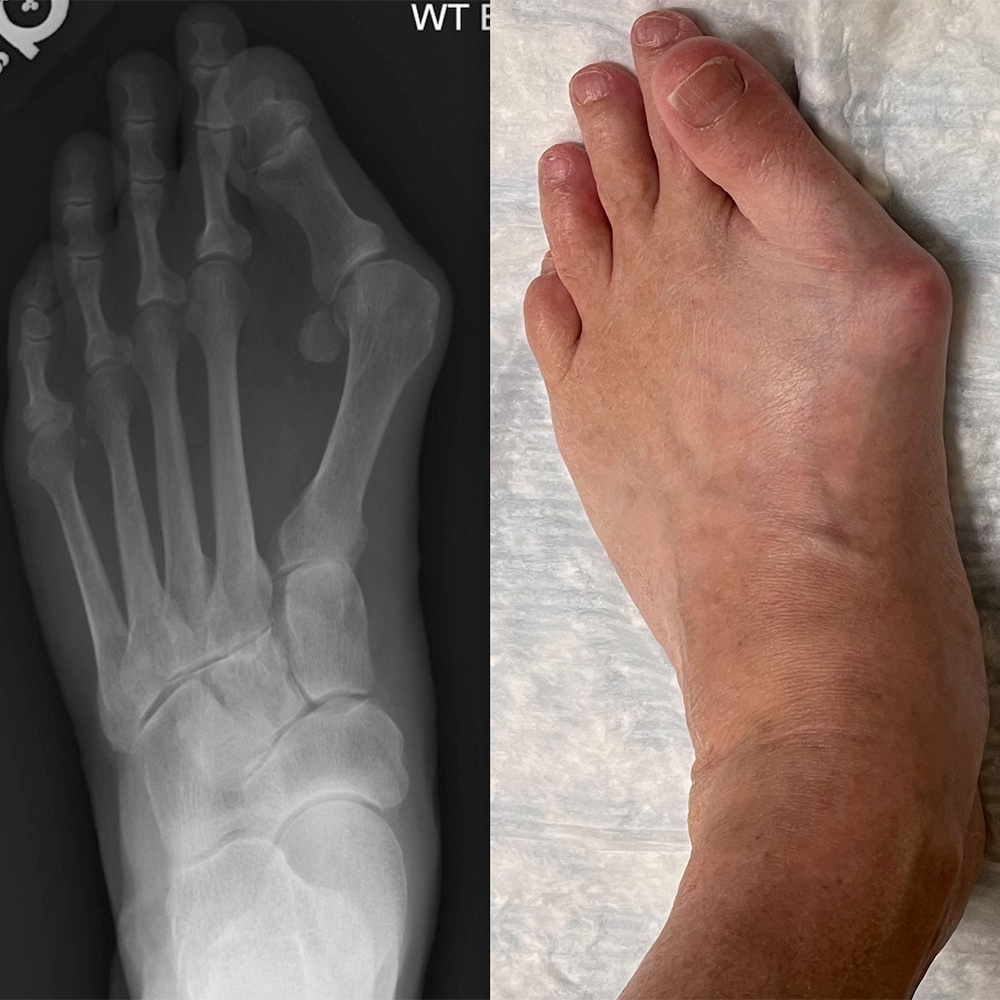
A study by UT Southwestern researchers has identified three factors that increase the risk that bunion surgery will fail to fix this painful foot condition.
Discovery clears hurdle in growing organs for transplants : Newsroom - UT Southwestern, Dallas, Texas
https://www.utsouthwestern.edu/newsroom/articles/year-2024/sept-growing-organs-for-transplants.html
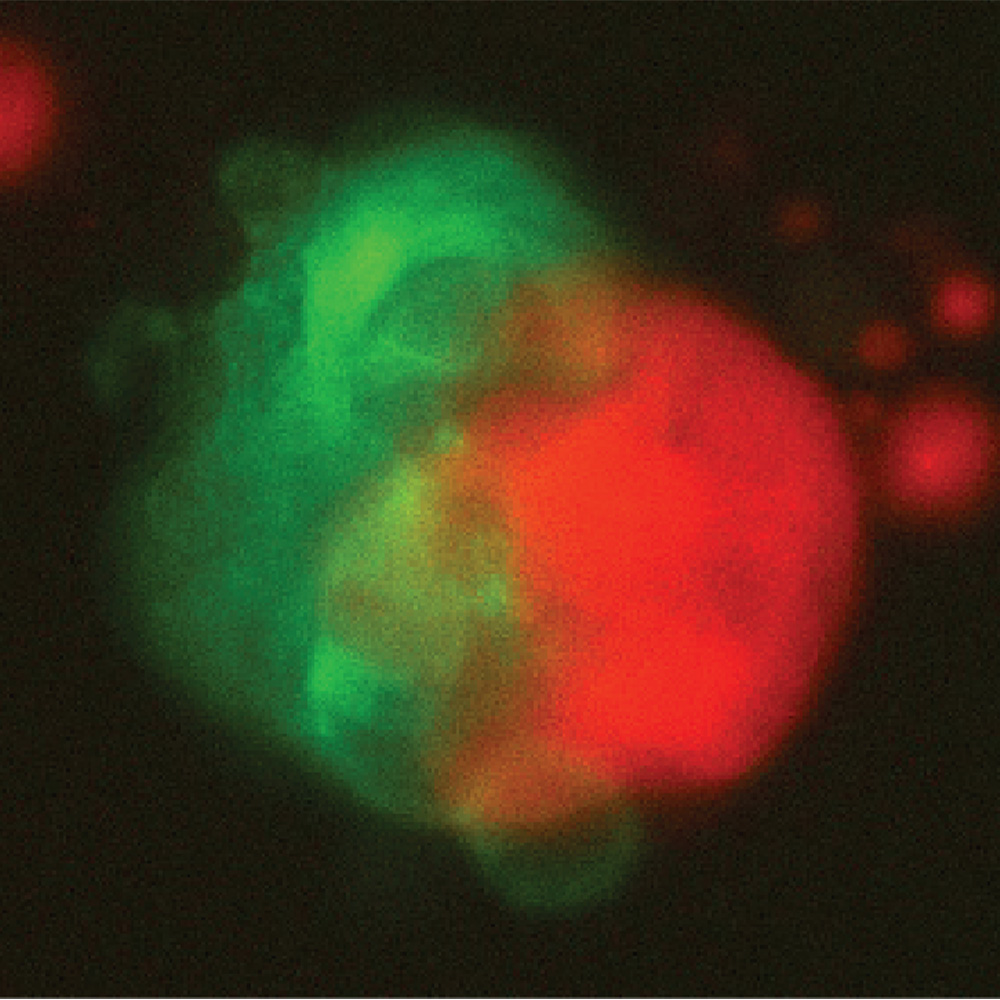
Genetically modifying cells from different species allows them to adhere to each other and grow together, UT Southwestern Medical Center researchers reported in a new study.
Early diagnosis of pelvic floor disorders key for health: Newsroom - UT Southwestern, Dallas, Texas
https://www.utsouthwestern.edu/newsroom/articles/year-2023/july-pelvic-floor-disorders.html

Pelvic floor disorders (PFDs), which occur when women’s pelvic floor muscles are weakened or injured, significantly affect quality of life and require surgery for hundreds of thousands in the U.S. each year. Now a study led by UT Southwestern Medical Center researchers has found a noninvasive test that could identify women at risk for these conditions and improve treatment.
Food-as-medicine trial shows promise for heart failure patients: Newsroom - UT Southwestern, Dallas, Texas
https://www.utsouthwestern.edu/newsroom/articles/year-2026/april-food-as-medicine-trial.html

A clinical trial led by UT Southwestern Medical Center researchers demonstrates that providing healthy food directly to patients recovering from heart failure is feasible and well accepted – and could improve quality of life – helping build a foundation for larger studies exploring food as a component of medical care.
UT Southwestern Q&A: What is stress and how can we manage it?: Newsroom - UT Southwestern, Dallas, Texas
https://www.utsouthwestern.edu/newsroom/articles/year-2023/oct-q-a-stress-management.html

Everyone experiences stress from time to time. And while brief bouts can be a good thing, prolonged or chronic stress can have negative effects on your overall health.
Tips to protect your skin from the sun’s damaging rays: Newsroom - UT Southwestern, Dallas, Texas
https://www.utsouthwestern.edu/newsroom/articles/year-2023/july-suns-damaging-rays.html

With the increase in outdoor activities during the summer, a UT Southwestern Medical Center cancer specialist reminds you to protect your skin from sun damage.
Most pancreatic cancer patients don’t get lifesaving surgery: Newsroom - UT Southwestern, Dallas, Texas
https://www.utsouthwestern.edu/newsroom/articles/year-2023/july-pancreatic-cancer-patients.html
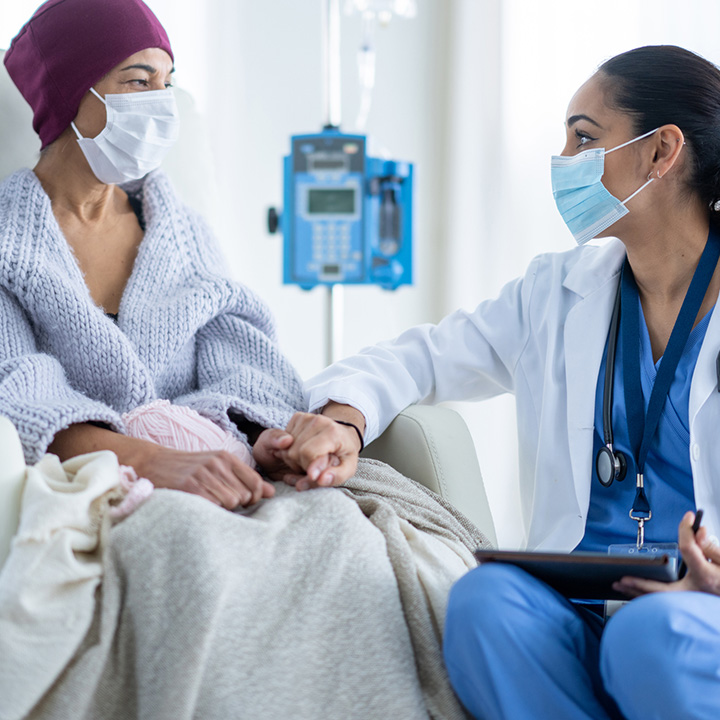
Only 22% of Texas patients with early-stage pancreatic cancer received standard-of-care surgery to remove their tumors, researchers at UT Southwestern Medical Center report in a new study.
Team discovers broken ‘brake' of cancer mutation machine: Newsroom - UT Southwestern, Dallas, Texas
https://www.utsouthwestern.edu/newsroom/articles/year-2023/aug-mutation-machine-for-cancers.html
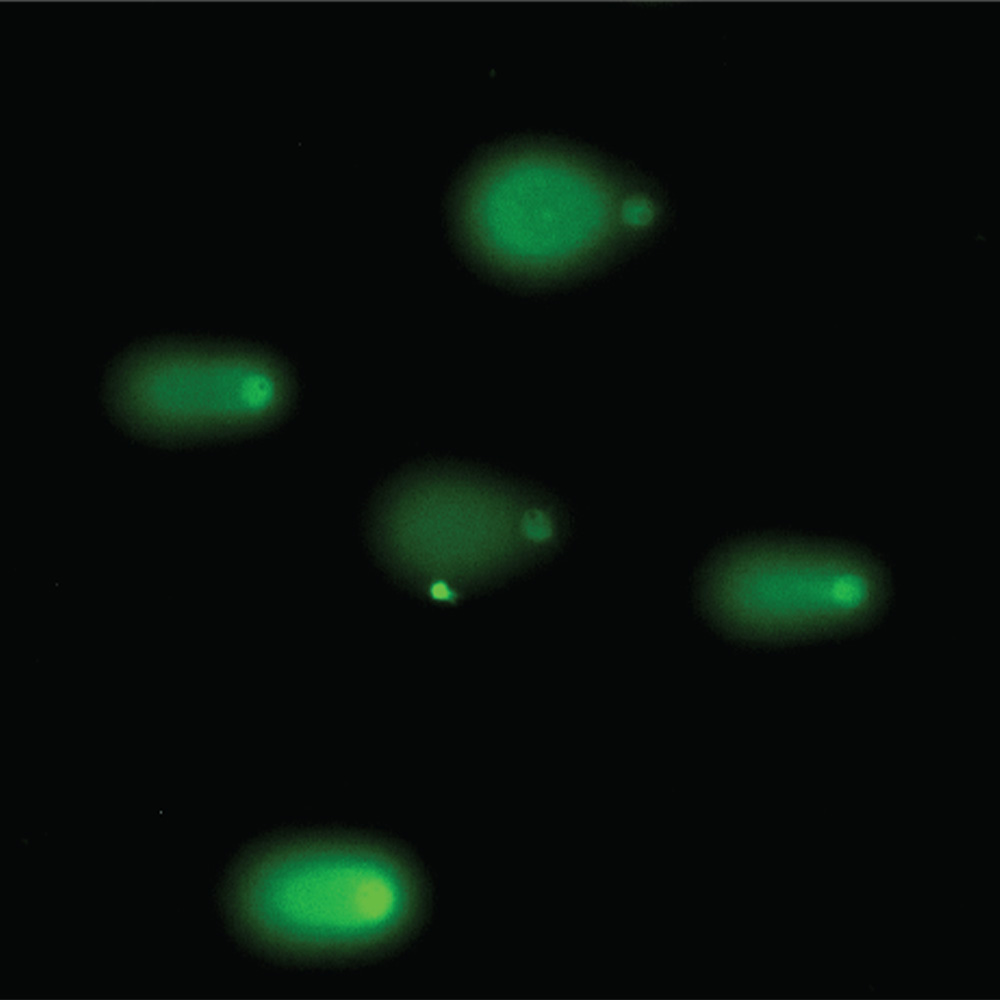
Loss of a gene known as SYNCRIP in prostate cancer tumors unleashes cellular machinery that creates random mutations throughout the genome that drive resistance to targeted treatments, a team led by UT Southwestern Medical Center researchers discovered.
Physician-scientist receives national Cancer Moonshot award: Newsroom - UT Southwestern, Dallas, Texas
https://www.utsouthwestern.edu/newsroom/articles/year-2023/aug-cancer-moonshot-award.html
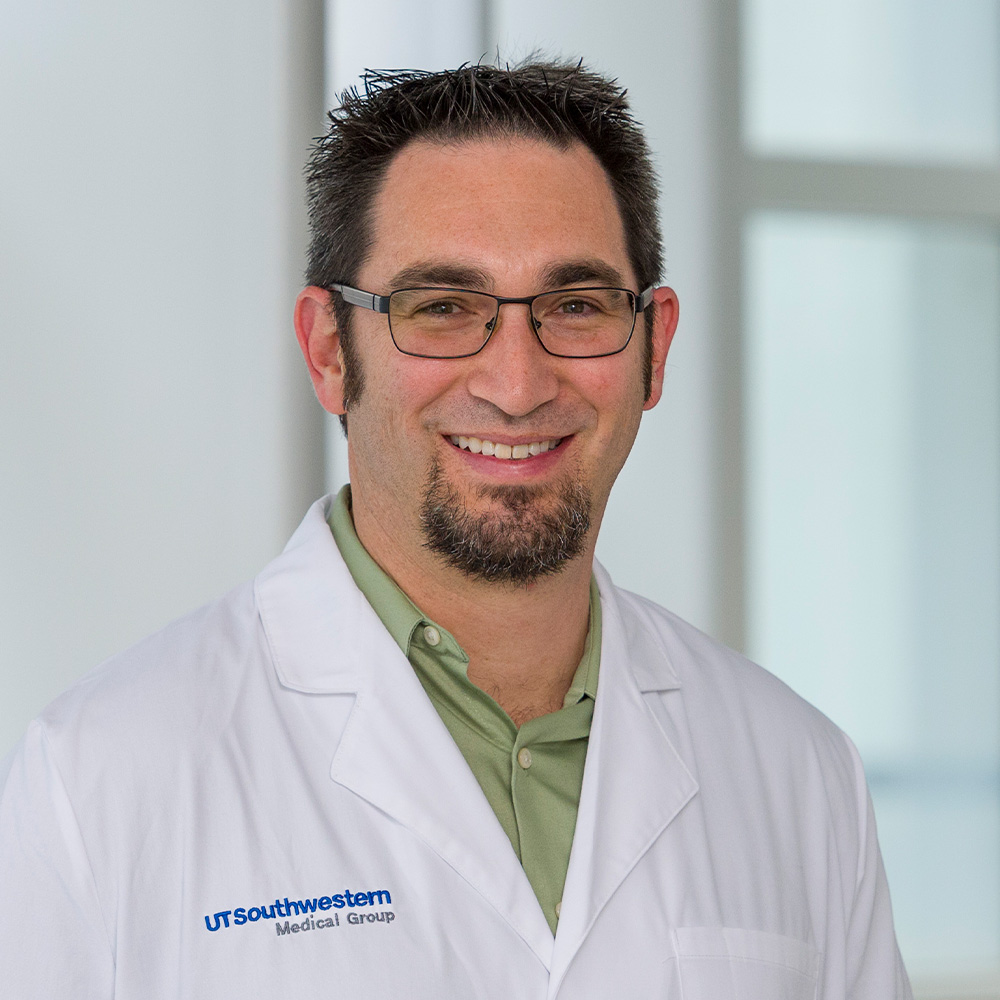
Todd Aguilera, M.D., Ph.D., Assistant Professor of Radiation Oncology and member of the Experimental Therapeutics Program in the Harold C. Simmons Comprehensive Cancer Center at UT Southwestern Medical Center, has been named one of 11 inaugural Cancer Moonshot Scholars. The national program recognizes a cohort of early-career investigators from underrepresented groups who have been identified as emerging leaders in cancer research and innovation.