
Search
Building a better breast: Newsroom - UT Southwestern, Dallas, Texas
https://www.utsouthwestern.edu/newsroom/articles/year-2020/building-better-breast.html
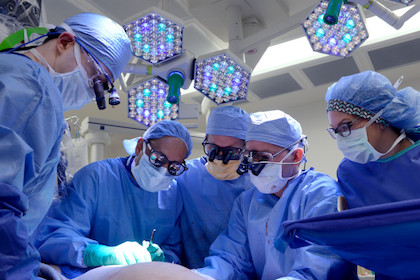
Surgeons at UT Southwestern have developed a process to determine the best approach for single breast reconstruction.
UT Southwestern nearly doubles lifespan of mice with brain cancer: Newsroom - UT Southwestern, Dallas, Texas
https://www.utsouthwestern.edu/newsroom/articles/year-2020/brain-cancer.html
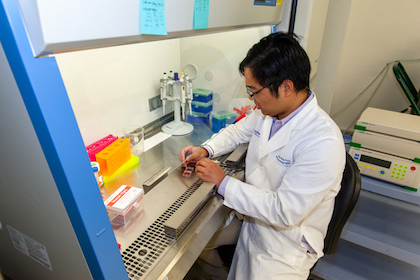
UT Southwestern Simmons Cancer Center researchers have developed technology that is spawning a much better form of drug delivery for gene therapy and has achieved a 43 percent increase in the survival of mice with glioblastoma, one of the deadliest forms of human brain cancer.
UTSW introduces single-port robotic surgery for lung cancer: Newsroom - UT Southwestern, Dallas, Texas
https://www.utsouthwestern.edu/newsroom/articles/year-2026/june-lobectomy.html
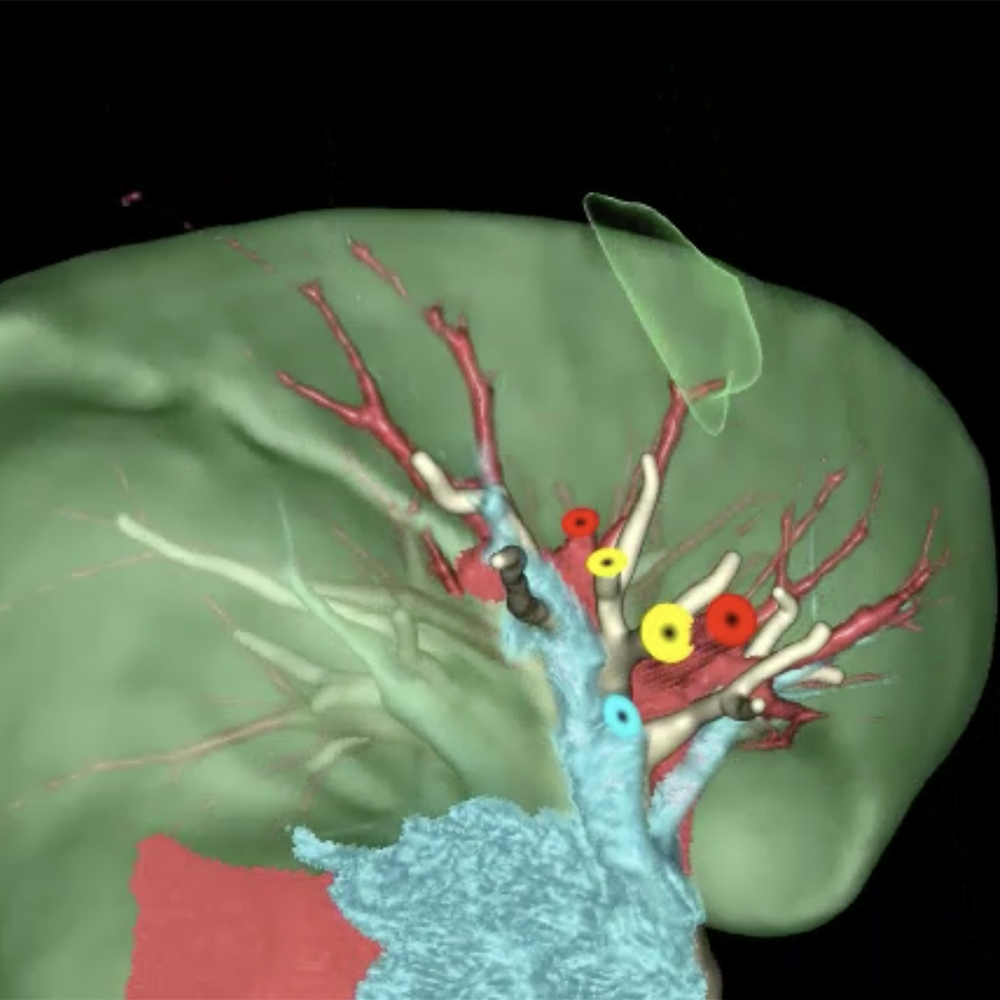
A team at UT Southwestern Medical Center is the first in North Texas to offer single-port robotic-assisted thoracoscopic lobectomy, a minimally invasive procedure for select patients with early-stage lung cancer.
COVID-19 pandemic linked to increases in childhood obesity: Newsroom - UT Southwestern, Dallas, Texas
https://www.utsouthwestern.edu/newsroom/articles/year-2025/dec-covid-19-pandemic-childhood-obesity.html
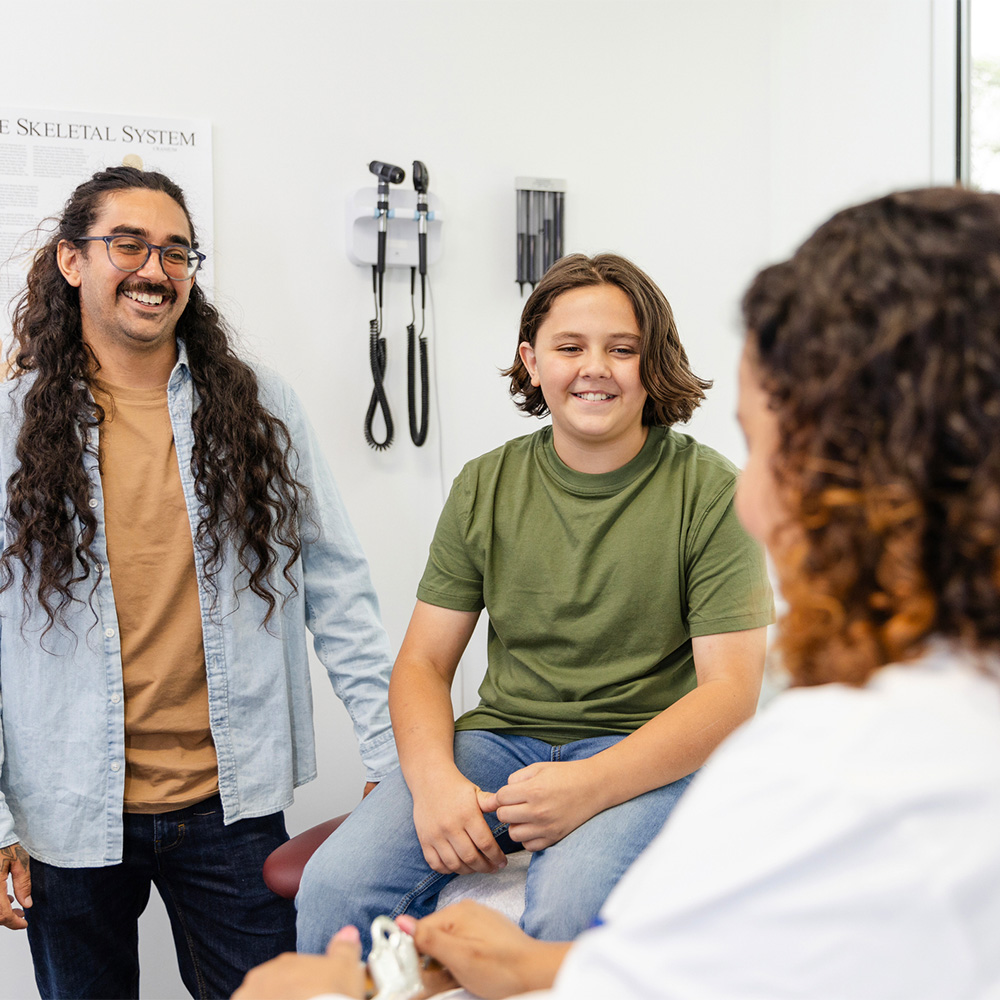
The COVID-19 pandemic not only disrupted children’s education, recreation, and social lives, it also increased the prevalence of obesity in the U.S. pediatric population by roughly 1 million youngsters, according to a study led by UT Southwestern Medical Center researchers.
How to talk to children who have experienced traumatic events: Newsroom - UT Southwestern, Dallas, Texas
https://www.utsouthwestern.edu/newsroom/articles/year-2025/aug-children-traumatic-events.html
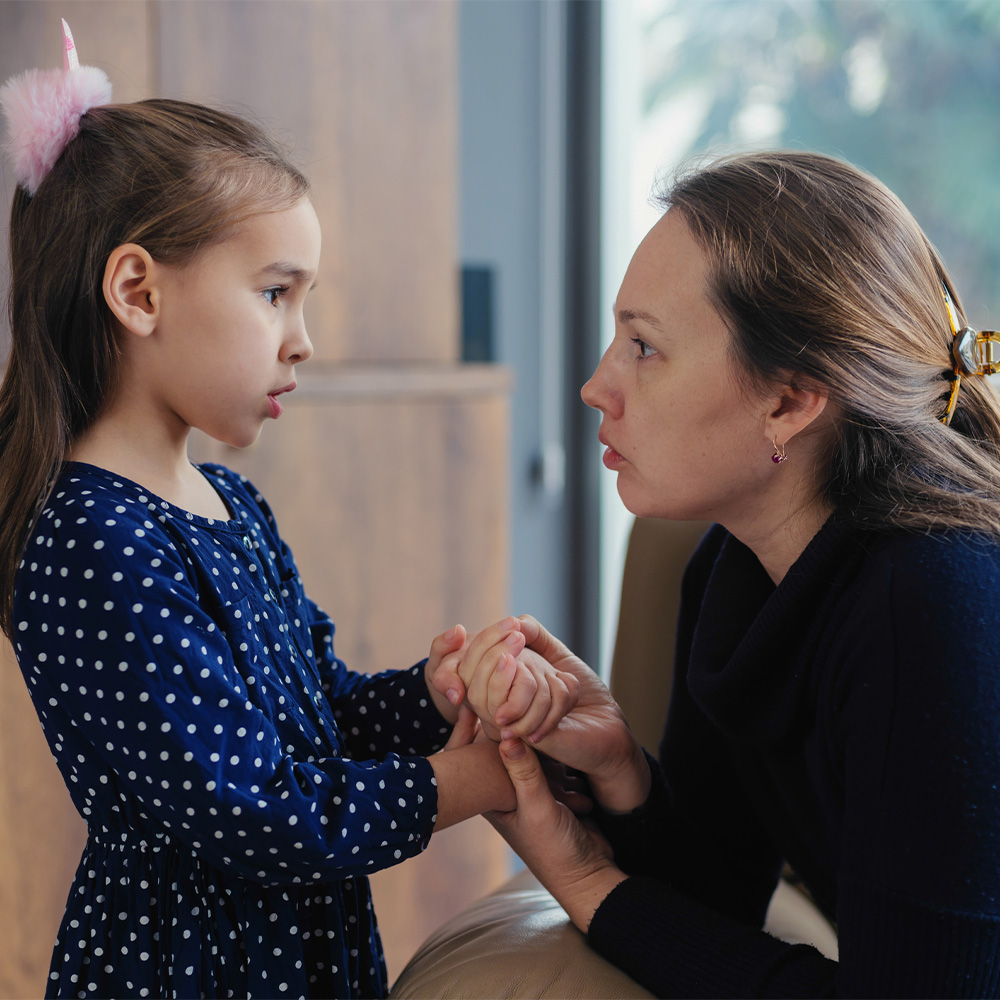
More than two-thirds of 16-year-olds today have been through a traumatic event, such as the Central Texas flooding in July that killed over 130 people, including numerous children at summer camp.
Study sheds light on cilia’s function in cells, role in diseases : Newsroom - UT Southwestern, Dallas, Texas
https://www.utsouthwestern.edu/newsroom/articles/year-2025/july-light-on-cilias-function.html
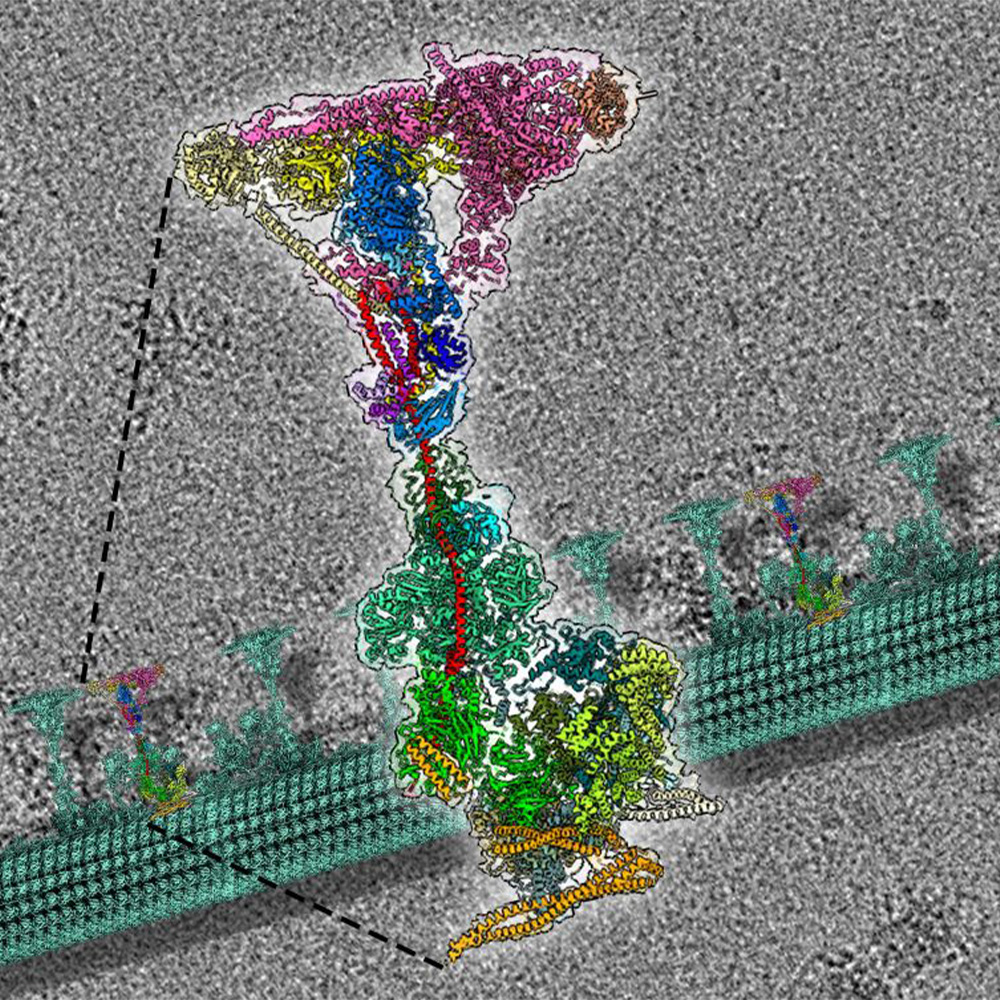
A team led by UT Southwestern Medical Center researchers has uncovered the atomic structure of a protein complex pivotal to the function of motile cilia, the hair-like structures extending from the surfaces of many cell types that generate their movement.
Ridding cells of mitochondria sheds light on their function: Newsroom - UT Southwestern, Dallas, Texas
https://www.utsouthwestern.edu/newsroom/articles/year-2025/july-ridding-cells-mitochondria.html
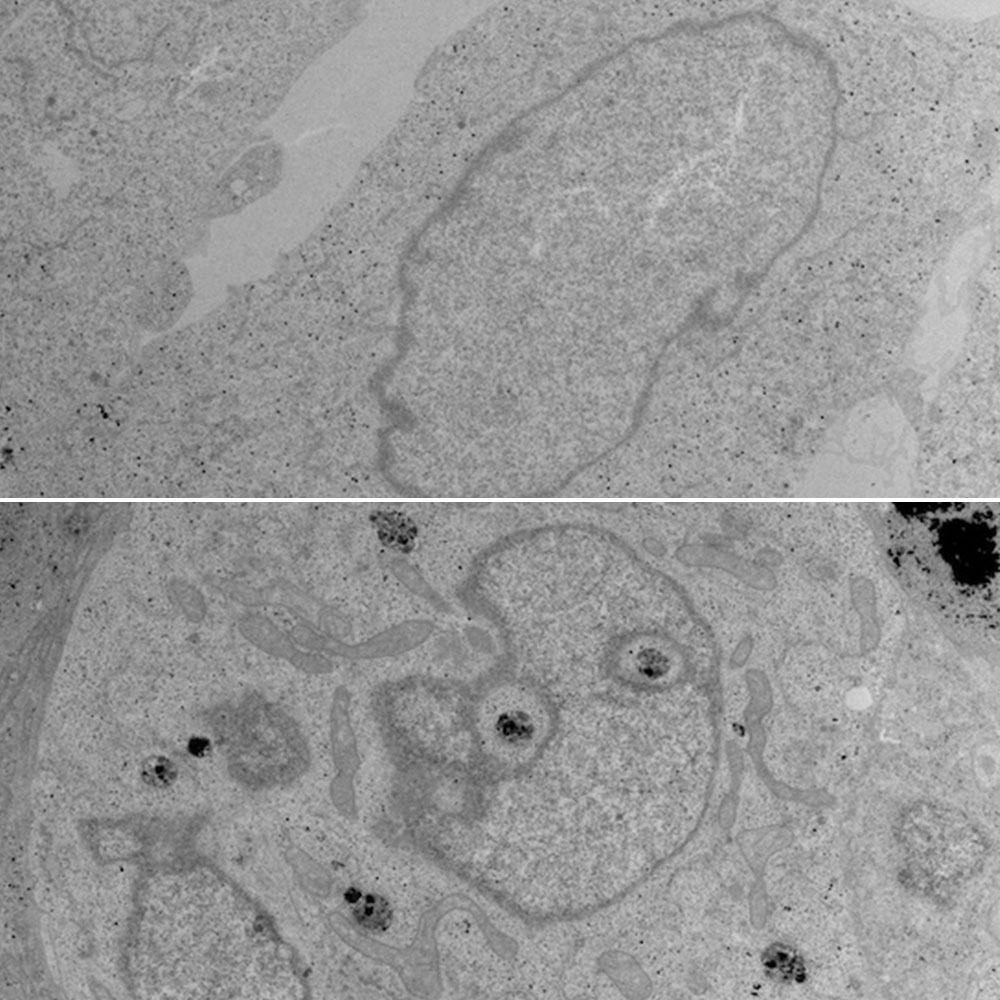
By using a genetic technique they developed that forces cells to rid themselves of mitochondria, UT Southwestern Medical Center researchers are gaining new insights into the function of these critical organelles.
UT Southwestern is best hospital in DFW for ninth straight year: Newsroom - UT Southwestern, Dallas, Texas
https://www.utsouthwestern.edu/newsroom/articles/year-2025/july-usnwr-best-hospital.html

UT Southwestern Medical Center is the No. 1 hospital in Dallas-Fort Worth for the ninth consecutive year and ranks among the nation’s top hospitals for care in 12 specialties – the most of any hospital in Texas, according to U.S. News & World Report’s annual Best Hospitals list released today.
Two UT Southwestern scientists named Clarivate Citation Laureates : Newsroom - UT Southwestern, Dallas, Texas
https://www.utsouthwestern.edu/newsroom/articles/year-2025/sept-clarivate-citation-laureates.html
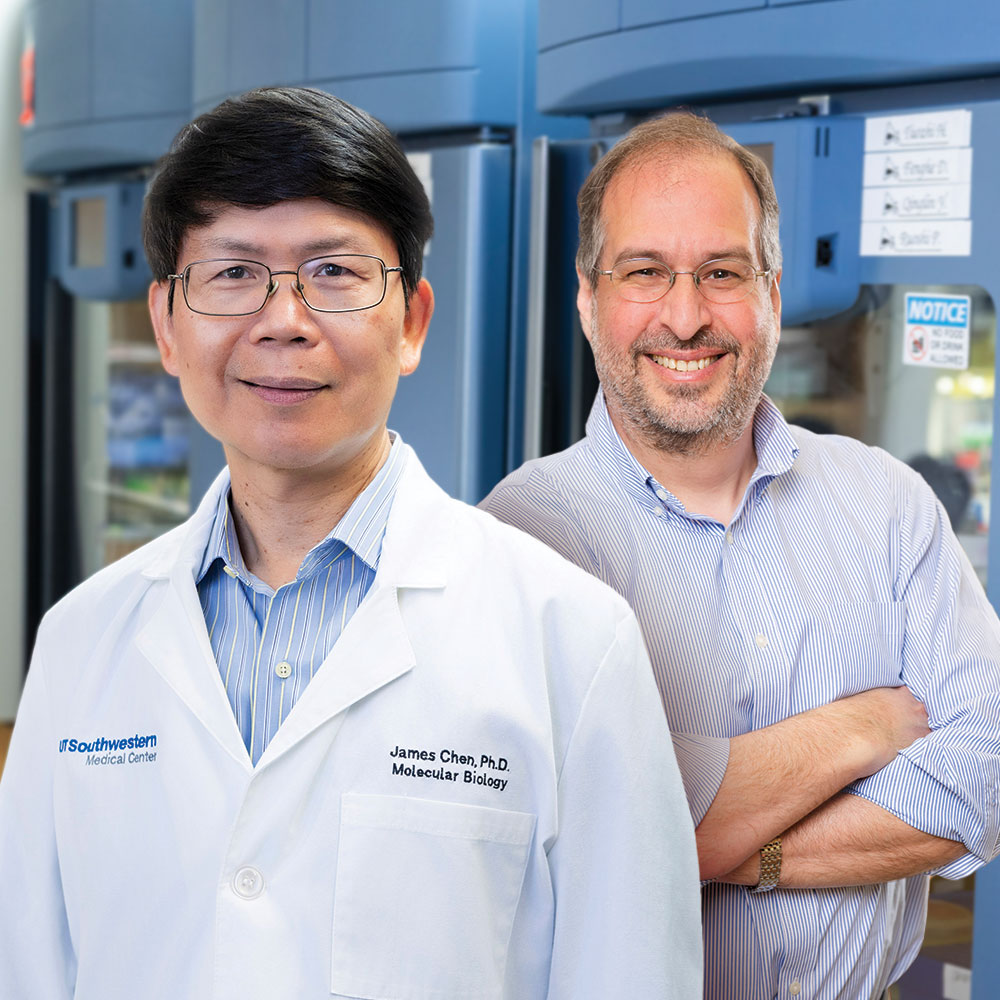
Two UT Southwestern Medical Center scientists – Zhijian “James” Chen, Ph.D., Professor of Molecular Biology and Director of the Center for Inflammation Research, and Michael Rosen, Ph.D., Chair and Professor of Biophysics – have been selected as 2025 Citation Laureates in recognition of work deemed by Clarivate to be of the highest impact.
Neurons in brain’s timekeeper might control nighttime hunger: Newsroom - UT Southwestern, Dallas, Texas
https://www.utsouthwestern.edu/newsroom/articles/year-2025/oct-neurons-brain-timekeeper.html
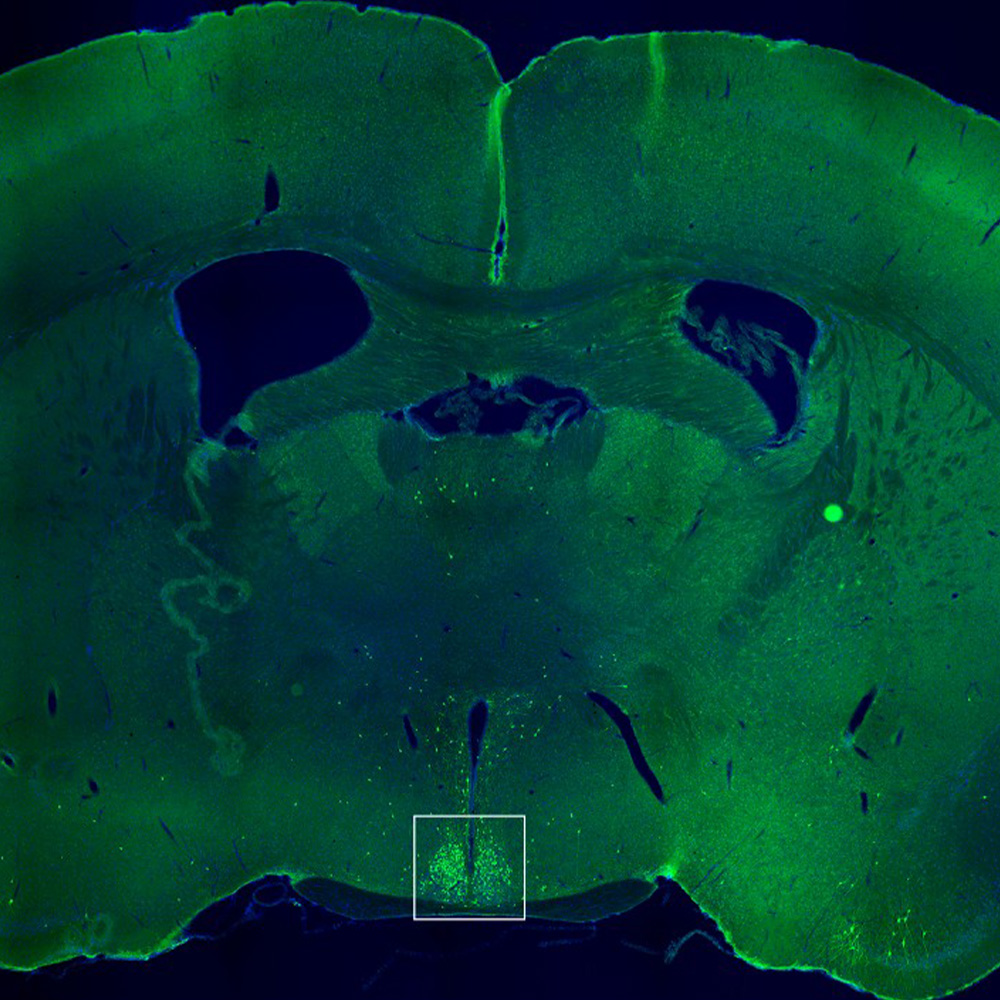
Activating specific neurons in a part of the brain that serves as the body’s master circadian pacemaker caused mice to eat significantly more during a time of day when they would normally be at rest, a UT Southwestern Medical Center study shows.