
2026 Article Archive

Neurosteroid offers clues to brain changes linked to depression
UT Southwestern Medical Center researchers and colleagues, including two at UT Dallas, have found evidence that pregnenolone may alter patterns of communication between key brain regions involved in depression and cognitive control.
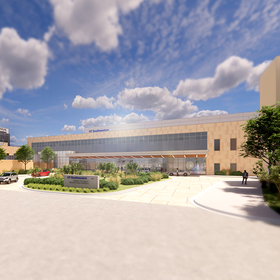
Radiation Oncology campus in Fort Worth marks construction milestone
Fort Worth took a major step forward today toward a new era in advanced cancer care as UT Southwestern and community leaders gathered to celebrate the placing of the final beam atop the $177 million Radiation Oncology campus rising in the city’s Medical District.

Don’t let holiday travel make you sick: 10 tips for a healthier trip
Thanksgiving and the winter holidays bring with them some of the busiest travel days of the year, and while it’s a festive time for families and other loved ones, it can also create problems for your health.

Which doctor and clinic a patient chooses is key to cancer clinical trial enrollment
Physician and oncology practice factors have greater influence over who gets enrolled in advanced cancer clinical trials than measured patient characteristics.
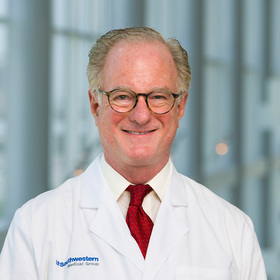
Joseph Hill, M.D., Ph.D., receives two American Heart Association awards
Joseph Hill, M.D., Ph.D., Professor of Internal Medicine in the Division of Cardiology and Professor of Molecular Biology at UT Southwestern Medical Center, has received two awards from the American Heart Association (AHA).

Single-pill combination helps more patients control hypertension
An innovative robotic device inspired by snake movement could someday help gastroenterologists diagnose and treat inflammatory bowel disease (IBD) and other disorders of the small intestine and remove small polyps while reducing trauma to the organ’s delicate tissues.
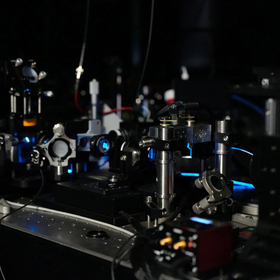
New 3D microscope packs many imaging tools into one system
An international team of researchers led by UT Southwestern Medical Center has developed a versatile light-sheet microscope that captures 3D views of biological samples, from activity inside living cells to larger tissues.
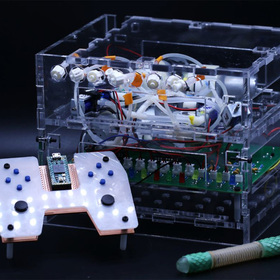
Robot could improve diagnosis, treatment of small intestine disorders
An innovative robotic device inspired by snake movement could someday help gastroenterologists diagnose and treat inflammatory bowel disease (IBD) and other disorders of the small intestine and remove small polyps while reducing trauma to the organ’s delicate tissues.
Artificial intelligence-enabled triage tools may reflect human biases
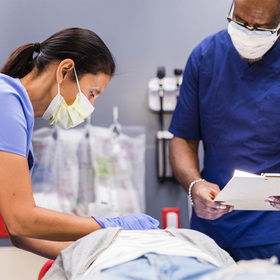
Artificial intelligence (AI)-driven tools used in emergency triage may be susceptible to the same clinical stigmas associated with human assessments, researchers at UT Southwestern Medical Center reported in a study published in npj Digital Medicine.
Targeted radiation shows promise for life-threatening kidney cancer complication
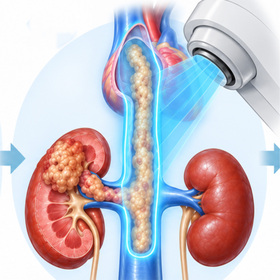
When Diane Gentry, a 71-year-old retiree from Watauga, Texas, was diagnosed with stage 4 kidney cancer in 2015, she learned the tumor had grown into her inferior vena cava, the body’s largest vein. This potentially life-threatening complication can require extensive surgery and carries a high risk of cancer recurrence.