
2026 Article Archive

New pediatric campus in Dallas reaches major construction milestone
Watching the new pediatric campus created by Children’s Health and UT Southwestern Medical Center rise in Dallas’ Southwestern Medical District holds special meaning for Cameron Strother.
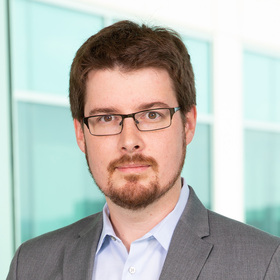
UTSW spinoff receives $2.6 million CPRIT grant to develop novel cancer immunotherapy
MusiQ Bio, a biotech startup created to advance an anticancer technology developed at UT Southwestern Medical Center, has been awarded a $2.59 million grant from the Cancer Prevention and Research Institute of Texas (CPRIT).
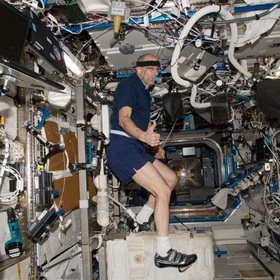
Exercise keeps astronauts’ hearts strong enough for flight to Mars
Intense exercise during long spaceflights helps to maintain heart structure and function within a range needed to tolerate the low-gravity environment of Mars, a study co-led by a UT Southwestern Medical Center researcher suggests.
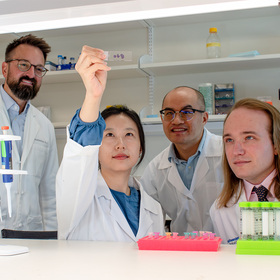
Scientists discover metabolite fueling aggressive brain tumor growth
Virtually all high-grade, aggressive gliomas in adults accumulate massive amounts of a metabolite called guanidinoacetate (GAA) that overstimulates nearby neurons and promotes tumor growth, according to new research from scientists at Children’s Medical Center Research Institute at UT Southwestern (CRI) published today in Cell.
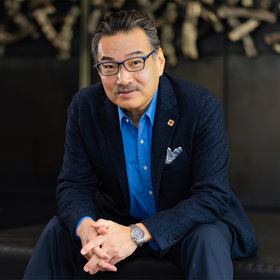
Masashi Yanagisawa, M.D., Ph.D., receives Lasker Award for discovery that transformed narcolepsy care
The Lasker Foundation has announced that UT Southwestern sleep researcher Masashi Yanagisawa, M.D., Ph.D., is a recipient of the 2026 Albert Lasker Basic Medical Research Award for his discovery of orexin, a brain peptide that maintains wakefulness, and demonstration that the absence of its action is responsible for narcolepsy, a profound disorder of sleep.
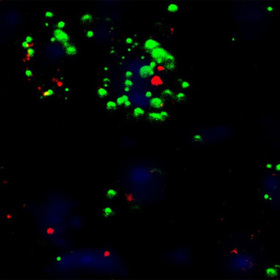
Brain signaling mechanism may explain clozapine weight gain
Researchers at UT Southwestern Medical Center have identified a key brain signaling pathway that appears to drive the substantial weight gain often associated with clozapine, a widely used antipsychotic medication.
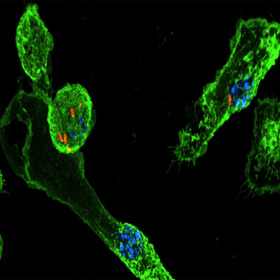
Protein linked to immune response against tuberculosis
Researchers at UT Southwestern Medical Center have identified a protein that helps the immune system respond to tuberculosis (TB), one of the world's leading infectious diseases.
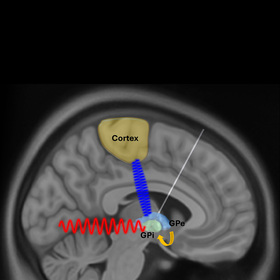
Brain activity discovery could transform Parkinson’s treatment
Researchers at UT Southwestern Medical Center studying Parkinson’s disease have discovered a previously unrecognized sequence of abnormal activity across multiple regions of the brain, providing a new level of understanding that could improve treatment options.
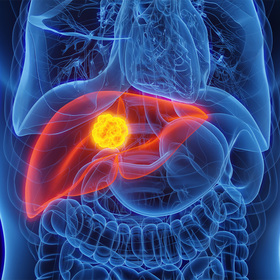
New framework developed for treating liver cancer
A multidisciplinary team co-led by Amit Singal, M.D., Chief of Hepatology and Director of the Liver Tumor Program in the Division of Digestive and Liver Diseases at UT Southwestern Medical Center, has developed new treatment recommendations for liver cancer that incorporate the latest research and an expanding range of therapeutic options.
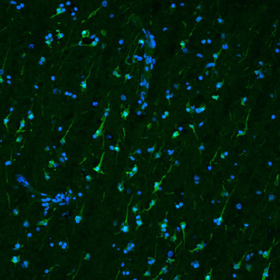
Study of living brain tissue reveals how Parkinson’s treatment works
A team co-led by UT Southwestern Medical Center researchers has identified cellular and molecular mechanisms that could explain the effects of deep brain stimulation (DBS).