
2026 UT Southwestern Medical School
New Faculty Research Forum
November 12, 2026
10 a.m.-4 p.m.
T. Boone Pickens Conference Center, NG3.112
About the New Faculty Research Forum
The New Faculty Research Forum celebrates the newest members of UT Southwestern’s research community and the groundbreaking ideas they bring to our campus. This year, 15 presenters representing 11 departments will share their innovative work, offering us a glimpse into the discoveries, technologies, and therapeutic advances shaping the future of medicine.
Tomorrow’s Scientific Leaders, Today
#NFRF2026
Keynote Address
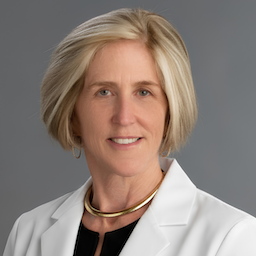
Professor of Internal Medicine and Molecular Genetics and member of the Eugene McDermott Center for Human Growth and Development
Helen Hobbs is a physician-scientist who has shown how differences in our genes affect the way the body processes cholesterol and fats. Her discoveries have helped explain why some people develop high cholesterol or liver disease while others do not. One of her major achievements was establishing, together with Ronald Victor and Jonathan Cohen, the Dallas Heart Study, a multiethnic, population-based cohort which she used to identify key genes in pathways important for health and disease, some of which have become therapeutic targets for the prevention and treatment of heart and liver disease.
Hobbs-Cohen LabNew Faculty Presenters
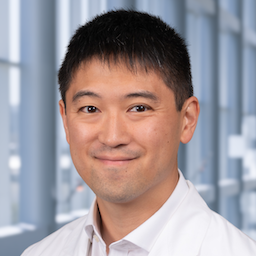
Assistant Professor of Internal Medicine in the Division of Cardiology
Joined UT Southwestern in September 2025
Topic: Decoding Drug Responses to Prevent Heart Failure
Dr. Buckley explores the biological pathways that drive heart failure and related cardiometabolic diseases. Using strategies in clinical trials, epidemiology, and advanced multiomics, his work seeks to determine how the immune system and metabolism influence the structure and function of cardiac tissues. He aims to use these tools to develop precision therapies for the prevention and treatment of heart failure.
Buckley Lab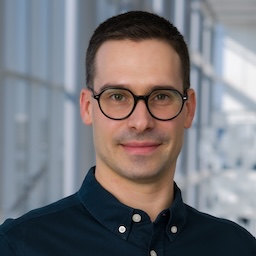
Assistant Professor of Pharmacology and a member of the Harold C. Simmons Comprehensive Cancer Center
Virginia Murchison Linthicum Scholar in Medical Research
Joined UTSW in October 2025
Topic: Proteome-Wide Strategies to Uncover Cysteine-Based Regulation of Metabolism and Mitochondrial Function
Dr. Burger examines how redox biology and metabolic signaling shape the function of mitochondria. Using innovative proteome-wide approaches to map modifications, his work uncovers regulatory networks that influence cellular function and disease processes, with the goal of discovering insights that could lead to the development of novel therapies.
Burger Lab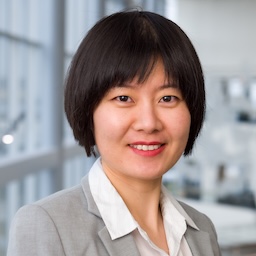
Assistant Professor of Microbiology
Southwestern Medical Foundation Scholar in Biomedical Research
Joined UT Southwestern in January 2024
Topic: How Bacteria Control Gene Expression: Lessons from Genome-Scale Transcription
Dr. Cao’s laboratory investigates variations of RNA polymerases across diverse bacterial species. By defining polymerase activities and regulation, she hopes to identify species-specific vulnerabilities that can be targeted by new antibiotics.
Cao Lab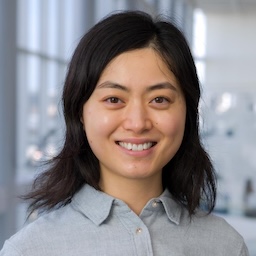
Assistant Professor of Neuroscience and in the Peter O’Donnell Jr. Brain Institute and a member of the Harold C. Simmons Comprehensive Cancer Center
W.W. Caruth, Jr. Scholar in Biomedical Research
Joined UT Southwestern in September 2025
Topic: Mechanisms of Seasonal Rhythms
Dr. Liu’s research focuses on the seasonal clock and its roles in human health. Her lab uses an interdisciplinary approach of molecular biology, genetics, omics, and machine learning to study pathophysiology that influences neurodegeneration, immunology, and metabolism.
Liu Lab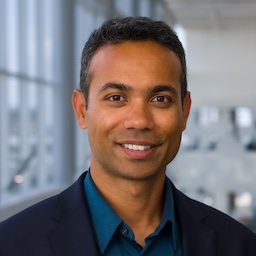
Assistant Professor of Ophthalmology
Joined UT Southwestern in July 2025
Topic: Identifying the Mechanisms and Modifiers of Retinal Aging and Neurodegenerative Diseases
Dr. Mondal’s lab investigates how genetics and environmental factors influence vision health. Using computational genomics, his research evaluates the impact of factors such as biological sex, diet, and lifestyle on retinal aging and vision alongside known inherited conditions. Through these studies, he aims to better understand the mechanisms and timing that drive vision loss across the lifespan.
Mondal Lab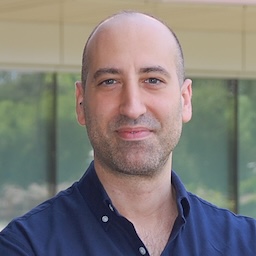
Assistant Professor of Physiology and Neuroscience
Louise W. Kahn Scholar in Biomedical Research
Joined UT Southwestern in November 2025
Topic: Neural Dynamics in Control: Insights into Persistent Affective States
The Mountoufaris Lab seeks to uncover conserved molecular and circuit mechanisms underlying persistent emotional states such as anger or fear, with a focus on social brain circuits. His work investigates how neuromodulation shapes the brain structures that encode social behavior. Ultimately, Dr. Mountoufaris aims to understand how disruptions in these mechanisms contribute to neurological and neuropsychiatric disorders.
Mountou Lab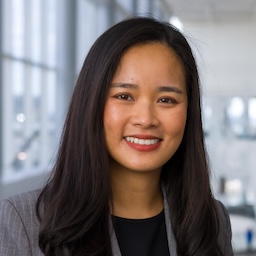
Assistant Professor of Biomedical Engineering and a member of the Harold C. Simmons Comprehensive Cancer Center
Joined UT Southwestern in September 2025
Topic: Beyond Biological Snapshots: Integrated Biosensing and Microphysiological Platforms for Precision Health
Dr. Nguyen’s laboratory develops tools to enable researchers to move beyond snapshot measurements and into continuous monitoring of disease-related changes in the body. Her work combines multiplexed electrochemical sensors with liquid biopsy, skin-interfaces, and vascularized tissue platforms to build integrated biosensing and microfluidic platforms that capture molecular and functional changes over time. Tools like these have the potential to advance early cancer detection, hormone monitoring, and patient-relevant studies of tumor progression and therapeutic resistance.
Tran Nguyen Lab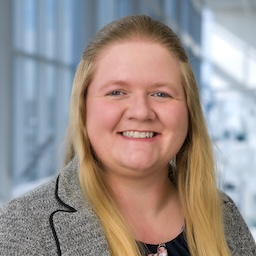
Assistant Professor of Biomedical Engineering and Obstetrics and Gynecology
Joined UT Southwestern in November 2025
Topic: Pregnancy-Induced Remodeling of Pelvic Floor Skeletal Muscles
Dr. Routzong’s lab uses computational modeling and physical experiments at multiple biological scales to perform translational biomechanics and mechanobiology research. Her current work aims to characterize pregnancy-induced remodeling of pelvic floor muscles to understand the mechanisms of vaginal birth injury, which significantly increases one’s risk of developing pelvic floor disorders years to decades later.
Routzong Lab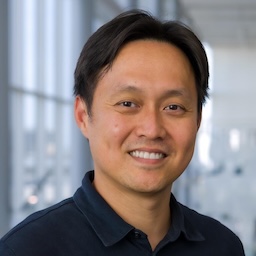
Assistant Professor of Cell Biology
Southwestern Medical Foundation Scholar in Biomedical Research
Joined UT Southwestern in October 2025
Topic: Compartmentalization of Metabolic Pathways as a Regulator of Cellular Metabolism
The Ryu Lab studies how cells organize metabolic activity across space and time. By examining metabolic compartmentalization at multiple scales, from individual enzymes to entire organelles, Dr. Ryu and his team uncover fundamental mechanisms that govern metabolic activity and cell behavior.
Ryu Lab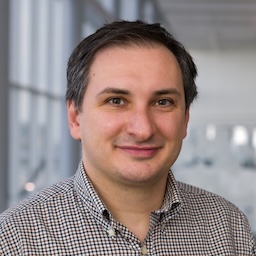
Assistant Professor in the Eugene McDermott Center for Human Growth and Development and the Lyda Hill Department of Bioinformatics
Eugene McDermott Scholar in Biomedical Research
Joined UT Southwestern September 2025
Topic: From the Origins of Mutations to Their Effects
Dr. Seplyarskiy studies how mutations arise and how natural selection shapes their fate. Using large-scale genomic datasets and population-genetic models, the Seplyarskiy Lab discovers and characterizes the mechanisms of genetic changes and works toward accurately predicting the probability of mutations in every part of the human genome. By comparing these predictions with the variants observed in human populations, he aims to reveal the genetic sites where mutations are depleted by natural selection and identify which regions are most important in developing disease-causing variants.
Seplyarskiy Lab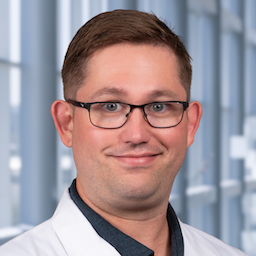
Assistant Professor of Molecular Biology and Internal Medicine in the Division of Cardiology
Joined UT Southwestern in September 2025
Topic: Molecular Mechanisms of Atrial Arrhythmias
Dr. Sweat investigates genes that allow the body to maintain normal atrial rhythm homeostasis. His lab uses cutting-edge molecular approaches to characterize transcriptomic changes that correlate with spontaneous atrial fibrillation and determine genes critical to the atrial gene regulatory network. Ultimately, his work could determine the molecular mechanisms by which genes that promote rhythm homeostasis are regulated in the heart.
Sweat Lab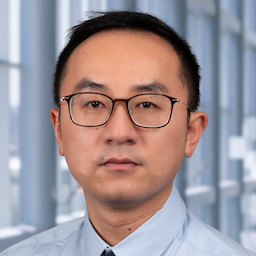
Assistant Professor of Biomedical Engineering and Internal Medicine in the Division of Cardiology
Joined UT Southwestern in October 2025
Topic: Stem Cell Models of Inherited and Acquired Human Heart Disease
Dr. Tu’s laboratory integrates stem cell biology and tissue engineering to develop in vitro models of human heart disease. Using patient-derived human induced pluripotent stem cells to generate cardiomyocytes, his team studies how genetic variation contributes to cardiac dysfunction. Using three-dimensional engineered heart tissues, his work closely models the structural and functional environment of the human myocardium, providing a powerful platform for understanding human heart disease.
Tu (Chengyi) Lab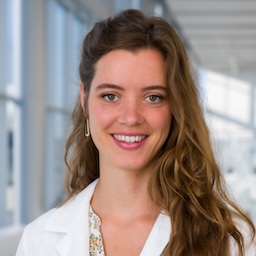
Assistant Professor of Neurological Surgery, Biomedical Engineering, and in the Peter O’Donnell Jr. Brain Institute
Joined UT Southwestern in April 2025
Topic: From Mind to Motion: Creating Intuitive Brain-Machine Interfaces to Restore Sensation and Movement in People with Severe Paralysis
With a background in artificial intelligence and cognitive neuroscience, Dr. Verbaarschot translates her scientific findings into brain-machine interfaces that can assist or restore the sensory and movement capabilities of people living with paralysis in their upper limbs. To do so, she uses implanted microelectrode arrays that can both record from and stimulate the brain, creating an interface that feels and moves as an intuitive part of one’s own body.
Verbaarschot Lab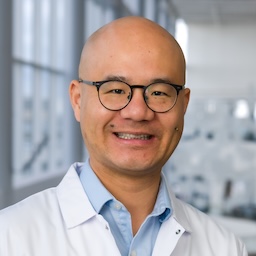
Assistant Professor of Biomedical Engineering and Internal Medicine in the Division of Digestive and Liver Diseases
Member of the Harold C. Simmons Comprehensive Cancer Center
Joined UT Southwestern in October 2025
Topic: Sticky and Squishy Biointerfaces for Extreme Health
Dr. Ying’s research focuses on the development and clinical translation of medical devices that can withstand the conditions within the body. Dynamic internal organs remain difficult to monitor and treat because medical devices struggle to maintain stable connection with soft tissues. By engineering bioadhesives, biorobotics, and bioelectronics, the Ying Lab develops next-generation biointerfaces that enable improved prevention and treatment of chronic diseases.
Ying Lab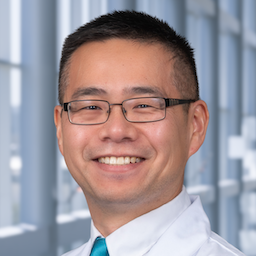
Assistant Professor of Immunology and Internal Medicine in the Division of Cardiology and a member of the Harold C. Simmons Comprehensive Cancer Center
Joined UT Southwestern in August 2025
Topic: Harnessing Antiviral Immunity to Target Cancer
Dr. Zou and his team are working to develop new therapies for lung cancer by harnessing the immune system. The Zou Lab focuses on understanding immune mechanisms that distinguish between self and nonself, with the goal of co-opting or redirecting these mechanisms to target specific subtypes of cancer.
Zou LabOrganizers
W. Lee Kraus, Ph.D.
Professor and Director of the Cecil H. and Ida Green Center for Reproductive Biology Sciences
Assistant Dean for Research Development
Cecil H. and Ida Green Distinguished Chair in Reproductive Biology Sciences
Russell DeBose-Boyd, Ph.D.
Beatrice and Miguel Elias Distinguished Chair in Biomedical Science
Professor of Molecular Genetics
Assistant Dean for Research Advancement