
Forensic Psychiatry Fellowship
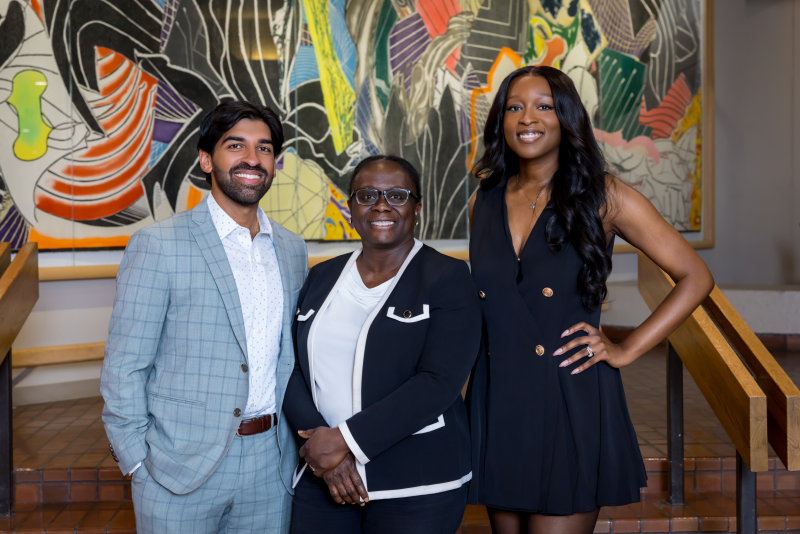
Our fellowship is a 1-year, full-time, ACGME-accredited program that provides comprehensive academic and practical experiences in civil, criminal, correctional, and consultative Forensic Psychiatry that develop the skills necessary to ethically and effectively interface with the legal system. The program is the longest established forensic psychiatry fellowship program in Texas and accepts 3 fellows per year. Fellows gain experience in court-ordered forensic evaluations; examination and treatment of
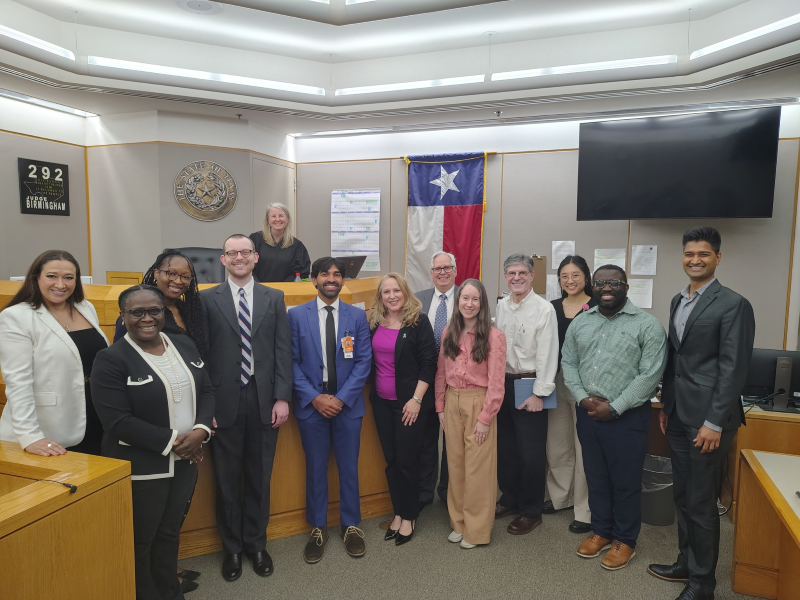
criminal offenders in jail and outpatient settings; dangerousness assessments; civil assessments for involuntary mental health treatment and treatment over objection; and mental health diversion court clinics. We offer extensive opportunity for consultation with attorneys and courts, courtroom testimony, and interaction with private practitioners in the community, including an annual mock trial.
- Curriculum
Our year-round lecture series covers core topics in the theory and practice of forensic psychiatry. Didactic sessions include history of forensic psychiatry; roles and responsibilities of forensic psychiatrists; assessing criminal competence and responsibility; testamentary capacity; civil competencies; assessment of dangerousness, assessment of sexual misconduct; corrections psychiatry; legal regulation of psychiatric practice; writing of a forensic report; juvenile justice systems.
Landmark Cases Class
This 90-minute weekly class focuses on landmark cases in mental health law.
Research and Scholarship Seminar
Fellows develop skills to review medical and legal literature in forensic psychiatry; explore theoretical and practical foundations of mental health law, cultural, societal, and ethical influences on both legal and psychiatric applications; and contribute to the forensic psychiatry literature.
- Rotations
Rotations include an inpatient corrections unit, a court clinic, a forensic state hospital, an outpatient forensic psychiatric clinic, psychiatric consultation services in a general hospital, and forensic private practice rotations.
Dallas County Jail Health System
- Consult with Dallas County Jail to complete medication commitment evaluations for defendants found not competent to stand trial
- Give expert testimony on involuntary medication commitment hearings for defendants found not competent to stand trial
- Participate in dangerousness assessments
- Interface with probation officers, judges, psychologists, and medical staff serving a youth population, learning the special perspectives and concerns of these professionals
- Experience assisting and educating child and adolescent psychiatrists performing forensic evaluations
- Complete forensic evaluations and if needed deliver expert testimony within the juvenile justice system
- Interface with probation officers, judges, psychologists, and medical staff serving a youth population, learning the special perspectives and concerns of these professionals
Terrell State Hospital
- Carry out competency to stand trial evaluations on individuals found not competent to stand trial at the inpatient competency restoration unit
- Participate in the competency restoration processes
- Write forensic reports
- Receive 1:1 supervision on the roles and responsibilities of a forensic psychiatrist
- Observe manifest dangerousness review board meetings
- Carry out dangerousness assessments
Dallas Metrocare Special Needs Offender Program
- Carry outpatient clinical cases and, under faculty supervision, provide psychotherapy and medication management to individuals with mental health issues who are on probation or parole for various offenses
- Participate in and observe hearings in various diversion courts in the Dallas County courts
- Participate in Assertive Community Treatment teams in the community management of patients managed by SNOP services.
Private Practice
- Carry out competence to stand trial evaluations, and insanity evaluations
- Write competence to stand trial reports
- Application Requirements
2027-28 Academic Year
Applications for academic year 2027-2028 must be submitted through the Electronic Residency Application Service (ERAS) beginning on July 1, 2026. All positions will be filled through the NRMP Match.
Important dates for the 2027-2028 Academic Year Match
- July 1, 2026 – Applicants may apply to forensic psychiatry fellowships via ERAS.
- July 15, 2026 – Forensic psychiatry fellowship programs begin to review applications on the ERAS platform.
- July 16 until October 7, 2026 – Forensic psychiatry fellowship programs interview applicants.
- August 5, 2026 – Match Registration opens.
- September 2, 2026 – Ranking opens; NRMP Match Program Code: 2835406F0.
- October 7, 2026 – Rank Order List Certification deadline for applicants and programs.
- October 21, 2026 – Match Day. Unfilled/Unmatched Lists available.
Prerequisites
- M.D. or D.O. degree (or equivalent)
- Completion of an ACGME-accredited psychiatry residency program
Standard ERAS Application Materials
- Medical school transcript
- Medical Student Performance Evaluation (Dean's Letter)
- Personal Statement
- Letters of Recommendation (at least three, with one from your program director)
- USMLE or COMLEX scores
- Photo
- ECFMG Certificate for international medical graduates
Additional Program-specific Requirements
- State medical license: Some programs require you to be qualified to obtain or have a Texas medical license before starting the fellowship.
- Curriculum vitae or resume
- De-identified clinical or forensic writing sample (uploaded via ERAS; please contact the program if you have questions).
Additional Information
We must receive the completed application before we will interview (we conduct virtual interviews).
Please note that as part of the application and interview process for a potential fellowship position in our program, we are accredited by the Accreditation Council for Graduate Medical Education and you would need to meet ACGME requirements for matriculation in our program.
If you have questions about your application or the interview process, please contact us.
- Program Director: Kehinde Obikoya, M.D., Kehinde.Obikoya@metrocareservices.org
- Program Coordinator: Mona Reyes
Phone (214) 648-7486
mona.reyes@UTSouthwestern.edu
Upon graduation from our training program, most of our graduates seek board certification. The process of board certification is separate from training and has additional requirements. Some board organizations require completion of all your education in an ACGME-accredited training program. Please contact the appropriate certifying board to understand your eligibility for board certification before accepting (if offered) a fellowship position at our institution.
- Fellows
2026-2027 Fellows
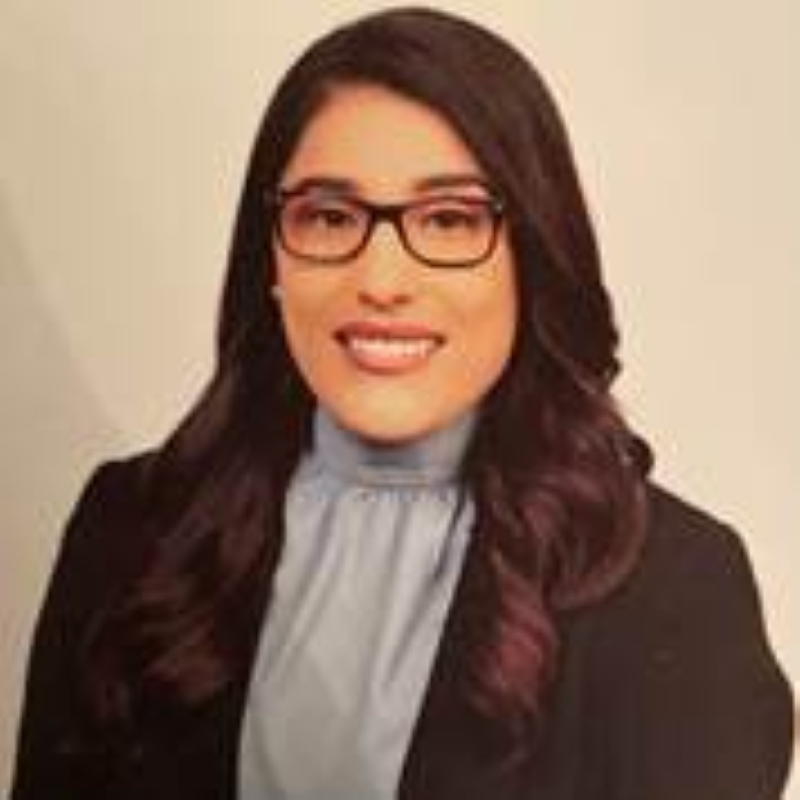
Arooj Chaudhry, M.D., M.H.A.
Residency: Creedmoor Psychiatric Center, Queens, NY
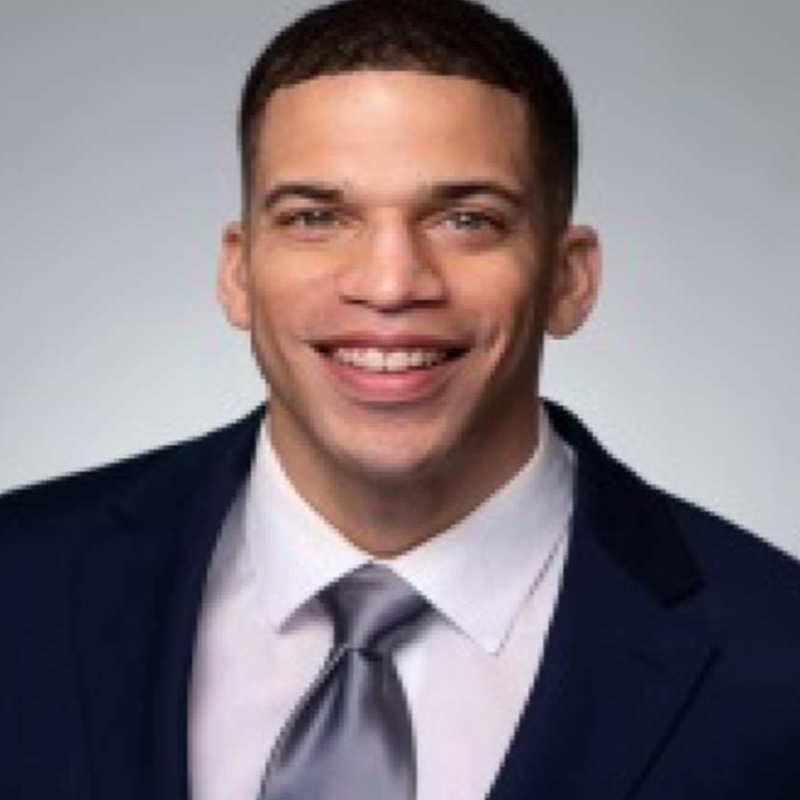
Jason Green, M.D.
Residency: St. George’s University School of Medicine
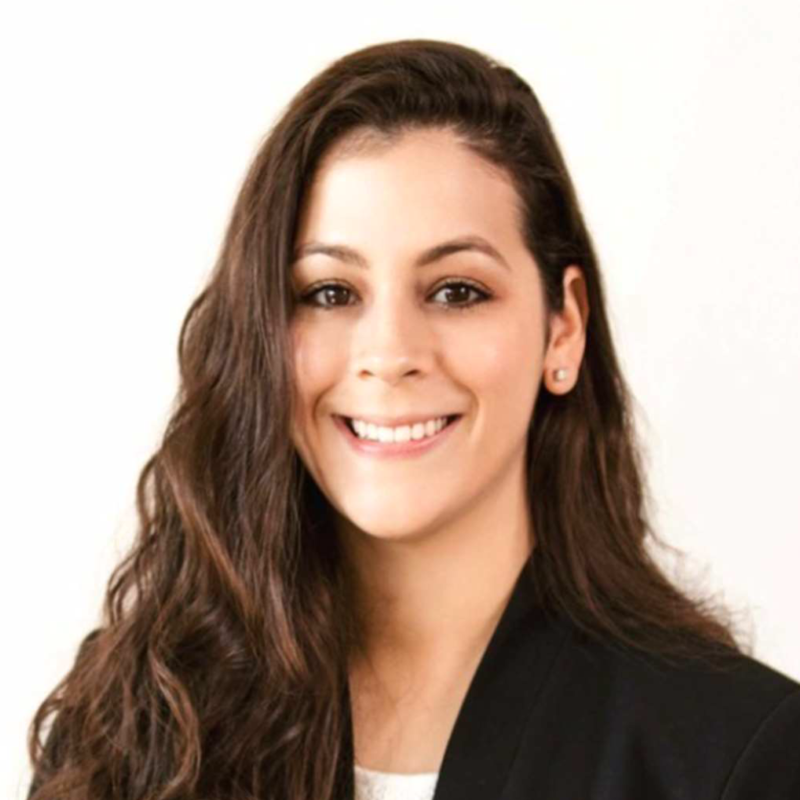
Courtney Schattle, D.O.
Residency: Philadelphia College of Osteopathic Medicine
- Alumni
2026 Accomplishments
Leadership and Professional Development
Ethan Hinds and Arianna Sewell attained Diplomate certification from the American Board of Psychiatry and Neurology in Adult Psychiatry.
Dr. Hinds joined the Texas Medical Board’s Expert Review Panel, contributing to the maintenance of standards of care across the state, and founded his own independent clinical and forensic psychiatry practice, where he serves as Medical Director.
Scholarly Presentations and Publications
Dr. Hinds was first author of the Legal Digest review article “Forensic Rigor in the Right to Competency Reevaluation: State v. Menzies” for the Journal of the American Academy of Psychiatry and the Law. He is writing a research manuscript examining testamentary capacity and neuropsychological testing. Additionally, he is first author of “Concomitant Use of Dual Long-Acting Antipsychotic Agents in the USA,” submitted for presentation at the 2026 Annual Meeting of the American Academy of Psychiatry and the Law.
Ali-Noor Jessani co-presented “Trauma-Informed Lawyering: Principles and Practice” as part of a lecture series at Texas A&M School of Law in September and October 2025. He also participated in the Capazit Charity Organization Medical Translator Lecture Series, presenting on psychiatric evaluation expectations. In addition, he is first author of the Legal Digest review article “Interpretation of New Evidence in the Case of the Death Penalty” for the Journal of the American Academy of Psychiatry and the Law.
Dr. Sewell co-presented “Trauma-Informed Lawyering: Principles and Practice” as part of a lecture series at Texas A&M School of Law in September and October 2025 and was first author of the Legal Digest review article “Competency to Stand Trial Does Not Require Decisional Competency” for the Journal of the American Academy of Psychiatry and the Law.
Teaching and Education
The fellows presented two sessions on trauma-informed care as part of a lecture series at Texas A&M School of Law.
Advocacy and Community Service
The fellows contributed to the Dallas Asylum Clinic by serving as forensic psychiatry co-evaluators.
Faculty
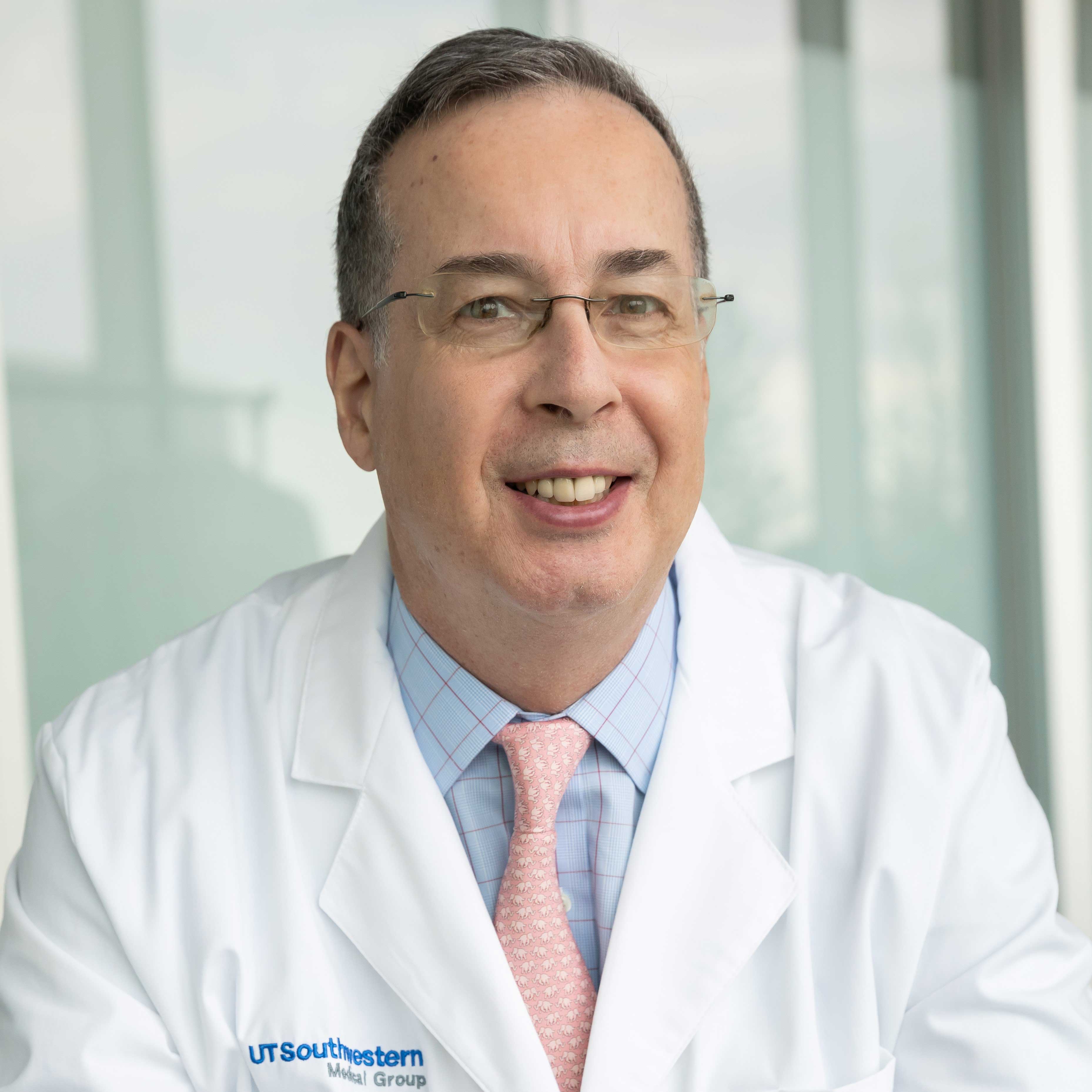
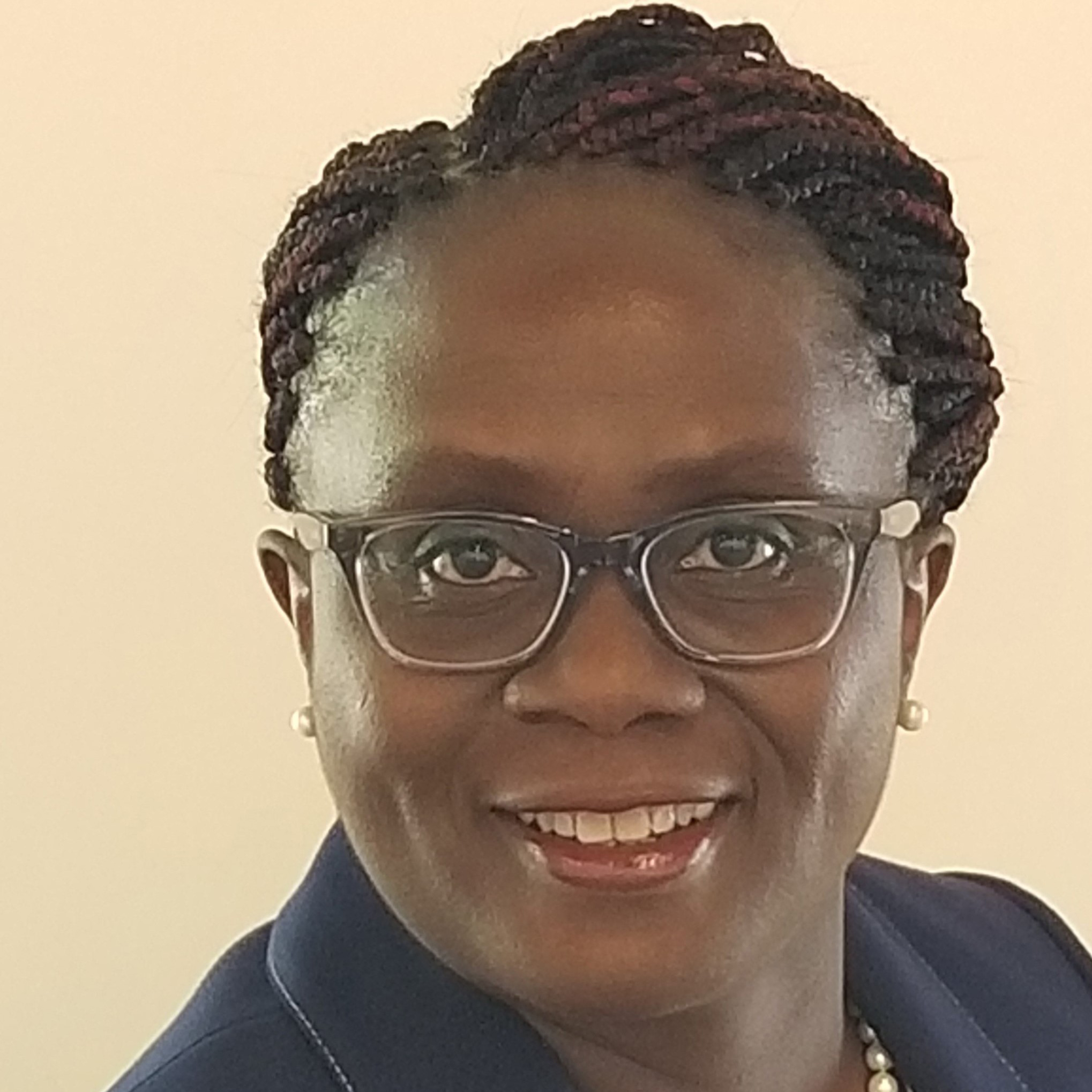
Assistant Clinical Professor
- Medical Director, Metrocare Special Needs Offender Program
- Program Director, Forensic Psychiatry Fellowship
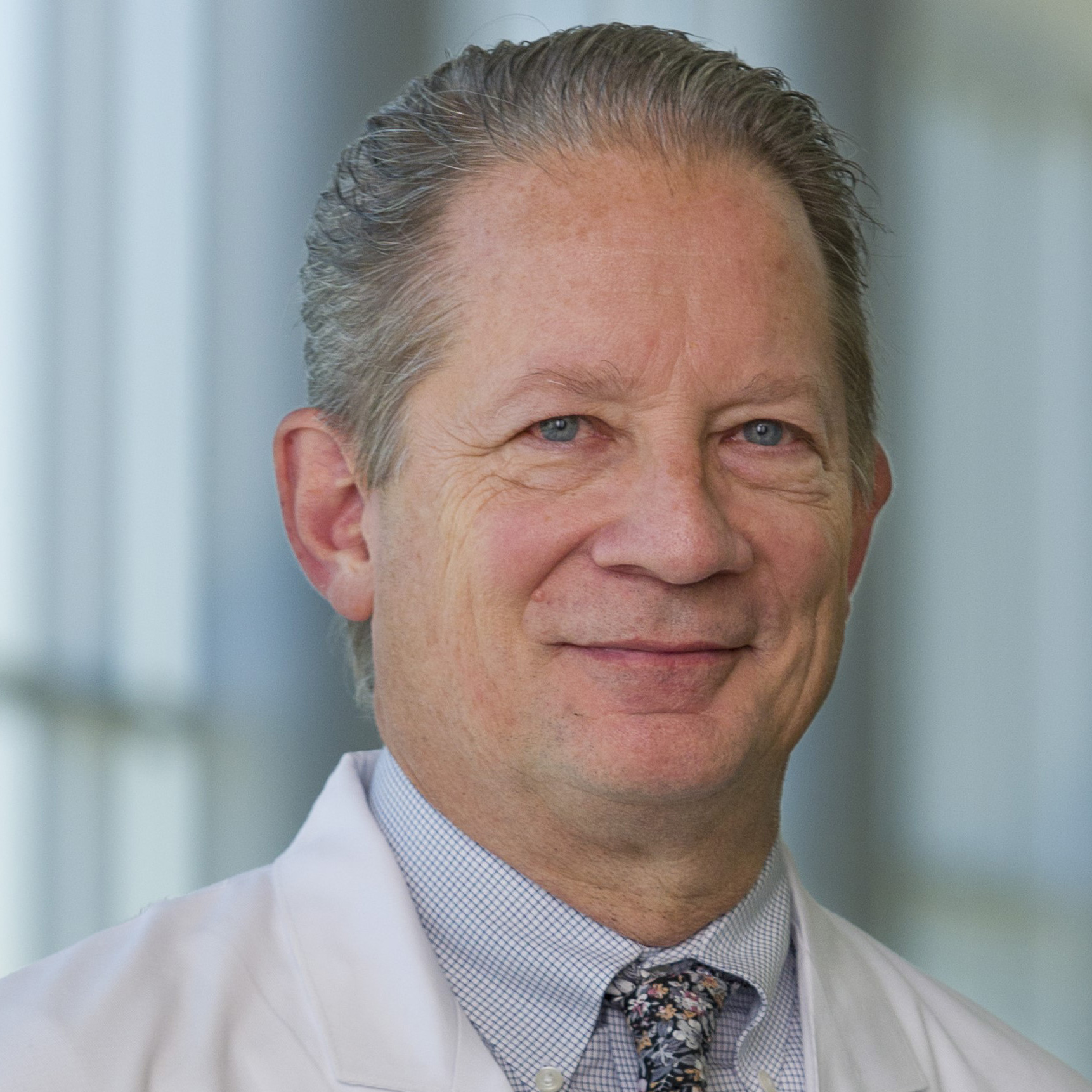
Adjunct Faculty
Mitchell Dunn, M.D.
Medical Director, Forensic Program, Terrell State Hospital
Timothy J. Proctor, Ph.D., ABPP
John Zervopoulos, Ph.D., J.D.