
Child and Adolescent Psychiatry Fellowship
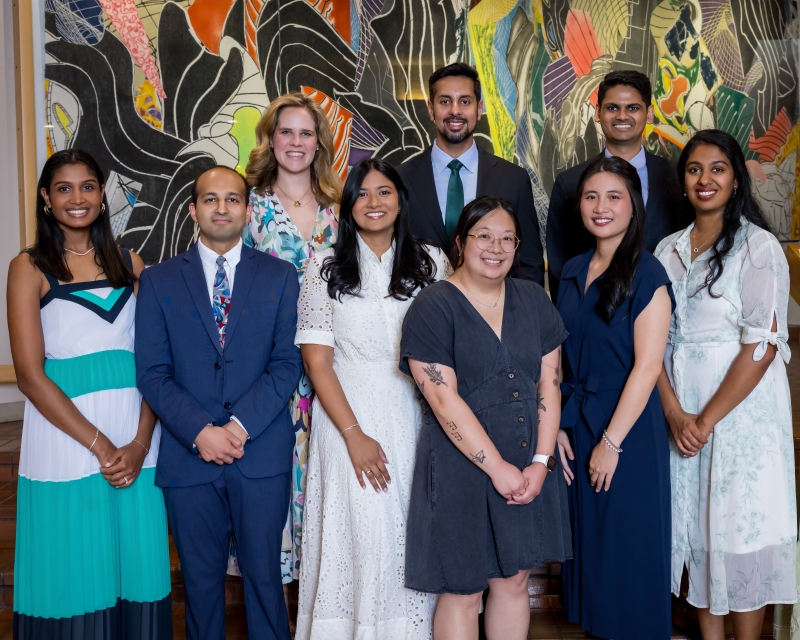
We develop child and adolescent psychiatrists with broad clinical and professional competence, placing great emphasis on developmental, biopsychosocial, cognitive, psychodynamic, cross-cultural, family systems and behavioral concepts and including knowledge of normal and pathological development, developmental neuroscience, and deviations due to environmental stressors, cultural differences, and psychopathology.
We graduate psychiatrists who will be leaders in their field and at the cutting edge of evidenced-based treatments and innovative approaches to patient care. With exposure to our experienced clinician and researcher educators and a foundation of life-long learning and academic excellence, our graduates have entered private practice, accepted research and teaching faculty positions, become medical directors for inpatient and outpatient units in both the public and private sector, and pursued training in psychoanalysis and many other opportunities throughout Dallas–Fort Worth and the U.S.
- Program Goals
By end of training, fellows will be able to:
- Perform effective evaluations and formulate diagnoses and treatment plans for developmental and biopsychosocial issues as noted in Clinical Skills Evaluations
- Develop and monitor comprehensive treatment plans for children, adolescents, and their families in all settings
- Demonstrate competency in a broad spectrum of therapeutic treatment modalities, including psychopharmacology, psychotherapy, crisis intervention, behavior management, education, and community planning
- Learn consultation/liaison skills in both medical and non-medical settings, including schools and legal settings with patients with substance abuse/dependence issues
- Develop the administrative and communication skills necessary for multi-disciplinary collaboration with pediatricians, pediatric neurologists, psychologists, social workers, nurses, therapy aides, teachers, and counselors
- Continue to expand knowledge of current and foundational research and literature in child and adolescent psychiatry
- Community Track
Track Purpose/Scope
Our Community Track offers an applicant with interest in community child and adolescent psychiatry additional training exposure to community engagement and partnership. Employment, salary, and benefits are the same as fellows in the traditional track; 1/10 fellows/year are classified as Community Track. Selected fellows learn to address the mental health needs of underserved youth and families. We welcome a broad range of applicants, including, but not limited to, those interested in community systems of care. All applicants who feel they would benefit from a community-oriented fellowship experience are encouraged to apply!
Track Structure
- Year 1: largely resembles the traditional track, with rotations in specialized outpatient clinics in autism and foster care, intensive outpatient in substance use, pediatric neurology, day treatment, inpatient eating disorders, inpatient state hospital, consultation-liaison, school consult, and juvenile justice center
- Year 2: offers unique opportunities to work in outpatient community clinics focused on meeting the mental heath needs of underserved youth and families. Community Psychiatry Workforce Expansion (CPWE) is a program funded by the Texas Legislature through the Texas Child Mental Health Care Consortium (TCMHCC) that allows Community Track Fellows to have a community psychiatry experience under the supervision of a UT Southwestern child psychiatrist. The fellow will work with a multidisciplinary team in several community mental health centers and clinics in the Dallas area to provide care and learn the unique aspects of this population.
- Both Year 1 and Year 2 include a full day of protected didactic time.
- Salaries and Benefits
2026-27 Academic Year Pay Stipends
- PGY 4 $82,225
- PGY 5 $86,343
- PGY 6 $89,505
Benefits
- Retirement income plan
- Parking
- Medical insurance*
- Pharmacy insurance*
- Vision insurance*
- Dental insurance*
*Resident and dependent premiums are covered by residency program
- Application Process
Application Website
Use the Electronic Residency Application Service
ERAS Application Items
- Curriculum vitae
- Personal statement
- Transcripts from medical school
- Copies of USMLE or COMLEX scores, steps I, II and III (note: step III completion required)
- ECFMG certificate (if applicable)
- Three letters of recommendation from faculty supervisors
- Program Director's letter
- Program Director’s Attestation Form for Child and Adolescent Psychiatry Eligibility (program director should attach linked form to program director's letter)
Other Items Needed
- Medical school diploma
- Visa documentation (if applicable; only J-1 visas are sponsored)
Interviews
We must receive the completed application before we will interview (we conduct virtual interviews).
Please note that as part of the application and interview process for a potential fellowship position in our program, we are accredited by the Accreditation Council for Graduate Medical Education (ACGME) and you would need to meet ACGME requirements for matriculation in our program.
If you have questions about your application or the interview process, please contact us.
- Program Director: Kathlene Trello-Rishel, M.D., kathlene.trello-rishel@utsouthwestern.edu
- Associate Program Director: Stephen Elliott, M.D., stephen.elliott@utsouthwestern.edu
- Program Coordinator: Melody Lundquist
Phone (214) 456-4586
Fax (214) 648-1065
melody.lundquist@utsouthwestern.edu - Mailing Address
Division of Child & Adolescent Psychiatry
University of Texas Southwestern Medical Center
5323 Harry Hines Blvd
Dallas TX 75390-8589
Upon graduation from our training program, most of our graduates seek board certification. The process of board certification is separate from training and has additional requirements. Some board organizations require completion of all your education in an ACGME-accredited training program. Please contact the appropriate certifying board to understand your eligibility for board certification before accepting (if offered) a fellowship position at our institution.
- Faculty
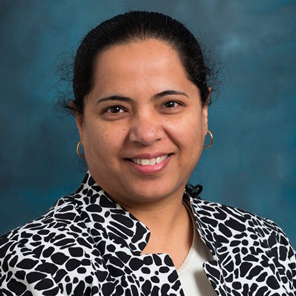
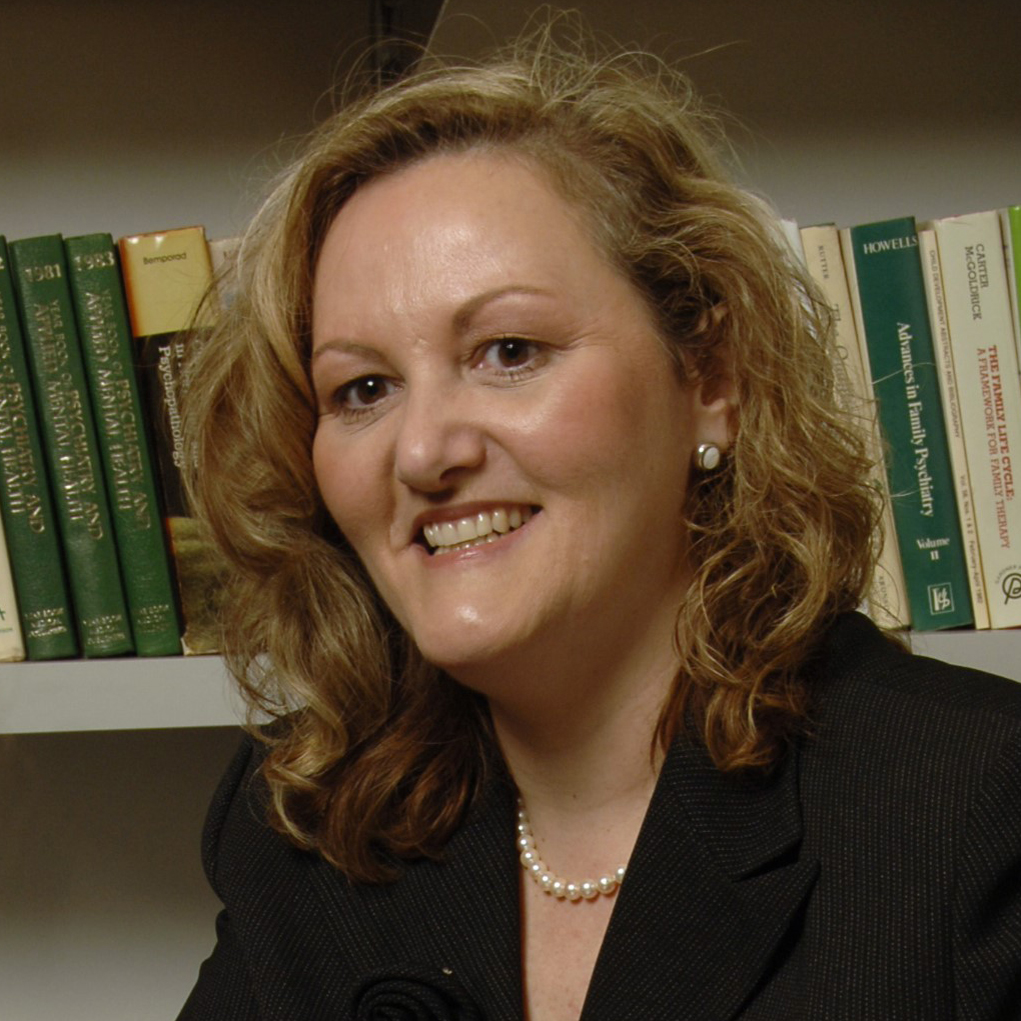
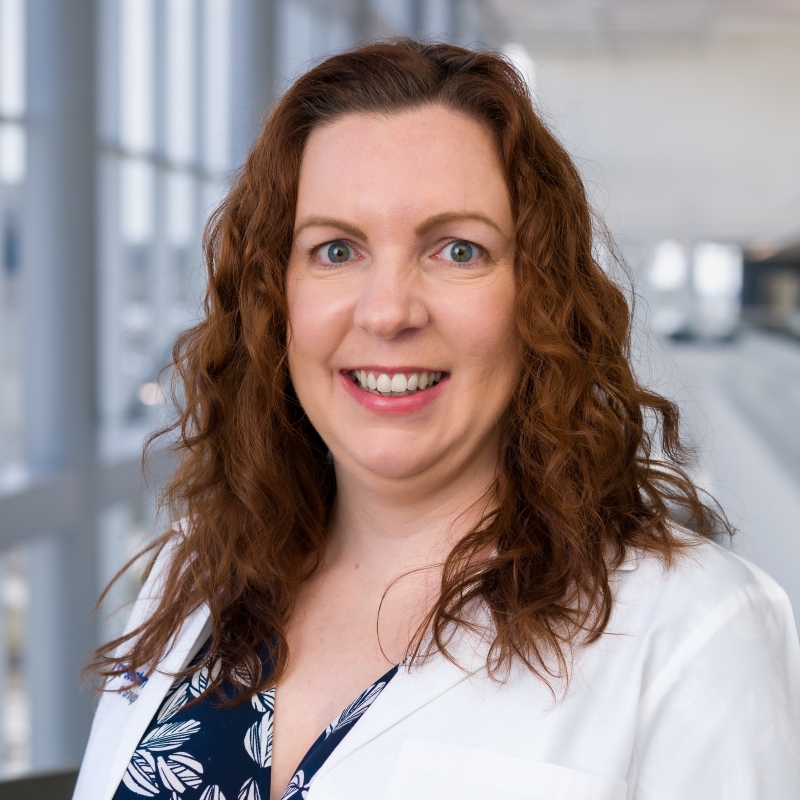
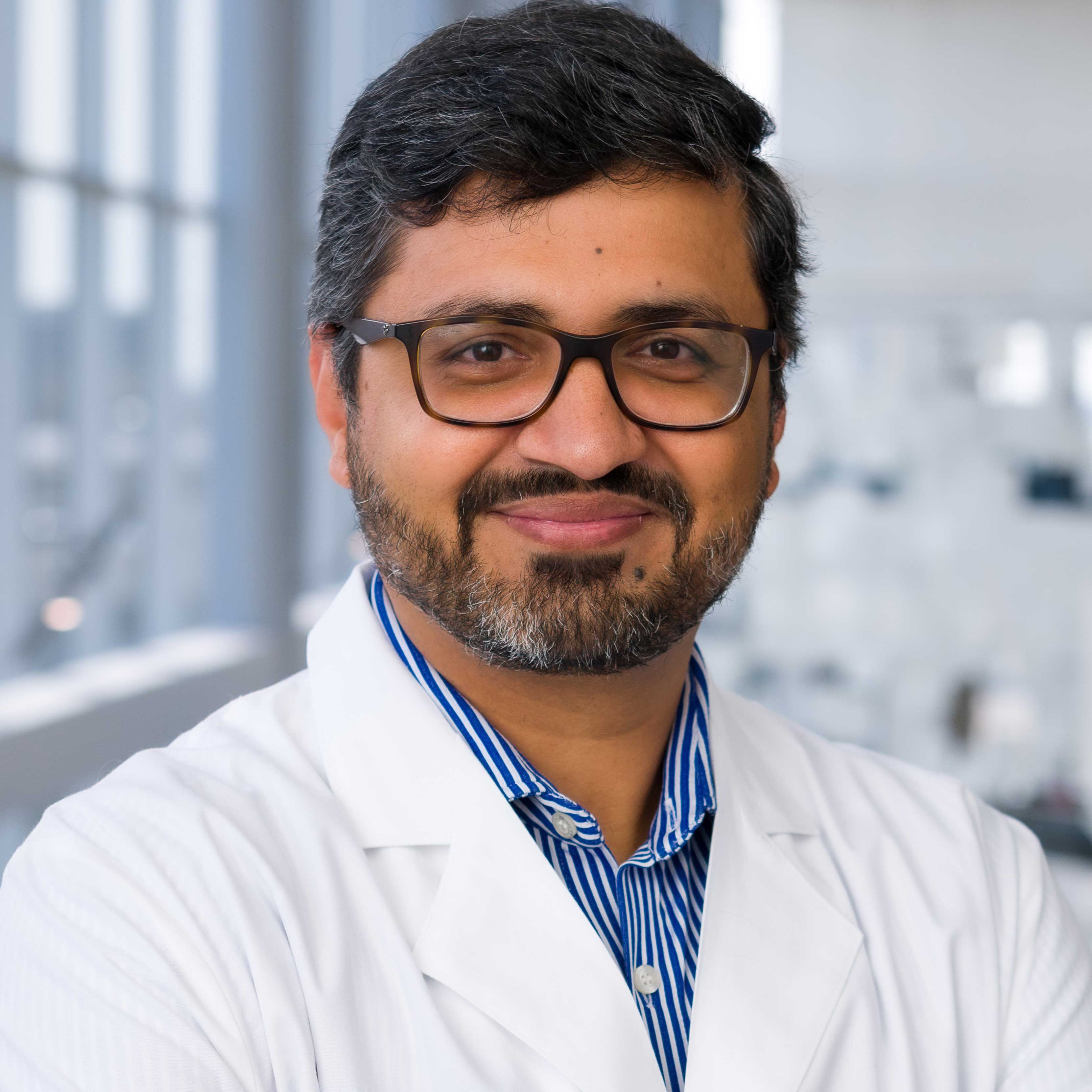
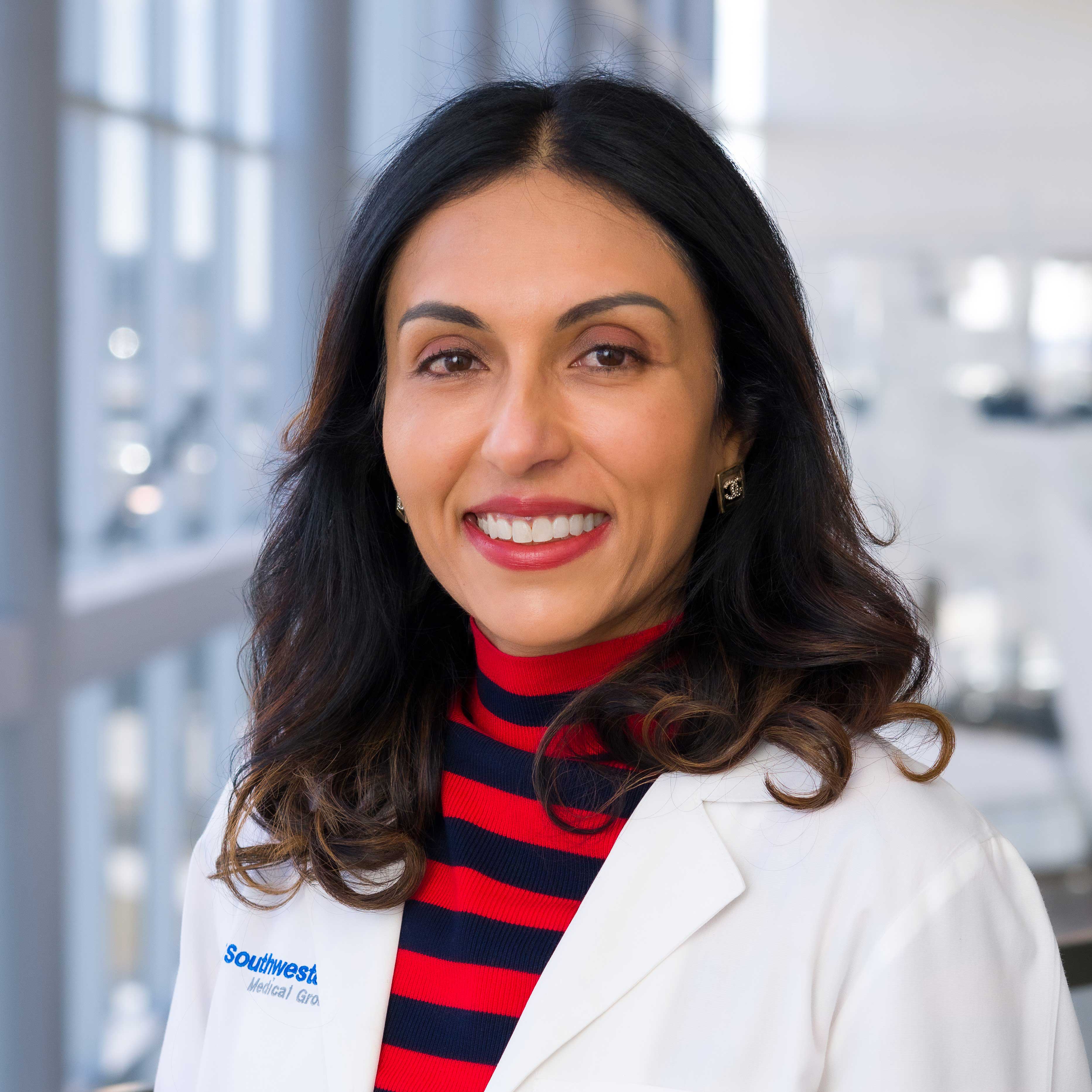
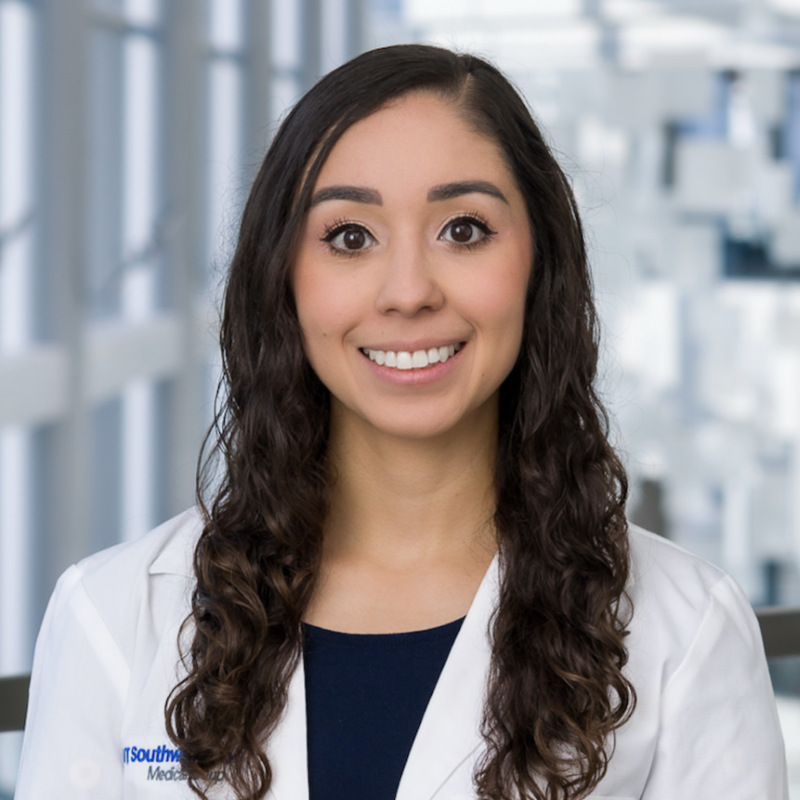
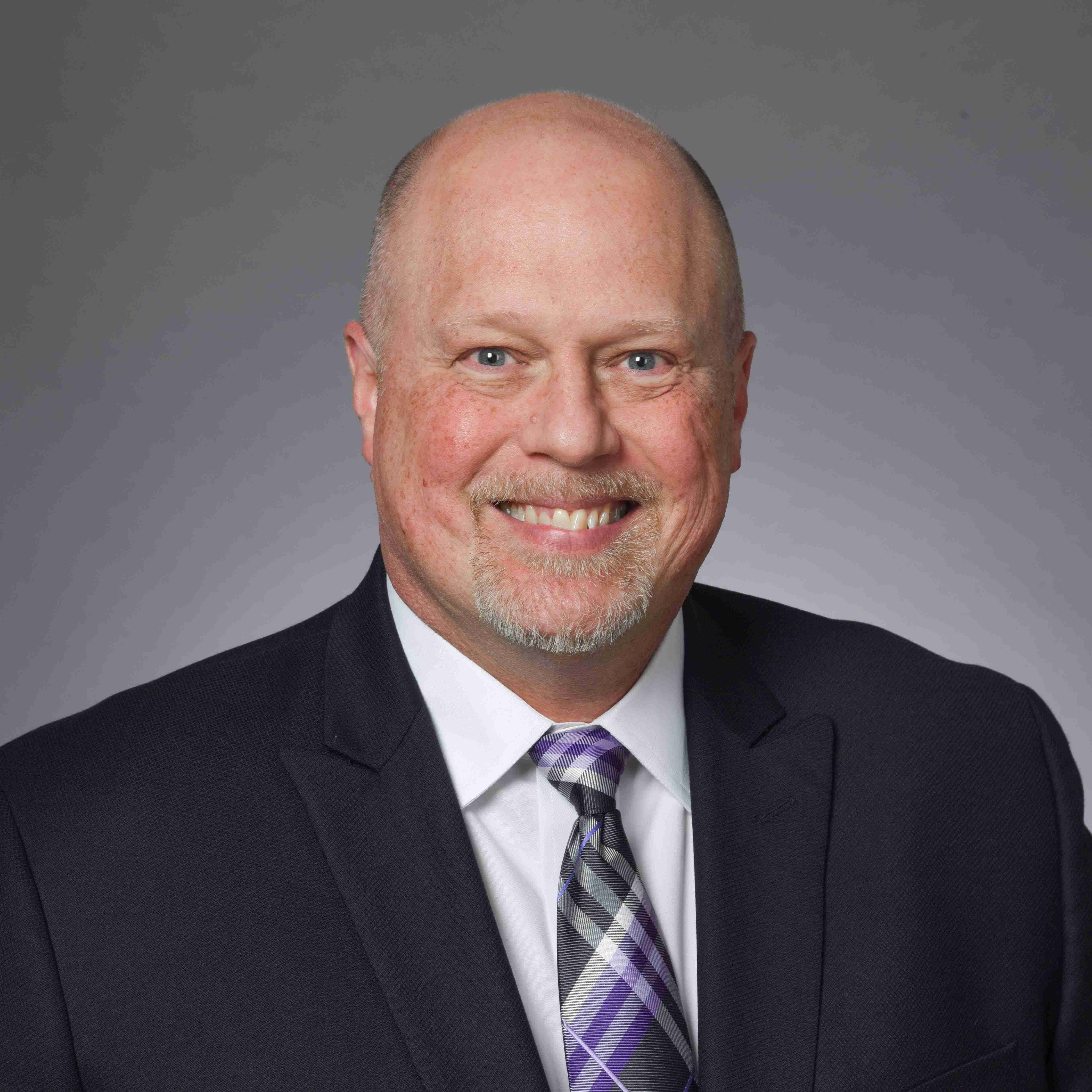
Assistant Professor
- Medical Director, Child Psychiatry Access Network
- CPAN/Outpatient
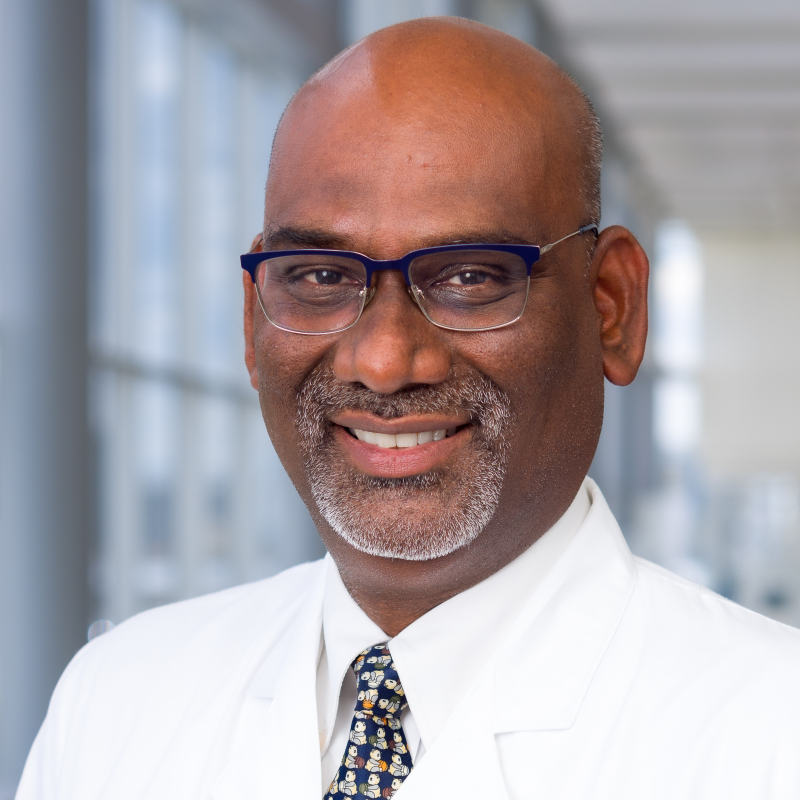
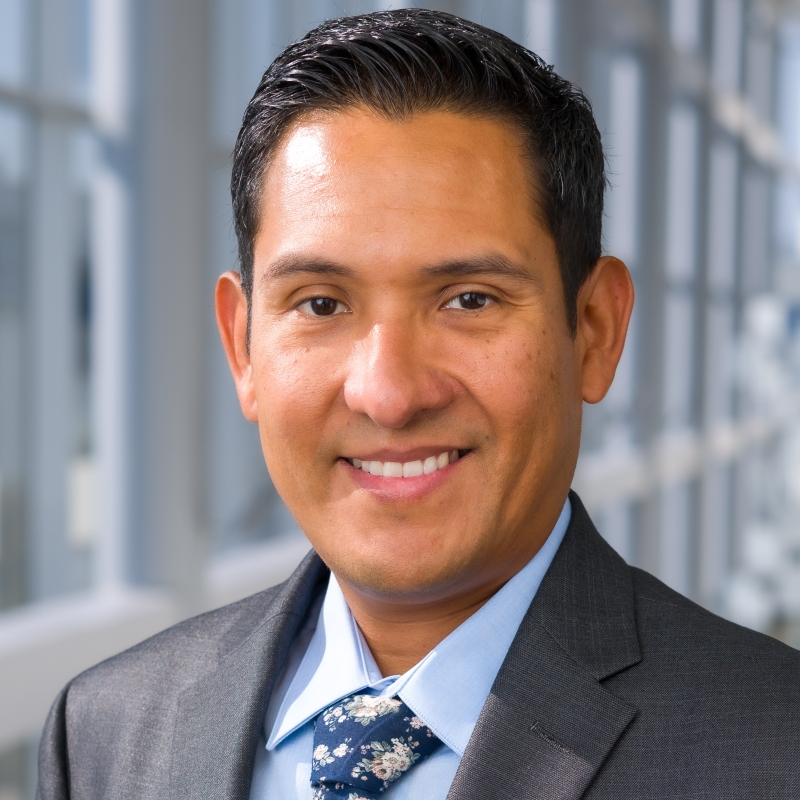

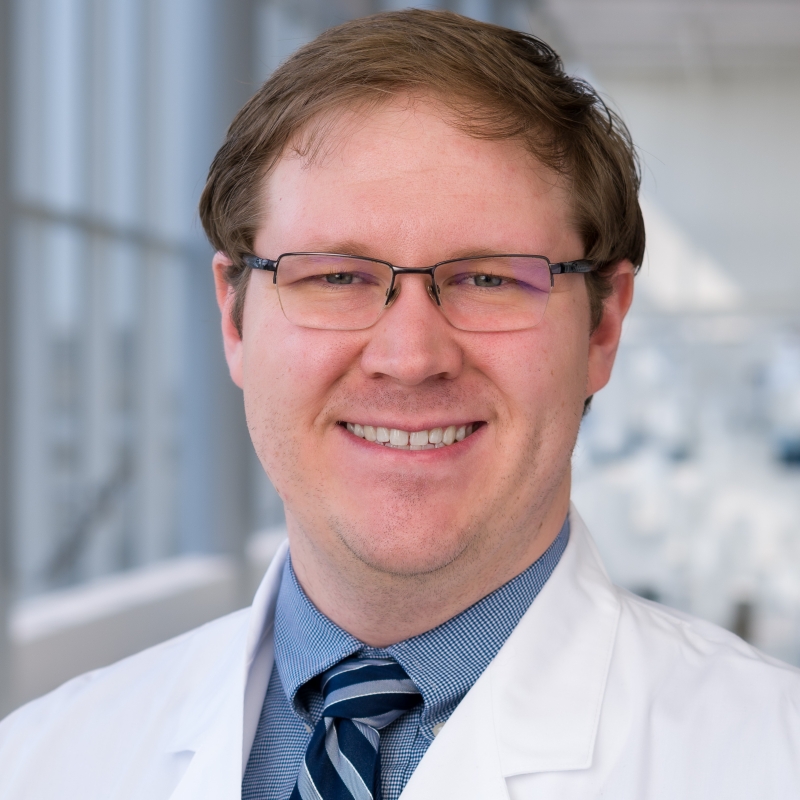
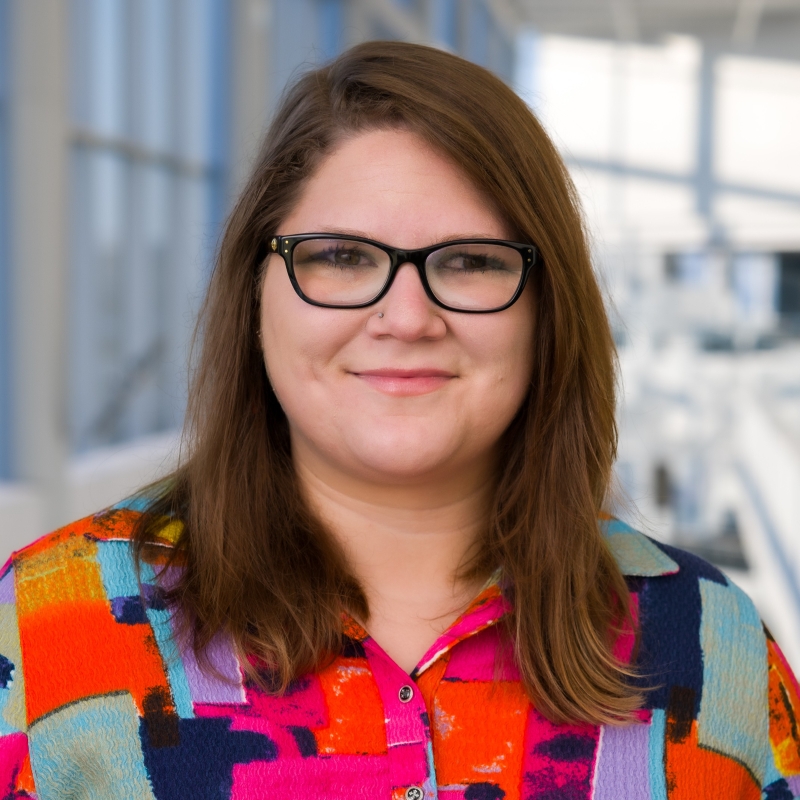
Professor
- Interim Division Chief, Child and Adolescent Psychiatry
- Chief of Service, Children's Health
- Chief, Texas Child Mental Health Care Consortium
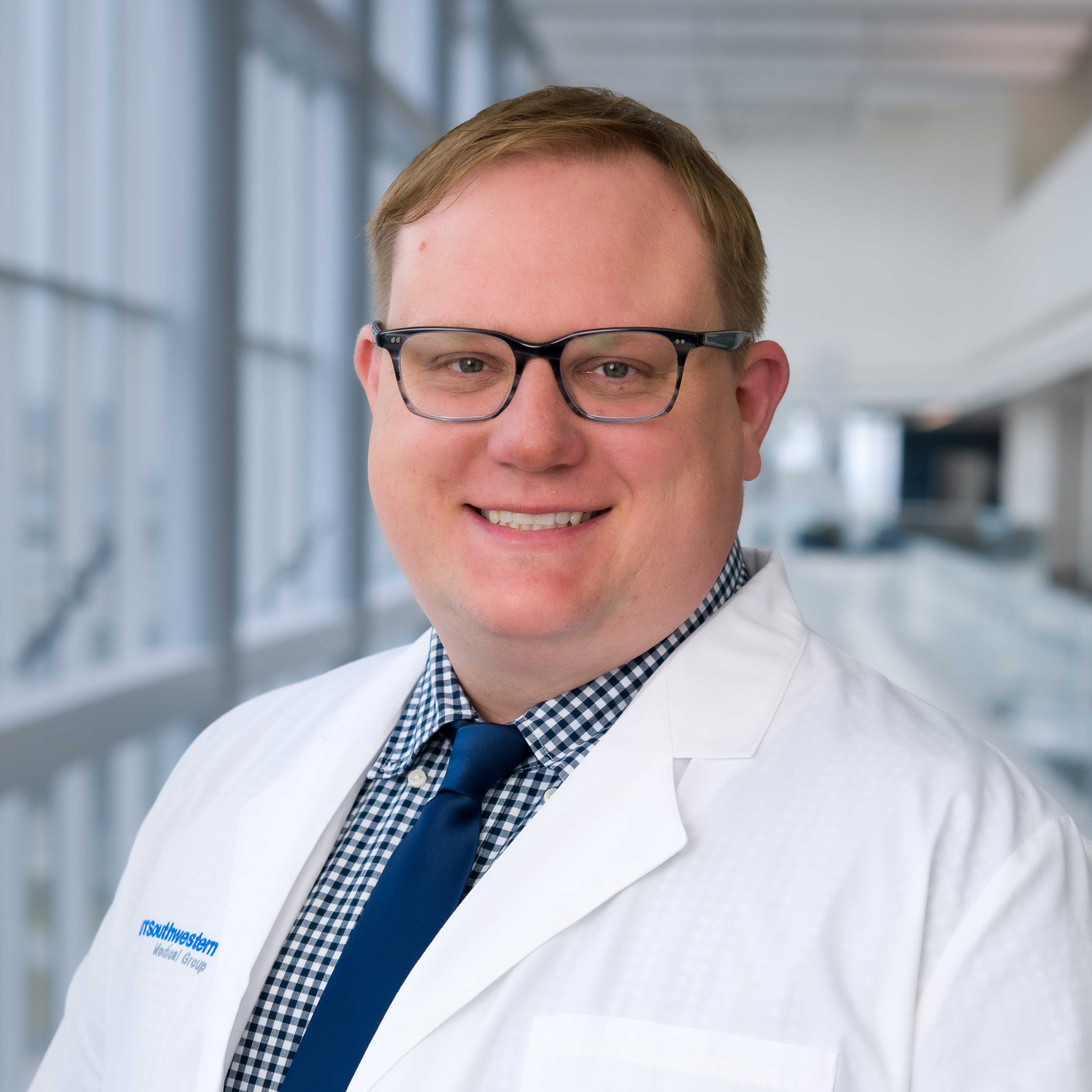
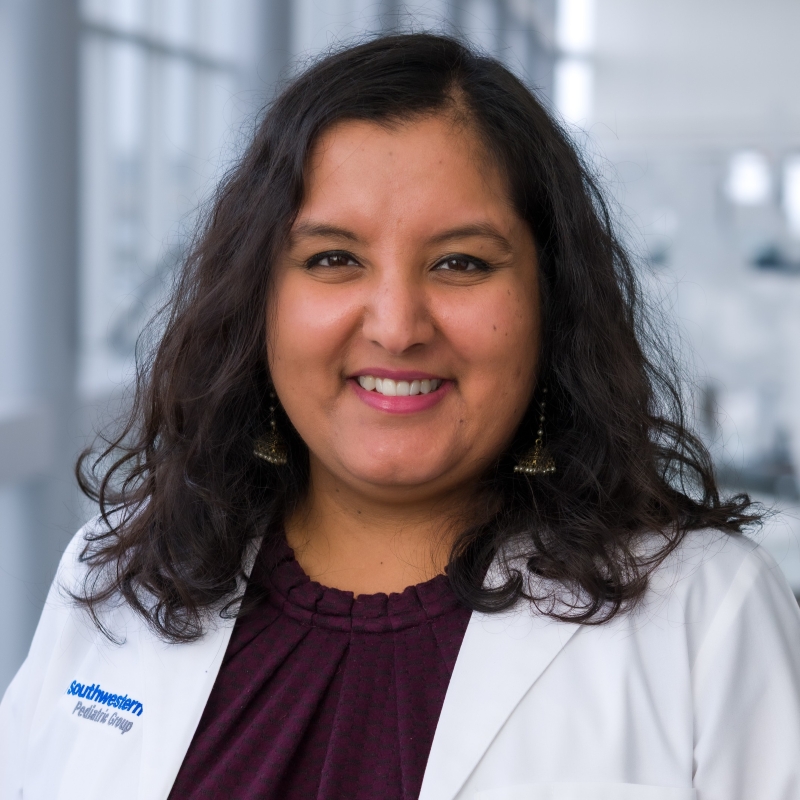
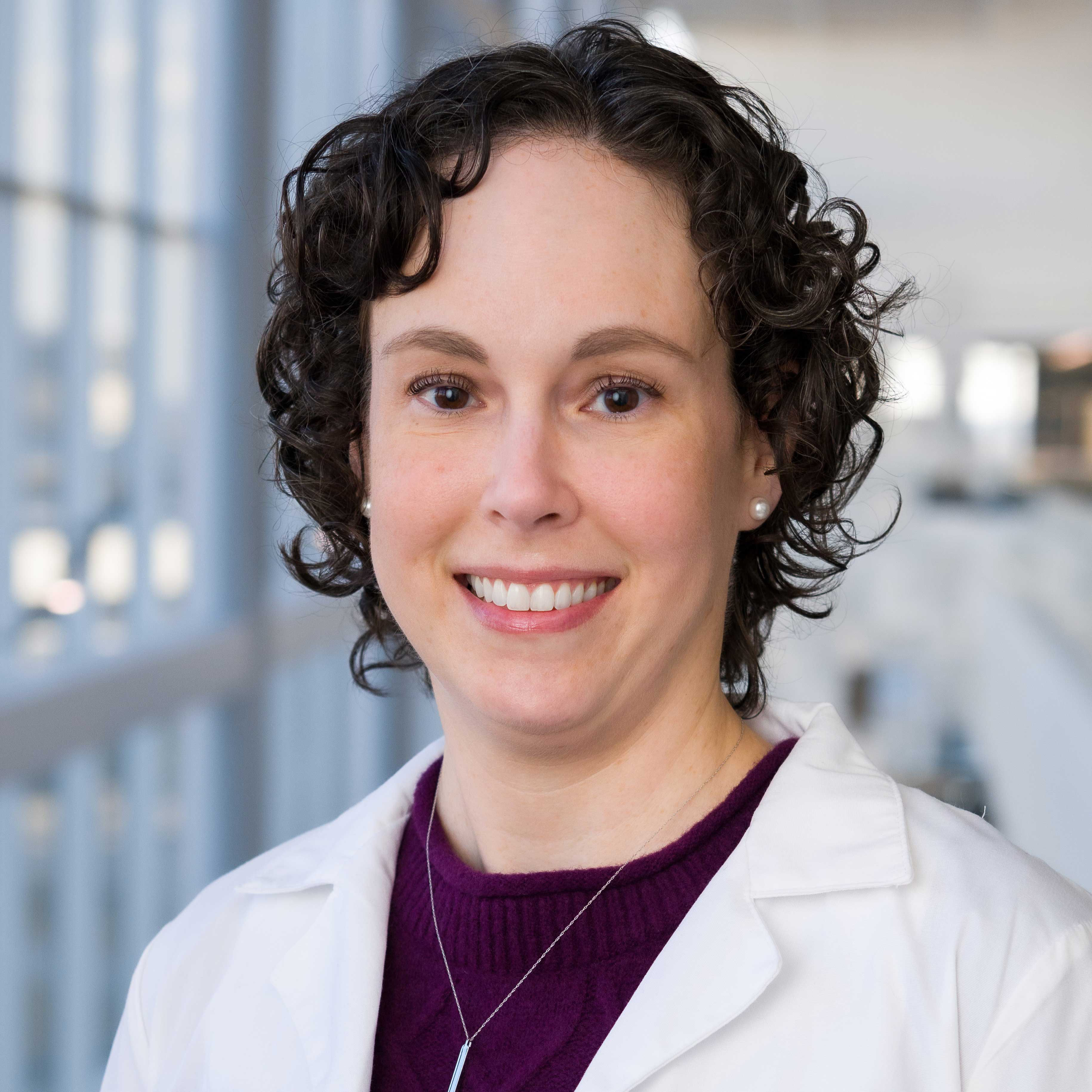
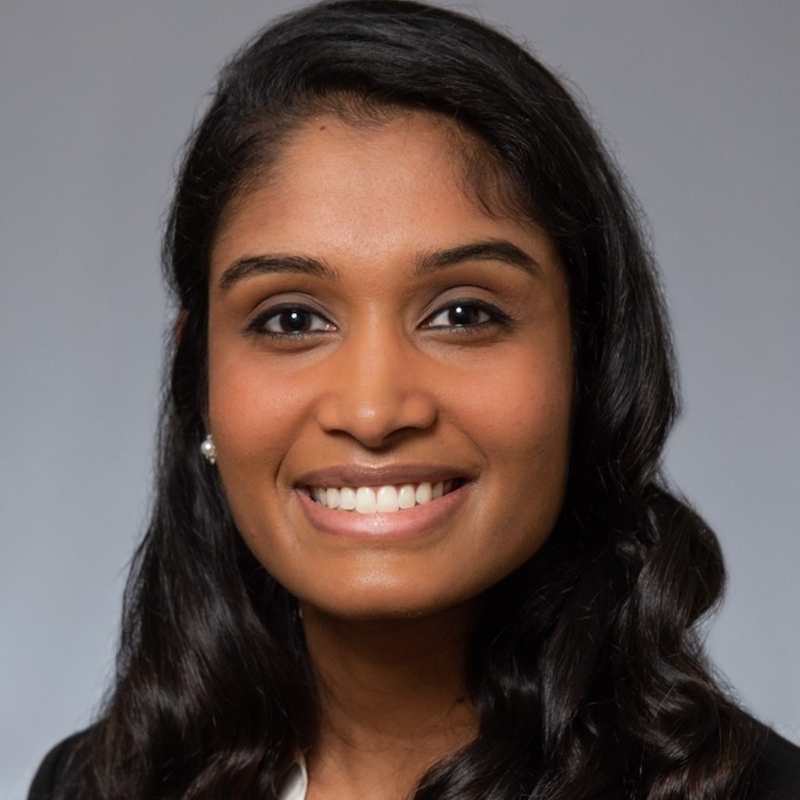
“Pursuing a child and adolescent psychiatry fellowship aligns seamlessly with my aspirations to build a career that integrates clinical care, advocacy, research, and community engagement.”
Fellows
- Year 1
Tanisha Adams, M.D., M.P.H.
Residency: UT Southwestern
Lydia Ademuwagun, M.D.
Residency: Duke University
Arnold Aslanian, M.D.
Residency: Texas Tech El Paso
Lauren Ford, M.D.
Residency: UT Southwestern
Ashley Huang, M.D.
Residency: UTHealth Houston at McGovern
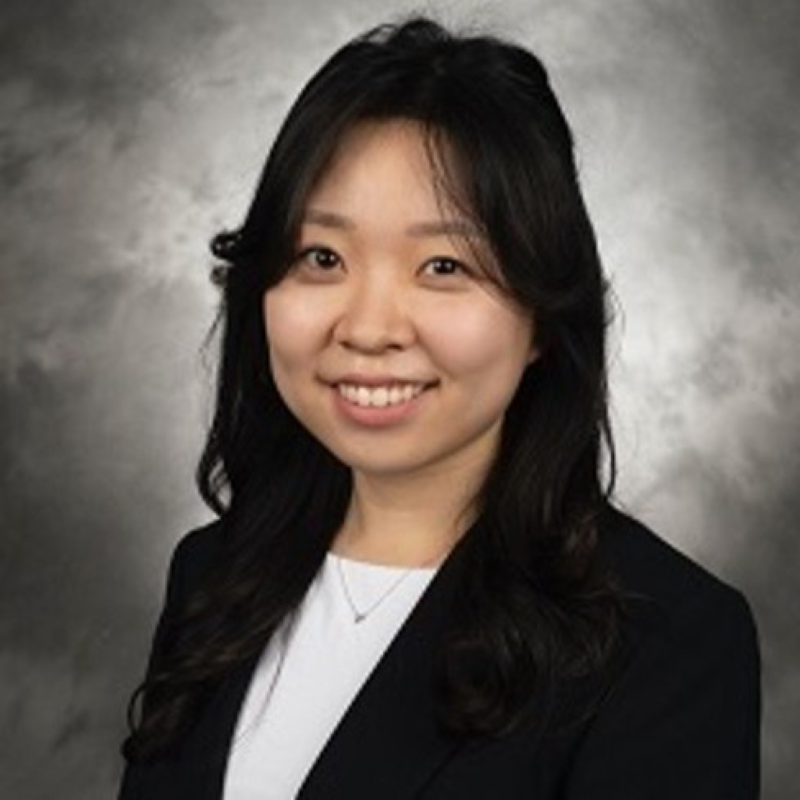
Celine Lee, M.D., M.P.H.
Residency: Baylor College of Medicine Baylor Scott & White Temple
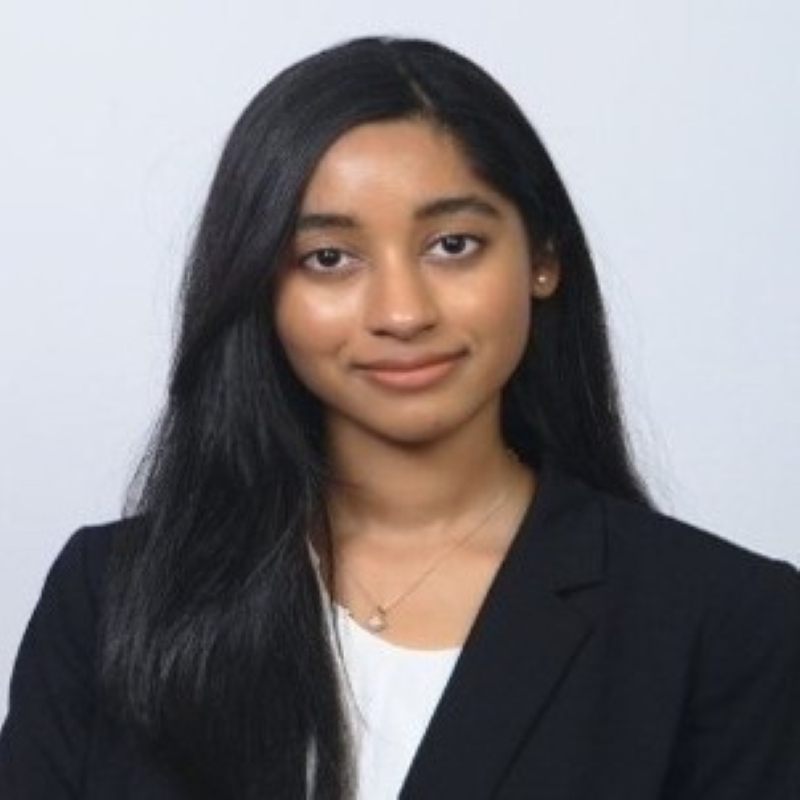
Fayeza Malik, M.D.
Residency: University of Miami/Jackson Health System
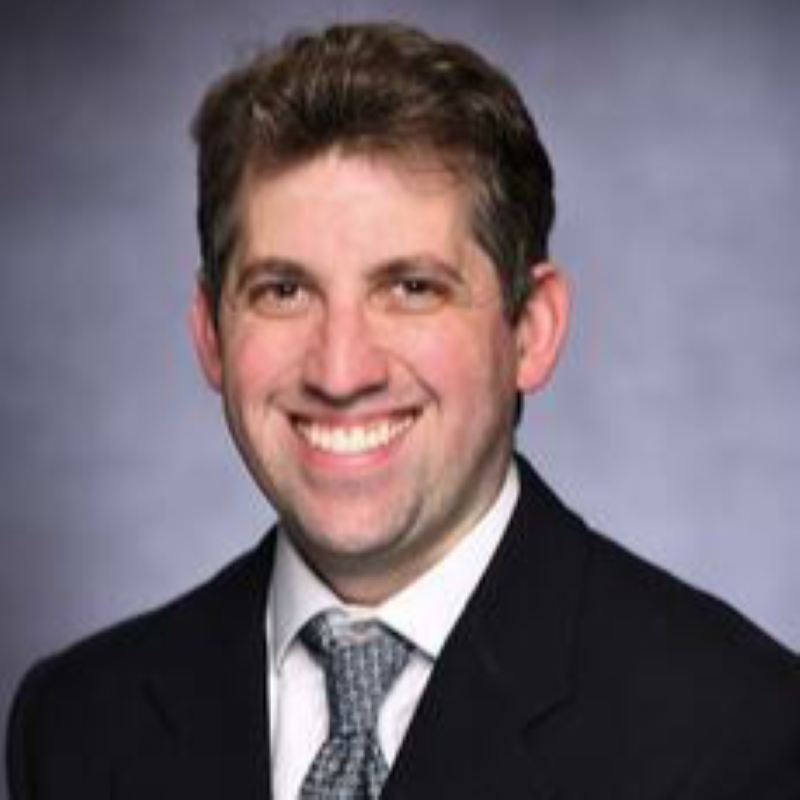
Gregory Morissey, M.D.
Residency: University of Kansas (Wichita)
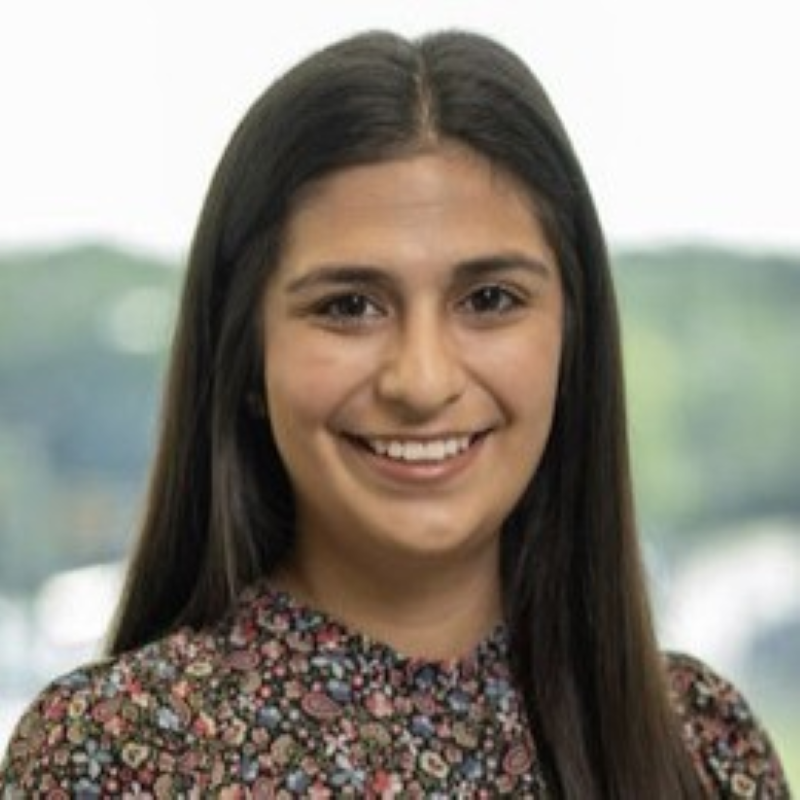
Alycia Ovalle Joseph, M.D.
Residency: Texas A&M University
Community Track
Temitope Adedolapo, M.D., M.S., M.B.A.
Residency: UT Southwestern
- Year 2
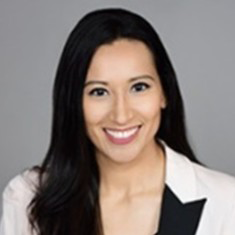
Victoria Ayala, M.D.
Residency: St John’s Episcopal Hospital, Queens, New York
Lucia Boettner, M.D.
Residency: Lincoln Medical and Mental Health Center, Bronx, New York
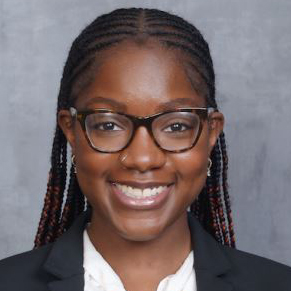
Courtney Chineme, M.D.
Residency: UT Southwestern (Child and Adult Psychiatry Combined Track)
Ari Gao, M.D.
Residency: Baylor College of Medicine
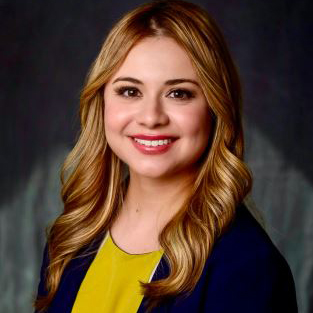
Hannah Gomez, M.D.
Residency: UT Southwestern (Child and Adult Psychiatry Combined Track)
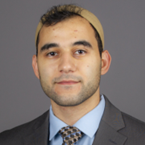
Alaa Hajeissa, M.D.
Residency: University of Illinois College of Medicine, Peoria
Jaid Hall, M.D.
Residency: University of Texas Health Science Center, San Antonio
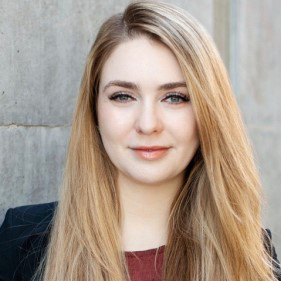
Caila Lavine, M.D.
Residency: UT Southwestern

Vimita Patel, M.D.
Residency: Saint Louis University School of Medicine
Community Track
Vismaya Joseph, M.D.
Residency: Baptist Health - University of Arkansas for Medical Sciences
- 2026 Graduate Accomplishments
Leadership and Professional Development
Helen Liljenwall presented research posters on eating disorders at both the International Conference on Eating Disorders and the Texas Society of Child and Adolescent Psychiatry Annual Meeting, and Swetha Ramamurthy presented posters on Interdisciplinary Education at APA and TSCAP.
Research Project Presentations
- An Examination of Coordinated Specialty Care Clinics for First-Episode Psychosis: A Systematic Review (Syshane Lu)
- Characterizing Catatonia in Children and Adolescents Before and After the COVID-19 Pandemic (Tarini Alapati)
- Characterizing Quality of Life, Medication Use, and Psychological Traits in Pediatric Functional Neurological Disorder Patients (Emily Nguyen)
- Dietary Patterns and Depressive and Anxiety Symptoms in Adolescents (Arpit Heer)
- Differences in Psychiatric Diagnoses and Medication Use Among Children with Child Welfare Involvement and Prenatal Drug Exposure (Swetha Ramamurthy)
- Poor Sleep, Poor Outcomes? Sleep Disturbance and Impulsivity in a Clinical Sample of Suicidal Youth (Shah Ali)
- Problematic Social Media Use and Screen Time in Relation to Mental Health Outcomes in the Texas Youth Depression and Suicide Research Network (Jatin Julakanti)
- Psychoeducation for South Asian Community Religious and Spiritual Leaders: A Pathway to Increased Awareness and Support for Depressed South Asian American Youth (Harini Suresh)
- The Impact of Parent and Family Relationships on High-Risk Behaviors Among Teens in a Suicide Prevention Program (Helen Liljenwall)
Teaching and Education
Helen Liljenwall served as a guest lecturer for the Brigham and Women’s Hospital Residency Program, presenting on the management of eating disorders in adults.
Swetha Ramamurthy contributed to medical education through volunteer work at the Simulation Center and participation in medical student teaching. She also delivered a presentation for a local school and developed and presented lectures on Child and Adolescent Psychiatry for the Adult Psychiatry Residency Program.
Advocacy and Community Service
Tarini Alapati participated in the legislative conference in Austin and served as the first-year class representative for the fellowship program.
Helen Liljenwall, a member of the Advocacy and Communications Committee of the Academy for Eating Disorders, received awards to attend the AACAP National Legislative Conference and organized and led a group of UTSW residents and fellows to participate in state advocacy conferences through TSPP and TSCAP during both years of the fellowship. In recognition of her advocacy efforts, she was selected to serve on the APA Council on Advocacy and Government Relations, beginning in June 2026.
Emily Nguyen peer-reviewed an article for the journal Academic Psychiatry with Dr. Trello-Rishel.
“Pursuing a fellowship in child and adolescent psychiatry aligns perfectly with my goals: to intervene early, empower families, and create environments where treatment and education intersect in a culturally sensitive manner.”
Rotations
Through our richly diverse patient population and myriad subspecialty programming, fellows experience caring for unique patient populations in hospital-based and community settings and are prepared to manage even the most challenging cases in this vastly underserved area of medicine. Children’s Medical Center Dallas is ranked nationally in all 11 specialty areas and is the only hospital in North Texas, and one of a select few in the U.S., to achieve this distinction. It is also ranked as the #1 children’s hospital in Dallas-Fort Worth and #2 in Texas. General psychiatry residents, neurology fellows, pediatric residents, medical students, psychology interns, and social work students also rotate through our training sites, ensuring a thoroughly multidisciplinary training experience.
Year 1
Recommended to have 1-2 psychotherapy patients
- Center for Autism Care
The UT Southwestern and Children’s Health℠ Center for Autism Care
This multi-departmental, multi-disciplinary program evaluates and serves children and adolescents with Autism Spectrum Disorder (ASD). Fellows will learn about interviewing and directly interview school-age and teenage patients for ASD diagnostic purposes with an attending physician behind the mirror and compare their clinical diagnostic interview with the Autism Diagnostic Observation Schedule (ADOS) completed by the psychologist. Fellows have the opportunity to observe the ADOS, learn how to score the ADOS, and compare their clinical impression with the ADOS. Fellows will also be able to interview children and adolescents to detect psychiatric co-morbidity in patients, which is an important part of learning. Fellows will learn how to conduct appropriate parent/family intake interviews and a thorough developmental history to detect ASD.
- Center for Pediatric Eating Disorders
The Center for Pediatric Eating Disorders at Children’s Medical Center, Plano, has 12 inpatient beds and offers Partial Hospitalization programming and an Intensive Outpatient Program. The unit admits children and adolescents between the ages of 2 and 18 years. The program also treats patients with Avoidant Restrictive Food Intake Disorder.
Fellows function as leaders of a multidisciplinary treatment team and provide evaluation as well as integrated multimodal treatment plans for individual, group, and family therapies and psychopharmacology.
The Children’s Medical Center Eating Disorders Program is the only facility in North Texas treating children and adolescents with eating disorders and comorbidities and the only pediatric eating disorders program in the United States with a Joint Commission Disease Specific certification.
- Day Treatment Service
The Children's Medical Center, Dallas, Day Treatment Service is a partial hospitalization program that runs 5 days/week, 7 hours/day and is designed to increase the level of emotional and behavioral functioning of children and their families in the home, school, and community. Multimodal treatment is offered, including milieu, individual, family, and group therapy, focused on obtaining a thorough diagnostic assessment, managing psychopharmacology, and helping the patient and family develop skills to successfully manage symptoms in the home and school environment.
- Pediatric Consult-Liaison Service
This multidisciplinary team evaluates and treats the emotional, behavioral, and cognitive needs of patients receiving care at Children’s Medical Center, Dallas. Youth with co-morbid medical and mental health illnesses are seen in settings including inpatient medical floors, the emergency department, and outpatient clinics. During the C/L rotation, each fellow is integral in achieving the goals of the service, including facilitating early recognition and treatment of psychiatric disorders in physically ill children and adolescents, differentiating psychiatric illnesses presenting with physical symptoms, avoiding unnecessary diagnostic tests and procedures, supporting youth and their families coping with disease and its treatment, and assisting medical teams in understanding the reactions and behaviors of physically ill youth and their families.
- Pediatric Neurology Outpatient Clinic
Children’s Medical Center, Pediatric Neurology Outpatient Clinic
In addition to learning diagnostic and treatment skills in the overlap of pediatric neurology and psychiatry, fellows assist neurologists in identifying patients with underlying psychiatric illnesses and in treatment referrals. Fellows are assigned to different pediatric neurology attendings and see 2-4 cases per morning, attain histories and complete neurological exams. Common diagnoses include seizure disorders, headaches, post-traumatic stress injury, traumatic brain injury, developmental delays, and genetic syndromes.
- Substance Abuse Intensive Outpatient Program
Children’s Medical Center, Teen Recovery Substance Abuse Intensive Outpatient Program
This dual-diagnosis program for teenagers with mental illness and co-occurring substance abuse issues is an intensive outpatient program with a group-based treatment model. Fellows participate in initial substance abuse evaluations and provide psychiatric management as appropriate and participate in group therapy.
- Henry Wade Juvenile Justice Center
The Henry Wade Juvenile Justice Center, a low security level county juvenile detention center located in Dallas, houses male offenders convicted for crimes under Texas state and federal laws. As part of their forensic experience, fellows conduct evaluations and medication management appointments with Child and Adolescent Psychiatrists at the detention center and have opportunities to attend group therapy sessions.
- Health Care for Foster Children
Rees-Jones Center for Foster Care Excellence
This multi-disciplinary program based in pediatrics has services from child and adolescent psychiatry, psychology, child protective services, and pediatrics so that children in foster care may have one place to come for their care. The team works collaboratively with child-placing agencies and community providers to coordinate treatment for this vulnerable population. Fellows will evaluate children and adolescents and develop treatment plans with the multi-disciplinary team.
- Vanguard Preparatory School
For more than 30 years, Vanguard Preparatory School has served students with autism, learning differences, social-emotional challenges, and other needs. Through classroom observation and discussions with teachers and support staff, fellows gain an understanding of how this therapeutic private school supports neurodiverse learners.
- Terrell State Hospital
Terrell State Hospital includes a child unit, girls unit, and boys unit, with bed capacity up to 30. Patients have a broad range of diagnosis, including some forensic cases. The average inpatient stay is approximately 6 weeks, but acute admissions are also seen, as well as complex cases that may be hospitalized for months. The campus has a school that patients attend and where fellows have the opportunity to rotate.
Year 2
Recommended to have 3-4 psychotherapy cases (can include one family case)
- Outpatient Clinic
The Children's Medical Center Psychiatry Outpatient Clinic provides ongoing care of patients who are discharged from the psychiatric inpatient and day treatment services, as well as evaluating community referrals and providing treatment for children and their families at the outpatient level of care. Fellows conduct evaluations and treatment with a wide range of children and adolescents. The Outpatient Clinic is a required 12-month rotation for second-year fellows. Fellows see approximately 2-4 new cases each week and have 10-15 follow-up appointments per week. Specialty Clinics are offered in the areas of depression and early childhood multidisciplinary assessments. The depression clinic provides evidence-based assessments and treatment, as well as access to research protocols. Two hours per week are spent in group supervision during the depression clinic meetings.
- Intensive Outpatient Program for Suicidal Ideation
The Suicide Prevention and Resilience at Children’s (SPARC) program is an intensive outpatient program focused on teenagers who are experiencing or have recently had suicidal ideation but do not require hospitalization. Patients step down from higher levels of care or are referred from the emergency department or outpatient therapy. The program is group based, and patients learn coping skills, communication skills, and ways to manage emotions. Fellows attend groups, evaluate patients, manage medications, and coordinate care with other services.
- Outpatient Community Psychiatry Sites
Community Psychiatry Workforce Expansion is a program funded by the Texas Legislature through the Texas Child Mental Health Care Consortium that allows fellows and residents to have a community psychiatry experience under the supervision of a UT Southwestern Faculty child psychiatrist. Trainees carry a caseload of patients and work with a multidisciplinary team in a community mental health center to provide care and learn the unique aspects of this population. Rotations include on site care at urban centers and virtual care for more rural settings. Multidisciplinary team meetings and case staffing are part of the training.
Electives
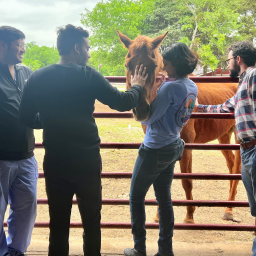
Fellows choose from various elective experiences to help enhance their educational experience with specific areas of interest:
- Additional psychotherapy experiences
- Specialized consultation-liaison psychiatry clinics: referral and evaluation of at-risk children, childhood obesity, pain management, sleep medicine, adolescent young adult medicine
- Research work with faculty in areas such as use of ketamine
- Child Psychiatry Access Network
- Texas Child Health Access Through Telemedicine