
Vascular Neurology Fellowship
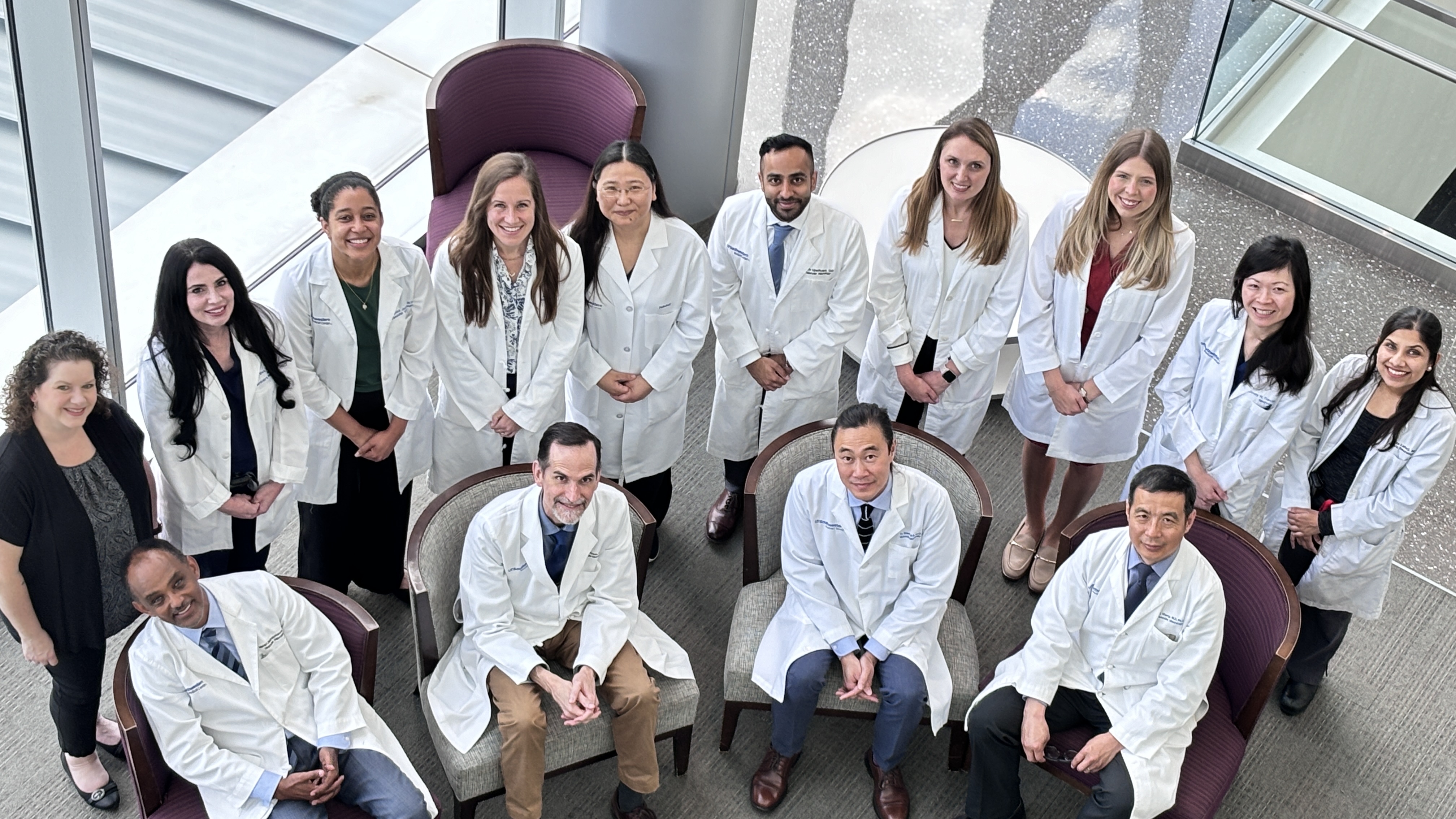

Our fellowship offers unmatched exposure to a wide range of cerebrovascular pathologies across diverse patient populations. Through training at our academic medical center, affiliated community hospital, and children’s hospital, fellows gain a comprehensive experience—supported by exceptional opportunities for both clinical and academic development.”
Unique Features
Recognized by U.S. News & World Report as a high-performing stroke center, our Vascular Neurology Fellowship provides comprehensive training in cerebrovascular disease care and research. Fellows gain hands-on experience at two certified Comprehensive Stroke Centers—Clements University Hospital (Joint Commission/AHA) and Parkland Hospital (DNV)—covering acute stroke care, prevention, and subspecialties such as moyamoya, pediatric stroke, rare genetic disorders, and neurosonology. The program emphasizes scholarly growth through clinical trials, patient-centered outcomes research, and participation in landmark initiatives. Fellows have the opportunity to work with faculty leading the Addressing Real-world Anticoagulant Management Issues in Stroke (ARAMIS) Registry, a nationwide quality improvement effort that builds upon the AHA’s Get With The Guidelines—the largest ongoing stroke registry in the country.
View clinical & research faculty
2
Comprehensive Stroke Centers
3
Up to 3 positions
50+
Dedicated beds across 2 neurovascular units
36
Dedicated beds across 2 Neurocritical Care Units
Program Specifics
Learn more about our one-year ACGME-accredited fellowship.
- Clinical Training
Shaped by their own clinical expertise, our faculty have established subspecialty care lines, providing fellows with the flexibility to tailor their training to individual career goals.
- Inpatient Service at Clements University Hospital: Three one-month blocks where fellows take an active role in coordinating patient care across multidisciplinary teams, leading diagnostic and treatment decisions, which enhances decision-making skills. As a comprehensive stroke center, fellows have access to advanced imaging for diagnosis and intervention.
- Inpatient Service at Parkland Hospital: Three one-month blocks at Dallas County's safety net hospital (the largest of its kind), which is both a comprehensive stroke center and a Level I trauma center, and serves a diverse patient population. Fellows learn to coordinate patient care across multidisciplinary teams and make fast-paced decisions for critically ill and polytrauma patients, often in time-sensitive situations.
- Neurocritical Care at Clements University Hospital: This one-month block bridges stroke and critical care medicine, emphasizing the continuum of care from emergency intervention to intensive monitoring. This rotation strengthens proficiency in interpreting neuroimaging and multimodal monitoring data.
- Interventional Neuroradiology at Clements University Hospital and Parkland Health: one block at each hospital provides fellows with in-depth exposure to the endovascular diagnosis and treatment of cerebrovascular diseases. This experience enhances understanding of both the technical and clinical aspects of neurointerventional care, complementing the fellow’s stroke training.
- Physical Medicine and Rehabilitation: one block divided between inpatient rehabilitation and outpatient clinics, including exposure to post-stroke botulinum toxin injections.
- Children's Health: pediatric neurovascular-specific inpatient consult and outpatient experience with stroke-trained pediatric neurologists
- Continuity Clinic at Aston Ambulatory Center: each fellow has an individual neurovascular clinic geared toward rare diseases and stroke causes, interesting imaging, and other less commonly seen cerebrovascular disorders
- Special Opportunity: Dr. Mehari Gebreyohanns leads a month-long clinical neurology rotation in Ethiopia, providing exposure to diverse healthcare systems and unique disorders.
Our program prepares graduates for ABPN Vascular Neurology board certification. There is an optional two-year Neuroendovascular/Neurointerventional fellowship for those who wish to specialize and pursue advanced research opportunities.
- Didactic Training
Didactics provide our trainees with time to reflect on clinical nuances, discuss recent discoveries and changes in guidelines, learn from complex cases, and take a thoughtful approach to building human connections with our patients. The following are touchpoints to deepen understanding of Cerebrovascular Diseases while broadening the knowledge base in neurology.
Weekly:
- Cerebrovascular Conference: to discuss complex care with Neurocritical Care, Neurointerventional Radiology, Cerebrovascular Diseases and Stroke, and Neurosurgery.
- Department Grand Rounds: All faculty, APPs, residents, and fellows join departmental grand rounds in person to hear from leading national experts. These sessions provide a platform for in-depth discussions of recent advances and cutting-edge research across various specialties. It encourages critical thinking by presenting complex diagnostic challenges, novel treatment approaches, and emerging scientific insights.
Monthly (On an alternating week schedule):
- Neuroradiology Conference: A collaborative neurovascular and neuroradiology conference where fellows and faculty review and discuss complex and interesting imaging cases. These sessions provide valuable learning opportunities to refine imaging interpretation skills, deepen understanding of cerebrovascular pathology, and enhance interdisciplinary decision-making in patient care.
- Fellow Case Conferences: Goal is to enhance clinical reasoning and management skills. Fellows, residents, and faculty collaboratively review complex and unique cases. The interactive format enables multidisciplinary discussion and promotes evidence-based decision-making.
- Journal Club Classics: "Stroke Classics” to review landmark and contemporary stroke trials, discuss the evolution of cerebrovascular care, and reinforce key concepts essential for board preparation. Guided by expert faculty, sessions emphasize critical appraisal of evidence, updates in clinical practice, and integration of new data into patient management.
- Joint Neurocritical Care and Stroke Journal Club: critical discussion of emerging research, clinical trials, and complex cases. Participants gain a broader perspective on both acute and long-term management, strengthen their skills in evidence-based analysis, and foster a deeper understanding of shared patient populations.
- Neurosonology: Fellows gain hands-on experience in neurovascular imaging, interpretation, and application to patient care. Fellows read carotid and transcranial Doppler ultrasounds under the guidance of 4 RPNI (Registered Physician in Neurovascular Interpretation) accredited faculty. This training can supplement the RPNI national certification, which can be obtained during the fellowship if desired.
- Quality Improvement: Case-based discussions focused on enhancing patient safety, optimizing care processes, and promoting continuous improvement in clinical practice and workflow efficiency.
Simulation Education
Simulation education is a large component of the fellowship curriculum to develop procedural proficiency (central venous cannulation, arterial cannulation, endotracheal intubation, bedside critical care ultrasound, bronchoscopy, chest tubes, advanced airway, etc.), as well as teamwork and communication skills (Code Blue & high-fidelity training). The UTSW Simulation Center is one of the largest and state-of-the-art facilities in the nation and includes virtual reality technology, task-trainers, high-fidelity environments, and a team of educators to assist with curriculum and content development. Fellows also have the opportunity to become certified in Simulation Education or participate in other educational endeavors (e.g., curricula development, medical student education, etc.) if they are seeking a career in education.
- Research Opportunities
Section Research
The Cerebrovascular Diseases & Stroke section is actively involved in advancing clinical research and is currently enrolling the OCEANIC-STROKE phase III study and BOOST3. We have a research network with the Lone Star Stroke Research Consortium, CuringComa Campaign, and the Dallas Heart Study.
Fellow Research Opportunities
Fellows have the opportunity to work with faculty leading the Addressing Real-world Anticoagulant Management Issues in Stroke (ARAMIS) Registry, a nationwide quality improvement effort that builds upon the AHA’s Get With The Guidelines—the largest ongoing stroke registry in the country. Working alongside world-renowned experts and in collaboration with the Biostatistics and Clinical Informatics team, fellows develop skills in grant writing, data collection and analysis, and scientific writing for publication.
We have several faculty who serve as mentors, 4 of whom lead NIH-funded basic research, clinical trials, epidemiological, and observational studies:
- Stroke Outcomes Research - Dr. Ying Xian, M.D., Ph.D.
- Health disparities and social determinants of stroke - Erica Jones, M.D.
- Epidemiological and clinical research in stroke and cardiovascular diseases - Jiang He, M.D., M.S., Ph.D.
- Molecular mechanisms of neurodegeneration and cell death in brain injury - Yingfei Wang, Ph.D.
- Metabolic and vascular risk factors for cognitive decline - Ihab Hajjar, M.D.
- Exercise training/physical activity on cerebrovascular function and brain aging - Rong Zhang, Ph.D.
Fellows showcase their work at the Annual Neurology Research Day, where their research projects are evaluated on originality, study design, significance, and independence of work. This provides constructive feedback to prepare them for national meetings, such as the International Stroke Conference, the American Academy of Neurology Annual Meeting, etc.
Funds to Attend Conferences
Trainees have educational funds and can apply for scholarship funds to support attendance when presenting an abstract or poster at a conference. Fellows can apply for the UTSW-led Clinical and Translational Science Award and OBI travel funds.
- Program Leadership & Application Information
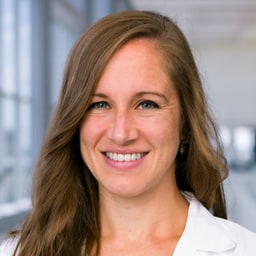
Program Director
Requirements
Applicants must have completed adult or pediatric neurology residency training at an ACGME-accredited program.
Application
Applications are generally accepted 18 months before the anticipated start of training through the Electronic Residency Application Service (ERAS). Available positions will be offered through the National Resident Matching Program (NRMP). A complete application requires the following documents for submission:
- Personal Statement
- CV
- Educational Commission for Foreign Medical Graduates (ECFMG) Certificate (if applicable)
- Three letters of recommendation (one from your current program director)
- USMLE score report or equivalent
Typical Timeline
- December: ERAS registration opens on 1 December
- January - April: application review and virtual interviews throughout
- April: rank lists are finalized and submitted at the end of April
- May: Match results in mid-May
Questions? neurofellowship@UTSouthwestern.edu us.
Current Fellows
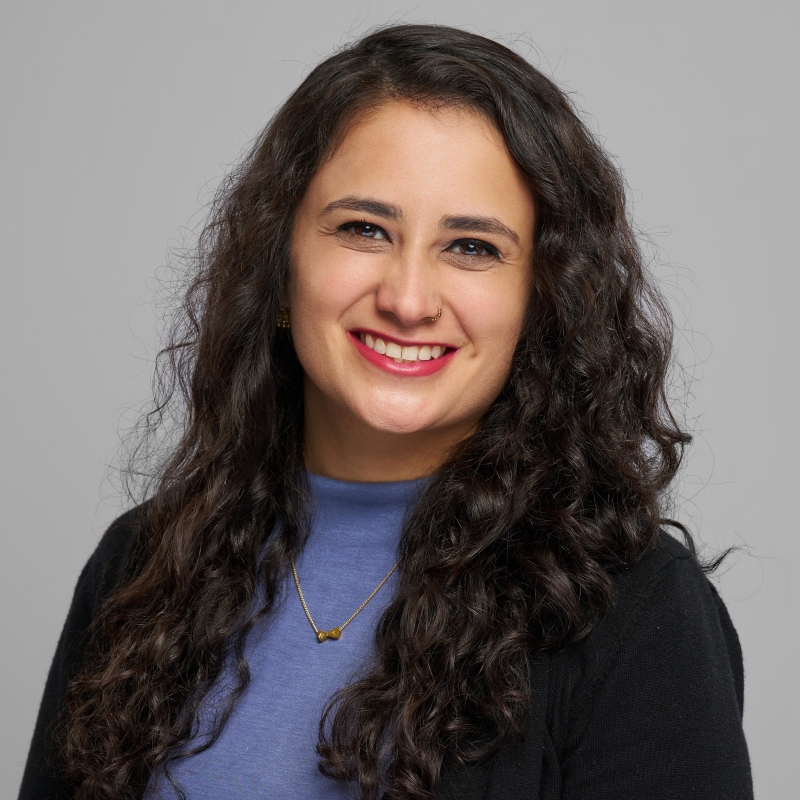
Reha Rabbani, M.D.
Residency: Wright State Univ.
Medical School: Northeastern Ohio Univ.
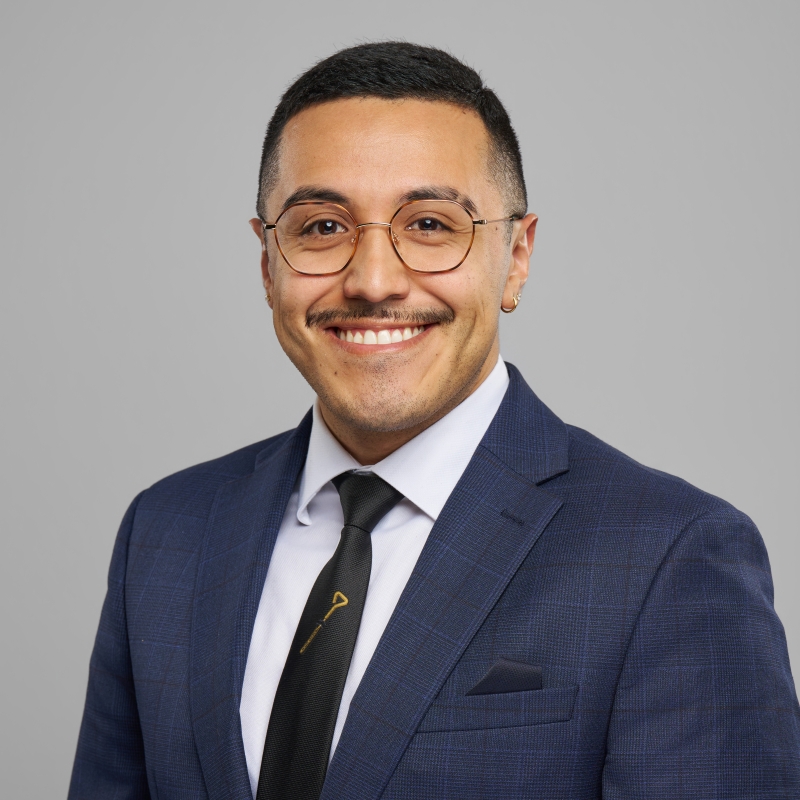
David Rendon, D.O.
Residency: Baylor College of Medicine
Medical School: Kansas City Univ.
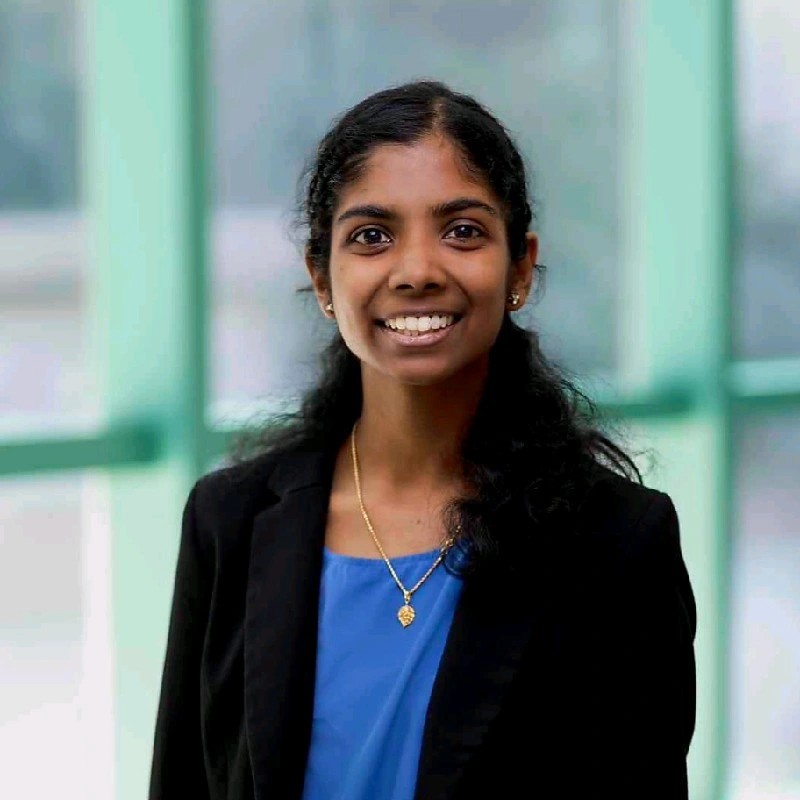
Suriya Subramanian, M.D.
Residency: UTSW, Child Neurology
Medical school: Creighton Univ.
From Fellowship Alumni
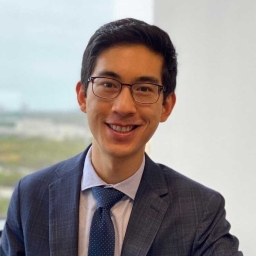
"One of the best parts of the program is the people—the faculty, staff, and residents truly stood out. Drs. Johnson and Shang were incredibly supportive and provided opportunities to participate in stroke hospital performance improvement projects and clinical research as a trainee—both of which I continue to use in my own practice. The fellowship prepared me well to manage a comprehensive stroke center in the DFW area. I now also have connections to other vascular neurologists in the area to collaborate with when the occasion arises."

"I had the opportunity to learn from outstanding faculty across vascular neurology, neurocritical care, neurosurgery, and neuro-interventional radiology, and participated in a joint monthly journal club with NCC. I leveraged my pediatric neurology background to support patients transitioning from pediatric to adult care—such as those with MELAS—and spent elective time with pediatric vascular neurologists at Children’s Hospital. I enjoyed leading stroke education sessions for DFW first responders as part of UTSW’s outreach efforts."