
Headache Medicine Fellowship
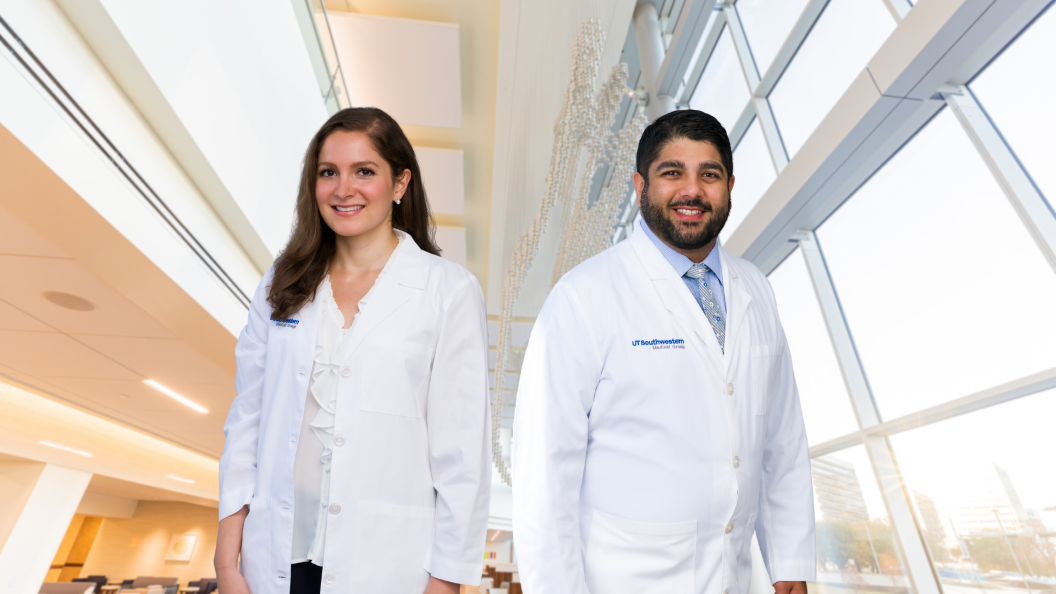

We are recognized as one of the few centers available in Texas that treats complex headache disorders. We are here to support your unique career path by helping you define your practice style through a curated curriculum based on your interests."
Unique Features
Fellows have opportunities to pursue projects addressing health care disparities in headache medicine, as well as initiatives in quality improvement. As a regional leader in headache care, we receive referrals from across the southwestern United States, offering a diverse and enriching clinical experience. Our curriculum includes a broad range of electives—such as sleep medicine, oral and maxillofacial surgery, pain management, and ophthalmology—and provides dedicated exposure to pediatric headache. At our county hospital, Parkland Health, fellows gain hands-on experience and develop autonomy performing procedures, including Botox injections and nerve blocks.
View clinical & research faculty
Program Specifics
Learn more about our one-year United Council for Neurological Subspecialties (UCNS) accredited program.
- Clinical Training
The core curriculum focuses on the outpatient management of headache disorders in adults. Altogether, our headache faculty provide 13 clinic sessions per week.
- Headache Clinic at Aston Ambulatory Care Center: Exposure to outpatient headache, concussion, and sports medicine. Fellows become proficient in headache treatment procedures (i.e., chemodenervation, peripheral nerve blocks, transnasal sphenopalatine ganglion blocks).
- Headache Clinic Parkland Health: a Dallas County-supported safety-net hospital where fellows provide both inpatient and outpatient care for patients with headache disorders. Patients from a variety of racial and ethnic backgrounds receive care at Parkland through local, state, and federal funding.
- Children’s Health: fellows spend one day a week in pediatrics, treating patients with headache disorders. (A separate, one-year fellowship program for pediatric headache medicine is offered through Children's Health.)
Electives: neuro-ophthalmology, sleep medicine, oral maxillofacial disorders, pain management, concussion, and other disciplines as desired.
- Didactic Training
Didactics provide trainees with time to reflect on clinical nuances, discuss recent discoveries and changes in guidelines, learn from complex cases, and take a thoughtful approach to building human connections with our patients. The following are touchpoints to deepen understanding of headache medicine while broadening the knowledge base in neurology.
- Weekly:
- Departmental Grand Rounds: All faculty, APPs, residents, and fellows join departmental grand rounds in person to hear from leading national experts. These sessions provide a platform for in-depth discussions of recent advances and cutting-edge research across various specialties. It encourages critical thinking by presenting complex diagnostic challenges, novel treatment approaches, and emerging scientific insights.
- Monthly:
- Fellowship Lecture Series: one Friday afternoon a month, where speakers from the neurology department and other departments give lectures related to headache disorders. As educators, fellows present three lectures throughout the year.
- Weekly:
- Research Opportunities
Fellow Research Opportunities
Under the guidance of faculty who are UCNS-certified and nationally recognized for leadership within the American Headache Society (AHS), fellows conduct research in healthcare disparities and quality improvement projects. Our integrated Biostatistics and Clinical Informatics section enriches research mentorship by collaborating with fellows to develop high-quality study designs.
Fellows showcase their work at the Annual Neurology Research Day, where poster sessions are evaluated on originality, study design, significance, and independence of work. This provides constructive feedback to prepare them for national meetings.
Funds to Attend Meetings
Trainees have educational funds and can apply for the Frontiers in Headache Medicine award to support attendance to present at one of two flagship conferences:- American Headache Society - clinical meeting in Scottsdale every fall
- American Headache Society - basic science research meeting in June.
Additionally, fellows can apply for the UTSW-led Clinical and Translational Science Award and OBI travel funds.
- Program Leadership & Application Information
Director, Headache Medicine Fellowship
Requirements
Applicants must have a medical degree (or equivalent) from an approved LCME-accredited medical school, satisfactory completion of an Adult Neurology Residency from an ACGME-accredited program, and be board-eligible or board-certified by the American Board of Psychiatry & Neurology. Applicants must also be U.S. citizens and have a current green card.
Application & Typical Timeline
Application season begins March 1 and ends in June, followed by Match in August.
To apply, please email the following documents for review:
- Personal Statement
- CV
- ECFMG Certificate (if applicable)
- J1 status (if applicable)
- Three letters of recommendation (one from your current program director)
- USMLE score report or equivalent
- Medical school transcripts
- Residency transcripts
- Current photo
View Alumni from All Fellowship Programs
Questions?
Email us.