
Research in Endocrinolgy
Our endocrinology researchers investigate the molecular, genetic, and metabolic mechanisms underlying endocrine disorders and related diseases. Their work spans diabetes and insulin resistance, lipodystrophy, lipid metabolism, phosphate homeostasis, and cancer biology, using innovative approaches to advance understanding of disease and identify new opportunities for diagnosis and treatment.

Research Interests: Our research relates to congenital generalized lipodystrophy, an autosomal recessive disorder characterized by extreme lack of body fat since birth, severe insulin resistance, hypertriglyceridemia, hepatic steatosis, and early onset of diabetes.

Research Interests: Dr. Garg's research includes diet therapy of diabetes, insulin resistance disorders, diabetic dyslipidemias, and lipodystrophies. Current projects include researching metabolic and genetic basis of familial lipodystrophies, mechanisms of lipodystrophies in HIV-infected patients, and the development of diet therapies for diabetes.

Research Interests: The McFadden Lab uses small molecule and genetic screening strategies to identify chemically-tractable vulnerabilities in cancer. Current projects are focused on thyroid cancer and fusion-positive sarcomas including Ewing sarcoma.
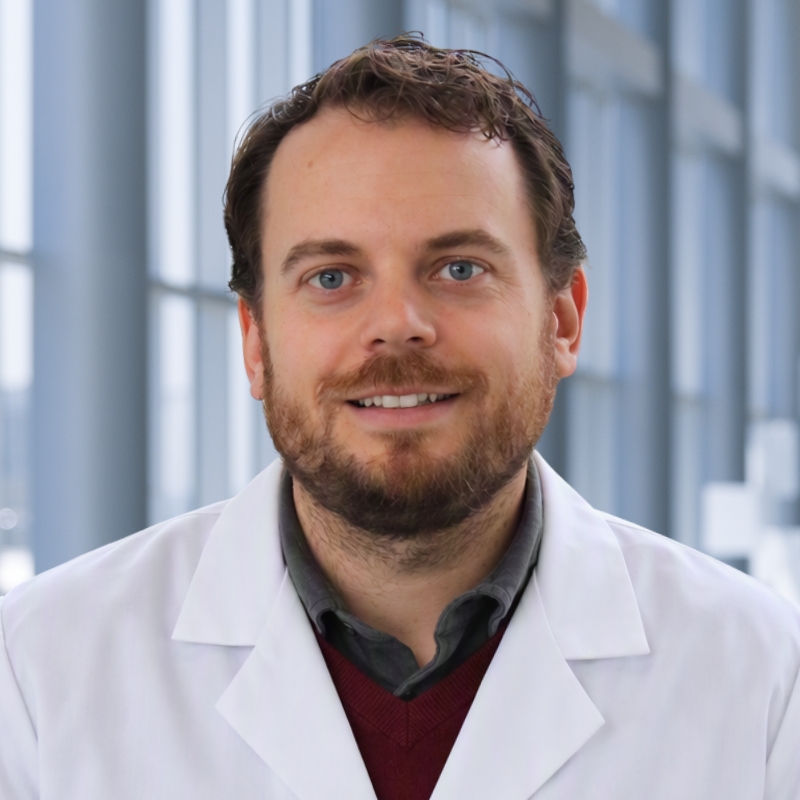
Research Interests: Our laboratory develops unbiased chemical genetics approaches to discover, understand, and therapeutically exploit functional cancer vulnerabilities that cannot be predicted from cancer genomics alone. We combine chemical biology, forward genetics, functional genomics, and phenotypic screening to uncover therapeutic opportunities in cancers lacking effective targeted therapies and in tumors that evolve under therapeutic pressure. Current projects are focused on small cell lung cancer, an aggressive form of lung cancer.

Christoph Zechner, M.D., Ph.D.
Research Interests: The Zechner Lab leverages cutting-edge approaches, including CRISPR-based genome-wide forward genetic screens, to uncover the molecular pathways that control cellular phosphate homeostasis and to identify the machinery responsible for phosphate sensing.