
Search
ER patient portal usage increasing, study shows: Newsroom - UT Southwestern, Dallas, Texas
https://www.utsouthwestern.edu/newsroom/articles/year-2024/may-patient-portal-er-visits.html

More people are using online patient portals to view their information while in the emergency room, but access is challenging for members of medically underserved communities and the elderly, UT Southwestern Medical Center researchers and national colleagues found in a new study.
Stay alert to avoid falls that can cause serious injuries, UT Southwestern orthopedist says : Newsroom - UT Southwestern, Dallas, Texas
https://www.utsouthwestern.edu/newsroom/articles/year-2023/february-avoid-falls.html

Slipping on ice or tripping over a curb can result in broken bones or more serious injuries. To avoid taking an unexpected tumble, it’s important to be aware of your surroundings and watch where you’re walking, a UT Southwestern Medical Center orthopedist advises.
Grant supports UTSW push to make genomic data more accessible: Newsroom - UT Southwestern, Dallas, Texas
https://www.utsouthwestern.edu/newsroom/articles/year-2022/grant-supports-utsw.html
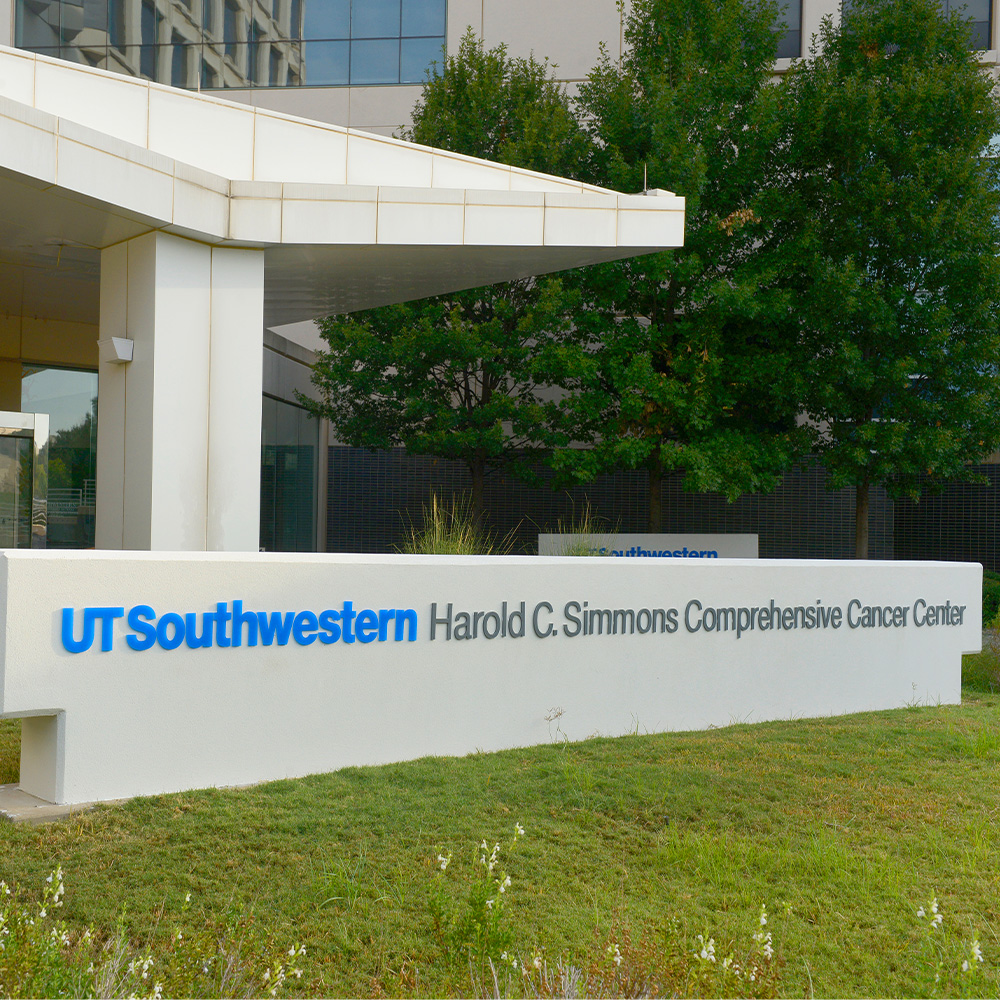
Researchers at UT Southwestern’s Harold C. Simmons Comprehensive Cancer Center are developing an innovative interface to make the wealth of genomics data from next-generation sequencing visible and actionable in real time for clinicians and researchers.
UT Southwestern Voice Center study profiles hundreds of injured singers: Newsroom - UT Southwestern, Dallas, Texas
https://www.utsouthwestern.edu/newsroom/articles/year-2022/voice-center-study.html
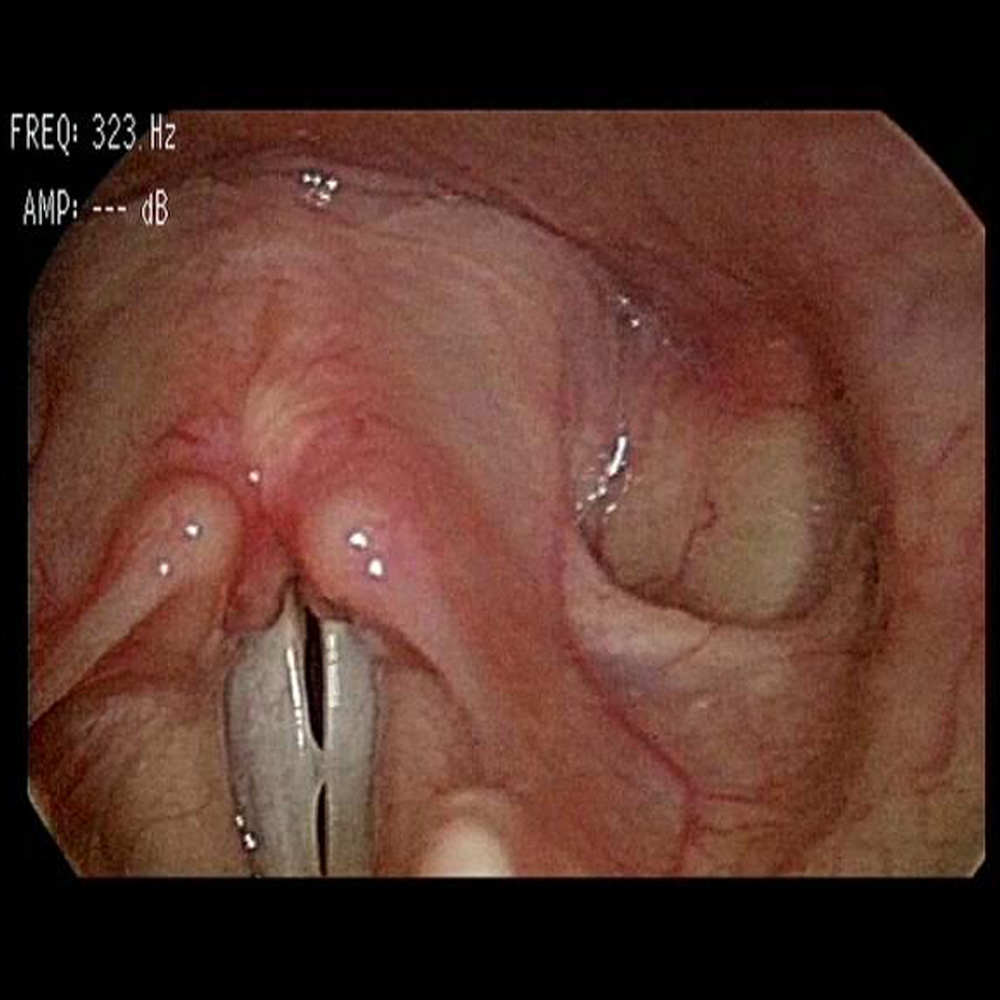
An analysis of more than 400 singers who sought treatment at UT Southwestern Medical Center for vocal injuries provides a wealth of data on a topic that’s often considered taboo to discuss in the singing community.
AI can identify stroke types using clinical notes, study shows : Newsroom - UT Southwestern, Dallas, Texas
https://www.utsouthwestern.edu/newsroom/articles/year-2025/oct-ai-strokes.html

Using only text from doctors’ notes and radiology reports, an artificial intelligence (AI) program known as GPT-4o reliably identified patients’ types of strokes, UT Southwestern Medical Center researchers found.
UTSW builds AI-driven system to improve data collection : Newsroom - UT Southwestern, Dallas, Texas
https://www.utsouthwestern.edu/newsroom/articles/year-2025/july-ai-model-speeds-medical-data-extraction.html

A multidisciplinary team at UT Southwestern Medical Center has developed an artificial intelligence (AI)-enabled pipeline that can quickly and accurately extract relevant information from complex, free-text medical records. The team’s novel approach, featured in npj Digital Medicine, could
COVID-19 infections in the U.S. nearly three times greater than reported, model estimates: Newsroom - UT Southwestern, Dallas, Texas
https://www.utsouthwestern.edu/newsroom/articles/year-2021/covid-19-infections-in-the-us-nearly-three-times-greater-than-reported.html
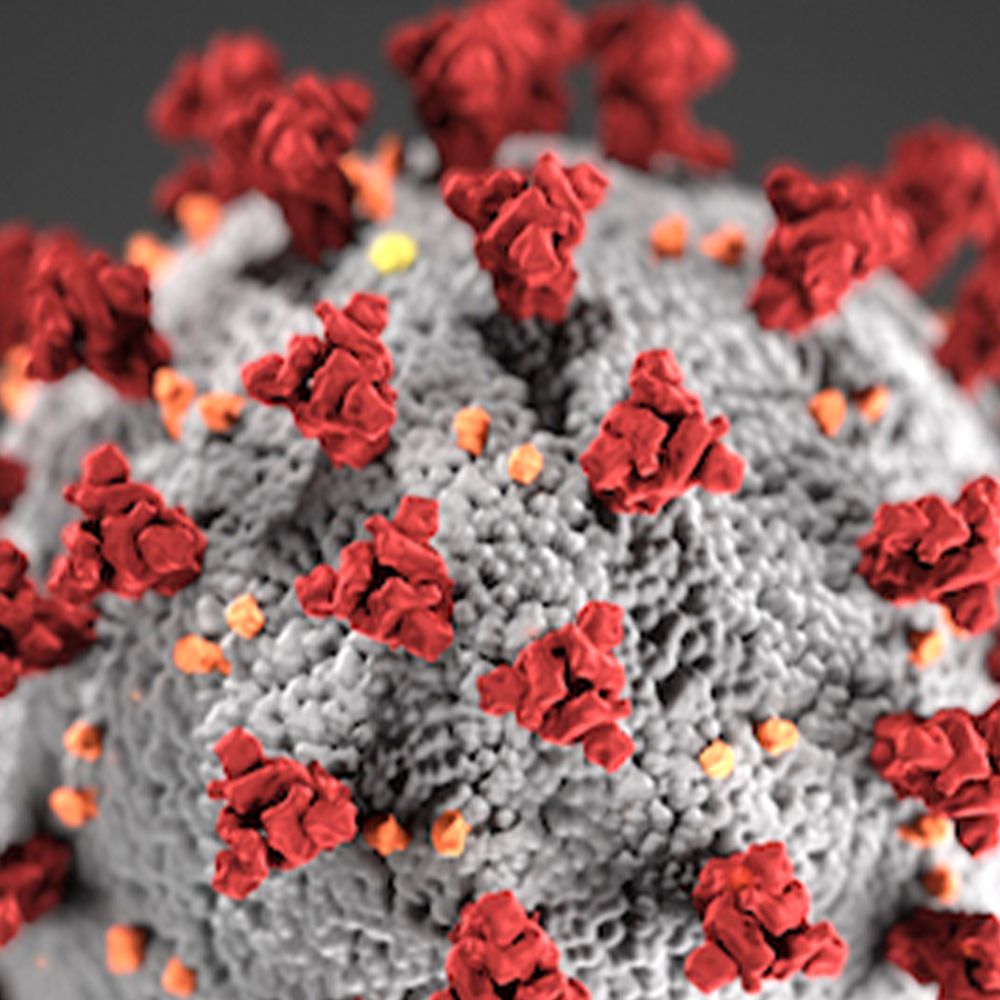
World health experts have long suspected that the incidence of COVID-19 has been higher than reported.
Scan for arterial plaque is better at predicting heart attack than stroke: Newsroom - UT Southwestern, Dallas, Texas
https://www.utsouthwestern.edu/newsroom/articles/year-2020/arterial-plaque.html

The amount of calcified plaque in the heart’s arteries is a better predictor of future heart attacks than of strokes, with similar findings across sex and racial groups, according to new research from UT Southwestern.
Drug combination fights resistance to lung cancer treatment - UT Southwestern, Dallas, Texas
https://www.utsouthwestern.edu/newsroom/articles/year-2020/drug-combination-fights-resistance-to-lung-cancer-treatment.html
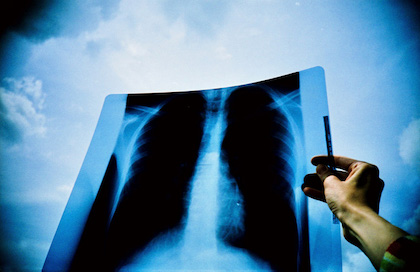
A new drug combination discovered by the UT Southwestern Simmons Cancer Center may extend the effectiveness of a lung cancer treatment
Stomach issues, history of substance abuse found in teen vaping study: Newsroom - UT Southwestern, Dallas, Texas
https://www.utsouthwestern.edu/newsroom/articles/year-2020/teen-vaping-study.html
A study of teens diagnosed with the vaping-linked respiratory disease EVALI revealed that most also had gastrointestinal symptoms and a history of psychosocial factors, including substance abuse.