
Search
Experimental pill dramatically reduces ‘bad’ cholesterol: Newsroom - UT Southwestern, Dallas, Texas
https://www.utsouthwestern.edu/newsroom/articles/year-2026/feb-experimental-pill-bad-cholesterol.html

An experimental pill called enlicitide slashed levels of low-density lipoprotein (LDL) cholesterol, commonly known as “bad” cholesterol, by up to 60%, a new phase three clinical trial published in The New England Journal of Medicine showed.
Metabolic hormone found to boost resilience against flu symptoms: Newsroom - UT Southwestern, Dallas, Texas
https://www.utsouthwestern.edu/newsroom/articles/year-2025/nov-metabolic-hormone-flu-symptoms.html

A hormone known for regulating energy balance also helps the body cope with influenza by triggering protective responses in the brain, a study led by UT Southwestern Medical Center researchers shows.
Birds’ songs may help unlock brain patterns behind speech : Newsroom - UT Southwestern, Dallas, Texas
https://www.utsouthwestern.edu/newsroom/articles/year-2026/jan-birds-songs-brain-patterns.html
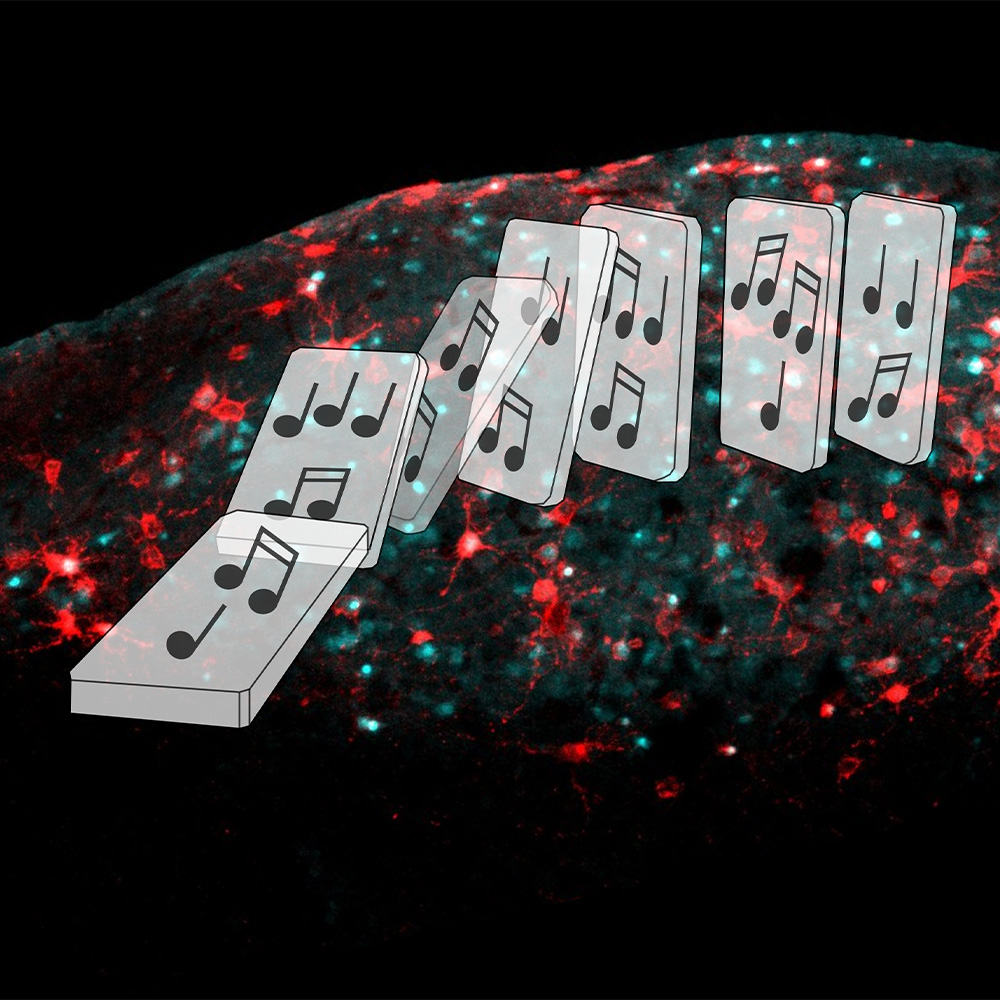
Like falling dominoes, a sequence of activity in an area of the zebra finch brain plays to completion once initiated, allowing these birds to produce their full courtship song, a study led by UT Southwestern Medical Center researchers shows.
Clinical trial shows stereotactic radiation extends systemic therapy and slows kidney cancer progression : Newsroom - UT Southwestern, Dallas, Texas
https://www.utsouthwestern.edu/newsroom/articles/year-2022/stereotactic-radiation-extends-systemic-therapy.html
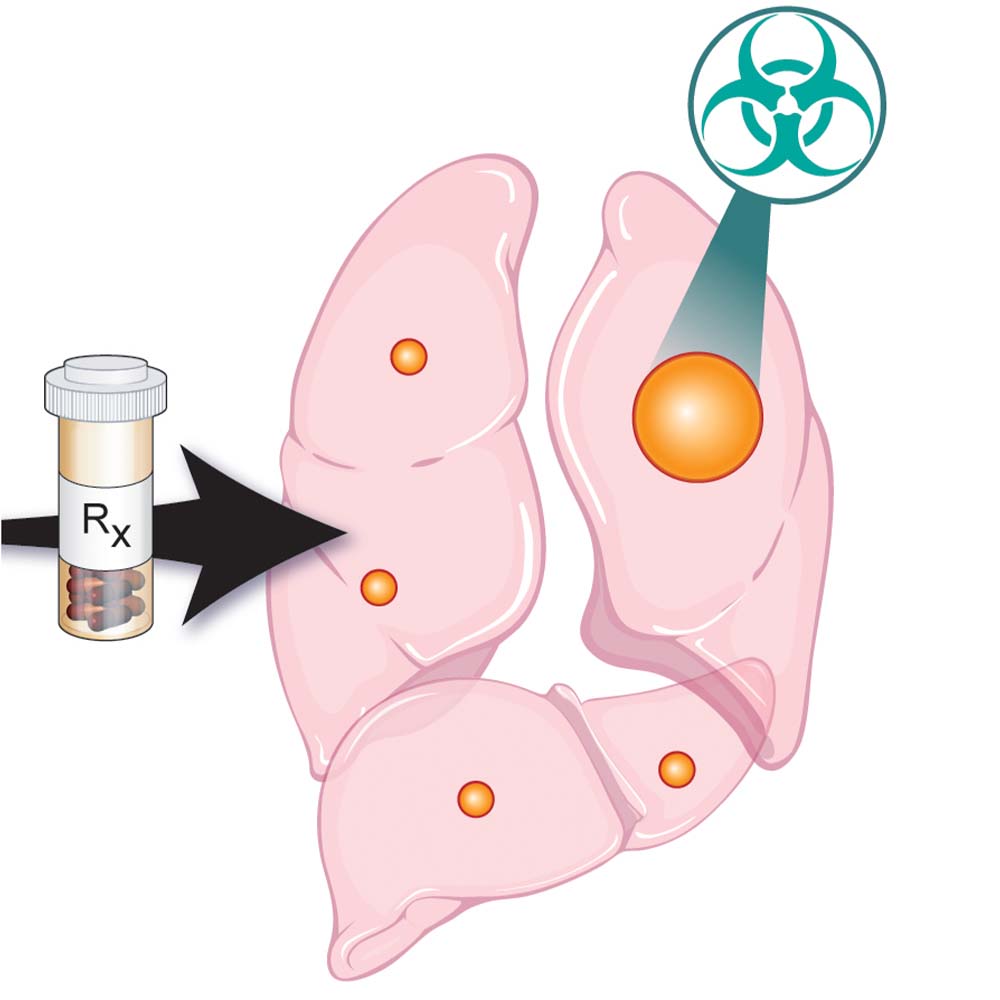
A new study by the Kidney Cancer Program (KCP) at UT Southwestern’s Harold C. Simmons Comprehensive Cancer Center shows that highly focused radiation to isolated metastases that progress despite drug therapy can prolong drug use in kidney cancer patients, saving the few other drugs for treating
New CAR T-cell therapy extends remission in heavily relapsed multiple myeloma patients: Newsroom - UT Southwestern, Dallas, Texas
https://www.utsouthwestern.edu/newsroom/articles/year-2021/new-car-t-cell-therapy.html
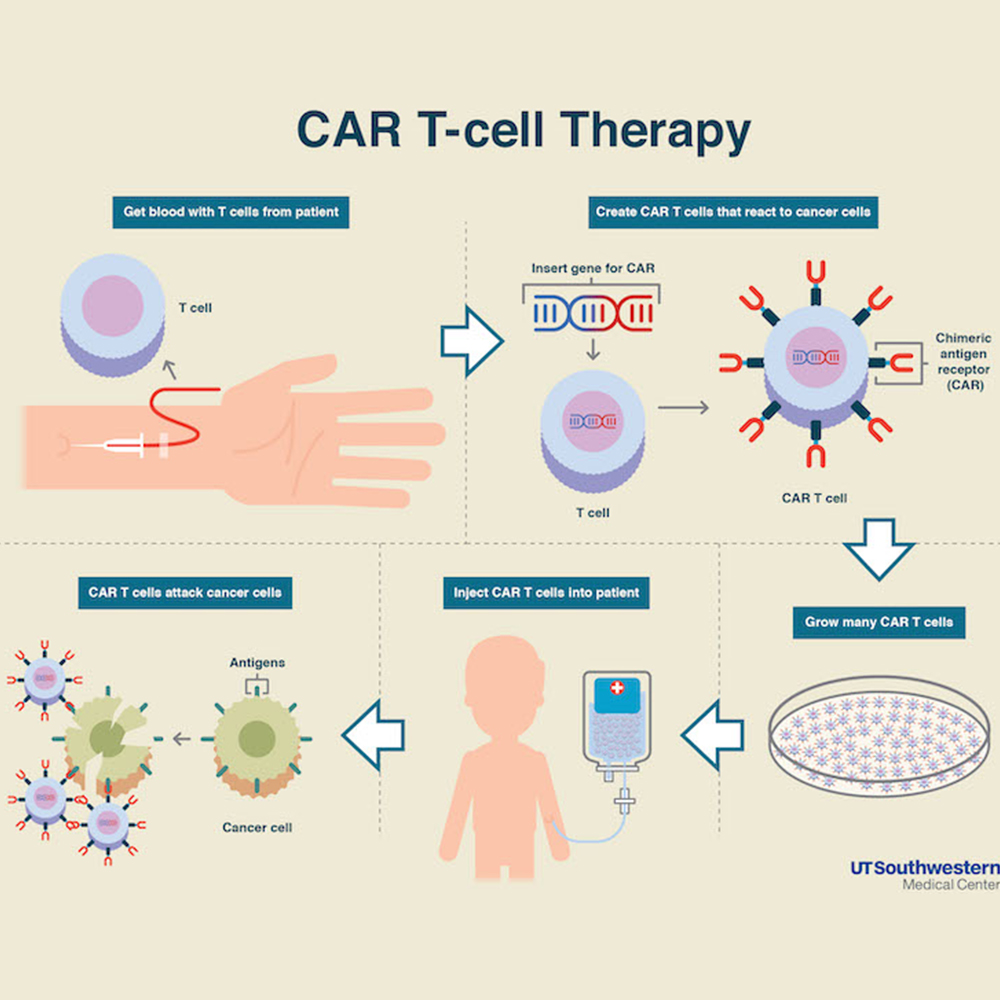
A new type of CAR T-cell therapy more than triples the expected length of remission for multiple myeloma patients who have relapsed several times, according to an international clinical trial with UT Southwestern as the lead enrolling site.
Cardio health decline tied to midlife wealth: Newsroom - UT Southwestern, Dallas, Texas
https://www.utsouthwestern.edu/newsroom/articles/year-2021/cardio-health-decline-tied-to-midlife-wealth.html

A relative decline in wealth during midlife increases the likelihood of a cardiac event or heart disease after age 65 while an increase in wealth between ages 50 and 64 is associated with lower cardiovascular risk, according to a new study in JAMA Cardiology.
The α7 protein is ready for its close-up: Newsroom - UT Southwestern, Dallas, Texas
https://www.utsouthwestern.edu/newsroom/articles/year-2021/the-a7-protein-is-ready-for-its-close-up.html
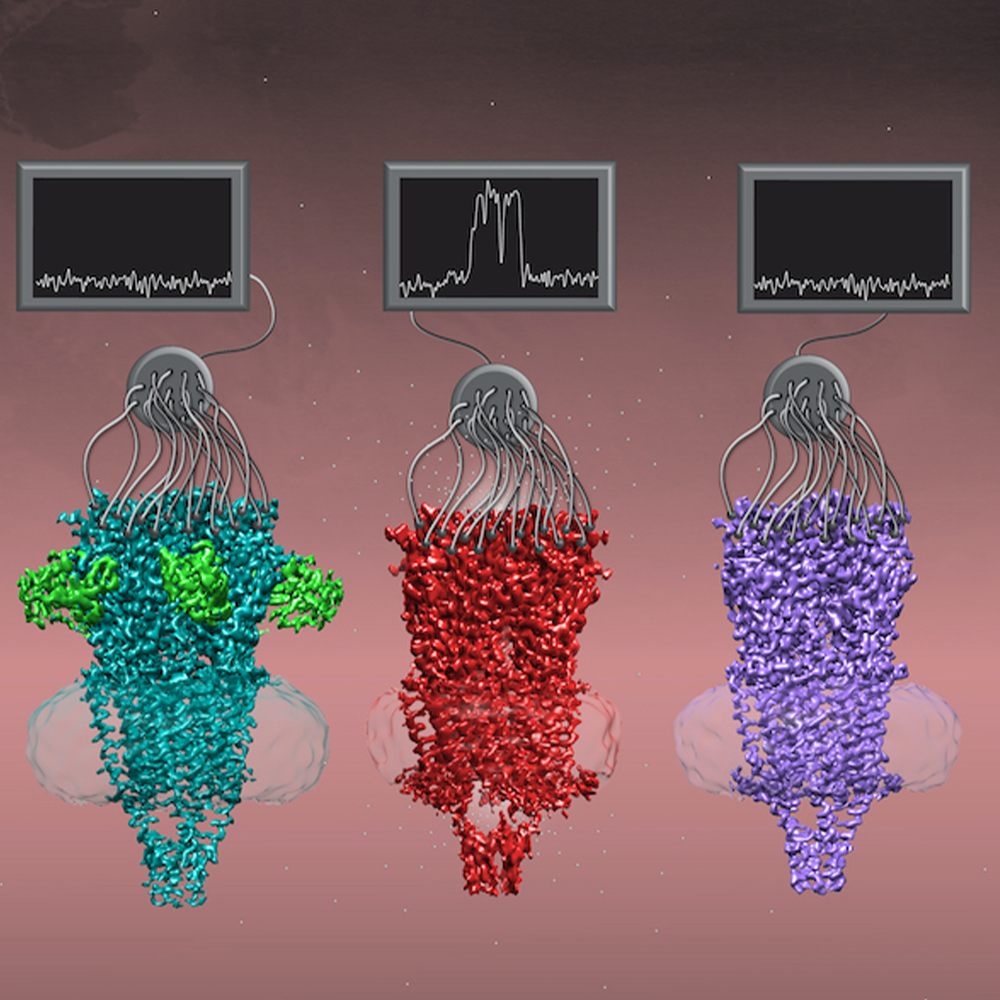
UT Southwestern researchers have identified the structure of a key member of a family of proteins called nicotinic acetylcholine receptors in three different shapes.
Reviving exhausted immune cells to fight cancer: Newsroom - UT Southwestern, Dallas, Texas
https://www.utsouthwestern.edu/newsroom/articles/year-2021/reviving-exhausted-immune-cells-to-fight-cancer.html

Eliminating a single gene can turn exhausted cancer-fighting immune cells known as CD8+ T cells back into refreshed soldiers that can continue to battle malignant tumors, a new study led by UT Southwestern researchers suggests.
How cancer cells don their invisibility cloaks - UT Southwestern, Dallas, Texas
https://www.utsouthwestern.edu/newsroom/articles/year-2020/how-cancer-cells-don-their-invisibility-cloaks.html
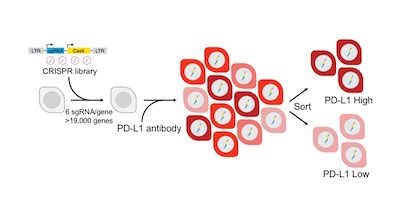
Immunotherapy drugs that target a protein called programmed death ligand 1 (PD-L1) on the surface of cancer cells have quickly become a mainstay to treat many forms of cancer, often with dramatic results.
Cancer-fighting gene restrains 'jumping genes' : Newsroom - UT Southwestern, Dallas, Texas
https://www.utsouthwestern.edu/newsroom/articles/year-2020/cancer-fighting-gene-restrains-jumping-genes.html
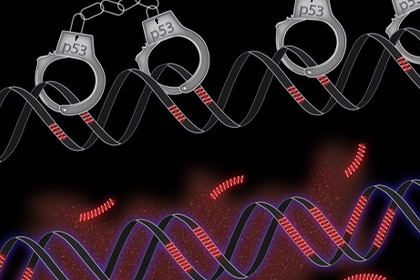
About half of all tumors have mutations of the gene p53, normally responsible for warding off cancer. Now, UT Southwestern scientists have discovered a new role for p53 in its fight against tumors: preventing retrotransposons, or “jumping genes,” from hopping around the human genome.