
Search
Start screenings at age 45 to prevent colorectal cancer, UT Southwestern experts advise : Newsroom - UT Southwestern, Dallas, Texas
https://www.utsouthwestern.edu/newsroom/articles/year-2023/june-colorectal-cancer.html
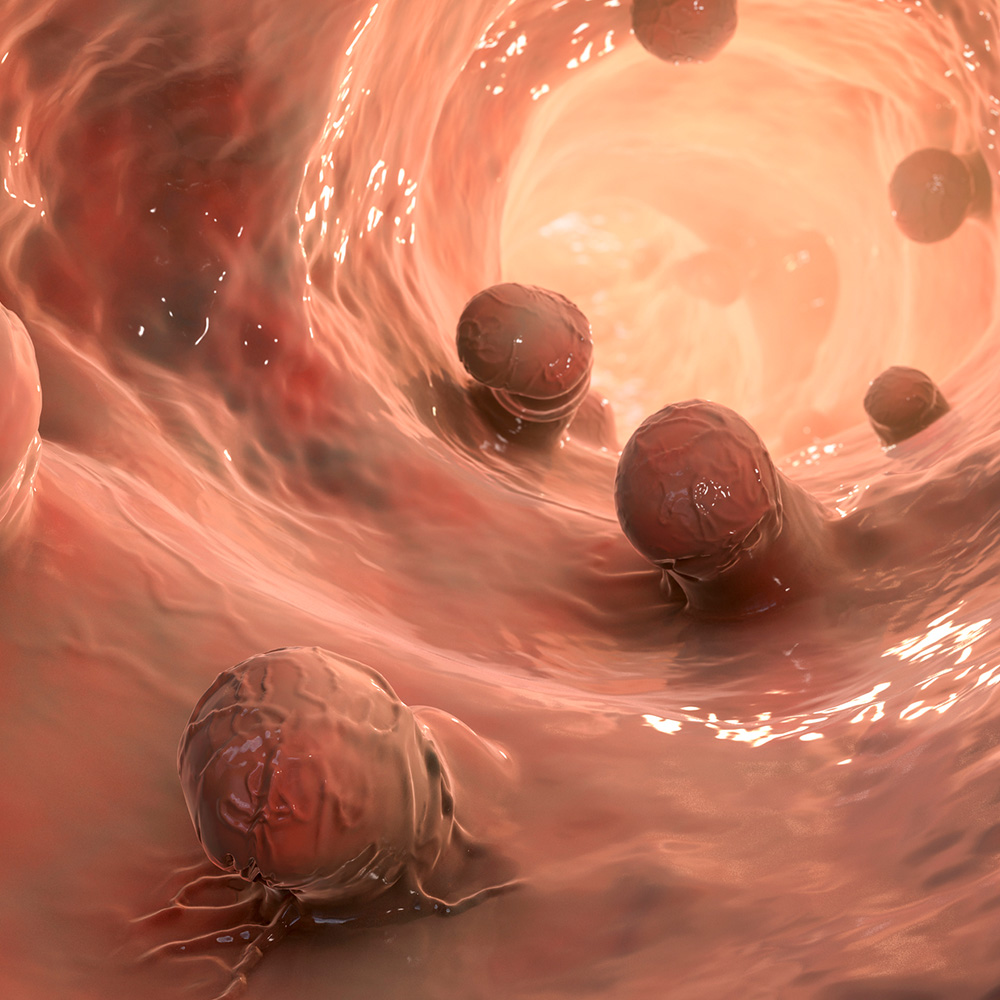
Colorectal cancer is on the rise among younger adults. According to the American Cancer Society, the proportion of cases among people under 55 increased from 11% in 1995 to 20% in 2019, and it is now the leading cause of cancer-related deaths for men younger than 50.
UTSW Research: Alcohol-associated liver disease, depression treatment, and more: Newsroom - UT Southwestern, Dallas, Texas
https://www.utsouthwestern.edu/newsroom/articles/year-2024/sept-research-roundup.html
Researchers have long known that outcomes for alcohol-associated liver disease (ALD) aren’t equal among all races and ethnicities in the U.S., but differences among these groups have been less clear.
UTSW study reveals how key protein affects neuron structure: Newsroom - UT Southwestern, Dallas, Texas
https://www.utsouthwestern.edu/newsroom/articles/year-2024/sept-torsinA.html
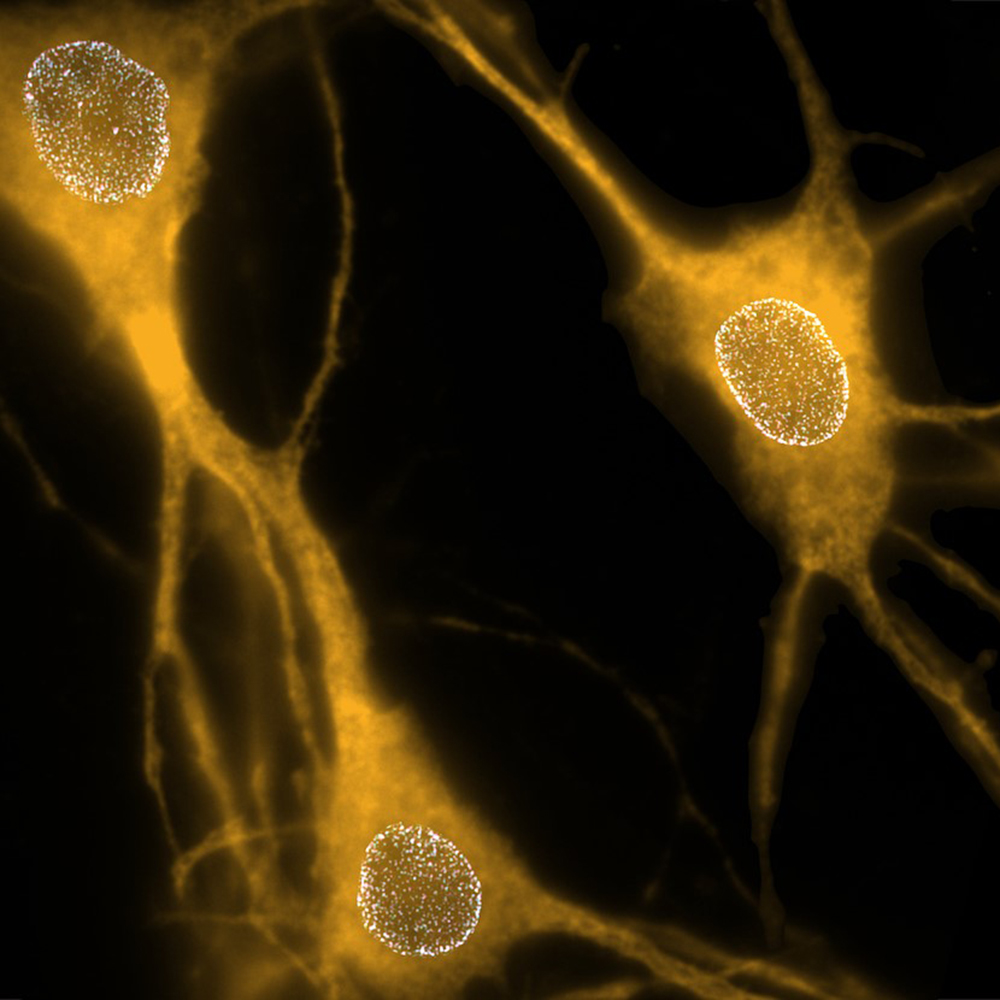
A protein called torsinA plays a key role in the early development of neurons, determining where nuclear pores are placed in the membrane that encloses the nucleus of nerve cells, a study led by UT Southwestern Medical Center researchers shows.
3D-printed femurs may enhance biomechanical studies: Newsroom - UT Southwestern, Dallas, Texas
https://www.utsouthwestern.edu/newsroom/articles/year-2024/oct-3d-printed-femurs.html
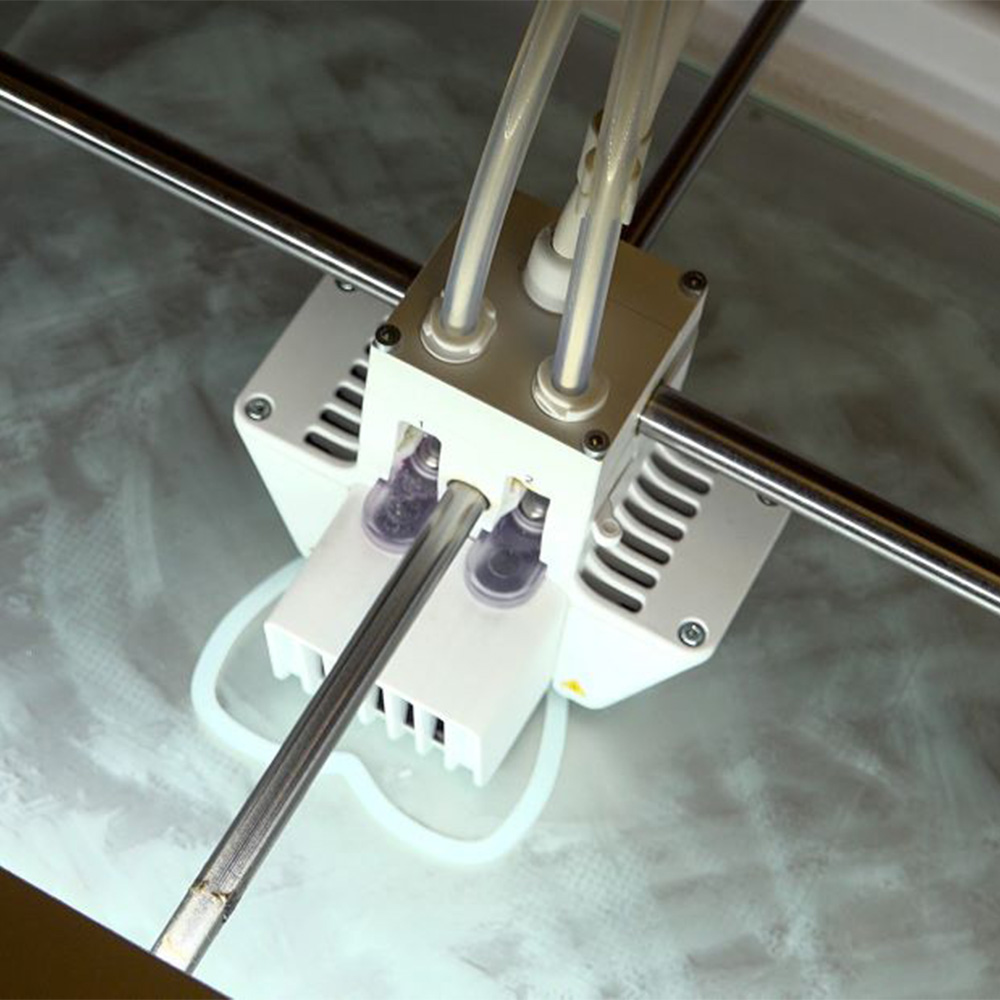
Researchers at UT Southwestern Medical Center have developed a breakthrough three-dimensional (3D) printing technique for generating realistic models of the human femur that could make it easier and less expensive to conduct biomechanical research.
AI tool helps identify heart failure risk in diabetes patients: Newsroom - UT Southwestern, Dallas, Texas
https://www.utsouthwestern.edu/newsroom/articles/year-2024/oct-diabetic-cardiomyopathy.html
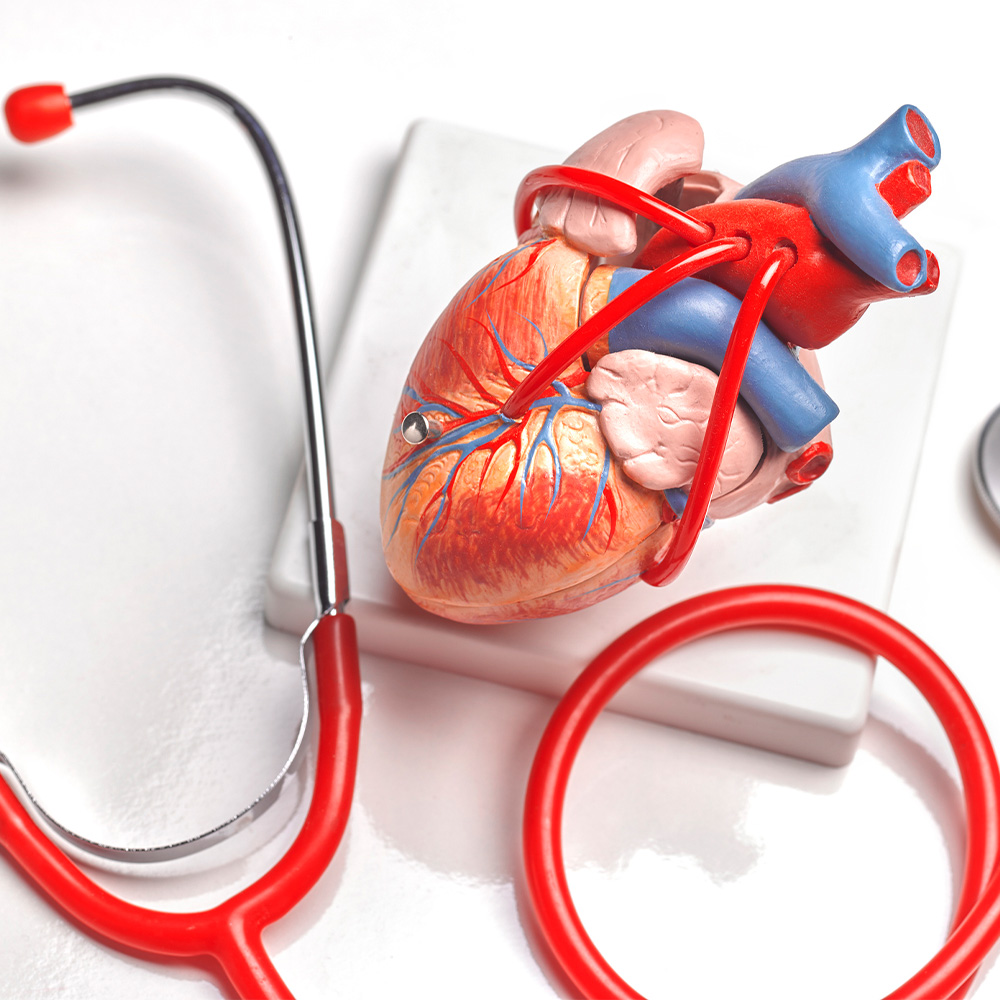
Researchers at UT Southwestern Medical Center have developed a machine learning model that can identify patients with diabetic cardiomyopathy, a heart condition characterized by abnormal changes in the heart’s structure and function that predisposes them to increased risk of heart failure.
CRI’s Sean Morrison elected to European Molecular Biology Organization: Newsroom - UT Southwestern, Dallas, Texas
https://www.utsouthwestern.edu/newsroom/articles/year-2023/july-morrison-embo.html
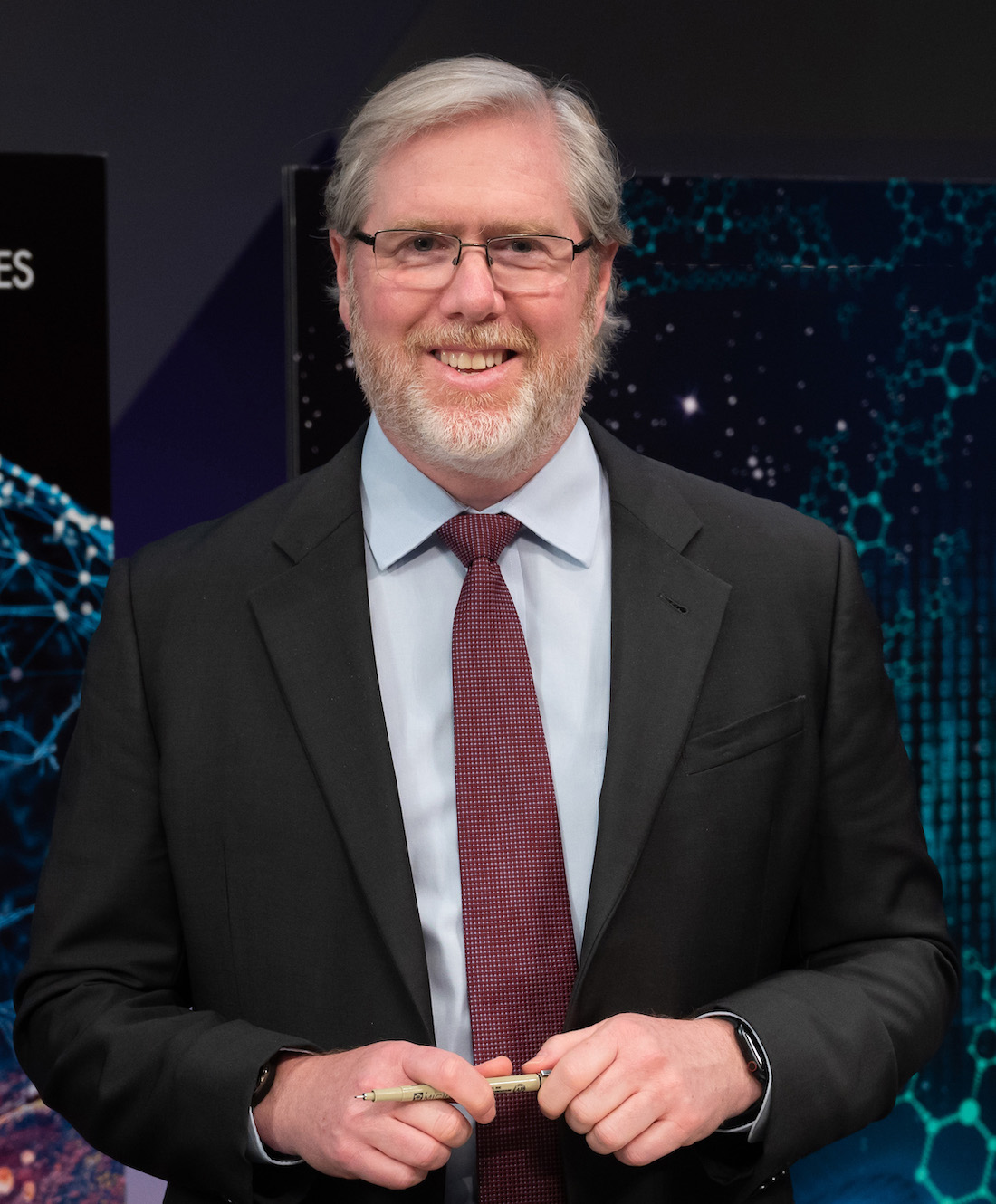
Stem cell biologist Sean J. Morrison, Ph.D., has been elected by his peers as an associate member of the European Molecular Biology Organization (EMBO).
Endometriosis can complicate hysterectomies, UTSW study shows: Newsroom - UT Southwestern, Dallas, Texas
https://www.utsouthwestern.edu/newsroom/articles/year-2023/oct-endometriosis-hysterectomies.html

Patients with endometriosis are more likely to experience complications during and after hysterectomies, a study by UT Southwestern Medical Center researchers shows.
After a liver transplant changed his life, UTSW postdoc is inspired to help others : Newsroom - UT Southwestern, Dallas, Texas
https://www.utsouthwestern.edu/newsroom/articles/year-2023/february-liver-transplant.html
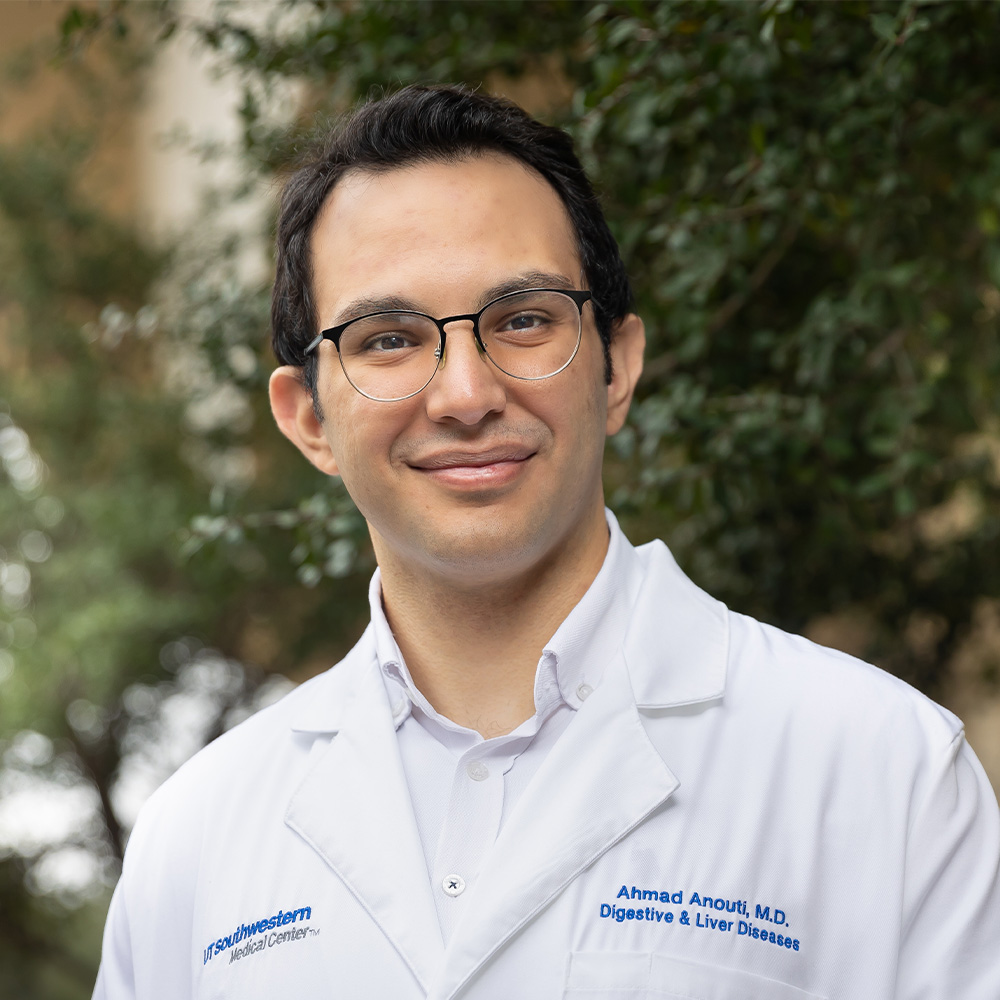
As a child in Beirut, Ahmad Anouti, M.D., endured dozens of medical procedures, hundreds of medications, and numerous setbacks before a liver transplant at age 16 saved his life.
Studies examine different responses to SARS-CoV-2 variants: Newsroom - UT Southwestern, Dallas, Texas
https://www.utsouthwestern.edu/newsroom/articles/year-2024/jan-sars-cov-2-variants.html

– Two studies led by a researcher at UT Southwestern Medical Center show the effects of different SARS-CoV-2 variants on lung tissue, revealing what may cause some COVID-19 infections to be more severe than others.
UT Southwestern joins Dallas and nation in mourning the loss of U.S. Rep. Eddie Bernice Johnson, inspirational leader and supporter: Newsroom - UT Southwestern, Dallas, Texas
https://www.utsouthwestern.edu/newsroom/articles/year-2024/jan-ebj-tribute.html
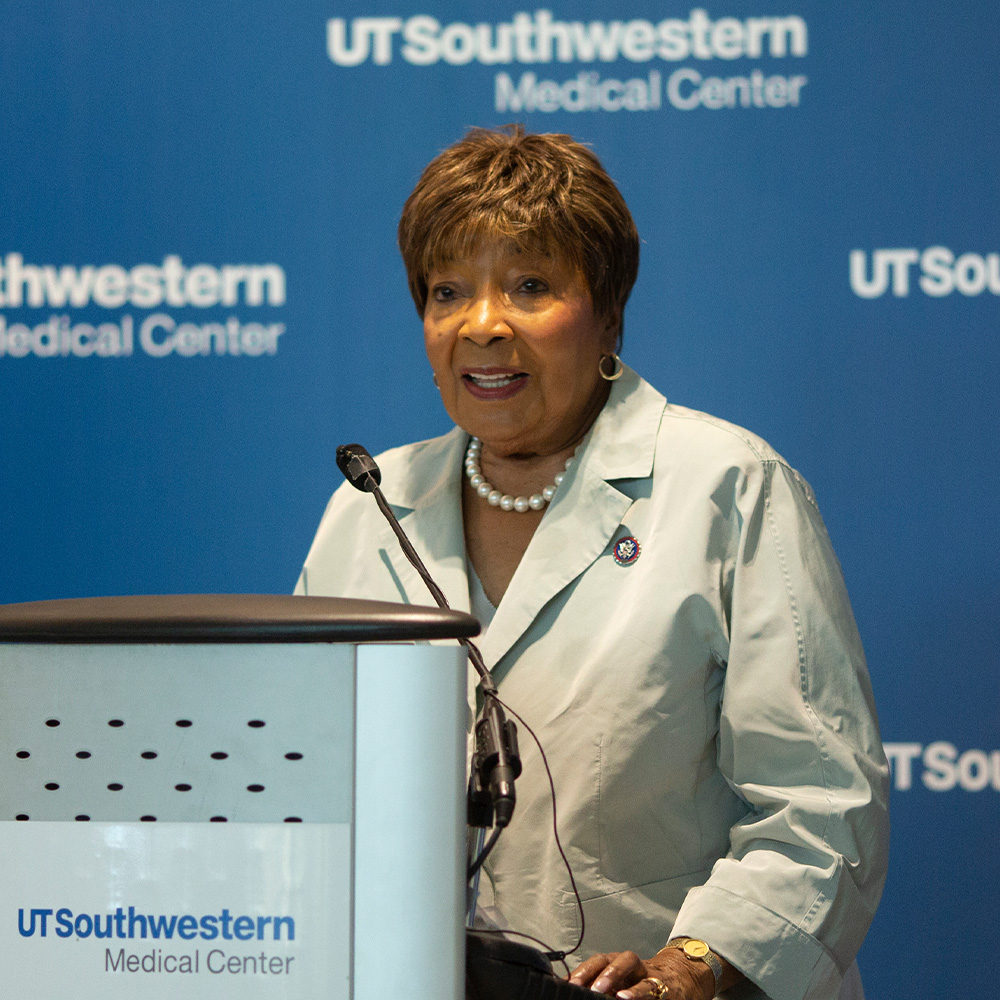
UT Southwestern Medical Center joined leaders in Dallas and across the nation in mourning the loss and honoring the legacy of U.S. Rep. Eddie Bernice Johnson, an inspirational leader who helped advance the medical center’s science, research, clinical care, and educational initiatives during her