
Search
Shape-shifting fat cells fuel breast cancer growth: Newsroom - UT Southwestern, Dallas, Texas
https://www.utsouthwestern.edu/newsroom/articles/year-2022/september-shape-shifting-fat-cells.html
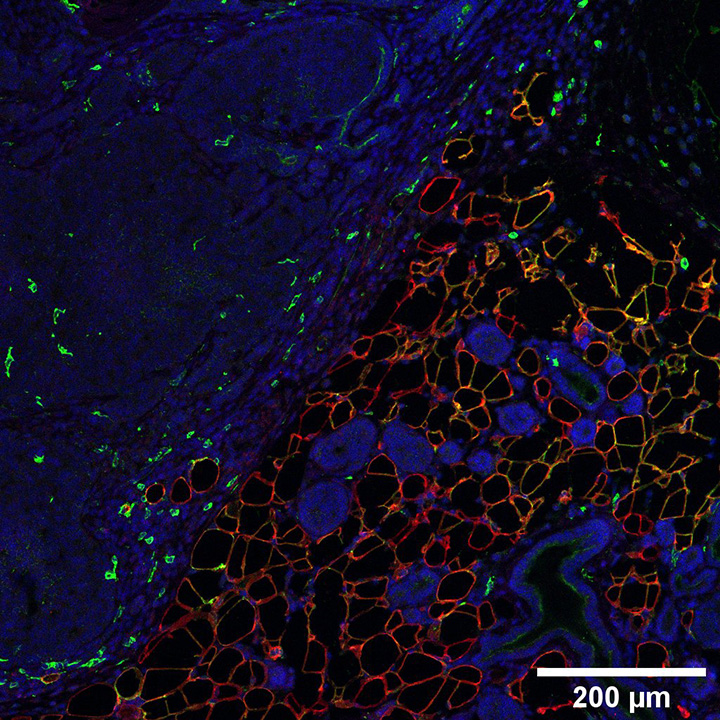
Fat cells, or adipocytes, that grow in close proximity to breast cancers can shift into other cell types that promote tumor growth, a new study by UT Southwestern researchers suggests.
Gut microbes may lead to therapies for mental illness, UTSW researcher reports: Newsroom - UT Southwestern, Dallas, Texas
https://www.utsouthwestern.edu/newsroom/articles/year-2022/september-studies-link-between-microbiome-brain.html
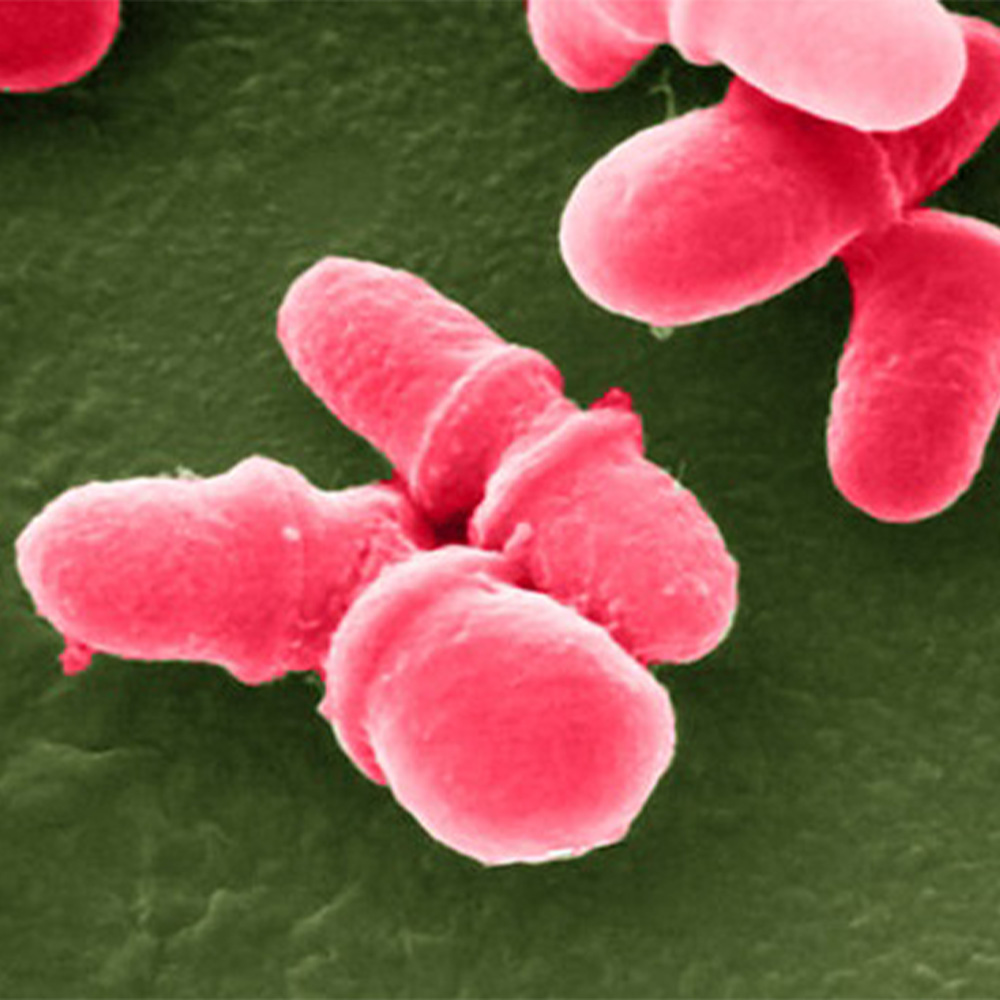
The role of the microbiome in intestinal and systemic health has garnered close attention among researchers for many years. Now evidence is mounting that this collection of microorganisms in the human gut can also impact a person’s neurological and emotional health.
Drug found effective for weight loss in patients with obesity and diabetes, international study shows: Newsroom - UT Southwestern, Dallas, Texas
https://www.utsouthwestern.edu/newsroom/articles/year-2021/drug-found-effective-for-weight-loss.html
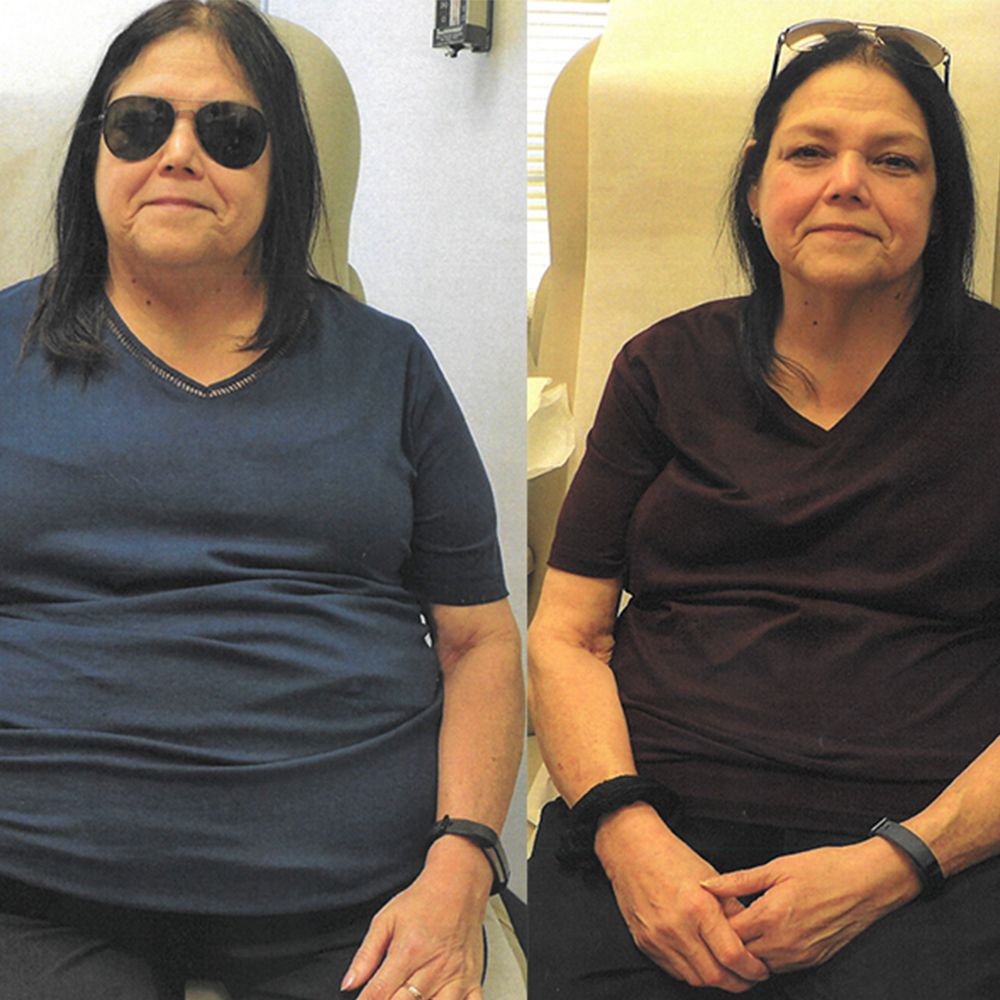
A drug approved for diabetes has now been shown to also help patients with diabetes lose on average 10 percent of their body weight, UT Southwestern reports in a landmark international study.
Artificial intelligence successfully predicts protein interactions: Newsroom - UT Southwestern, Dallas, Texas
https://www.utsouthwestern.edu/newsroom/articles/year-2021/artificial-intelligence-successfully-predicts-protein-interactions.html
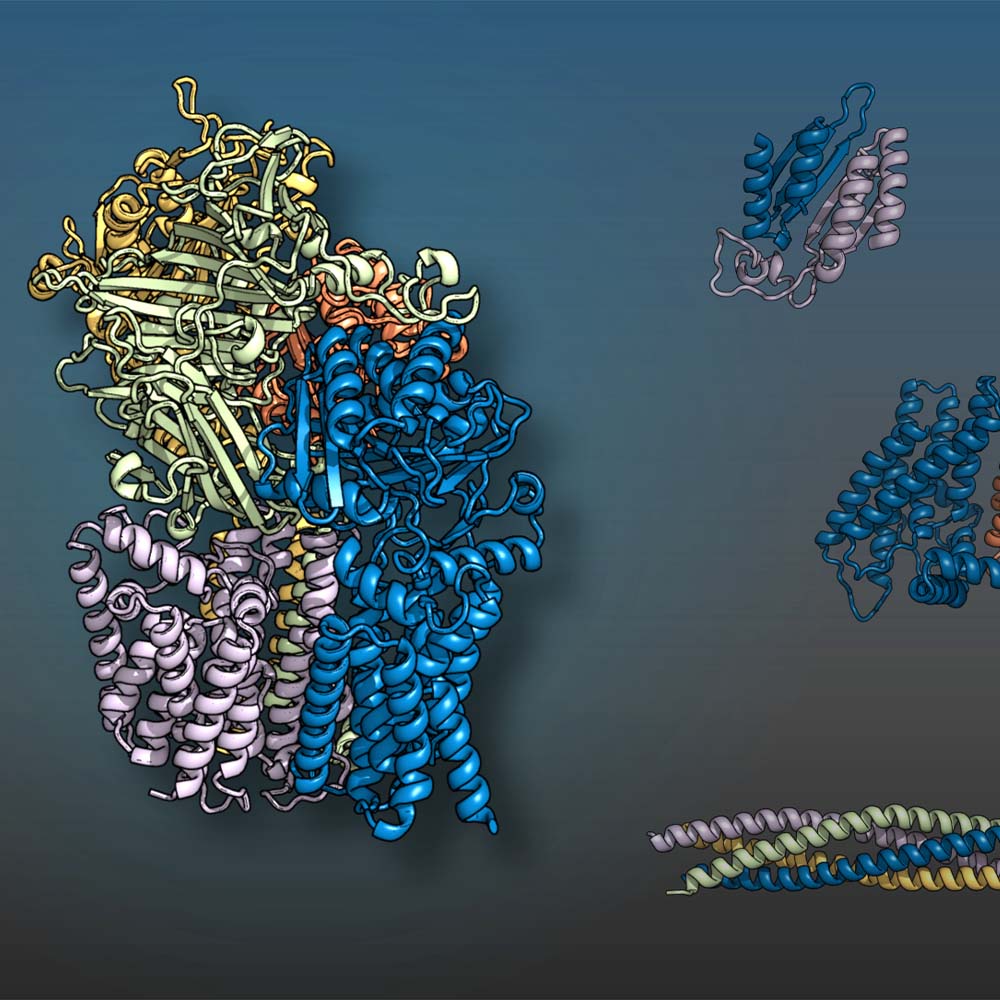
UT Southwestern and University of Washington researchers led an international team that used artificial intelligence (AI) and evolutionary analysis to produce 3D models of eukaryotic protein interactions.
UTSW rheumatologists: Patients’ role critical for teens transitioning to adult lupus care: Newsroom - UT Southwestern, Dallas, Texas
https://www.utsouthwestern.edu/newsroom/articles/year-2022/october-teens-transitioning-to-adult-lupus-care.html

Patients who develop lupus as children will eventually shift to adult rheumatology care. In a unique collaboration between rheumatologists at UT Southwestern and Children’s Health, investigators conducted a qualitative study, which showed that patients’ health literacy and taking an active role in
UT Southwestern geriatrician recommends flu shots for those 65 and older as cases rise: Newsroom - UT Southwestern, Dallas, Texas
https://www.utsouthwestern.edu/newsroom/articles/year-2022/november-geriatrician-recommends-flu-shots.html
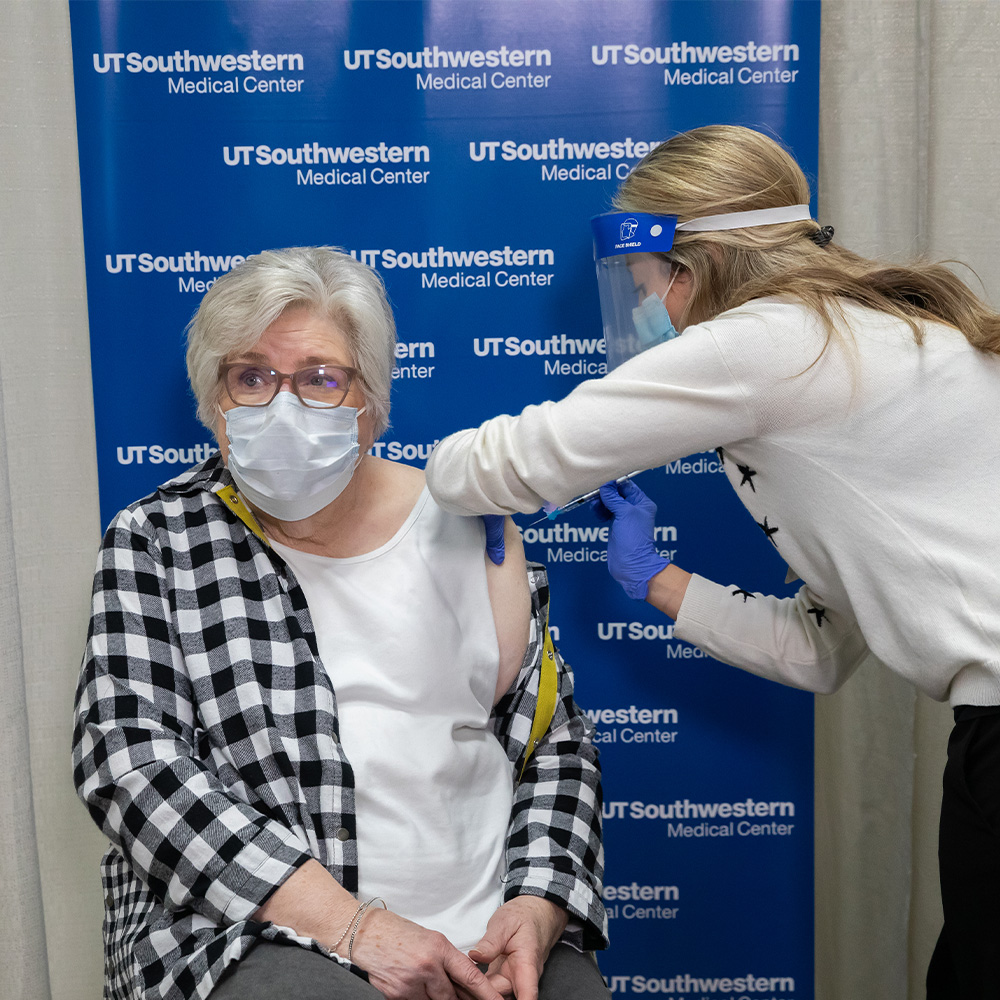
With flu cases on the rise, geriatric specialists at UT Southwestern Medical Center say vaccinations are particularly important this year for people 65 and older who are more at risk from complications than other age groups.
Blocking gene may halt growth of breast cancer cells: Newsroom - UT Southwestern, Dallas, Texas
https://www.utsouthwestern.edu/newsroom/articles/year-2024/april-blocking-gene-breast-cancer-cells.html
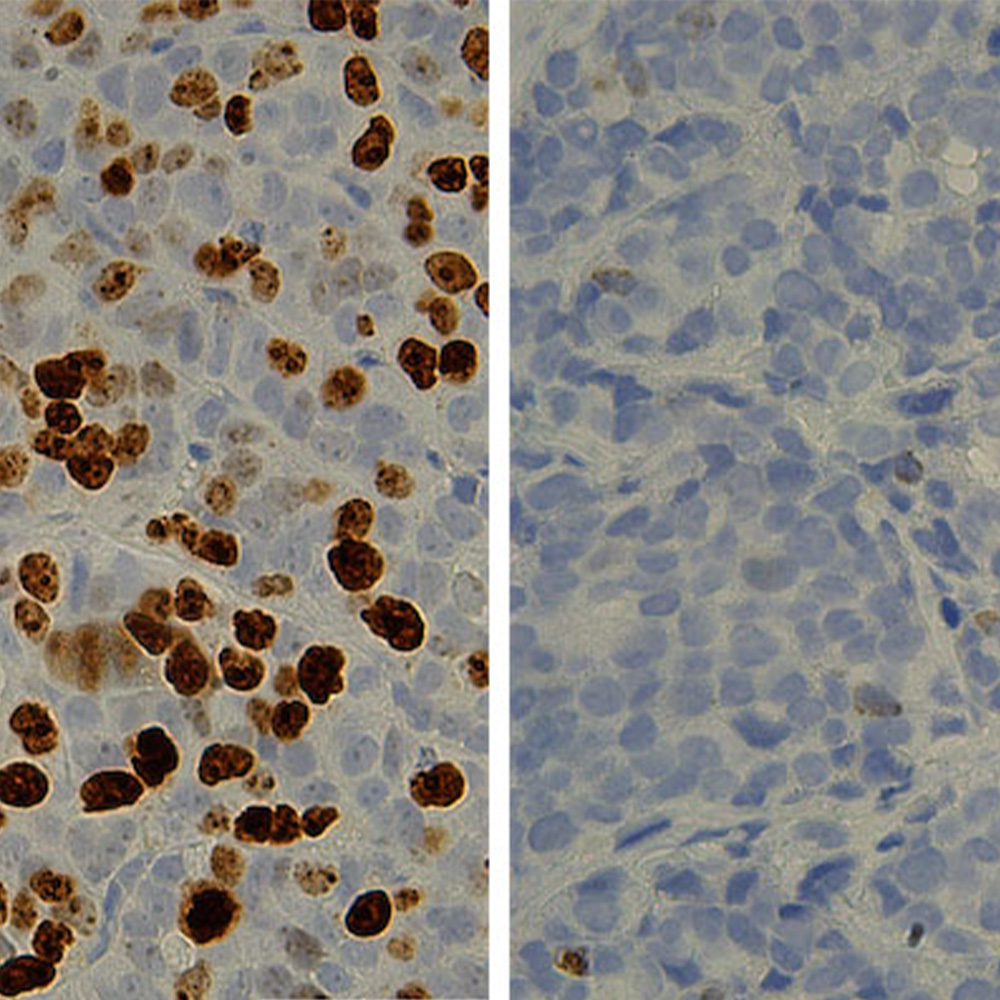
Shutting down a gene called PRMT5 stopped metastatic estrogen receptor-positive (ER+) breast cancer cells from growing after they acquired resistance to a standard therapy known as CDK4/6 inhibitors, UT Southwestern Medical Center researchers showed in a new study.
UT Southwestern’s Inaugural Chair of Biomedical Engineering elected to National Academy of Medicine: Newsroom - UT Southwestern, Dallas, Texas
https://www.utsouthwestern.edu/newsroom/articles/year-2021/inaugural-chair-of-biomedical-engineering-nam.html

Samuel Achilefu, Ph.D., the incoming Inaugural Chair of UT Southwestern Medical Center’s new Department of Biomedical Engineering, is among 100 members elected to the National Academy of Medicine (NAM) this year.
Age, sex, race among top risk factors for revision knee surgery : Newsroom - UT Southwestern, Dallas, Texas
https://www.utsouthwestern.edu/newsroom/articles/year-2024/feb-risk-factors-revision-knee-surgery.html
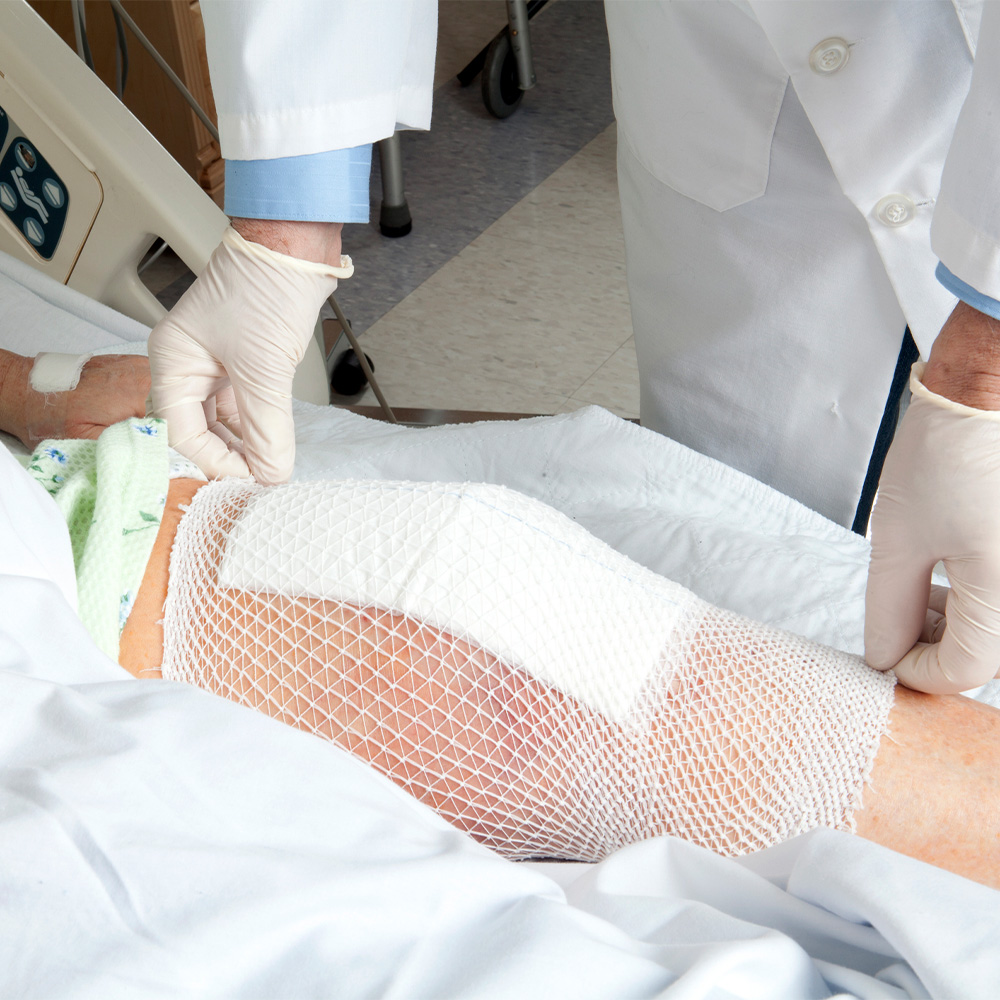
Patients who are younger than about 40, male, or Black are among those most at risk for revision surgery after having had a total knee replacement, according to researchers at UT Southwestern Medical Center.
UTSW study finds new pain management approach reduced opioid use after C-sections: Newsroom - UT Southwestern, Dallas, Texas
https://www.utsouthwestern.edu/newsroom/articles/year-2022/new-pain-management-c-sections.html
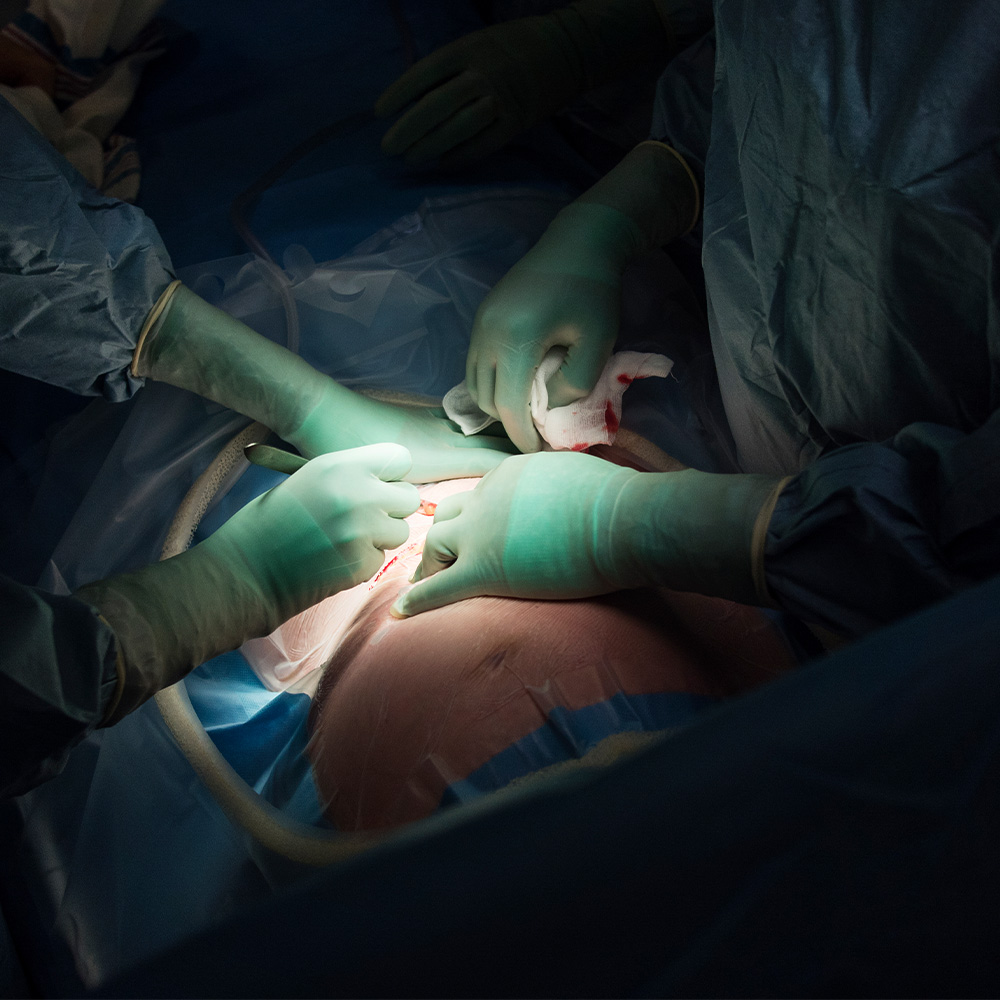
For years, women recovering from cesarean section (C-section) deliveries have been given devices that let them, with a button, control the flow of opioid painkillers into their IV line.