
Search
Take summer heat health risks seriously, UTSW experts caution: Newsroom - UT Southwestern, Dallas, Texas
https://www.utsouthwestern.edu/newsroom/articles/year-2024/july-summer-heat-health-risks.html

The scorching heat can be inescapable this time of year, and as temperatures hover around triple digits, experts at UT Southwestern Medical Center caution that uncomfortable weather can escalate to dangerous health conditions.
UTSW’s Simmons Cancer Center awarded more than $11.5 million in CPRIT funding: Newsroom - UT Southwestern, Dallas, Texas
https://www.utsouthwestern.edu/newsroom/articles/year-2024/sept-scc-awarded-cprit-funding.html
Eight scientists and physicians in the Harold C. Simmons Comprehensive Cancer Center at UT Southwestern have been awarded more than $11.5 million in grants from the Cancer Prevention and Research Institute of Texas (CPRIT) to support the state’s fight against cancer.
Drugs, lotions can magnify sun’s harmful effects, UTSW expert says: Newsroom - UT Southwestern, Dallas, Texas
https://www.utsouthwestern.edu/newsroom/articles/year-2024/aug-drugs-lotions-magnify-sun.html

It’s well known that the sun’s ultraviolet (UV) light can wreak havoc on the skin. But most people don’t realize some commonly used products and medications can make us more susceptible to sunburn and other adverse reactions.
Study identifies weight-loss drug target in the brain: Newsroom - UT Southwestern, Dallas, Texas
https://www.utsouthwestern.edu/newsroom/articles/year-2024/aug-weight-loss-drug-brain.html
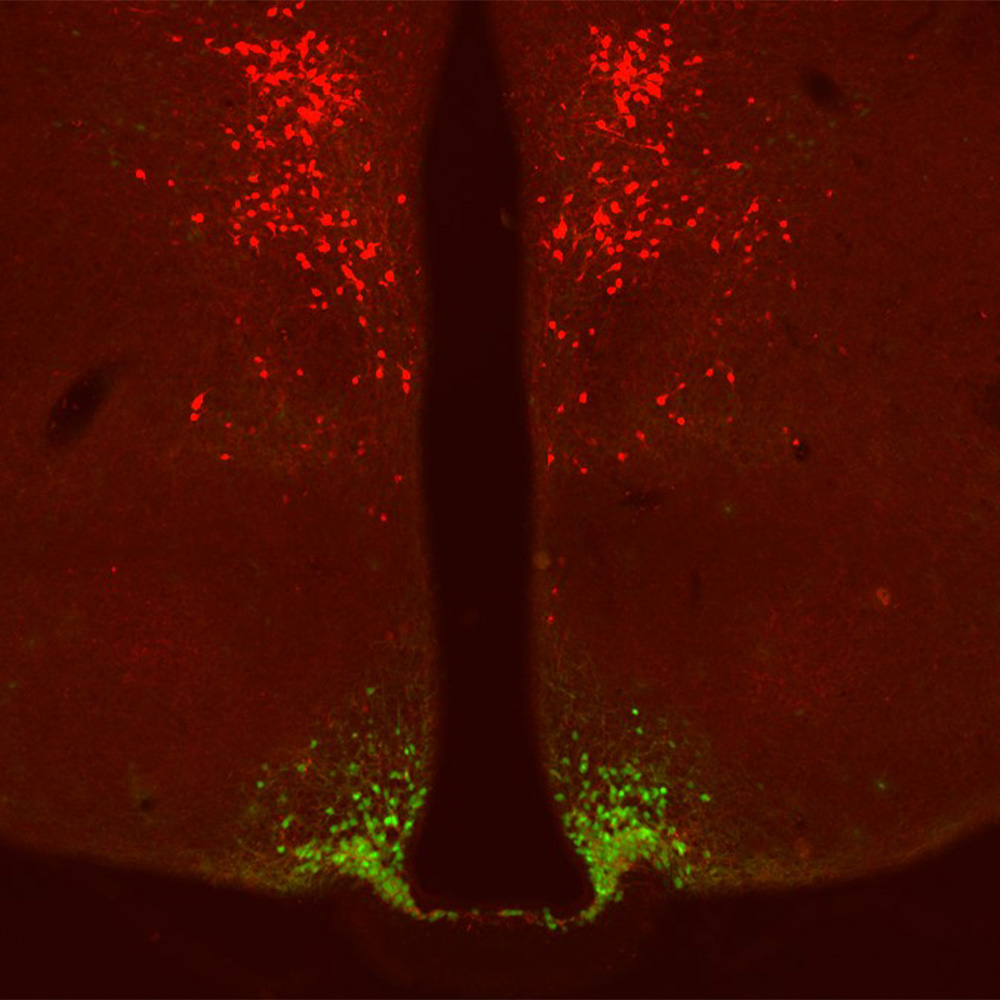
A team led by researchers from UT Southwestern Medical Center and a university in South Korea has identified a subset of brain cells whose activation may be partially responsible for the effects of a popular class of weight loss drugs that includes semaglutide and tirzepatide.
Computer model boosts detection of cell-to-cell communication: Newsroom - UT Southwestern, Dallas, Texas
https://www.utsouthwestern.edu/newsroom/articles/year-2024/sept-computer-model-cell-to-cell-communication.html
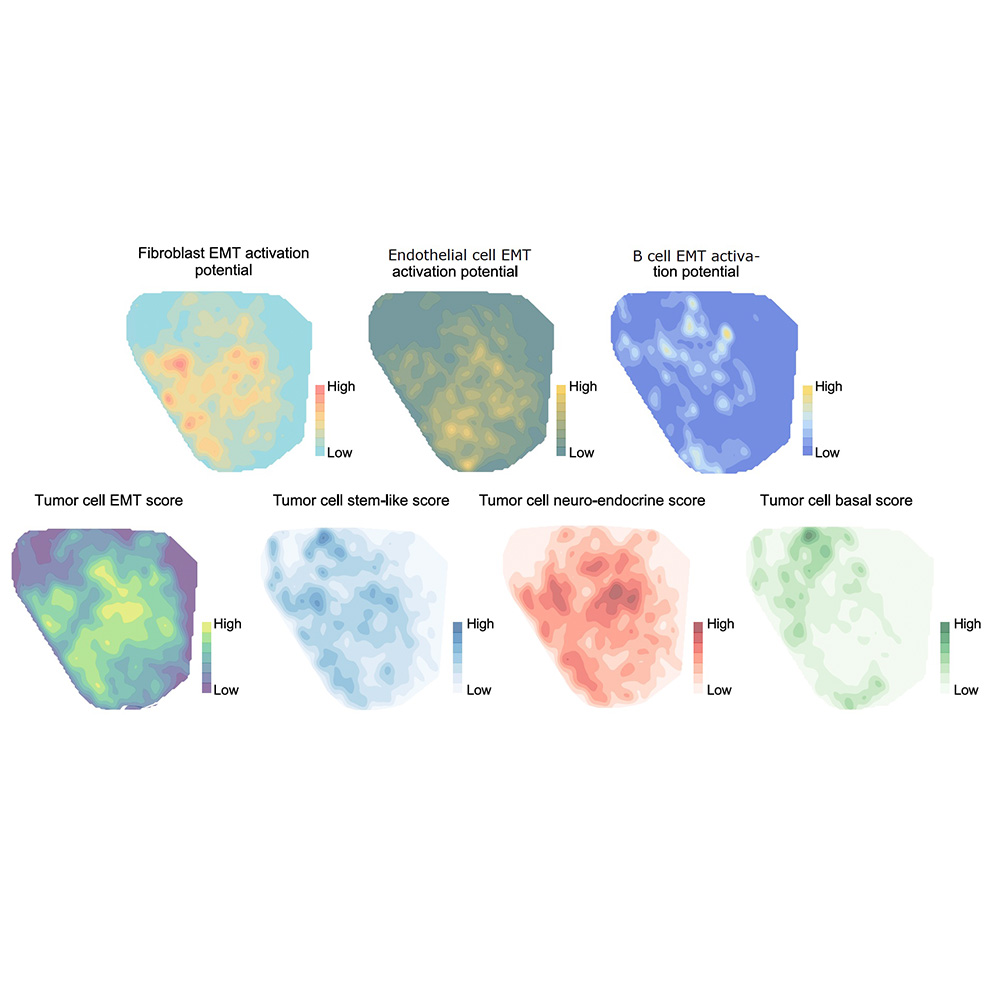
A computer model developed by UT Southwestern Medical Center researchers significantly enhances the ability of scientists to detect communication between cells according to a new study published in Nature Methods.
UTSW scientists identify brain circuit that triggers rare, blood sugar-dependent epilepsy: Newsroom - UT Southwestern, Dallas, Texas
https://www.utsouthwestern.edu/newsroom/articles/year-2022/november-blood-sugar-dependent-epilepsy.html
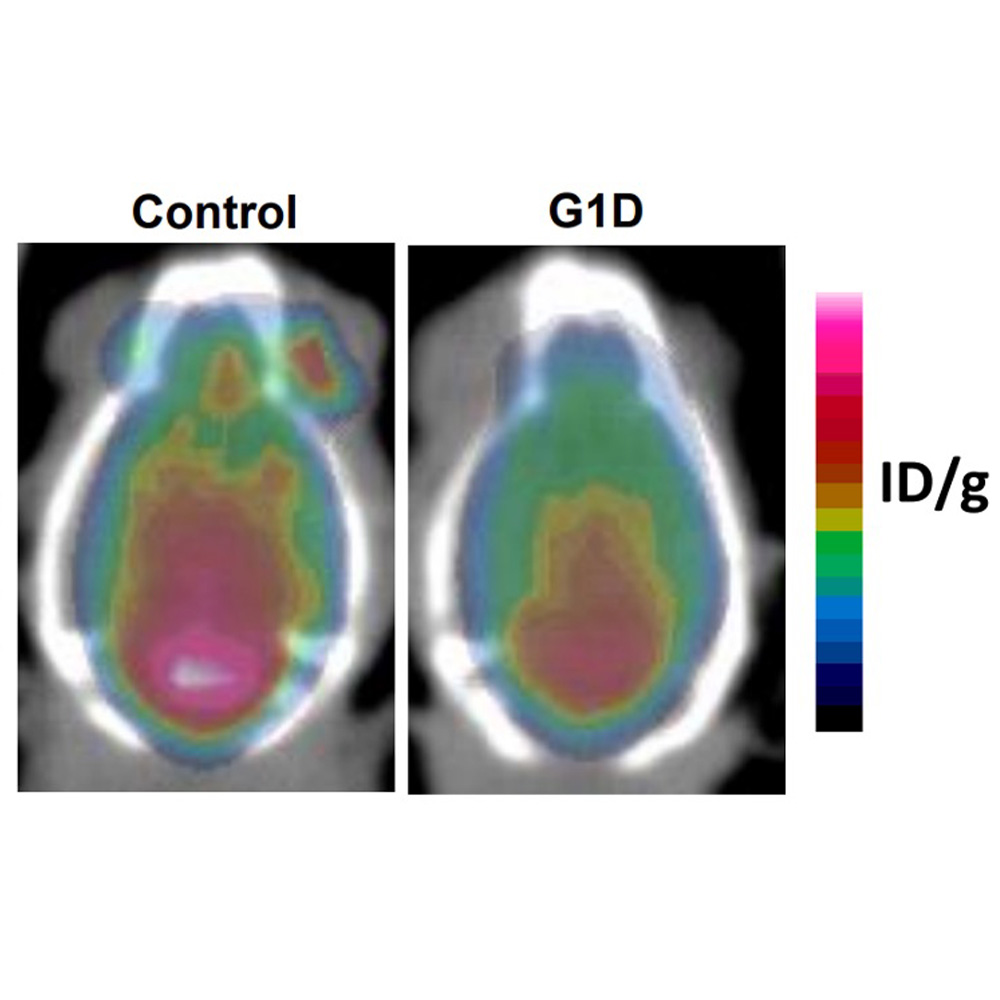
A small group of brain cells linked in a circuit is responsible for setting off whole-brain seizures in a rare form of epilepsy affected by blood sugar levels, a study led by UT Southwestern researchers suggests.
UT Southwestern Physiology Chair, molecular geneticist elected to prestigious National Academy of Sciences: Newsroom - UT Southwestern, Dallas, Texas
https://www.utsouthwestern.edu/newsroom/articles/year-2023/may-nas-pan-debose-boyd.html
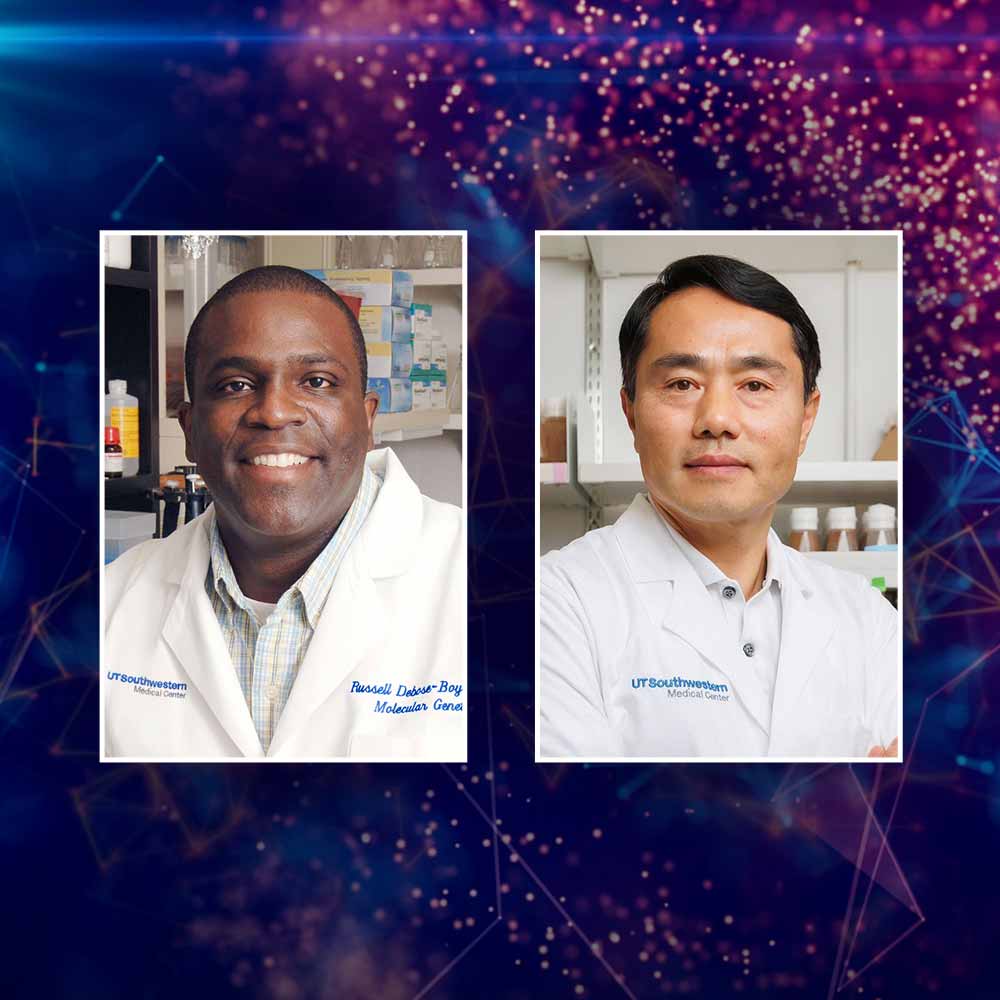
The National Academy of Sciences elected two UT Southwestern Medical Center scientists in the fields of molecular genetics and physiology into its membership, one of the highest honors for American scientists.
PCORI awards $7M for UT Southwestern hypothermia research: Newsroom - UT Southwestern, Dallas, Texas
https://www.utsouthwestern.edu/newsroom/articles/year-2022/august-funding-award-from-pcori.html
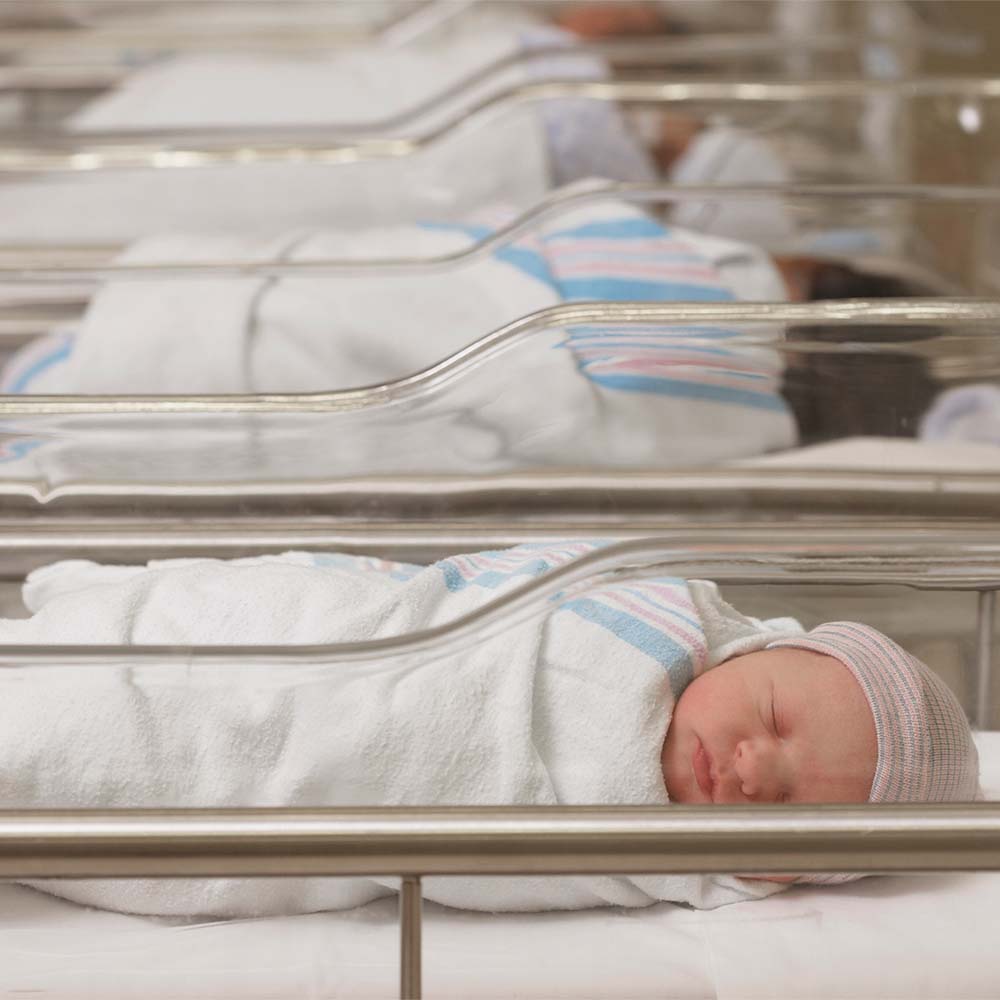
A research team at UT Southwestern has been approved for a five-year, $7 million funding award from the Patient-Centered Outcomes Research Institute (PCORI).
UTSW study links gene mutation to learning deficits in “Clueless” mice: Newsroom - UT Southwestern, Dallas, Texas
https://www.utsouthwestern.edu/newsroom/articles/year-2022/august-study-links-gene-mutation.html

A single mutation in a gene, Kcnc3, which encodes a potassium channel in neurons, causes learning deficits in mice, UT Southwestern researchers report in a new study in PNAS.
UTSW scientists identify protein key to inhibiting flu virus: Newsroom - UT Southwestern, Dallas, Texas
https://www.utsouthwestern.edu/newsroom/articles/year-2022/protein-key-to-inhibiting-flu-virus.html
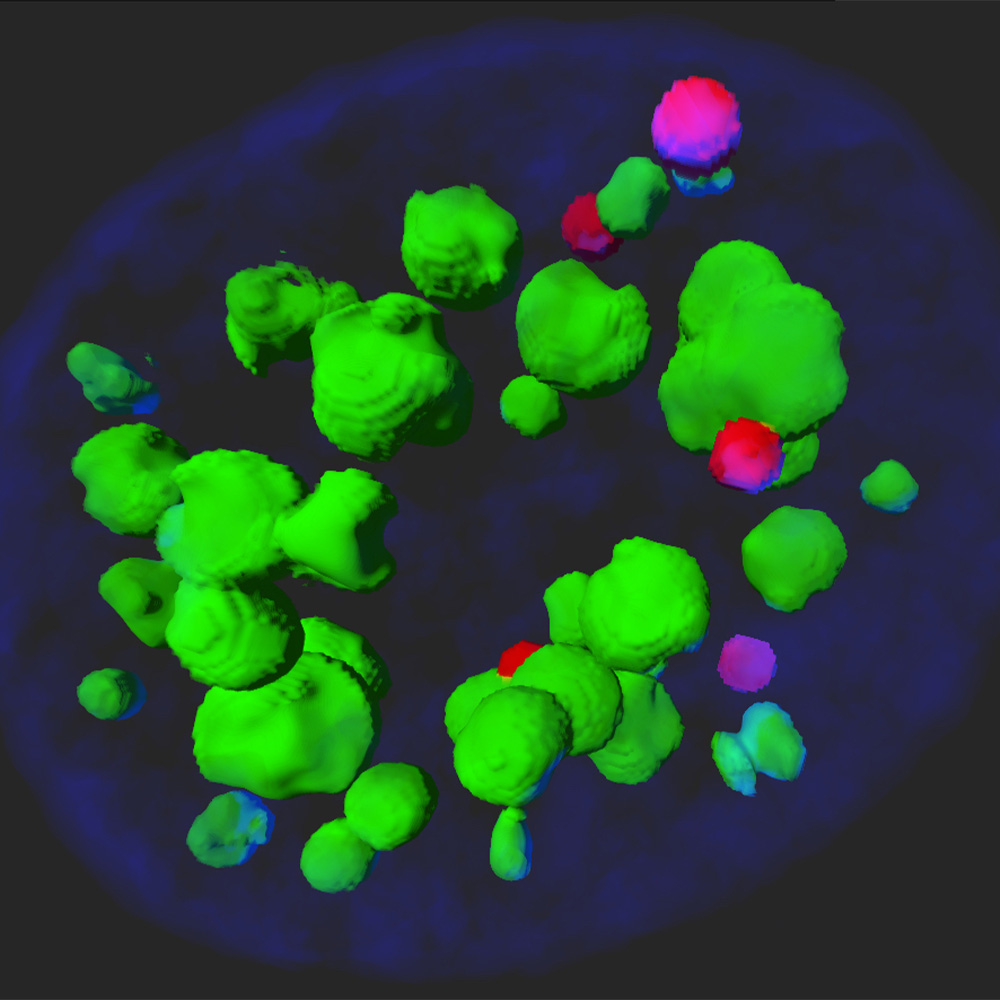
A collaborative study from UT Southwestern scientists has identified a new function for a protein called TAO2 that appears to be key to inhibiting replication of the influenza virus, which sickens millions of individuals worldwide each year and kills hundreds of thousands.