
Search
Putting a protein into overdrive to heal spinal cord injuries: Newsroom - UT Southwestern, Dallas, Texas
https://www.utsouthwestern.edu/newsroom/articles/year-2021/heal-spinal-cord-injuries.html
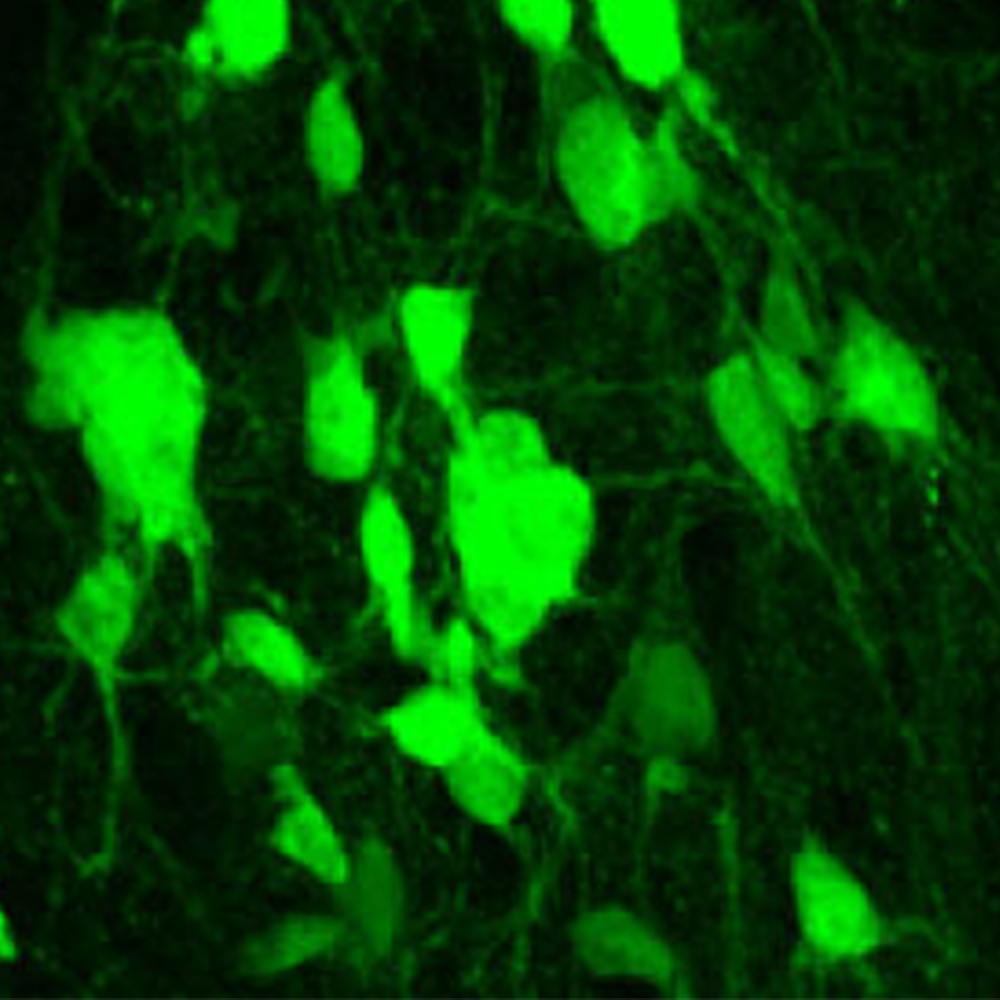
Using genetic engineering, researchers at UT Southwestern and Indiana University have reprogrammed scar-forming cells in mouse spinal cords to create new nerve cells, spurring recovery after spinal cord injury.
SORTing gene editing tools to where they're needed - UT Southwestern, Dallas, Texas
https://www.utsouthwestern.edu/newsroom/articles/year-2020/sorting-gene-editing-tools.html
Scientists at UTSW have developed a technology that shuttles nanoparticles carrying gene editing and protein replacement tools to the specific tissues where they're needed.
Researchers uncover two-drug combo that halts the growth of cancer cells : Newsroom - UT Southwestern, Dallas, Texas
https://www.utsouthwestern.edu/newsroom/articles/year-2020/two-drug-combo-cancer.html
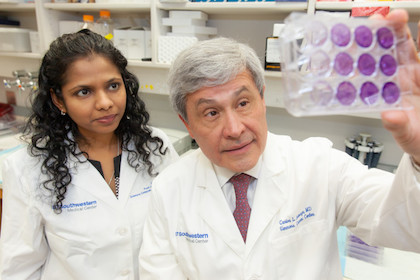
A once-daily combination treatment for those with uncontrolled Type 2 diabetes amplifies the treatment’s effects – lowering both weight and the number of hypoglycemic events, and improving quality of life and glucose control ¬– and makes participants more likely to adhere to their medications.
Surgery restores eye muscle function to patients with facial paralysis: Newsroom - UT Southwestern, Dallas, Texas
https://www.utsouthwestern.edu/newsroom/articles/year-2020/restoring-eye-muscle-function.html
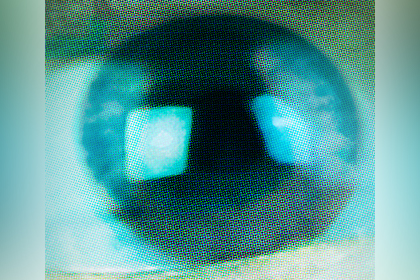
Surgeons at UT Southwestern have developed and analyzed the benefits of a cutting-edge technique that provides patients with facial paralysis the ability to close their eyes.
UT Southwestern researcher wins NIH Director’s Award to study structure of protein tied to Alzheimer’s : Newsroom - UT Southwestern, Dallas, Texas
https://www.utsouthwestern.edu/newsroom/articles/year-2021/saelices-gomez-nih-awards.html
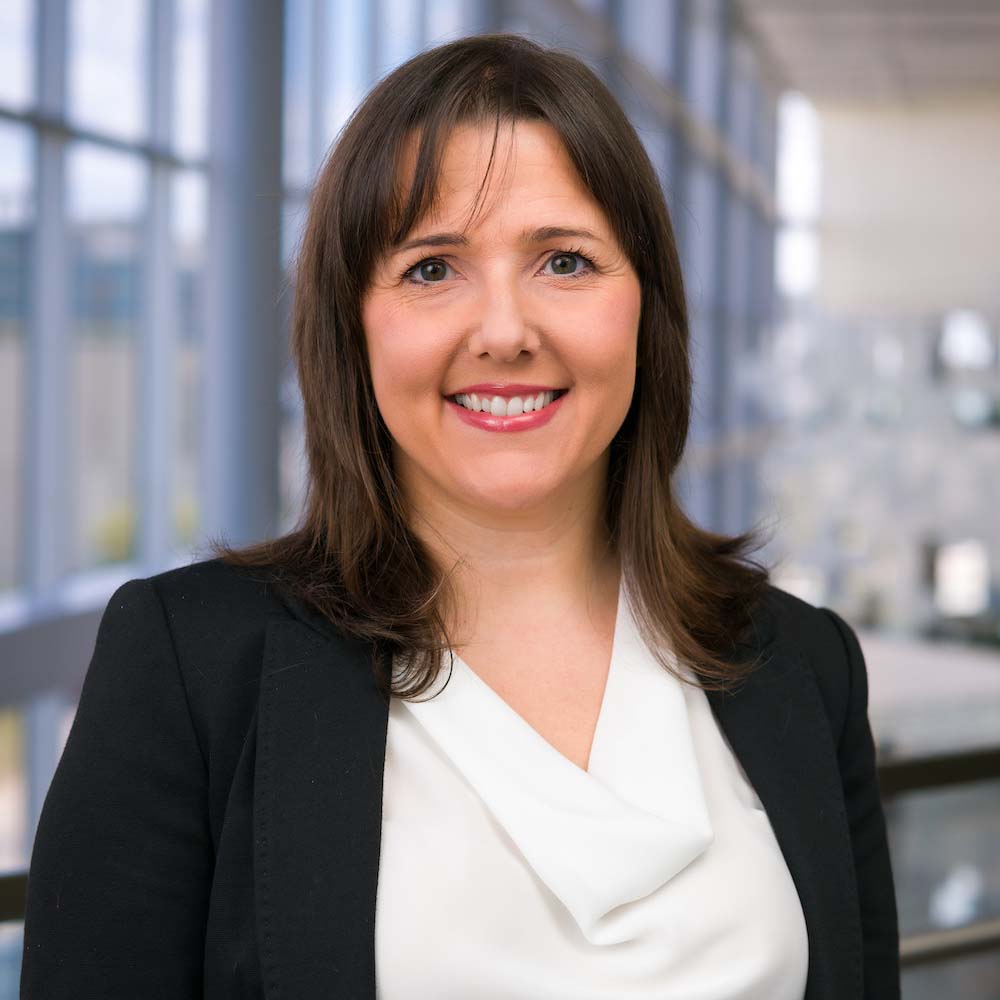
Lorena Saelices Gomez, Ph.D., Assistant Professor of Biophysics and in the Center for Alzheimer’s and Neurodegenerative Diseases at UT Southwestern, has been awarded $1.5 million from the National Institutes of Health (NIH) to determine the structure of amyloids, key proteins that have been tied to
Could cancer immunotherapy success depend on gut bacteria?: Newsroom - UT Southwestern, Dallas, Texas
https://www.utsouthwestern.edu/newsroom/articles/year-2020/cancer-immunotherapy-gut-bacteria.html
A study by researchers revealed that gut bacteria can penetrate tumor cells and boost the effectiveness of an experimental immunotherapy that targets the CD47 protein.
NEJM: Anticoagulants help moderately ill COVID-19 patients: Newsroom - UT Southwestern, Dallas, Texas
https://www.utsouthwestern.edu/newsroom/articles/year-2021/anticoagulants-help-ill-covid-19-patients.html
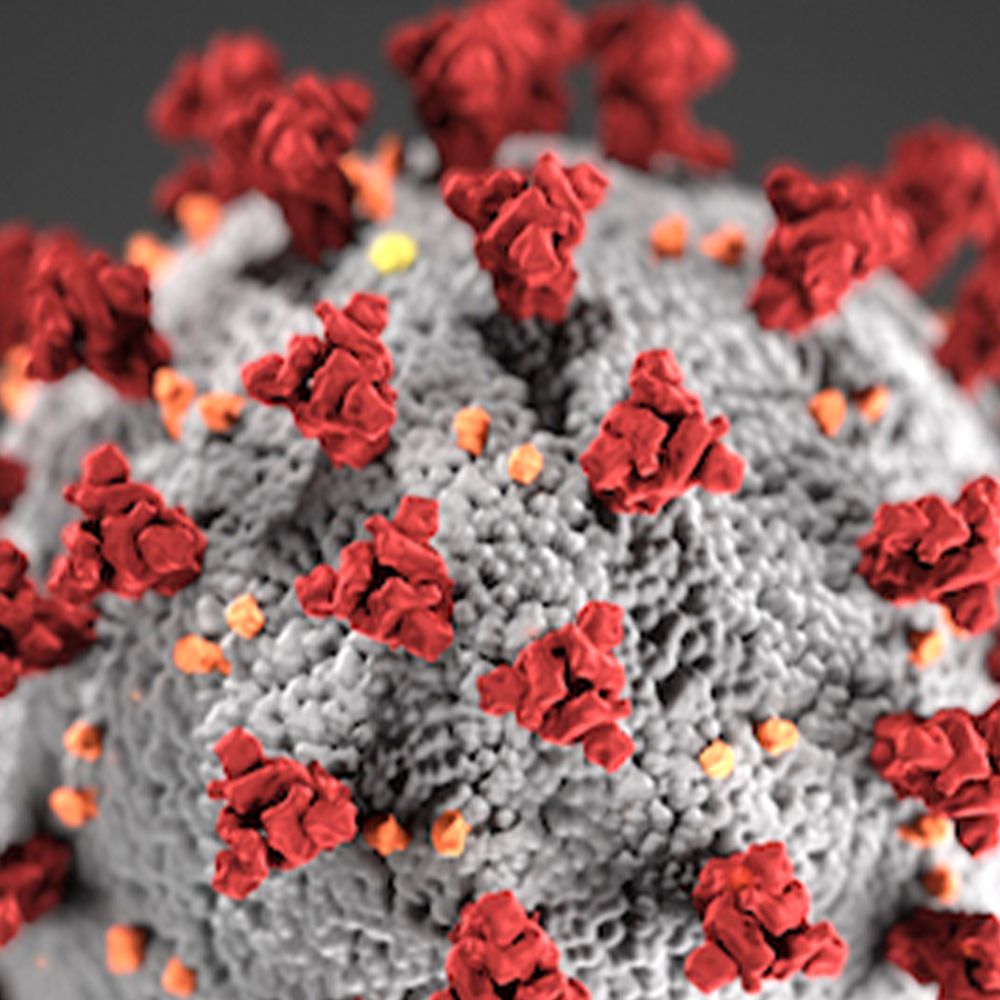
Moderately ill patients hospitalized with COVID-19 have better chances of survival if treated with therapeutic-dose anticoagulation, according to an international study involving 121 sites, including UT Southwestern Medical Center.
National study in children, adults weighs effectiveness of three anti-seizure drugs : Newsroom - UT Southwestern, Dallas, Texas
https://www.utsouthwestern.edu/newsroom/articles/year-2020/three-anti-seizure-drugs.html

Three anticonvulsant drugs commonly used to stop prolonged, potentially deadly seizures each work equally well, according to a national study involving physicians at UT Southwestern.
UT Southwestern among top 25 in nation in eight specialties ranked by U.S. News ‘Best Hospitals’: Newsroom - UT Southwestern, Dallas, Texas
https://www.utsouthwestern.edu/newsroom/articles/year-2021/us-news-best-hospital.html
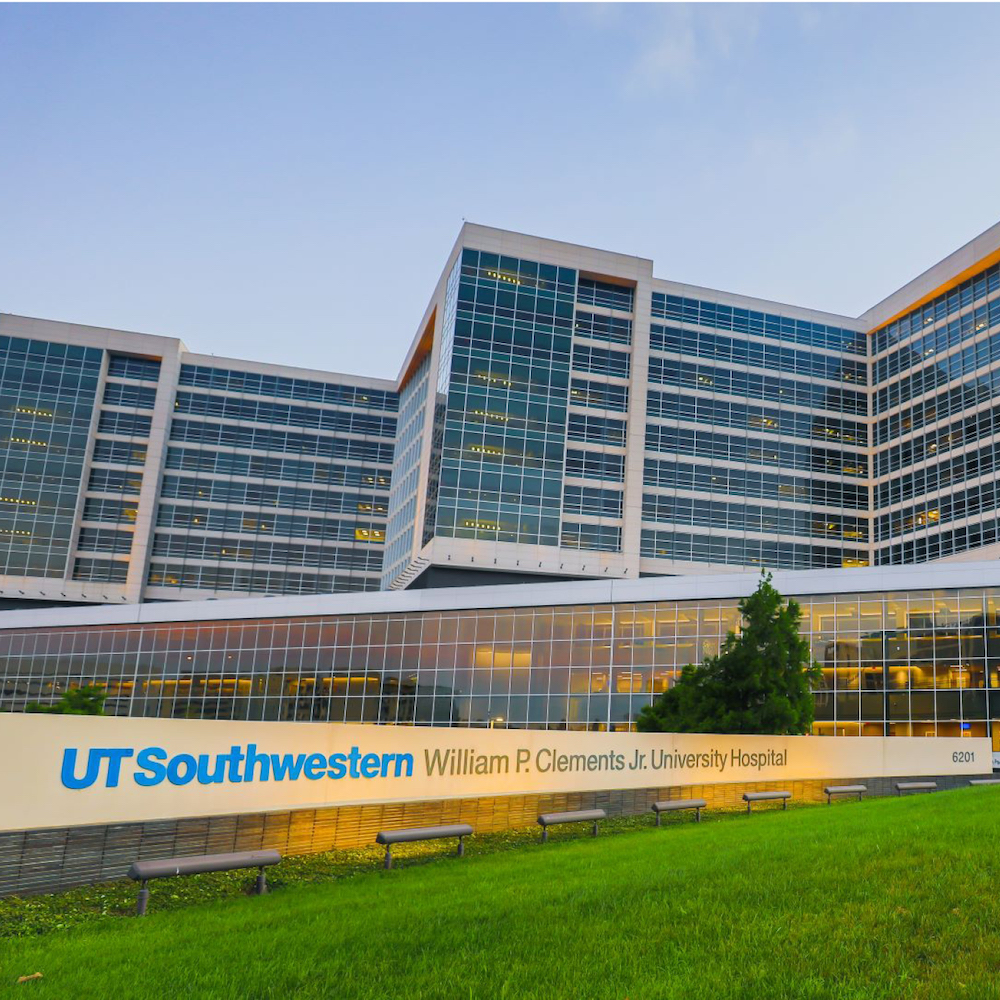
UT Southwestern Medical Center ranks among the top 25 hospitals nationally in eight specialties ranging from brain to heart to cancer care, according to the latest U.S. News & World Report’s annual Best Hospitals report.
Even with regular exercise, astronaut’s heart left smaller after a year in space : Newsroom - UT Southwestern, Dallas, Texas
https://www.utsouthwestern.edu/newsroom/articles/year-2021/astronauts-heart-left-smaller.html

With NASA preparing to send humans to Mars in the 2030s, researchers are studying the physical effects of spending long periods in space.