
Search
Lowering iron in fat cells prevented weight gain in mice: Newsroom - UT Southwestern, Dallas, Texas
https://www.utsouthwestern.edu/newsroom/articles/year-2021/lowering-iron-in-fat-cells.html
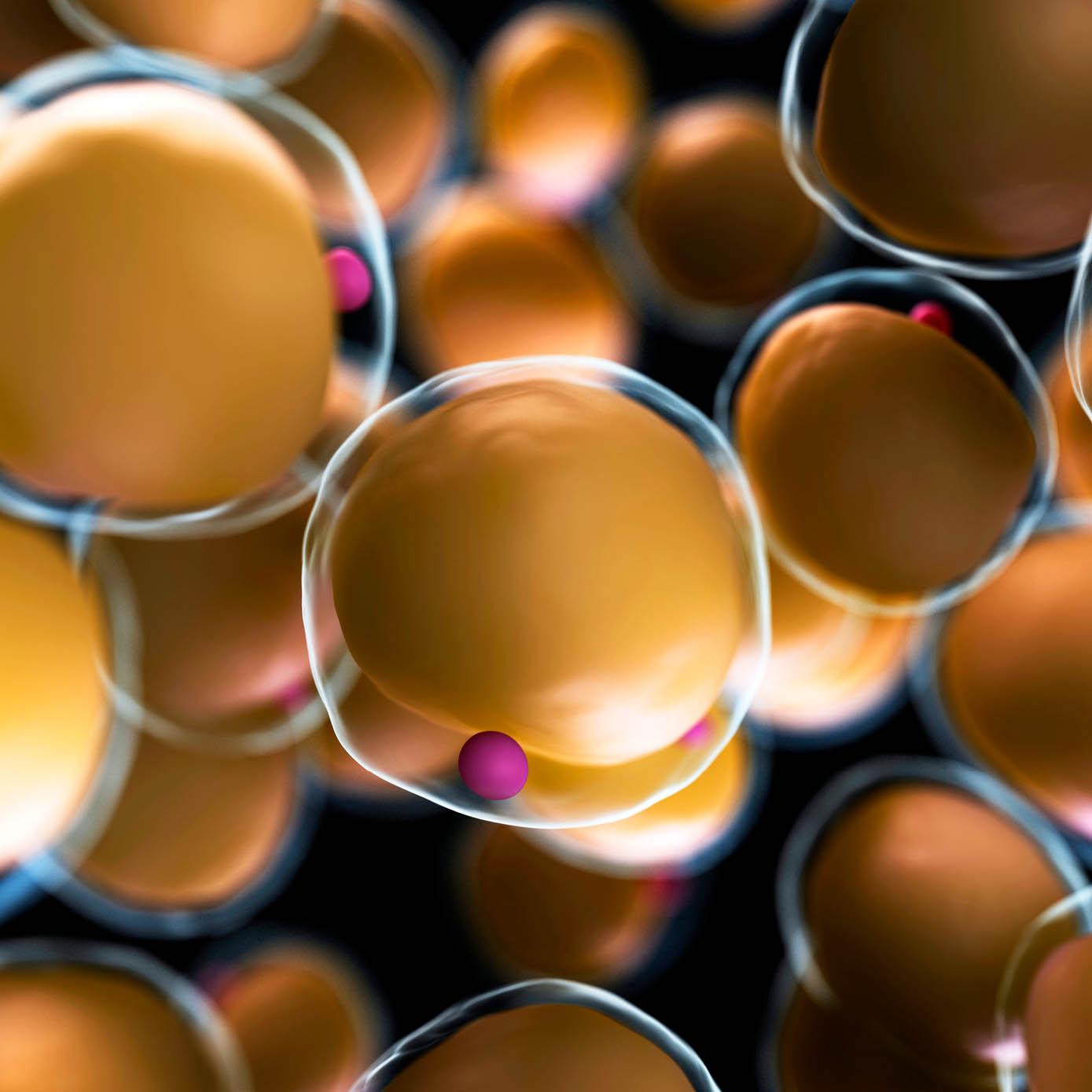
Lowering iron content in fat cells prevented mice fed a high-fat diet from gaining excess weight and developing associated health problems by limiting the amount of lipids absorbed by the intestines
UT Southwestern diabetes researchers show gene editing can turn storage fat cells into energy-burning fat cells: Newsroom - UT Southwestern, Dallas, Texas
https://www.utsouthwestern.edu/newsroom/articles/year-2021/energy-burning-fat-cells.html
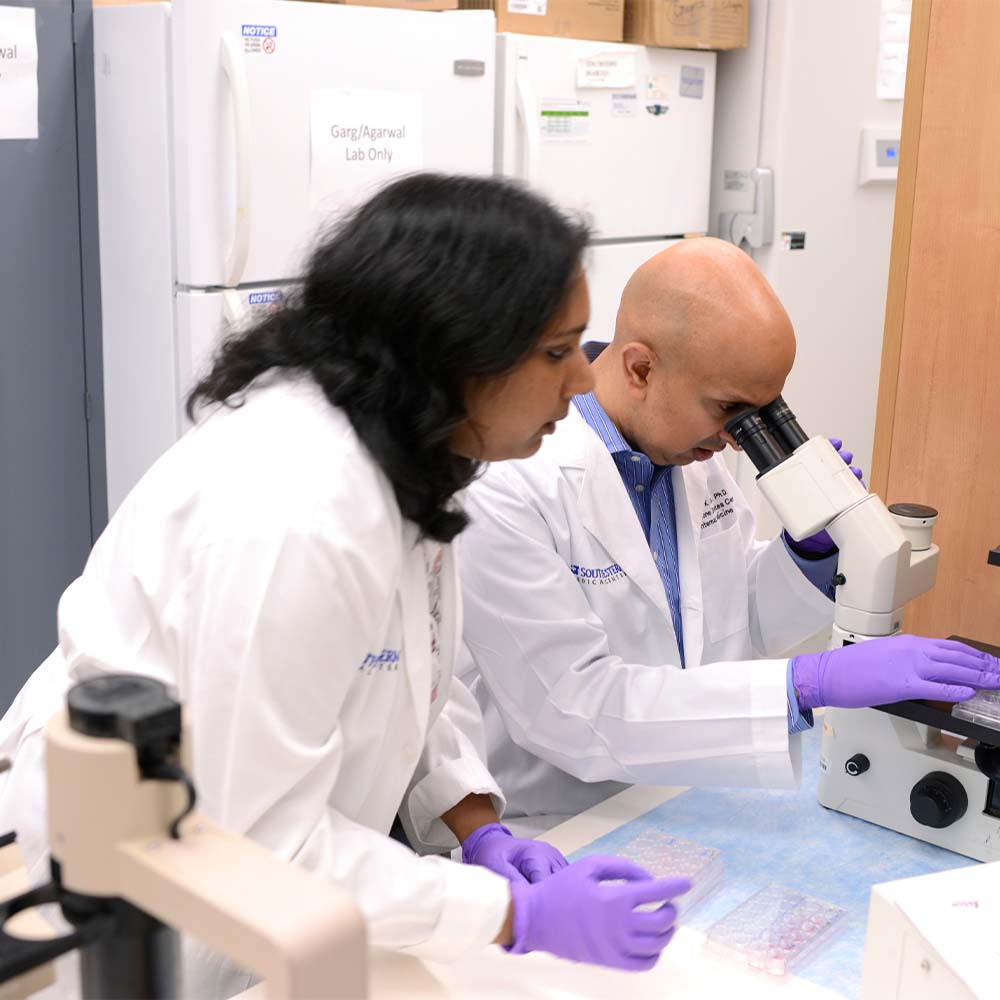
A team of researchers at UT Southwestern Medical Center’s Touchstone Diabetes Center have successfully used CRISPR gene editing to turn fat cells normally used for storage into energy-burning cells.
Giving brown fat a boost to fight Type 2 diabetes: Newsroom - UT Southwestern, Dallas, Texas
https://www.utsouthwestern.edu/newsroom/articles/year-2021/brown-fat-a-boost-to-fight-type-2-diabetes.html
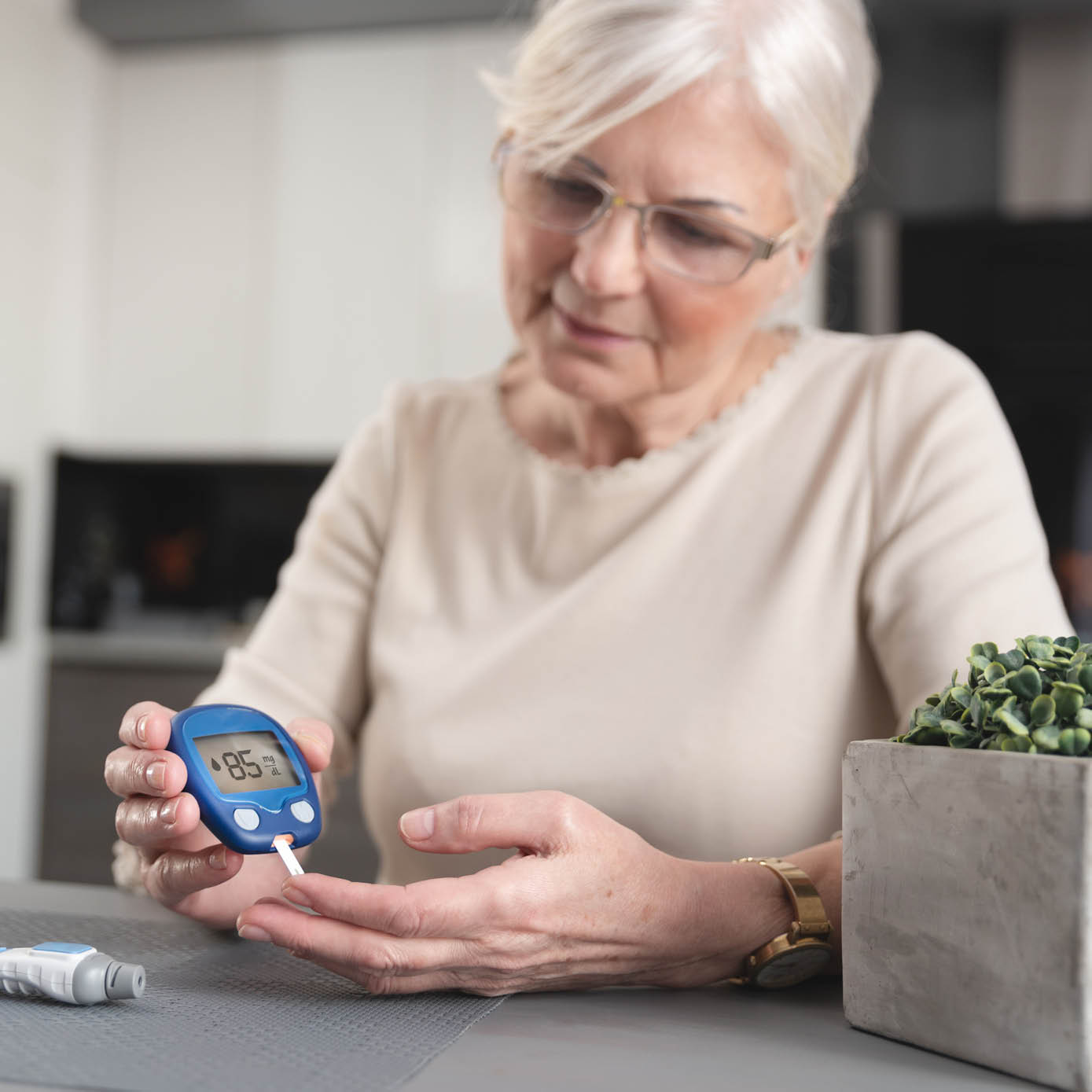
Increasing a protein concentrated in brown fat appears to lower blood sugar, promote insulin sensitivity, and protect against fatty liver disease by remodeling white fat to a healthier state.
Shape-shifting fat cells fuel breast cancer growth: Newsroom - UT Southwestern, Dallas, Texas
https://www.utsouthwestern.edu/newsroom/articles/year-2022/september-shape-shifting-fat-cells.html
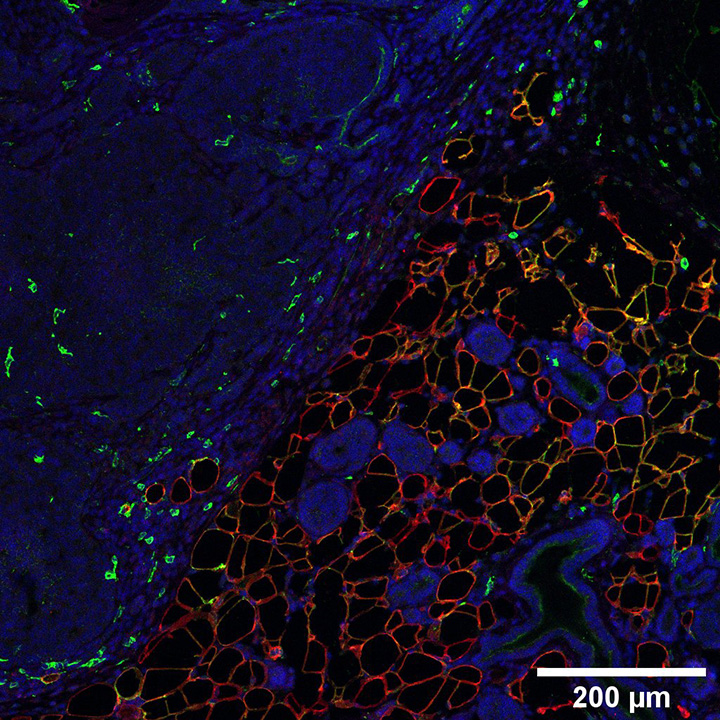
Fat cells, or adipocytes, that grow in close proximity to breast cancers can shift into other cell types that promote tumor growth, a new study by UT Southwestern researchers suggests.
Microprotein plays vital role in fat accumulation: Newsroom - UT Southwestern, Dallas, Texas
https://www.utsouthwestern.edu/newsroom/articles/year-2025/nov-microprotein-fat-accumulation.html
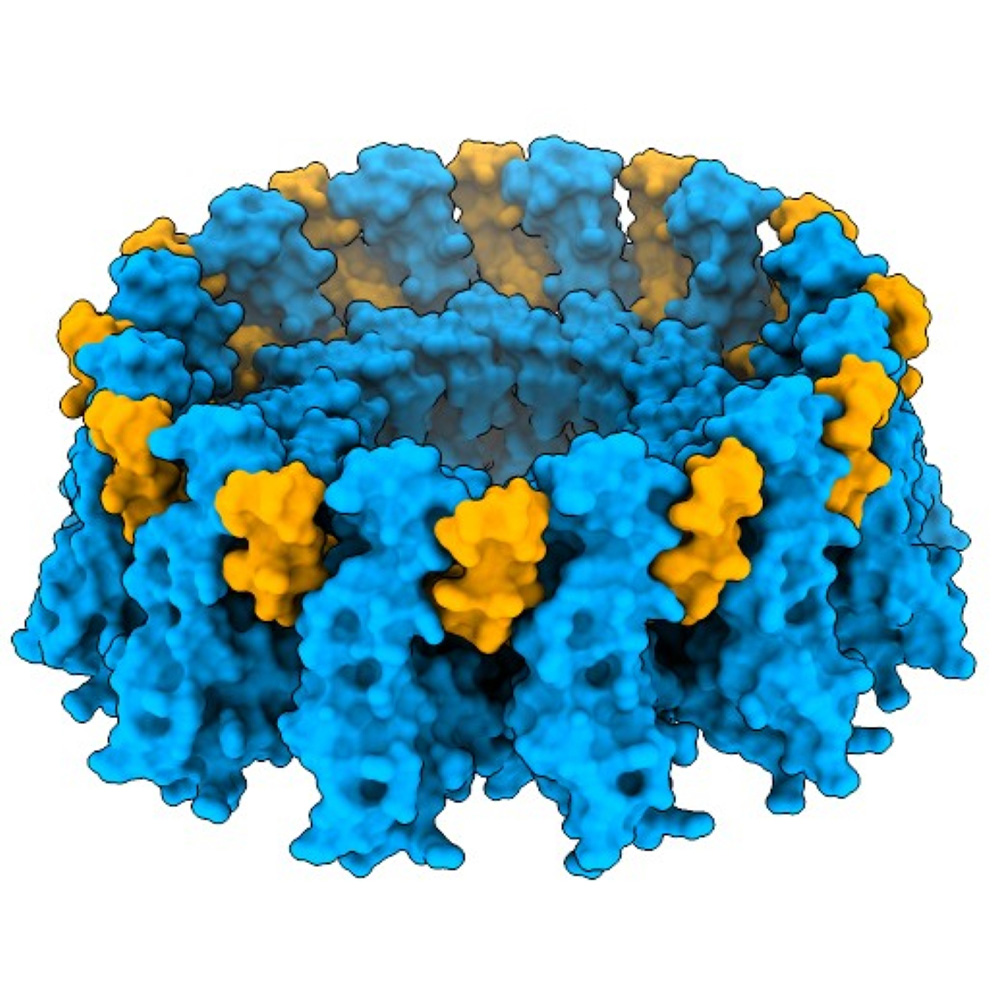
A microprotein called adipogenin appears to play a key role in helping fat cells store lipid droplets – a phenomenon that’s pivotal for metabolic health, a study co-led by UT Southwestern Medical Center researchers shows.
How sex and age shape fat patterns in muscles and bones: Newsroom - UT Southwestern, Dallas, Texas
https://www.utsouthwestern.edu/newsroom/articles/year-2025/jan-sex-and-age-shape-fat-patterns.html

Researchers at UT Southwestern Medical Center have discovered sex-specific differences in how fat accumulates in muscle and bone, uncovering patterns that could inform new approaches to treating age-related diseases.
Gene in fat plays key role in insulin resistance: Newsroom - UT Southwestern, Dallas, Texas
https://www.utsouthwestern.edu/newsroom/articles/year-2020/gene-in-fat-plays-key-role-in-insulin-resistance.html
Deleting a key gene in mice in just their fat made tissues throughout these animals insulin resistant, in addition to other effects, a new study by UT Southwestern researchers shows.
Autoantibody linked to rare disorder that destroys fat, UT Southwestern researchers find: Newsroom - UT Southwestern, Dallas, Texas
https://www.utsouthwestern.edu/newsroom/articles/year-2023/february-autoantibody-lipodystrophy.html
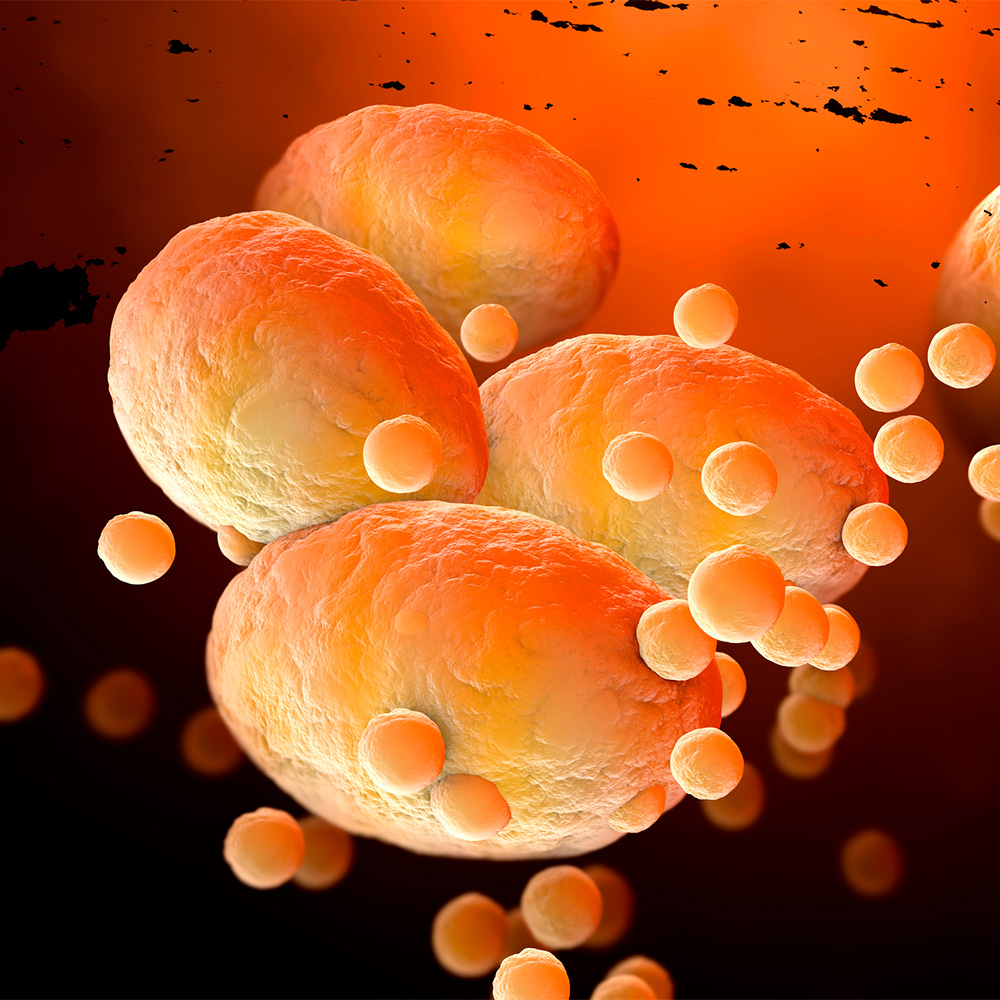
Researchers at UT Southwestern Medical Center have discovered the first molecular biomarker for acquired generalized lipodystrophy (AGL), a rare disorder in which fat deposits are destroyed, causing patients to have dangerously low body fat, signs of accelerated aging, and severe metabolic diseases including
Two studies shed light on how, where body can add new fat cells: Newsroom - UT Southwestern, Dallas, Texas
https://www.utsouthwestern.edu/newsroom/articles/year-2021/where-body-can-add-new-fat-cells.html
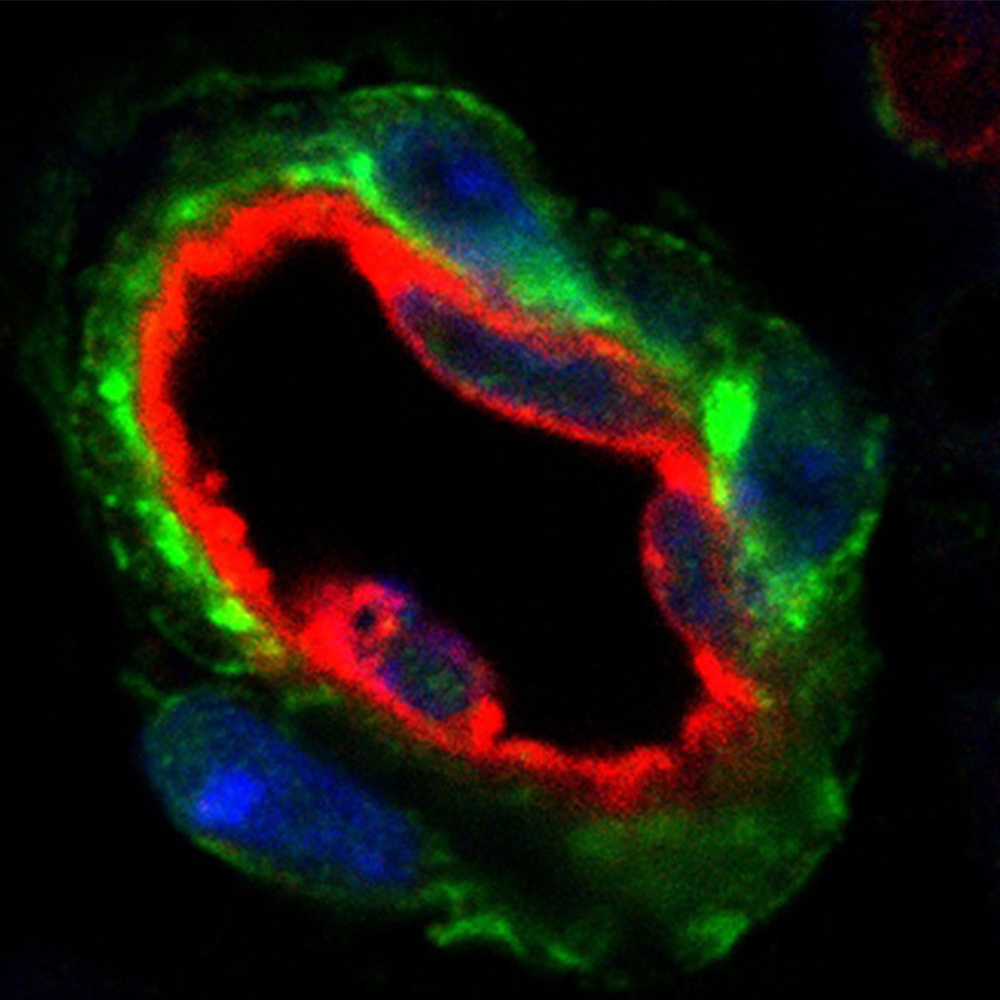
Gaining more fat cells is probably not what most people want, although that might be exactly what they need to fight off diabetes and other diseases.
Stimulating fat cells with GIP receptor has potential to treat obesity: Newsroom - UT Southwestern, Dallas, Texas
https://www.utsouthwestern.edu/newsroom/articles/year-2025/jan-fat-cells-with-incretin.html
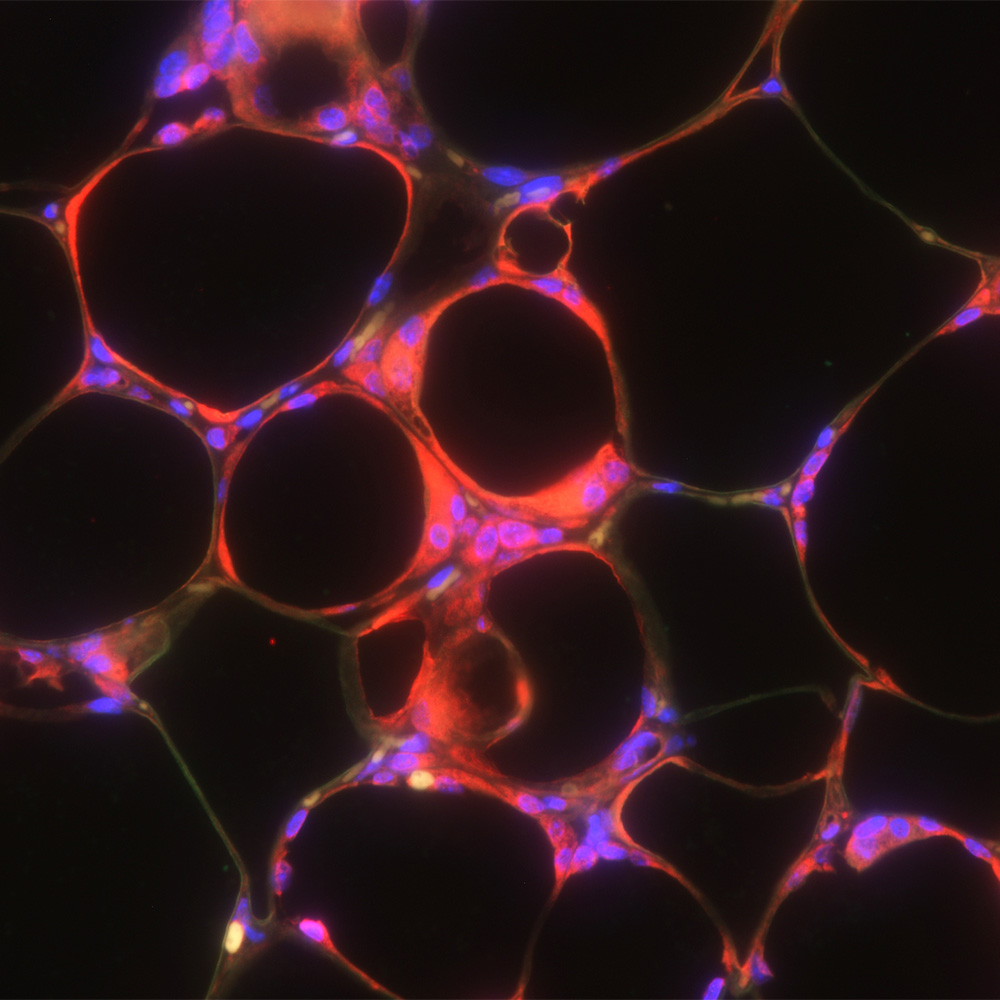
Obese mice whose fat cells were genetically altered to produce an increased amount of the glucose-dependent insulinotropic polypeptide receptor (GIPR) lost more than a third of their body weight through a mechanism that burns energy, UT Southwestern Medical Center researchers report in a new study.