
Search
Type of KRAS mutation may guide more effective cancer treatments: Newsroom - UT Southwestern, Dallas, Texas
https://www.utsouthwestern.edu/newsroom/articles/year-2026/feb-kras-mutation-cancer-treatments.html
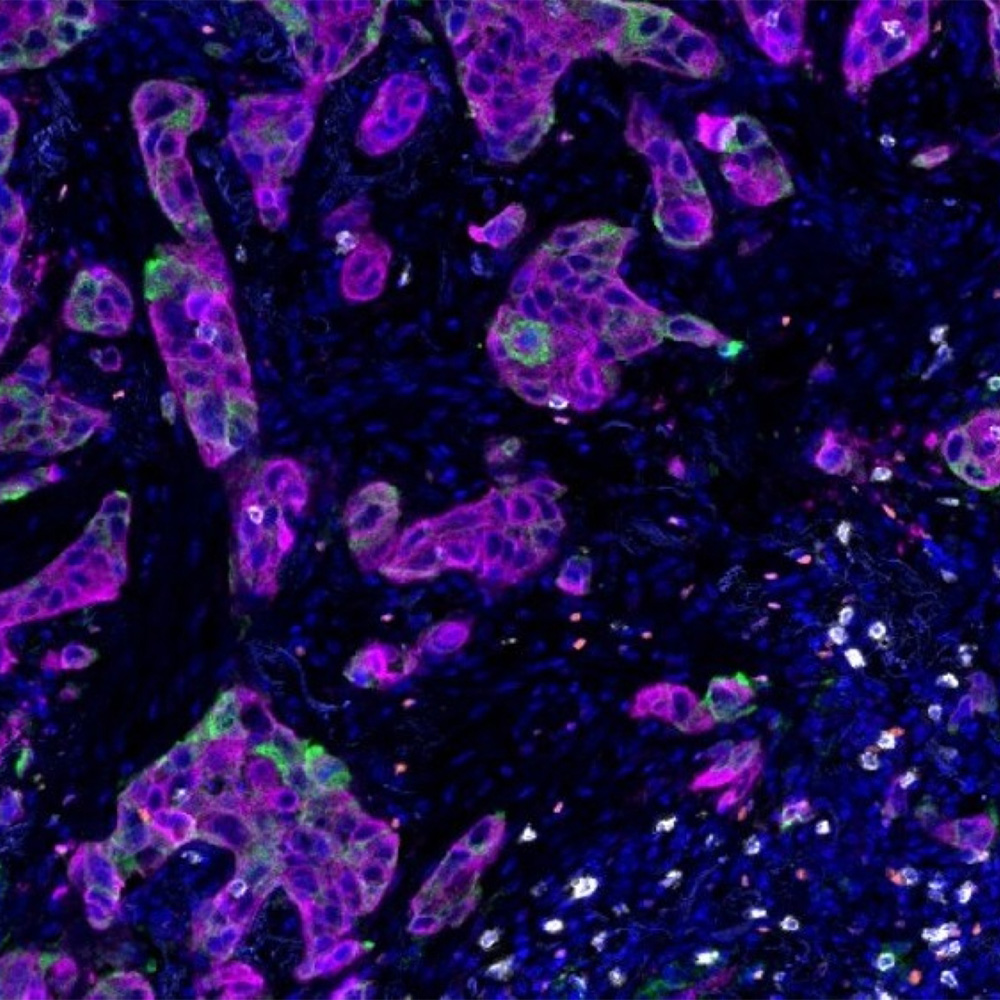
KRAS is the most frequently mutated oncogene across all human cancers. Although different KRAS mutations have long been thought to exert the same cancer-driving effects, a new study led by UT Southwestern Medical Center researchers suggests that different KRAS mutation types can variously impact how cancer cells interact with immune cells, significantly affecting the malignant cells’ behavior.
Developmental-Behavioral Pediatrics Fellowship Program Research and Scholarly Activities – UT Southwestern, Dallas, Texas
https://www.utsouthwestern.edu/departments/pediatrics/divisions/developmental-behavioral/education/fellowship/developmental-behavioral/research.html
Research training is integrated throughout UT Southwestern’s Developmental Behavioral Pediatrics Fellowship Program.
Bringing bad proteins back into the fold: Newsroom - UT Southwestern, Dallas, Texas
https://www.utsouthwestern.edu/newsroom/articles/year-2021/bringing-bad-proteins-back-into-the-fold.html
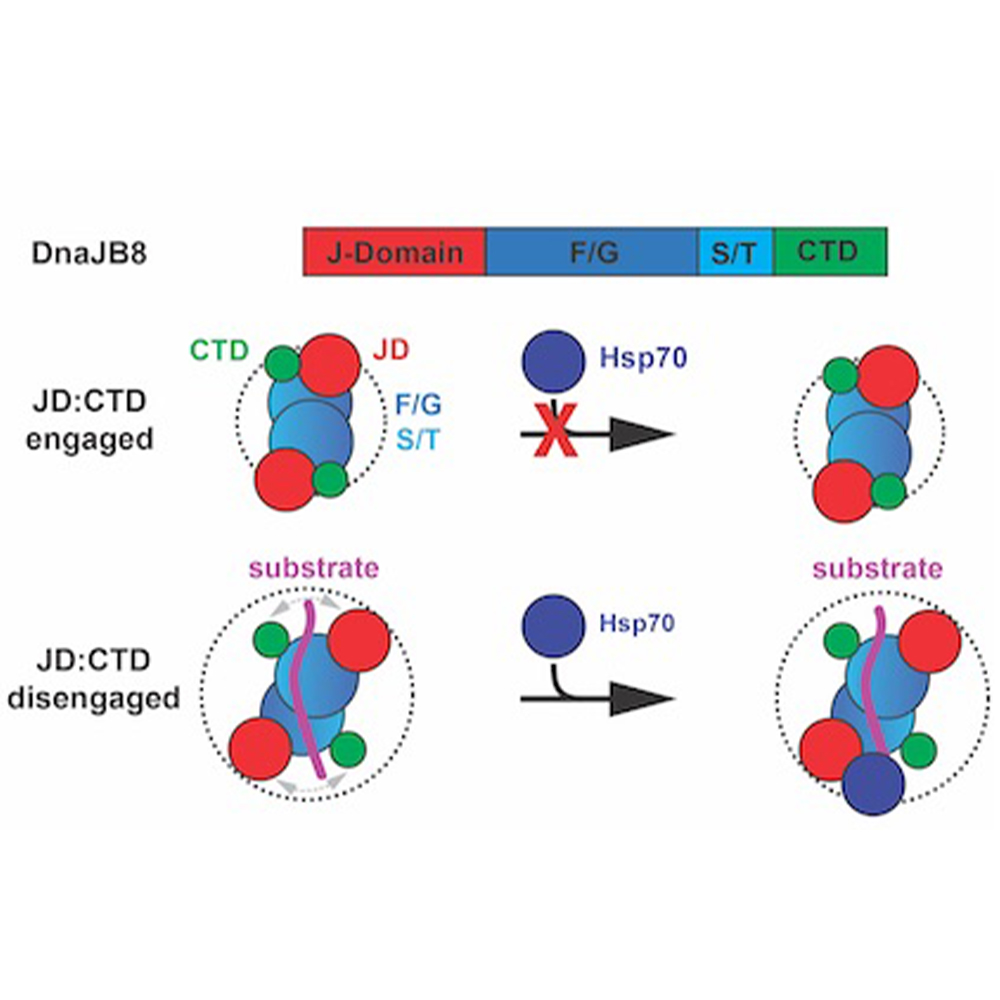
A new nanoparticle-based drug can boost the body’s innate immune system and make it more effective at fighting off tumors, researchers at UT Southwestern have shown.
The α7 protein is ready for its close-up: Newsroom - UT Southwestern, Dallas, Texas
https://www.utsouthwestern.edu/newsroom/articles/year-2021/the-a7-protein-is-ready-for-its-close-up.html
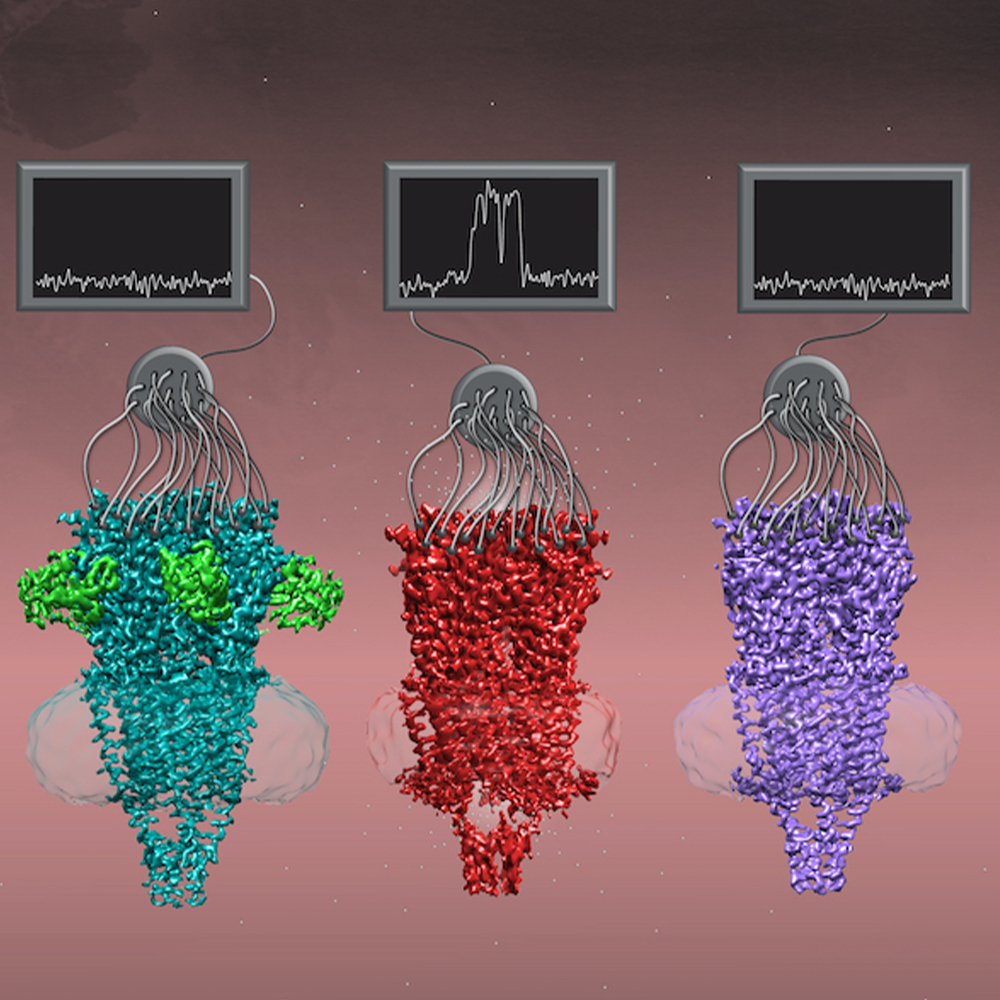
UT Southwestern researchers have identified the structure of a key member of a family of proteins called nicotinic acetylcholine receptors in three different shapes.
New CAR T-cell therapy extends remission in heavily relapsed multiple myeloma patients: Newsroom - UT Southwestern, Dallas, Texas
https://www.utsouthwestern.edu/newsroom/articles/year-2021/new-car-t-cell-therapy.html
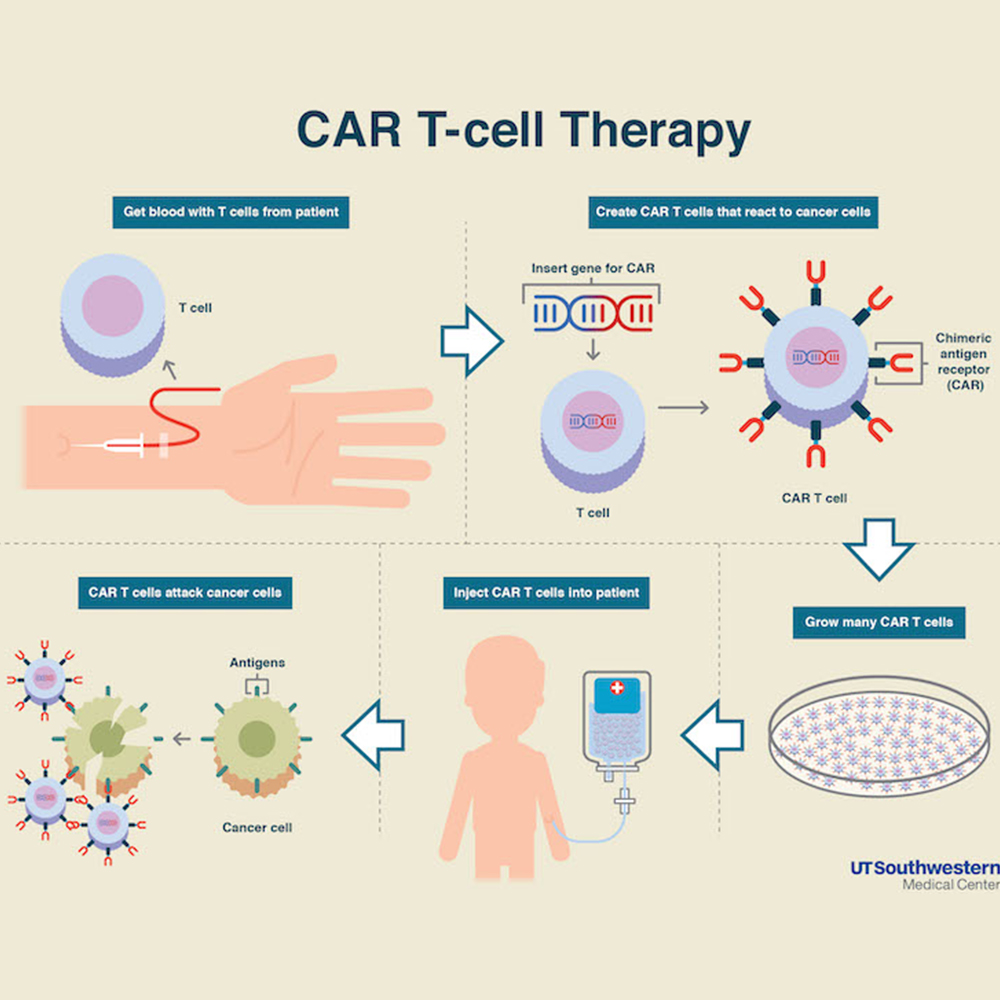
A new type of CAR T-cell therapy more than triples the expected length of remission for multiple myeloma patients who have relapsed several times, according to an international clinical trial with UT Southwestern as the lead enrolling site.
Reviving exhausted immune cells to fight cancer: Newsroom - UT Southwestern, Dallas, Texas
https://www.utsouthwestern.edu/newsroom/articles/year-2021/reviving-exhausted-immune-cells-to-fight-cancer.html
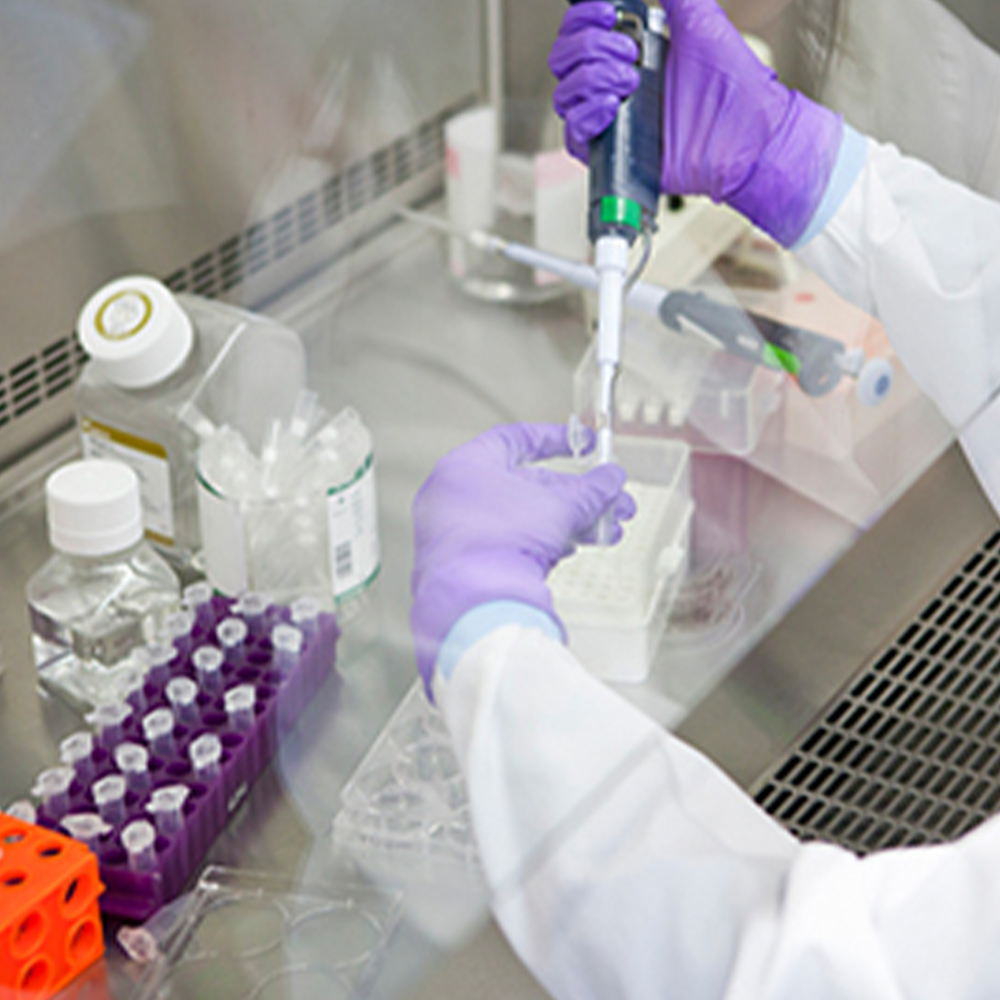
Eliminating a single gene can turn exhausted cancer-fighting immune cells known as CD8+ T cells back into refreshed soldiers that can continue to battle malignant tumors, a new study led by UT Southwestern researchers suggests.
Neonatal Neurocritical Care Fellowship Training Program – Department of Pediatrics, UT Southwestern, Dallas, Texas
https://www.utsouthwestern.edu/departments/pediatrics/divisions/neonatal-perinatal/education/fellowship/neonatal-neurocritical-care/facilities.html
UT Southwestern Neonatal Neurocritical Care Fellowship Training Program fellows work in multiple facilities during the year-long fellowship
UT Southwestern to host virtual discussion on ‘Black Men in White Coats’ documentary: Newsroom - UT Southwestern, Dallas, Texas
https://www.utsouthwestern.edu/newsroom/articles/year-2021/black-men-in-white-coats-documentary.html

The importance of increasing the number of Black male doctors in the United States will be the subject of a virtual panel discussion at UT Southwestern in advance of the release of a documentary on the issue.
Hope for children with bow hunter syndrome: Newsroom - UT Southwestern, Dallas, Texas
https://www.utsouthwestern.edu/newsroom/articles/year-2021/hope-for-children-with-bow-hunter-syndrome.html

Fusing the neck’s top two vertebrae can prevent repeat strokes in children with bow hunter syndrome, a rare condition that affects a handful of U.S. pediatric patients each year, UT Southwestern researchers suggest in a recent study.
Riding the wave to memory-forming genetics : Newsroom - UT Southwestern, Dallas, Texas
https://www.utsouthwestern.edu/newsroom/articles/year-2021/riding-the-wave-to-memory-forming-genetics.html
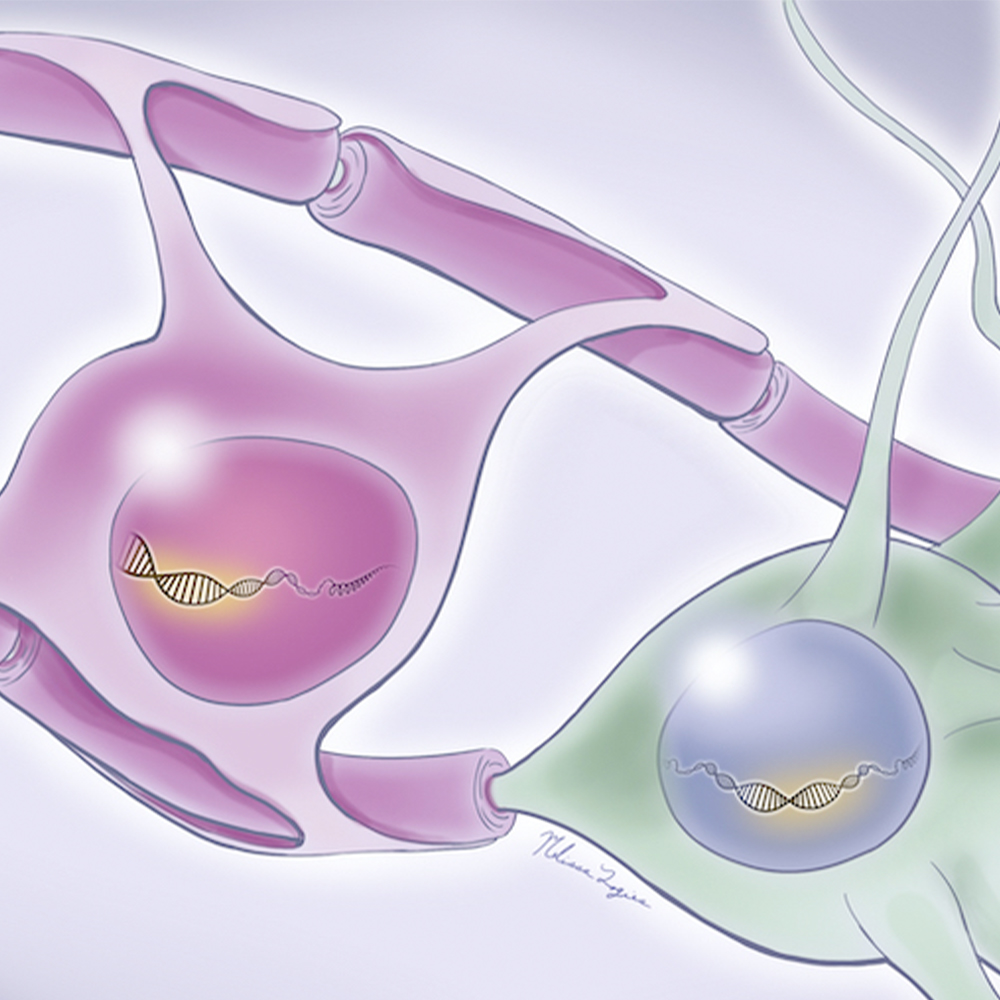
UT Southwestern scientists have identified key genes involved in brain waves that are pivotal for encoding memories.