
Search
Wachsmann, Chen Awarded Stembridge Faculty Teaching Award
https://www.utsouthwestern.edu/departments/pathology/news/wachsmann-chenw-stembridge-award.html
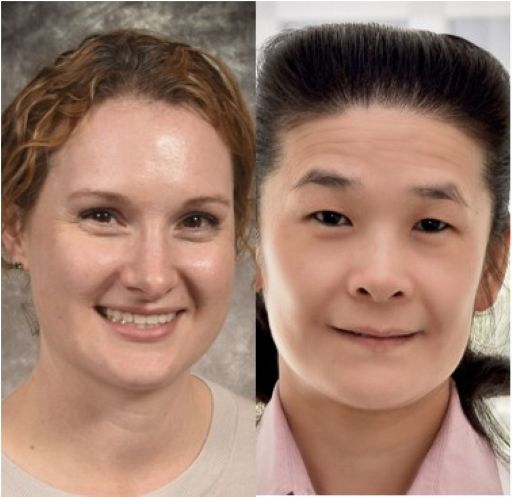
2025-2026 Vernie A. Stembridge Winners Announced Published on: June 12, 2026 Dr. Megan Wachsmann The Vernie A. Stembridge Faculty Teaching Award is presented annually in honor of Vernie A. Stembridge, M.D., in recognition of his dedication and commitment to excellence in house staff teaching. Dr. Ste…
Protein coordinates responses to environmental stress: Newsroom - UT Southwestern, Dallas, Texas
https://www.utsouthwestern.edu/newsroom/articles/year-2026/may-protein-environmental-stress.html
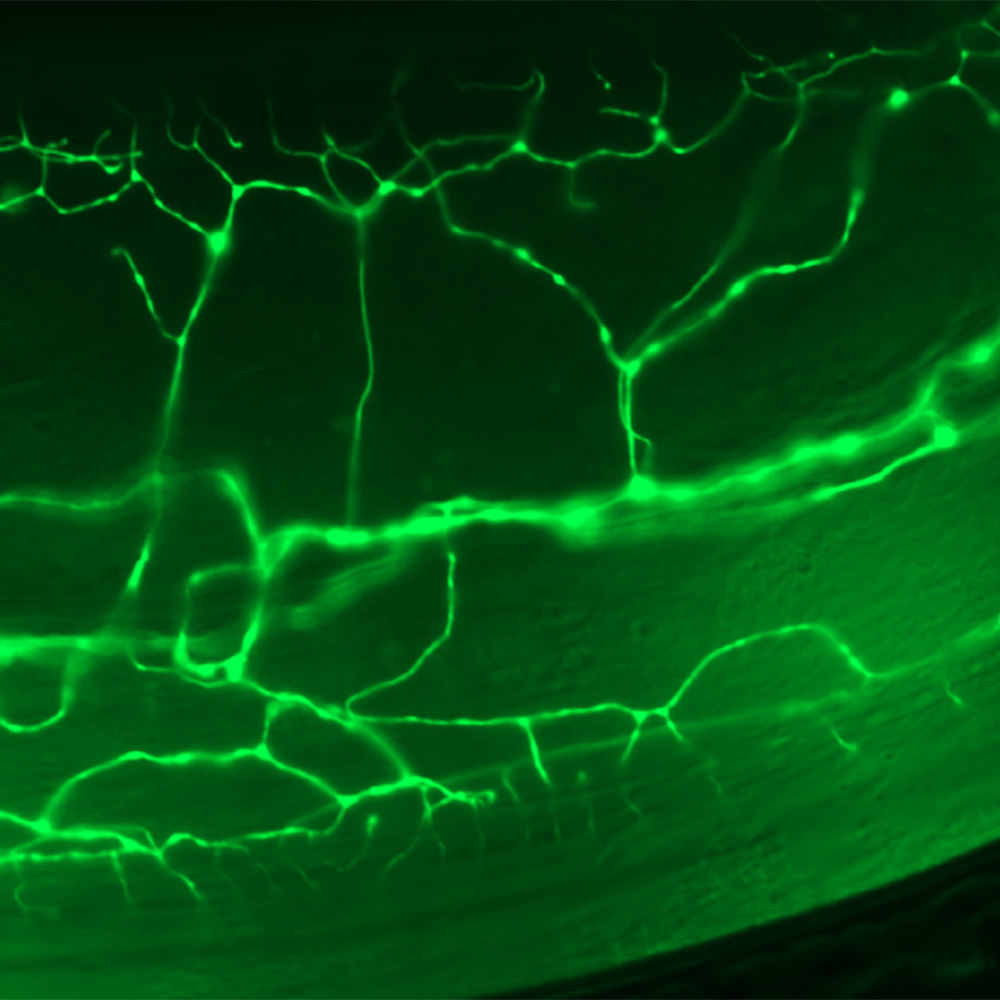
UT Southwestern Medical Center researchers have discovered a key molecular mechanism that allows animals to adapt to changing environmental conditions without altering their genes – an ability known as phenotypic plasticity.
Deciphering the Mysteries of Unstructured Proteins - UT Southwestern, Dallas, TX
https://www.utsouthwestern.edu/research/scientific-report/articles/deciphering-the-mysteries-of-unstructured-proteins.html
Discoveries by Steven McKnight, Ph.D., have revealed the active role of shapeless protein regions known as low-complexity domains in gene regulation.
Antibody may improve treatment response in lung cancer: Newsroom - UT Southwestern, Dallas, Texas
https://www.utsouthwestern.edu/newsroom/articles/year-2026/june-antibody-lung-cancer.html
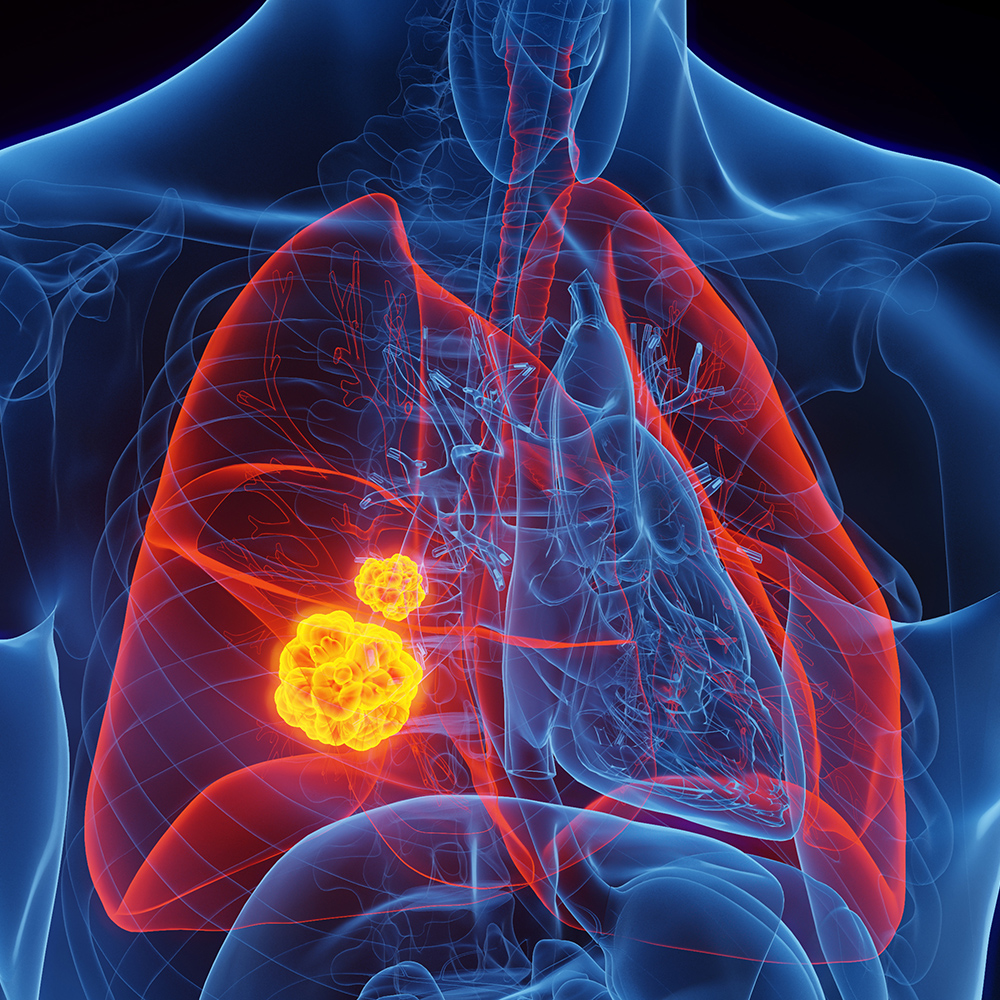
An experimental antibody treatment that binds to a protein known as PCDH7 shrank tumors in preclinical models of non-small cell lung cancer (NSCLC), even those resistant to a targeted therapy, a study led by UT Southwestern Medical Center researchers showed.
HHSC, UT Southwestern Medical Center celebrate opening of new psychiatric hospital in Dallas: Newsroom - UT Southwestern, Dallas, Texas
https://www.utsouthwestern.edu/newsroom/articles/year-2026/june-hhsc-psychiatric-hospital.html
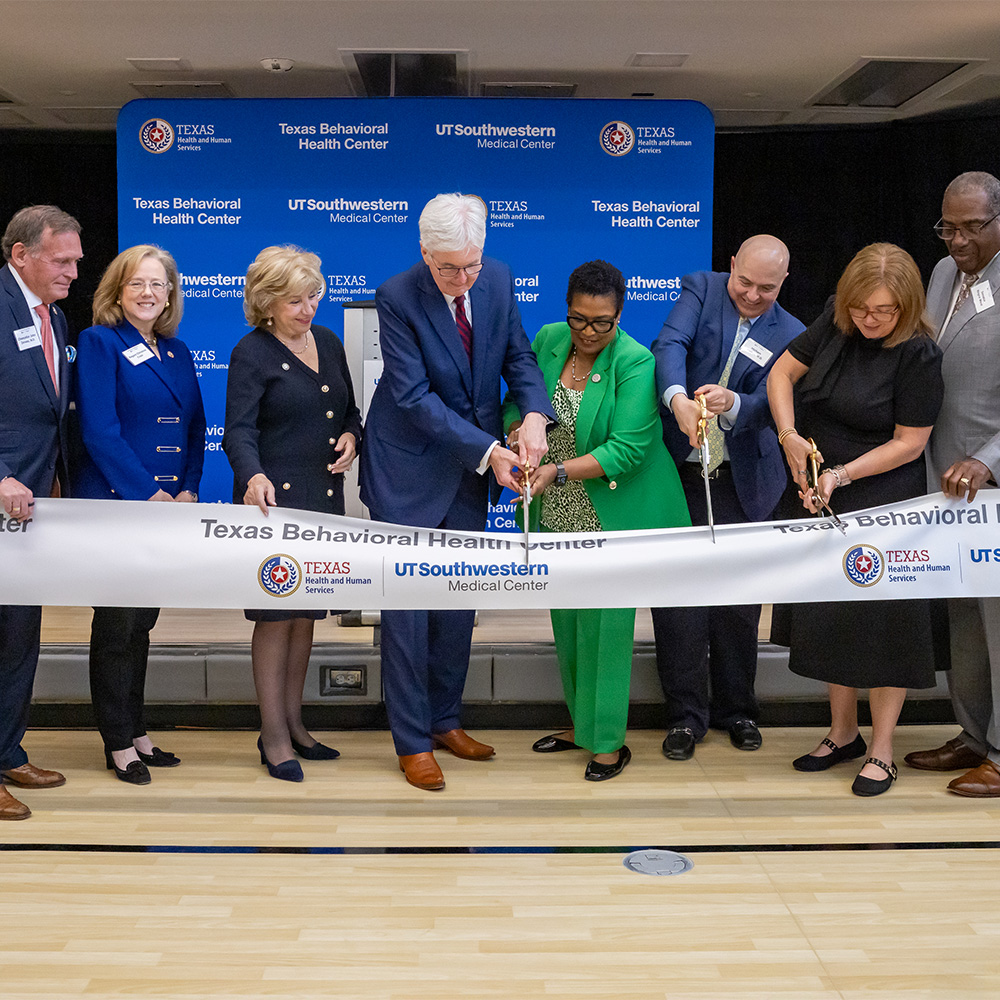
The Texas Health and Human Services Commission (HHSC) and UT Southwestern Medical Center hosted a ribbon-cutting ceremony today to celebrate the opening of the Texas Behavioral Health Center in Dallas.
Study reveals how RNA-modifying enzyme picks its targets: Newsroom - UT Southwestern, Dallas, Texas
https://www.utsouthwestern.edu/newsroom/articles/year-2026/june-rna-modifying-enzyme.html
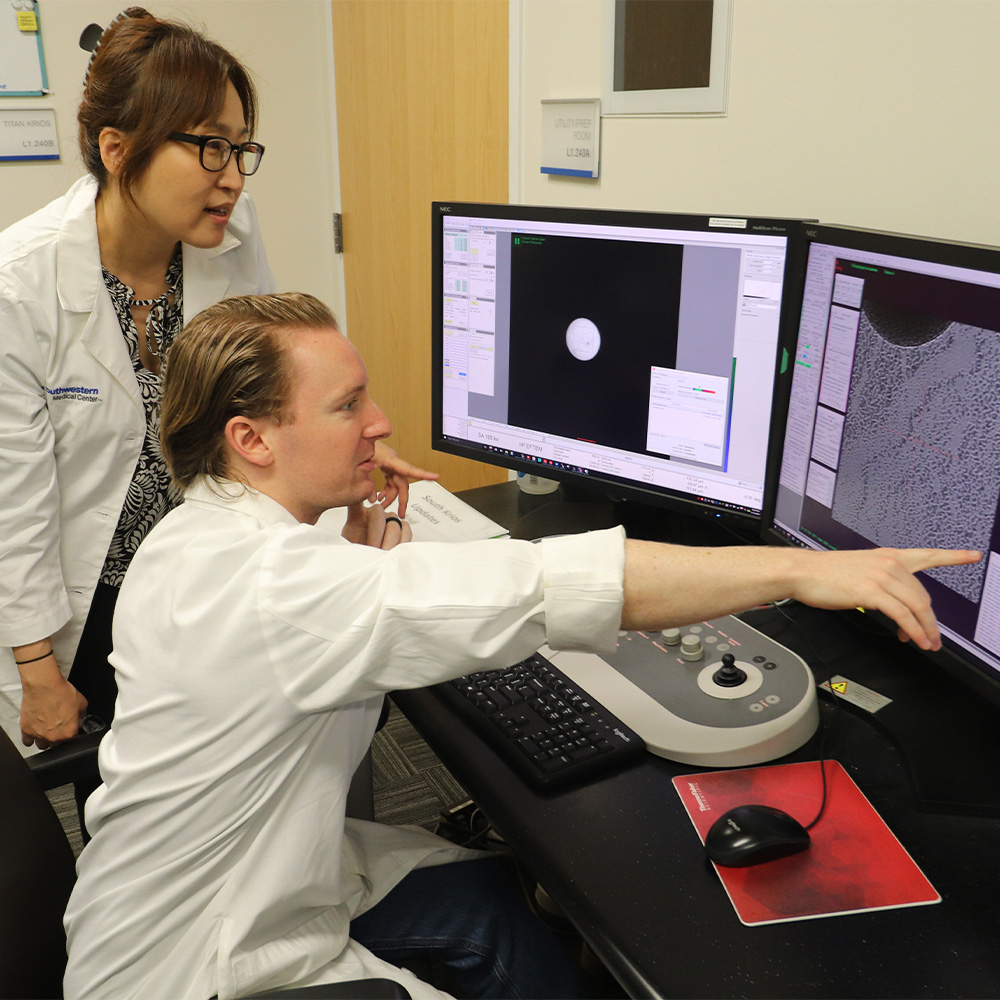
An RNA-modifying enzyme linked to cancer and neurological disorders selects its targets by recognizing specific RNA shapes and sequences, according to a study by UT Southwestern Medical Center researchers.
Should patients learn they have cancer from an online portal?: Newsroom - UT Southwestern, Dallas, Texas
https://www.utsouthwestern.edu/newsroom/articles/year-2026/june-cancer-customer-portal.html

The widespread use of electronic patient portals to provide quick access to test results presents healthcare professionals with an important challenge: How should new cancer diagnoses be communicated?
Unmasking autism spectrum disorder through its gene-based roots: Newsroom - UT Southwestern, Dallas, Texas
https://www.utsouthwestern.edu/newsroom/articles/year-2026/may-autism-spectrum-disorder.html
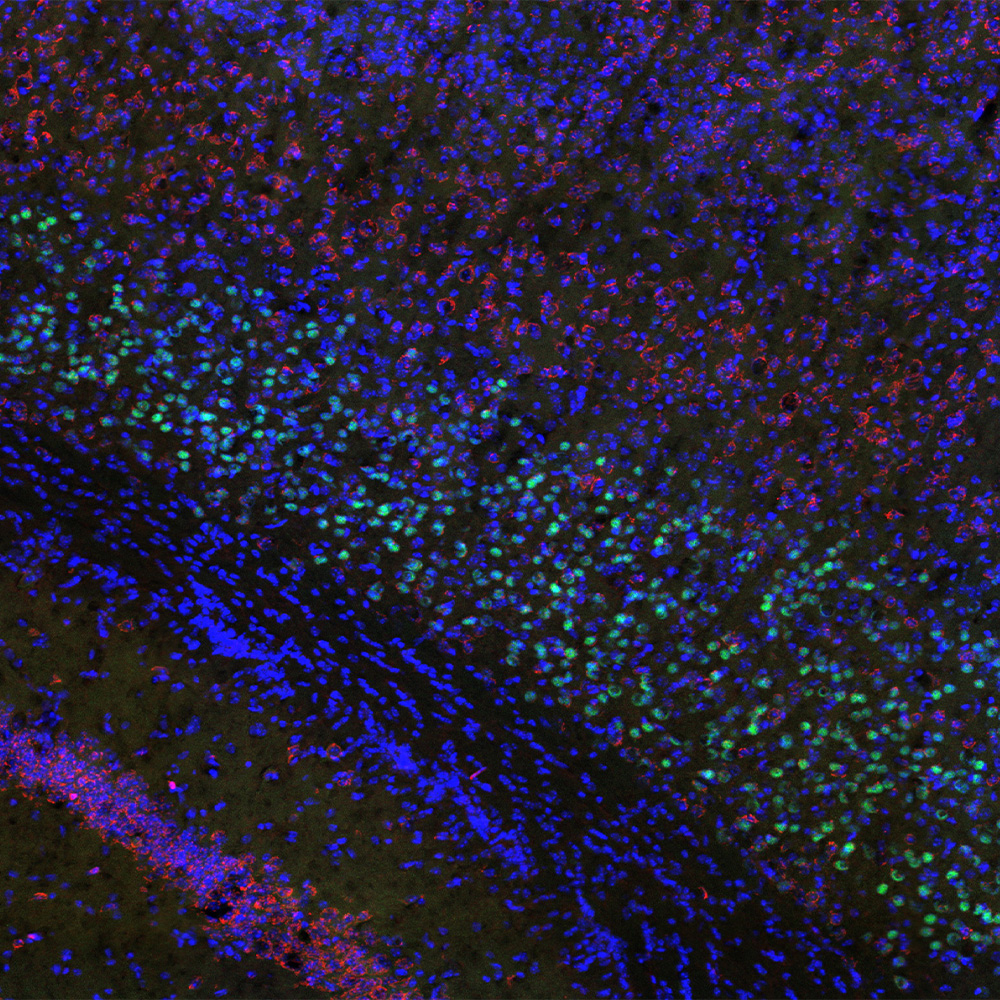
Two studies led by the Chahrour Lab at UT Southwestern Medical Center shed new light on genes associated with autism spectrum disorder (ASD), the neurodevelopmental disease characterized by impaired communication, abnormal social interactions, and restricted, repetitive behaviors.
Study links cancer metabolism to DNA replication errors: Newsroom - UT Southwestern, Dallas, Texas
https://www.utsouthwestern.edu/newsroom/articles/year-2026/may-cancer-metabolism-to-dna.html
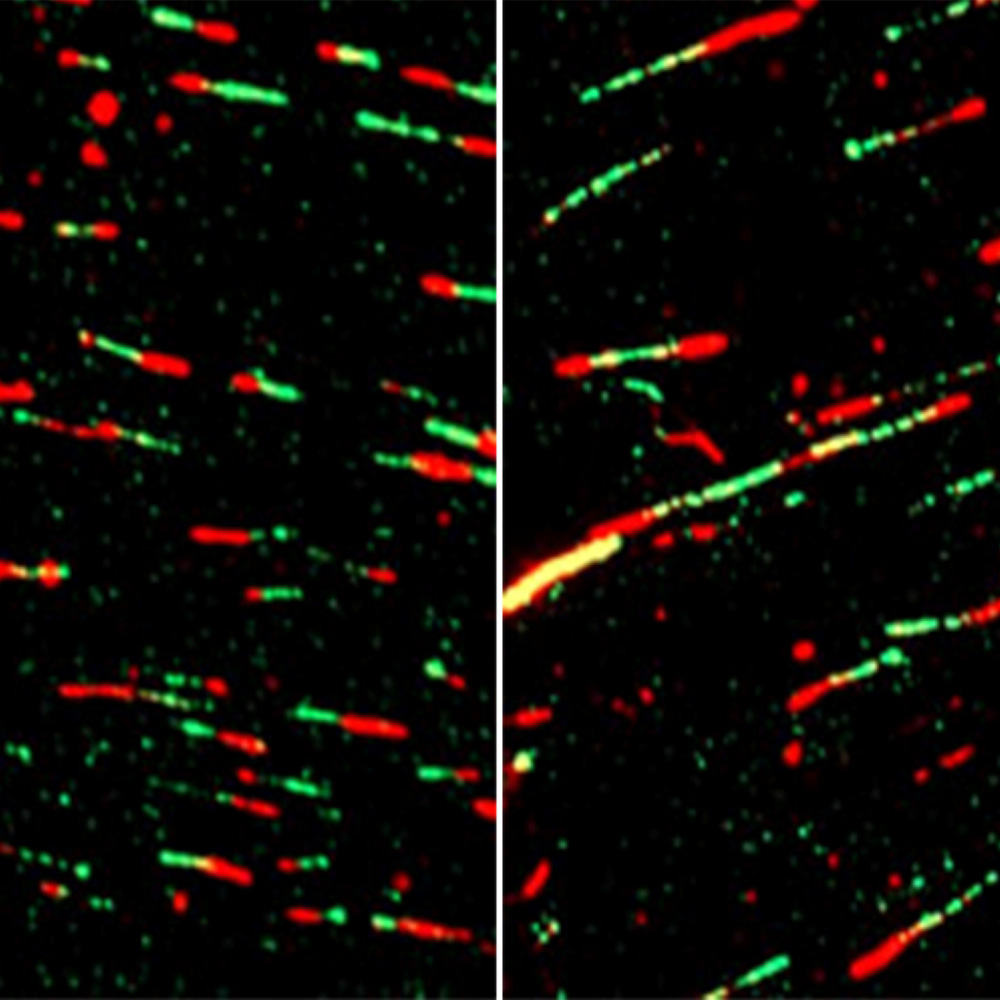
Loss of an enzyme necessary for a process called lipoylation disrupts the way cancer cells copy their DNA, increasing their vulnerability to a class of anticancer drugs known as PARP inhibitors, a study led by UT Southwestern Medical Center researchers shows.
Attacking tumors from the inside: Newsroom - UT Southwestern, Dallas, Texas
https://www.utsouthwestern.edu/newsroom/articles/year-2020/attacking-tumors-from-the-inside.html
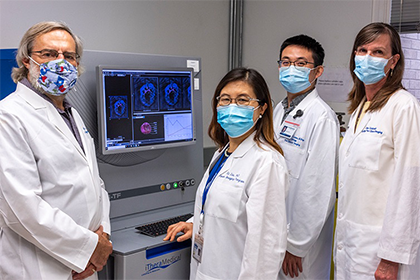
A new technology that allows researchers to peer inside malignant tumors shows that two experimental drugs can normalize aberrant blood vessels, oxygenation, and other aspects of the tumor microenvironment in non-small cell lung cancer (NSCLC), helping to suppress the tumor’s growth and spread, UT Southwestern researchers report.