
Search
Discovery provides insight into neglected tropical disease: Newsroom - UT Southwestern, Dallas, Texas
https://www.utsouthwestern.edu/newsroom/articles/year-2022/tropical-disease.html
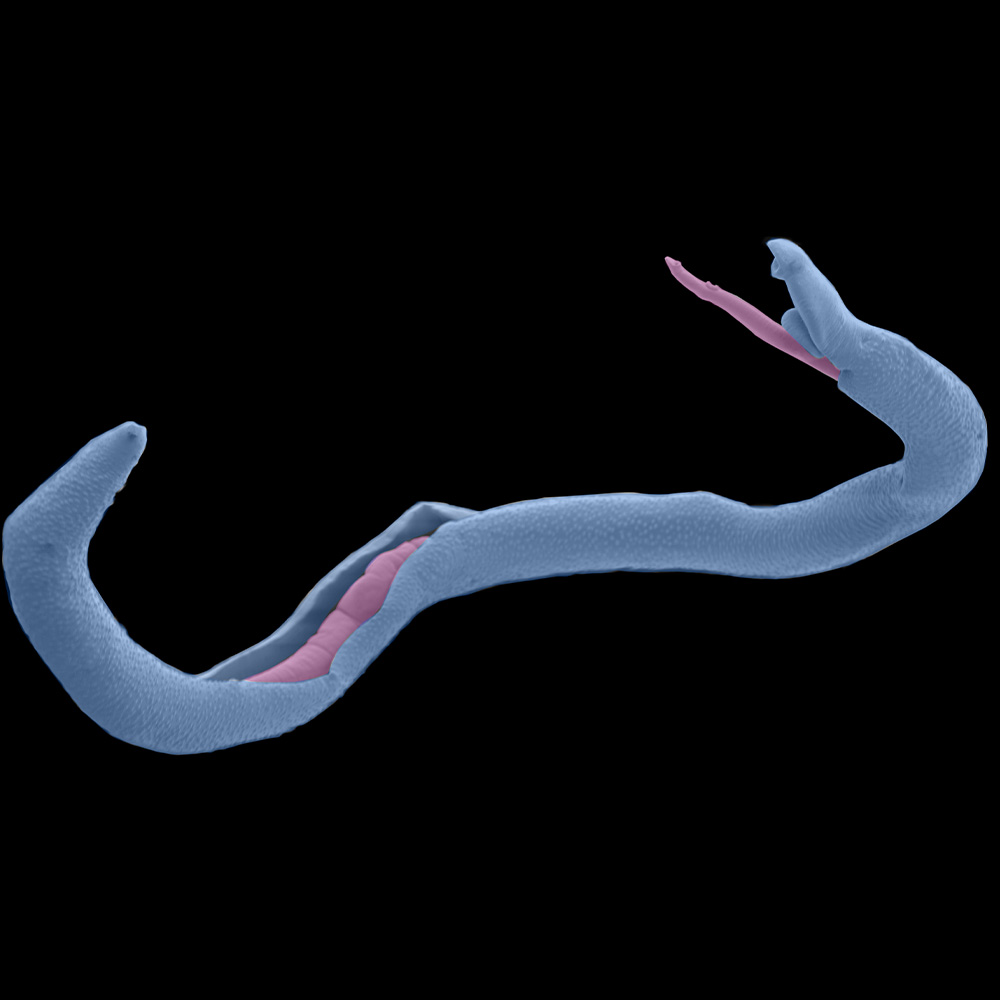
A team led by UTSW researchers has identified a molecule produced by male parasitic worms called schistosomes that prompts sexual maturity in females of these species.
$25 million gift from Once Upon a Time Foundation establishes Raynor Cerebellum Project at UT Southwestern to tackle cerebellar dysfunction and disorders: Newsroom - UT Southwestern, Dallas, Texas
https://www.utsouthwestern.edu/newsroom/articles/year-2022/raynor-cerebellum-project.html
A generous $25 million commitment from the Once Upon a Time Foundation will create the Raynor Cerebellum Project at UT Southwestern Medical Center (RCP-UTSW) to investigate diseases associated with cerebellum dysfunction, with the goal of discovering how to preserve and restore lost brain function.
UTSW study finds cognitive decline key factor in predicting life expectancy in Alzheimer’s disease: Newsroom - UT Southwestern, Dallas, Texas
https://www.utsouthwestern.edu/newsroom/articles/year-2022/cognitive-decline.html

Cognitive decline is the biggest factor in determining how long patients with Alzheimer’s disease will live after being diagnosed, according to a new study from researchers at UT Southwestern.
UTSW spinoff receives $2.6 million CPRIT grant to develop novel cancer immunotherapy: Newsroom - UT Southwestern, Dallas, Texas
https://www.utsouthwestern.edu/newsroom/articles/year-2026/sept-cprit-grant-cancer-immunotherapy.html
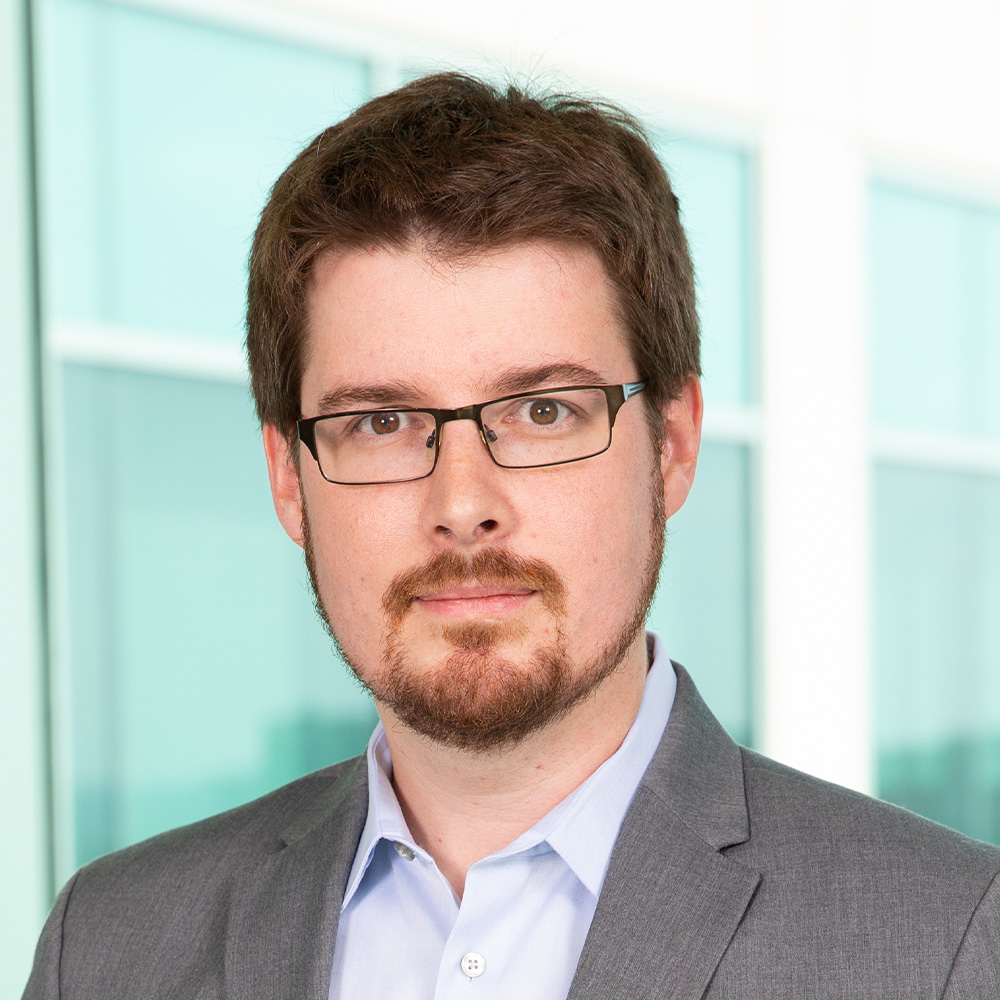
MusiQ Bio, a biotech startup created to advance an anticancer technology developed at UT Southwestern Medical Center, has been awarded a $2.59 million grant from the Cancer Prevention and Research Institute of Texas (CPRIT).
More than 97% of UT Southwestern medical students match to residency programs nationally, across Texas : Newsroom - UT Southwestern, Dallas, Texas
https://www.utsouthwestern.edu/newsroom/articles/year-2022/match-day.html
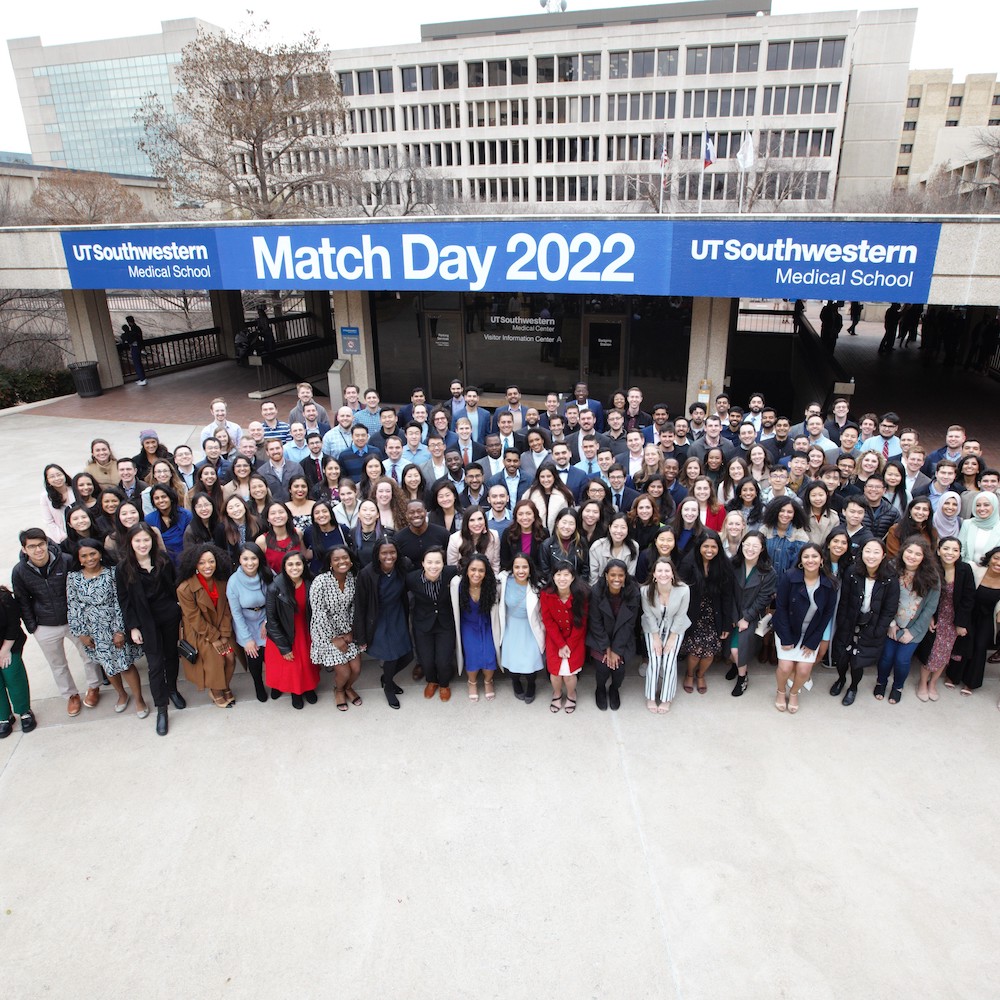
More than 200 UT Southwestern medical students matched to more than 80 programs across the nation, including Harvard, Yale, and Johns Hopkins, as well as a dozen medical programs across Texas.
UTSW Research: Heart failure, diet’s impact on aging, and MS drugs: Newsroom - UT Southwestern, Dallas, Texas
https://www.utsouthwestern.edu/newsroom/articles/year-2026/oct-research-roundup-heart-failure.html

Research published in Science Advances found that specific blood proteins may help explain how social and economic disadvantages increase the risk of heart failure.
UTSW faculty addresses challenges of diagnosing heart attacks in New England Journal of Medicine: Newsroom - UT Southwestern, Dallas, Texas
https://www.utsouthwestern.edu/newsroom/articles/year-2022/diagnosing-heart-attacks.html

Diagnosing heart attacks after heart surgery remains difficult due to shortcomings of current diagnostic tools when applied to postoperative patients.
UTSW study finds it safe to give clot-busting drug to stroke patients who took blood thinners: Newsroom - UT Southwestern, Dallas, Texas
https://www.utsouthwestern.edu/newsroom/articles/year-2022/clot-busting-drug.html
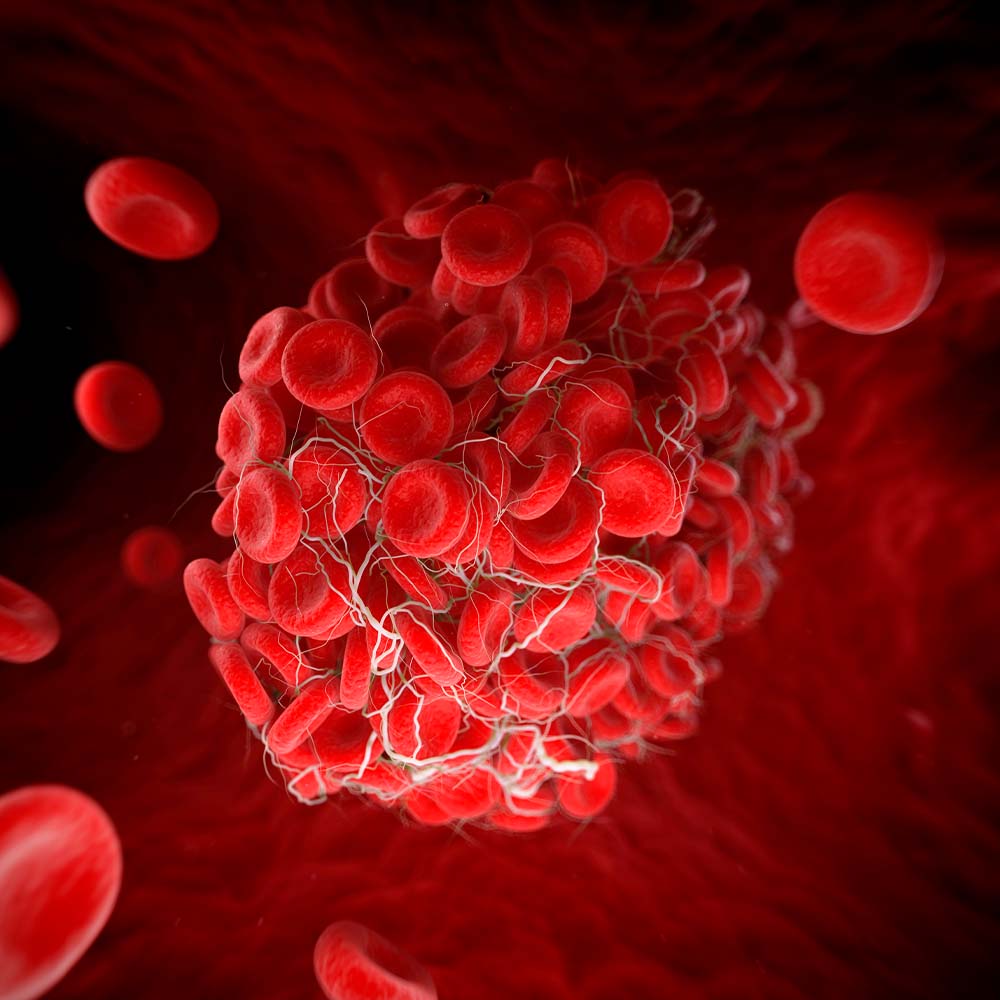
Stroke patients on long-term blood thinners who were given the clot-busting drug alteplase enjoyed better recoveries than those who did not receive the drug and had no increased risk of bleeding, a new study led by UTSW researchers shows.
UTSW study finds palliative care consultation does not decrease COVID-19 patients’ chances of receiving CPR: Newsroom - UT Southwestern, Dallas, Texas
https://www.utsouthwestern.edu/newsroom/articles/year-2022/palliative-care.html

COVID-19 patients who receive a palliative care consultation are 5.6 times more likely to receive comfort care at the end of life and are just as likely to receive CPR if needed as those who did not receive a consultation, according to a UT Southwestern study.
Fighting off food poisoning depends on the time of day : Newsroom - UT Southwestern, Dallas, Texas
https://www.utsouthwestern.edu/newsroom/articles/year-2021/food-poisoning.html
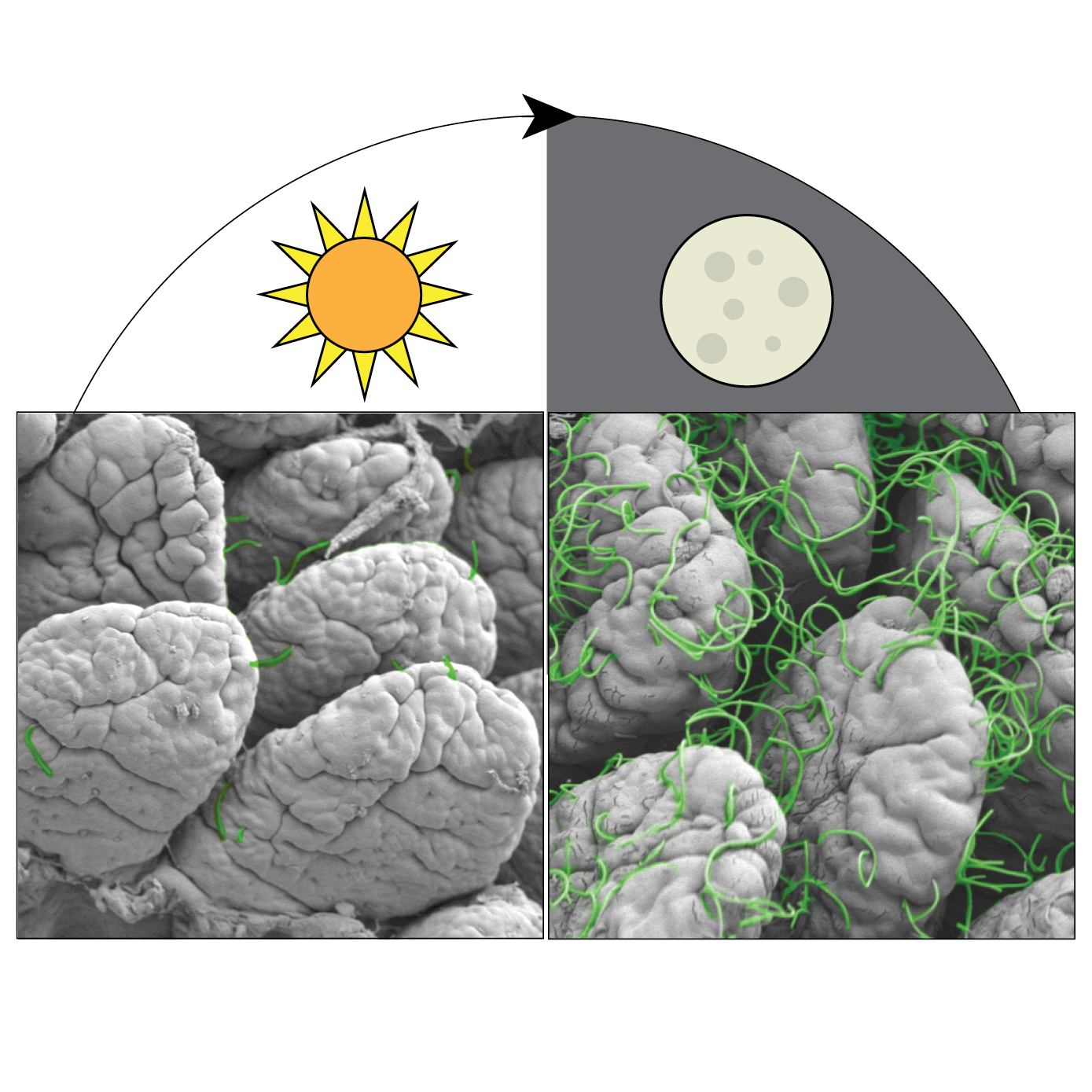
The body’s ability to prevent food poisoning by producing a natural antimicrobial compound increases during the day, when exposure to noxious bacteria is most likely, a new study by UT Southwestern scientists suggests.