
Search
"Reelin" in a new treatment for multiple sclerosis: Newsroom - UT Southwestern, Dallas, Texas
https://www.utsouthwestern.edu/newsroom/articles/year-2020/new-treatment-ms.html
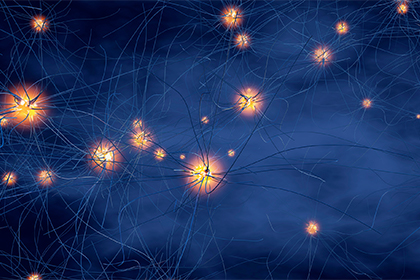
In an animal model of multiple sclerosis (MS), decreasing the amount of a protein made in the liver significantly protected against development of the disease’s characteristic symptoms and promoted recovery in symptomatic animals, UTSW scientists report.
National Cancer Institute renews Simmons Cancer Center’s prestigious comprehensive designation: Newsroom - UT Southwestern, Dallas, Texas
https://www.utsouthwestern.edu/newsroom/articles/year-2021/nci-renews-scc.html
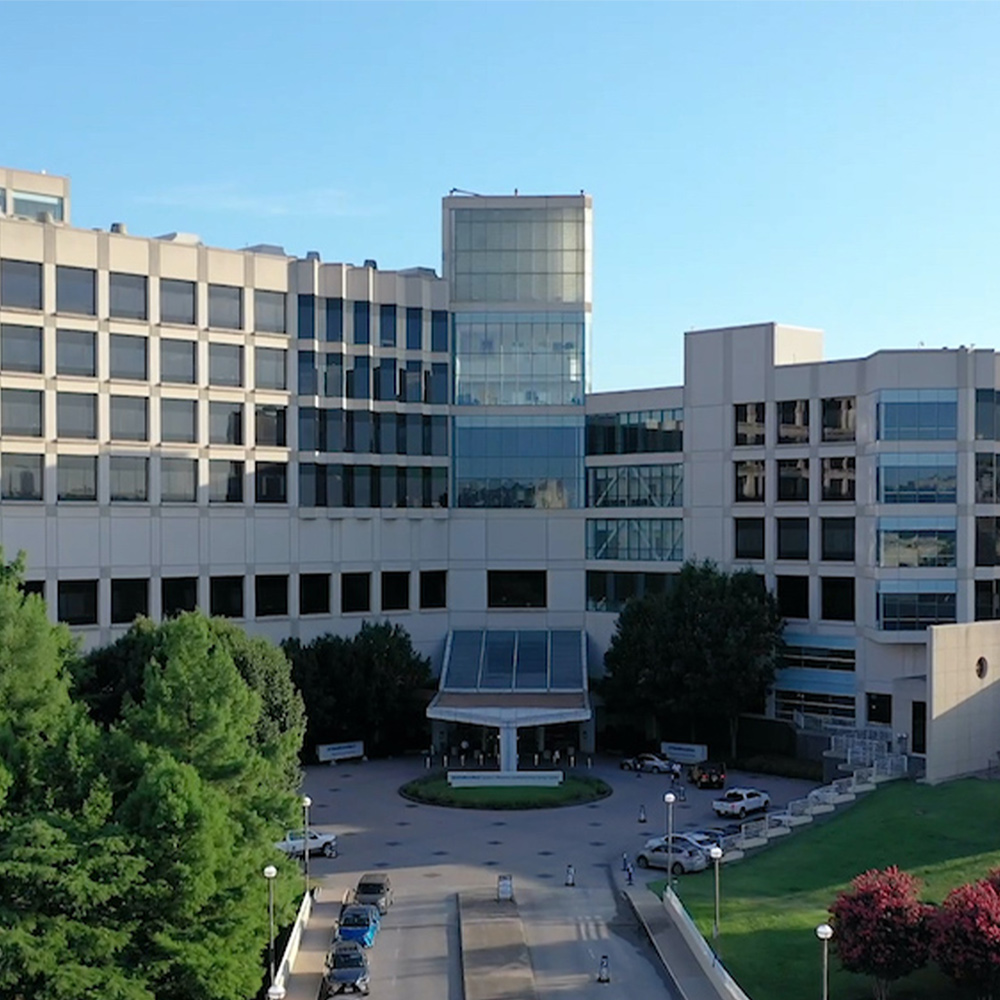
The National Cancer Institute has renewed the Harold C. Simmons Comprehensive Cancer Center’s comprehensive designation, reaffirming its place among the country’s elite cancer institutes.
Strict lineage tracing crucial to nerve cell regeneration research, study says: Newsroom - UT Southwestern, Dallas, Texas
https://www.utsouthwestern.edu/newsroom/articles/year-2021/strict-lineage-tracing.html
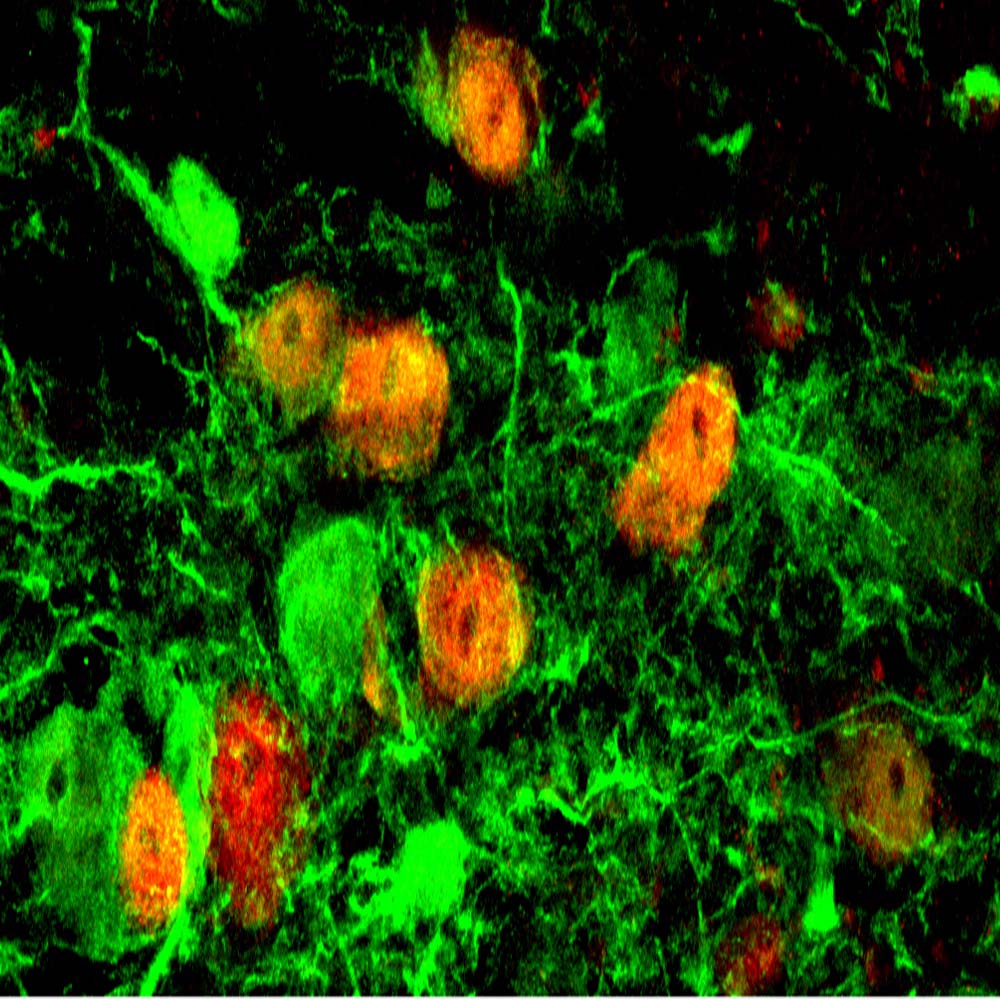
UT Southwestern stem cell scientists find that stringent lineage tracing is crucial for studies of nerve cell regeneration.
Common weight-loss drug successfully targets fat that can endanger heart health: Newsroom - UT Southwestern, Dallas, Texas
https://www.utsouthwestern.edu/newsroom/articles/year-2021/obesity-drug.html

Researchers at UT Southwestern announced successful results of a clinical trial for a commonly prescribed weight-loss drug called liraglutide.
QI study demonstrates better outcomes for NICU infants with optimized use of CPAP and surfactant: Newsroom - UT Southwestern, Dallas, Texas
https://www.utsouthwestern.edu/newsroom/articles/year-2021/nicu-infants.html
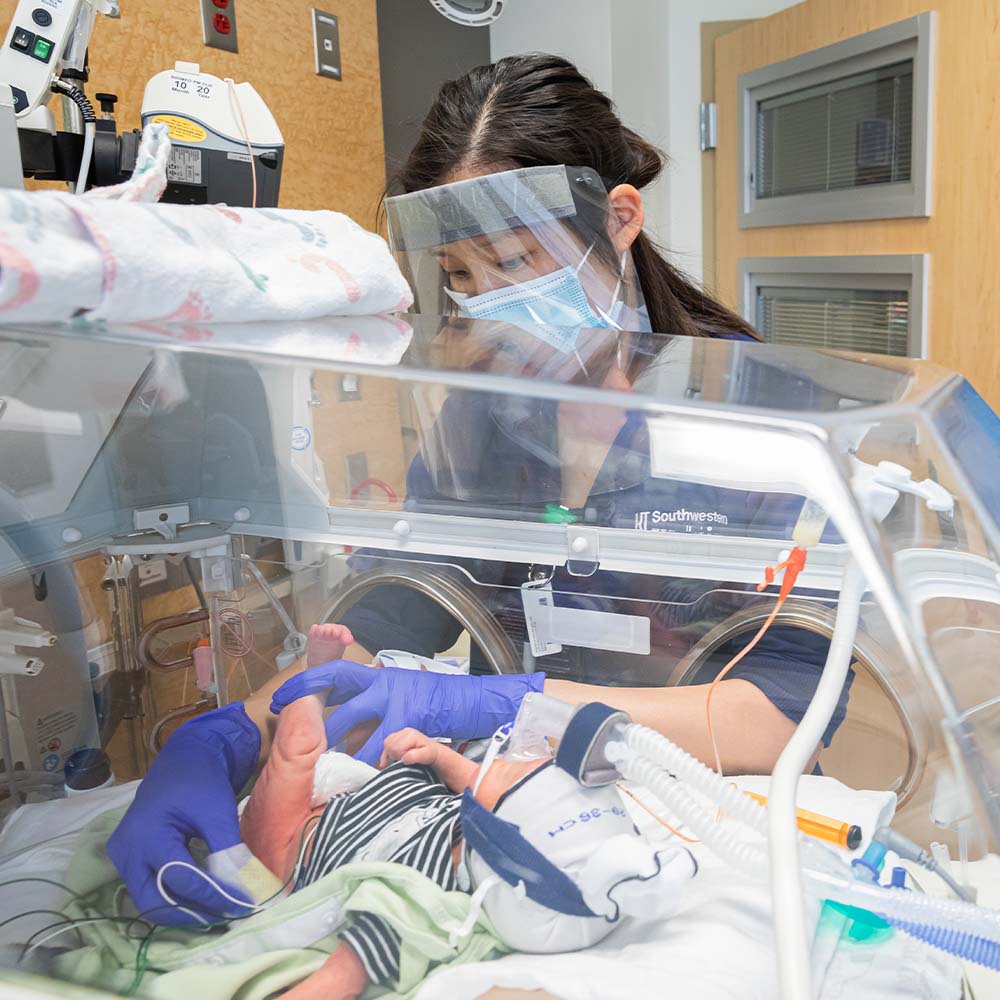
A study conducted at Parkland Health and Hospital System by neonatologists from UT Southwestern Medical Center showed that optimizing the use of continuous positive airway pressure, or CPAP – the same method used to treat patients with sleep apnea – decreased the need for mechanical ventilation in premature infants when used with less invasive surfactant administration (LISA).
Fighting off food poisoning depends on the time of day : Newsroom - UT Southwestern, Dallas, Texas
https://www.utsouthwestern.edu/newsroom/articles/year-2021/food-poisoning.html
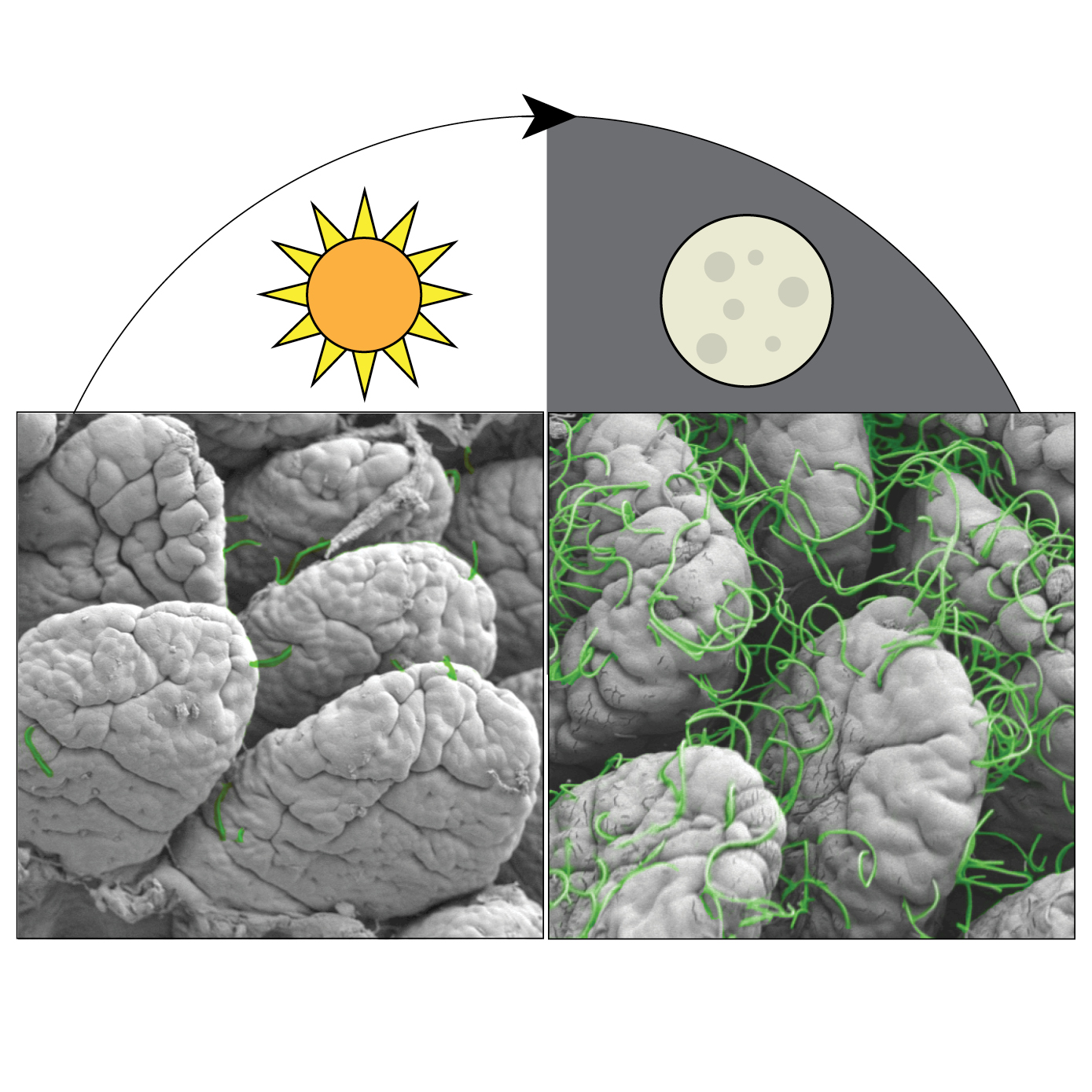
The body’s ability to prevent food poisoning by producing a natural antimicrobial compound increases during the day, when exposure to noxious bacteria is most likely, a new study by UT Southwestern scientists suggests.
Structural biology provides long-sought solution to innate immunity puzzle: Newsroom - UT Southwestern, Dallas, Texas
https://www.utsouthwestern.edu/newsroom/articles/year-2021/immunity-puzzle.html
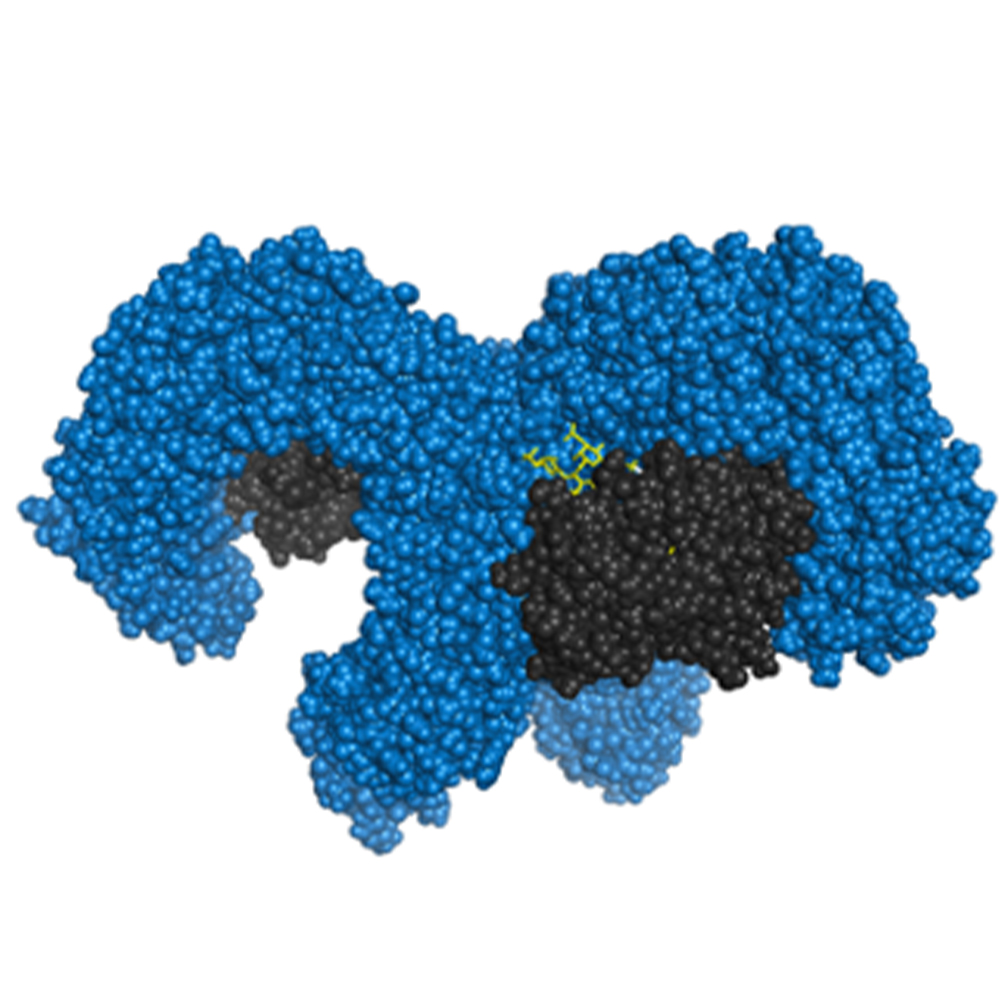
UT Southwestern researchers report the first structural confirmation that endogenous – or self-made – molecules can set off innate immunity in mammals via a pair of immune cell proteins called the TLR4-MD-2 receptor complex.
UT Southwestern review finds hysterectomy can be avoided for common gynecological condition : Newsroom - UT Southwestern, Dallas, Texas
https://www.utsouthwestern.edu/newsroom/articles/year-2021/hysterectomy-gynecological-condition.html
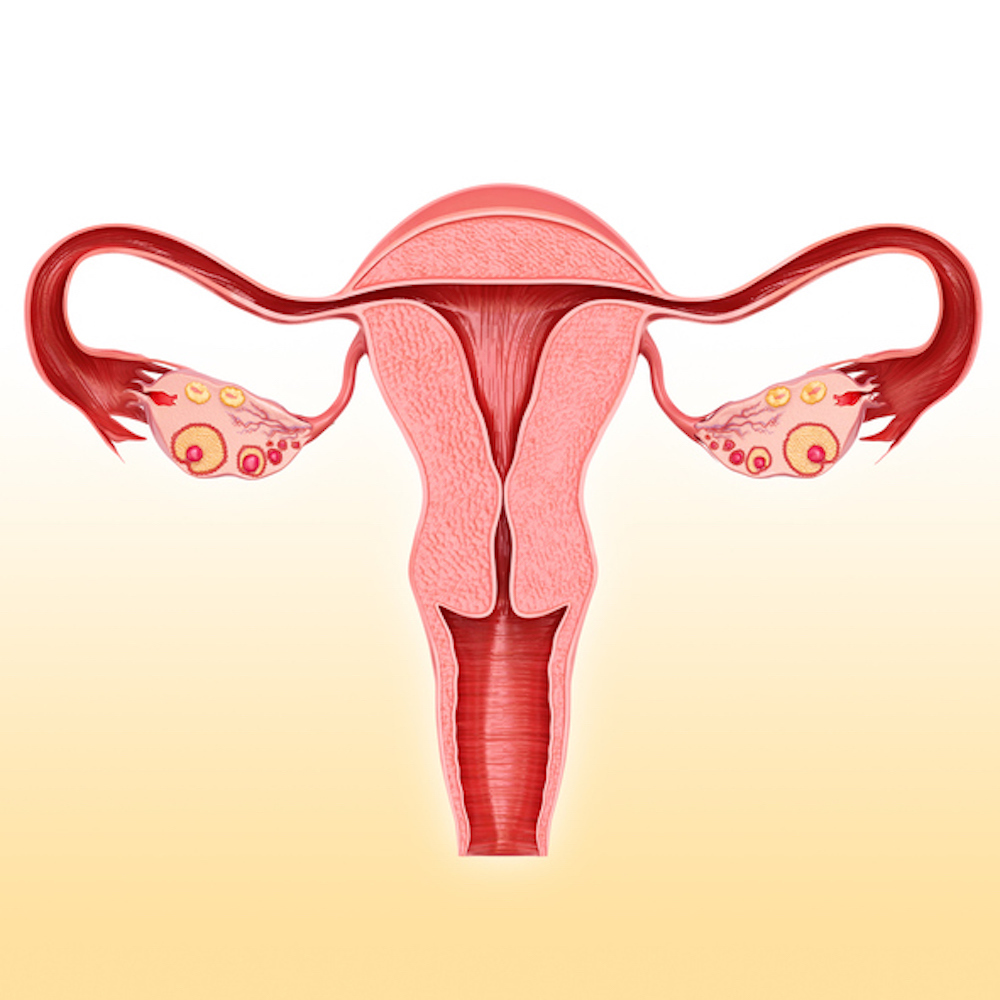
Adenomyosis – an abnormal tissue growth into the muscular wall of the uterus that causes painful cramps and heavy or prolonged menstrual bleeding – is more common than generally appreciated, a review of the literature by gynecologists at UT Southwestern Medical Center revealed.
Study finds no danger of second COVID shot in those with allergic reactions to first dose: Newsroom - UT Southwestern, Dallas, Texas
https://www.utsouthwestern.edu/newsroom/articles/year-2021/second-covid-shot.html
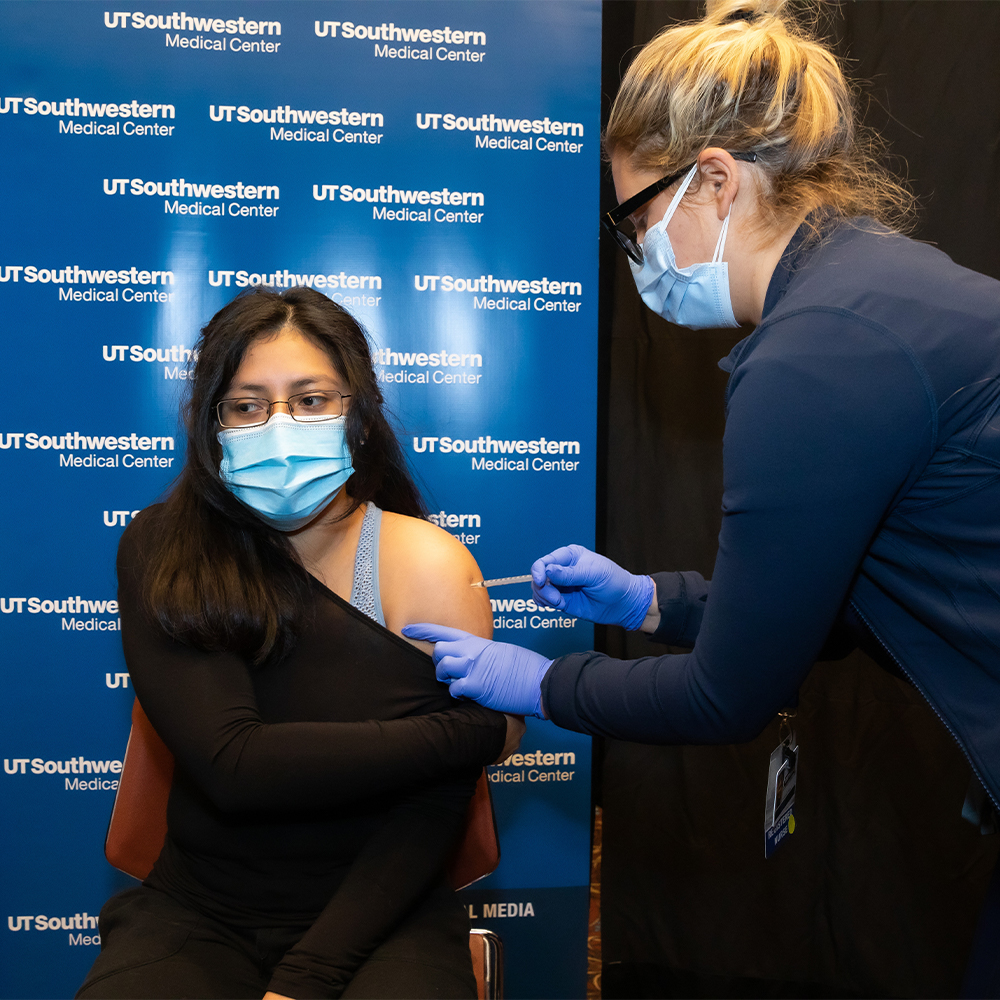
People who had a potentially allergic reaction to their first messenger RNA COVID-19 vaccination can safely receive their second shot, according to a study of patients conducted at several medical centers, including UT Southwestern.
UT Southwestern scientists closing in on map of the mammalian immune system: Newsroom - UT Southwestern, Dallas, Texas
https://www.utsouthwestern.edu/newsroom/articles/year-2021/mammalian-immune-system.html
Using artificial intelligence, UT Southwestern scientists have identified thousands of genetic mutations likely to affect the immune system in mice. The work is part of one Nobel laureate’s quest to find virtually all such variations in mammals.