
Search
Circadian gene may be a key to humans’ unique cognitive abilities: Newsroom - UT Southwestern, Dallas, Texas
https://www.utsouthwestern.edu/newsroom/articles/year-2025/july-circadian-gene-cognitive-abilities.html
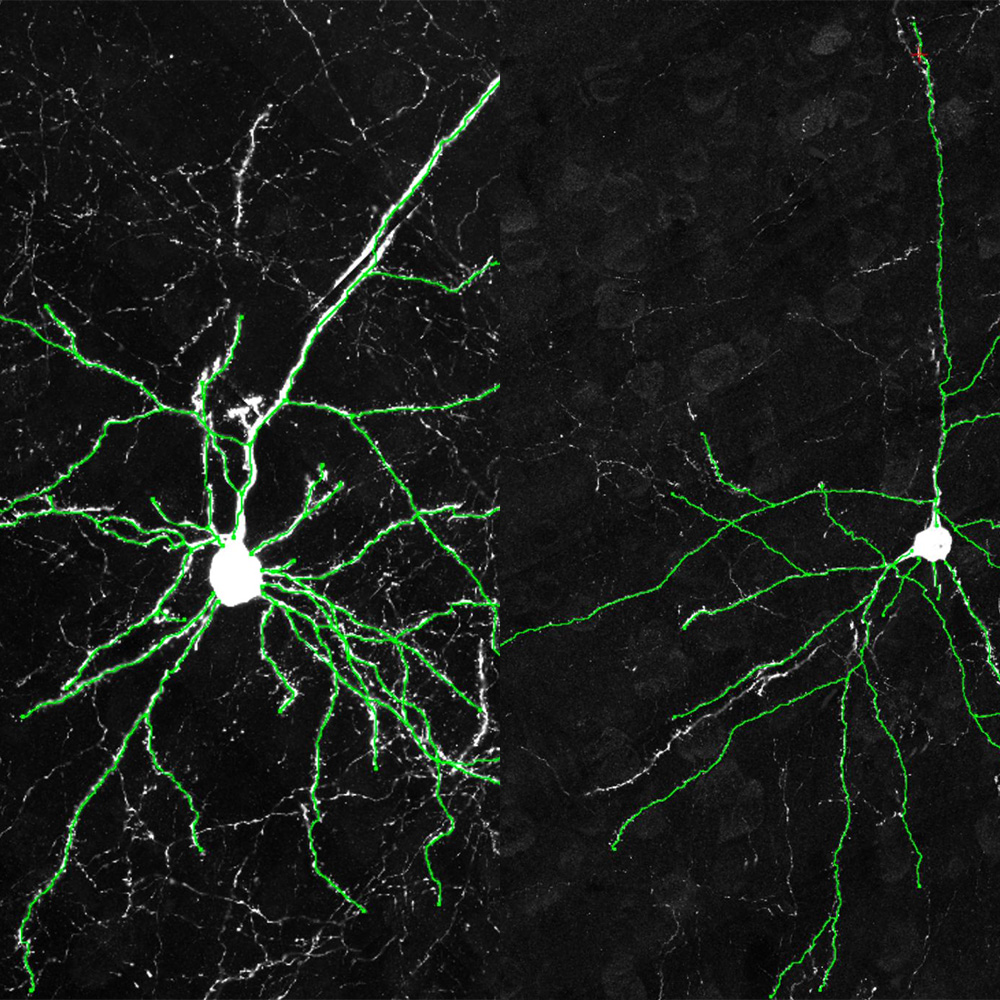
The CLOCK gene, which serves as a master controller of circadian rhythms, may play a key role in the extraordinary cognitive abilities of humans as well as neuropsychiatric disorders that afflict them, UT Southwestern Medical Center researchers report.
Nanovaccine shows great promise for treating HPV-related cancers: Newsroom - UT Southwestern, Dallas, Texas
https://www.utsouthwestern.edu/newsroom/articles/year-2025/nov-nanovaccine-hpv-related-cancers.html
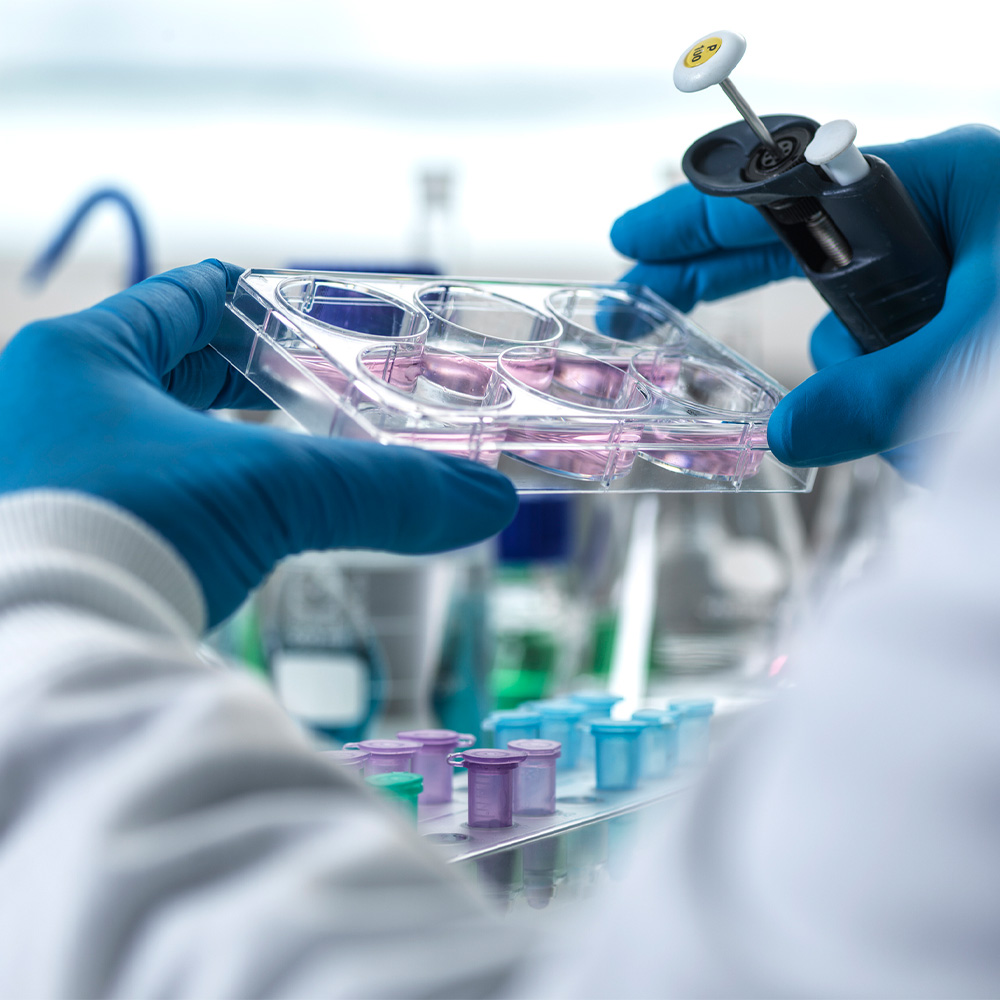
A nanoparticle vaccine designed to fight cancers induced by human papillomavirus (HPV) eradicated tumors in an animal model of late-stage metastatic disease, UT Southwestern Medical Center scientists report in a new study published in PNAS. The findings could ultimately lead to a new type of vaccine that would be used to treat a variety of cancers.
Ribosome level changes detected in early brain development : Newsroom - UT Southwestern, Dallas, Texas
https://www.utsouthwestern.edu/newsroom/articles/year-2025/aug-ribosome-early-brain-development.html
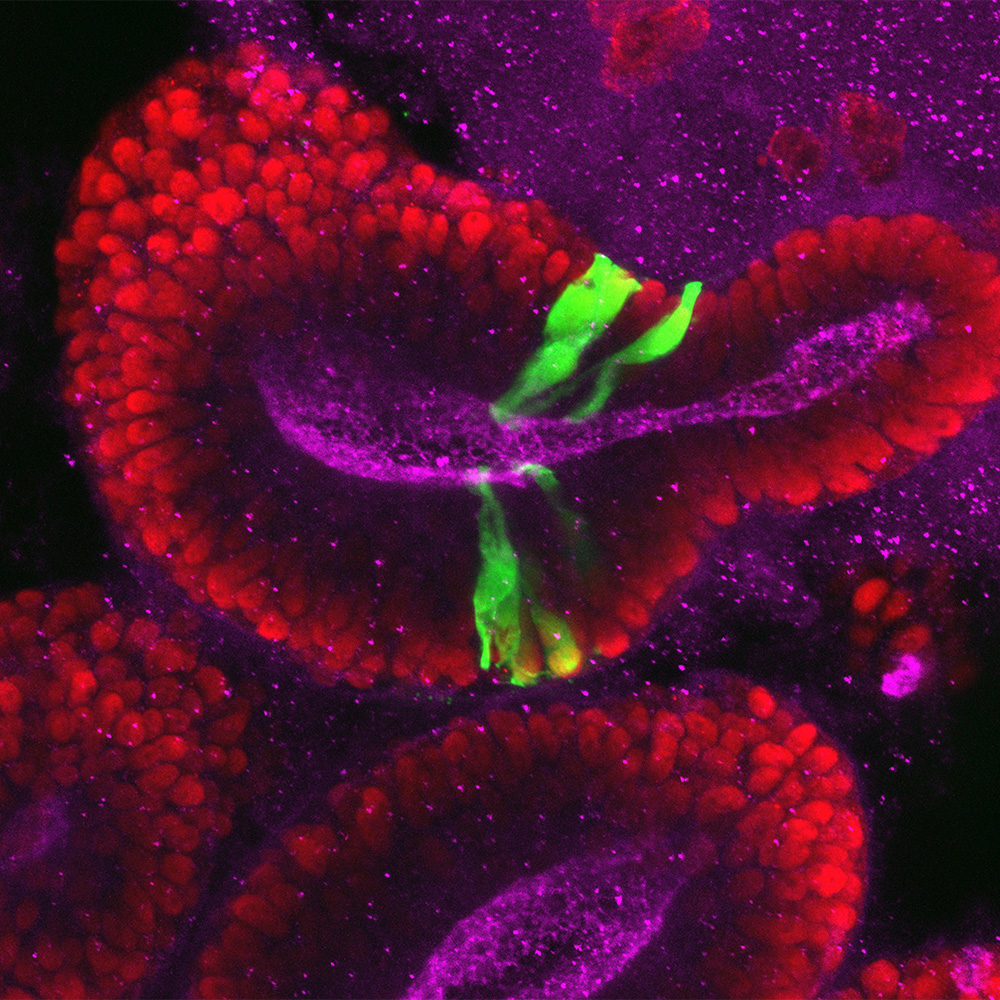
A team led by UT Southwestern Medical Center scientists has identified a specific stage of neurodevelopment when differentiating neural cells produce fewer ribosomes, which are responsible for making proteins.
Key protein behind necroptotic cell death could drive new treatment strategies: Newsroom - UT Southwestern, Dallas, Texas
https://www.utsouthwestern.edu/newsroom/articles/year-2025/dec-key-protein-necroptotic-cell-death.html
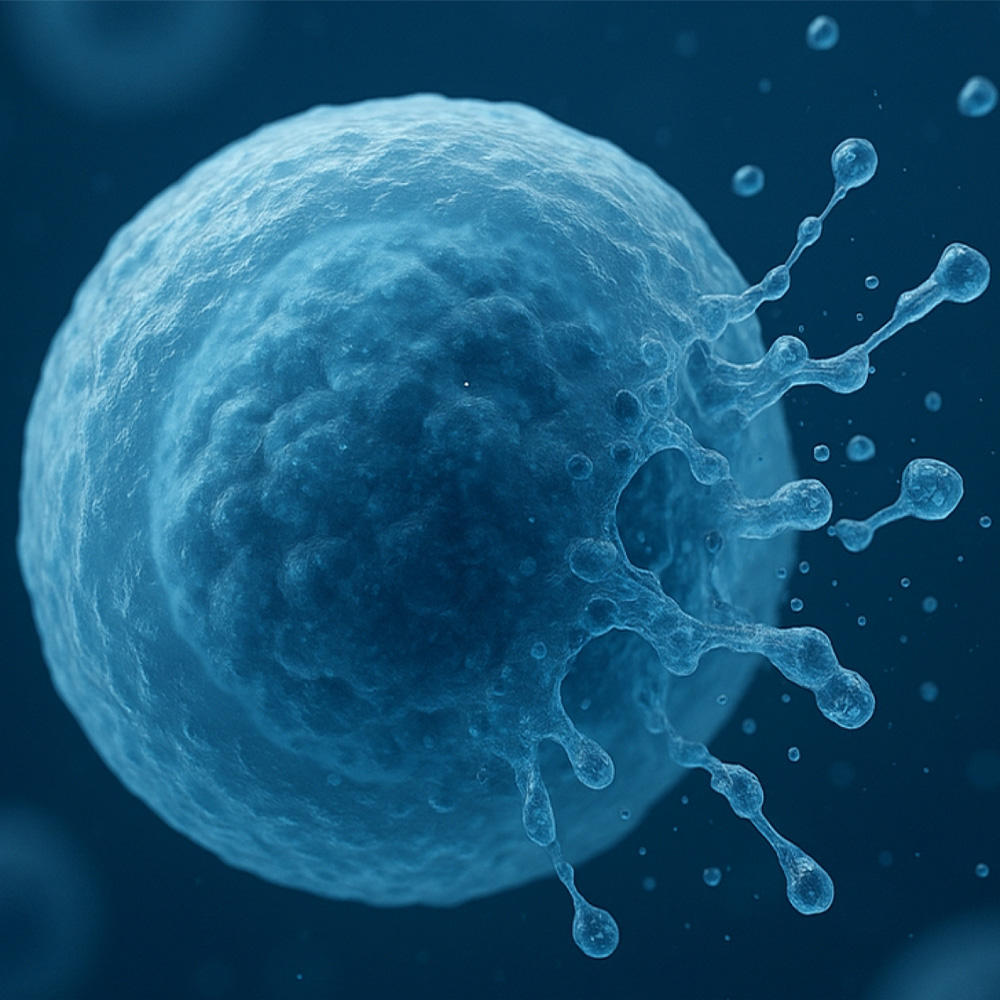
Researchers at UT Southwestern Medical Center have identified a protein that causes human cell membranes to break open in a form of inflammatory programmed cell death called necroptosis.
Heat-related illnesses among children on the rise : Newsroom - UT Southwestern, Dallas, Texas
https://www.utsouthwestern.edu/newsroom/articles/year-2025/july-heat-related-illnesses-children.html
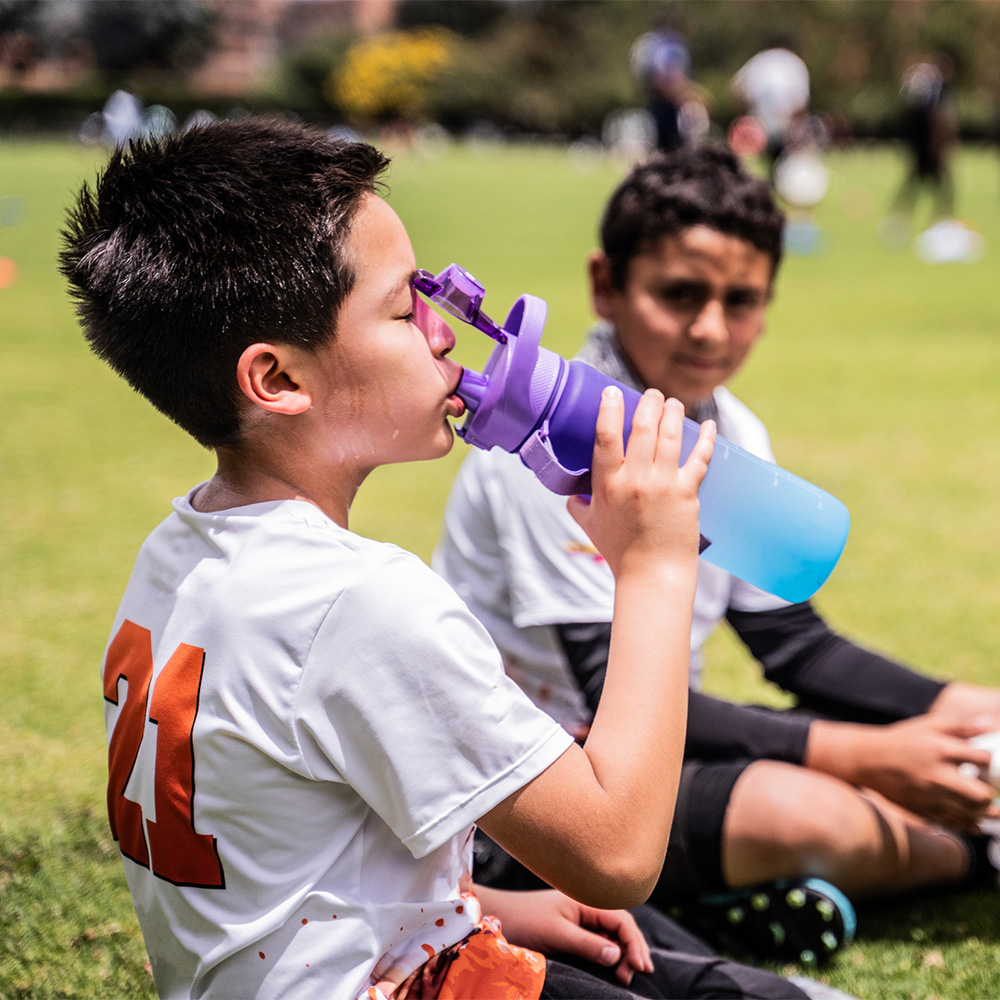
Higher summer temperatures are resulting in more children seeking emergency care for heat-related illnesses, with nearly 1 in 5 needing hospitalization, according to new research from UT Southwestern Medical Center published in Academic Pediatrics.
Presurgical radiation may curb pancreatic cancer recurrence: Newsroom - UT Southwestern, Dallas, Texas
https://www.utsouthwestern.edu/newsroom/articles/year-2025/july-presurgical-radiation-pancreatic-cancer.html
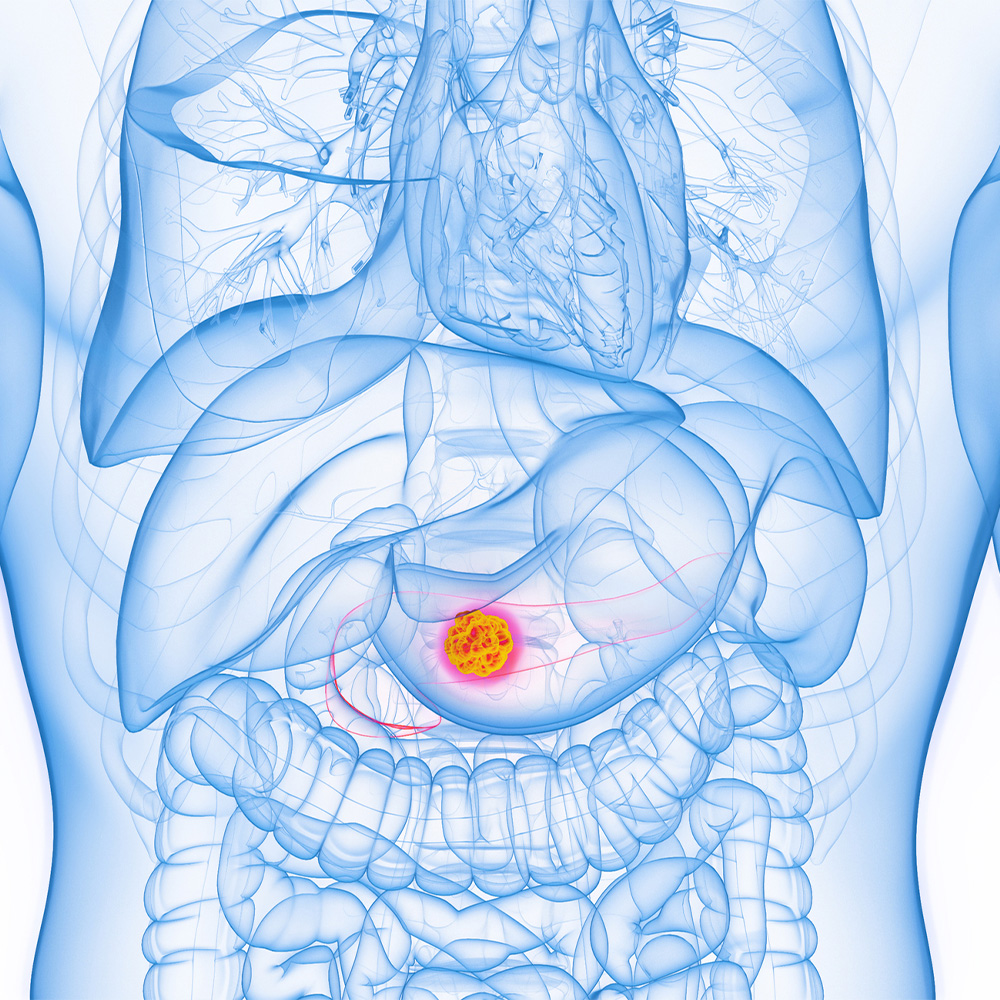
Adding targeted radiation to chemotherapy prior to surgery may offer better control of pancreatic tumors – potentially reducing the rate of recurrence after treatment, according to a new study from UT Southwestern Medical Center. Published in Clinical Cancer Research, the novel study offers evidence of a more effective approach with biological insights for treating one of the most aggressive and lethal forms of cancer.
The secret lives of bacteria: How they evade viral attack : Newsroom - UT Southwestern, Dallas, Texas
https://www.utsouthwestern.edu/newsroom/articles/year-2025/aug-bacteria-evad-viral-attack.html
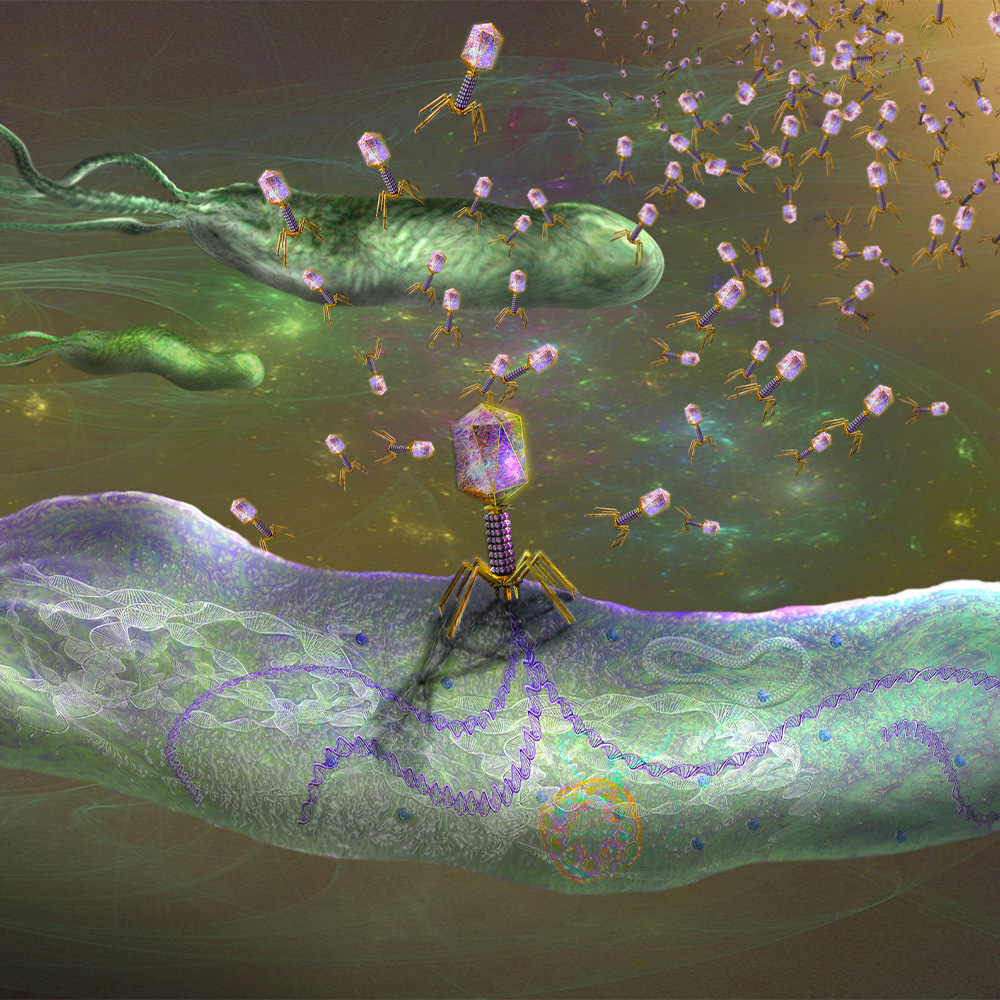
Researchers at UT Southwestern Medical Center have identified more than 200 strategies bacteria use to avoid viral infection. Their findings, published in Cell Host & Microbe, shed light on a microbial “arms race” that could lead to new approaches to fight infectious bacteria.
Hormone may hold key to longer life, improved metabolic health : Newsroom - UT Southwestern, Dallas, Texas
https://www.utsouthwestern.edu/newsroom/articles/year-2025/july-hormone-improved-metabolic-health.html
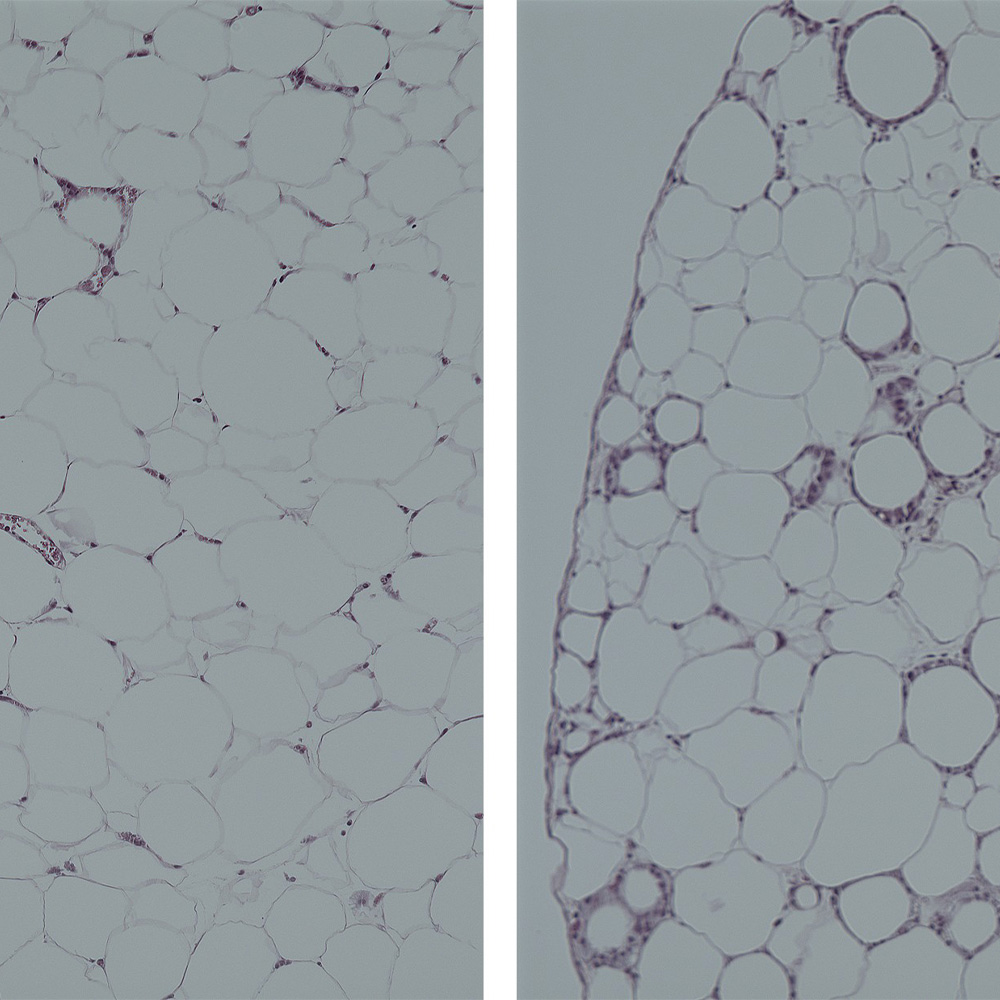
Fat cells genetically altered to overproduce a hormone called FGF21 resulted in improved metabolic health and an extended lifespan in mice that were fed a high-fat diet, UT Southwestern Medical Center researchers report. The findings, published in Cell Metabolism, could lead to new interventions that have the same positive effects in humans.
Antibody designed to fight immunotherapy-resistant cancers: Newsroom - UT Southwestern, Dallas, Texas
https://www.utsouthwestern.edu/newsroom/articles/year-2025/feb-antibody-immunotherapy-resistant-cancers.html

An investigational therapy significantly shrank lung cancer tumors that are notoriously resistant to treatment by encouraging an attack from natural killer (NK) cells in an animal model, a study led by UT Southwestern Medical Center researchers shows.
Study reveals biomarker for high risk of metastasis: Newsroom - UT Southwestern, Dallas, Texas
https://www.utsouthwestern.edu/newsroom/articles/year-2025/jan-biomarker-for-high-risk-of-metastasis.html
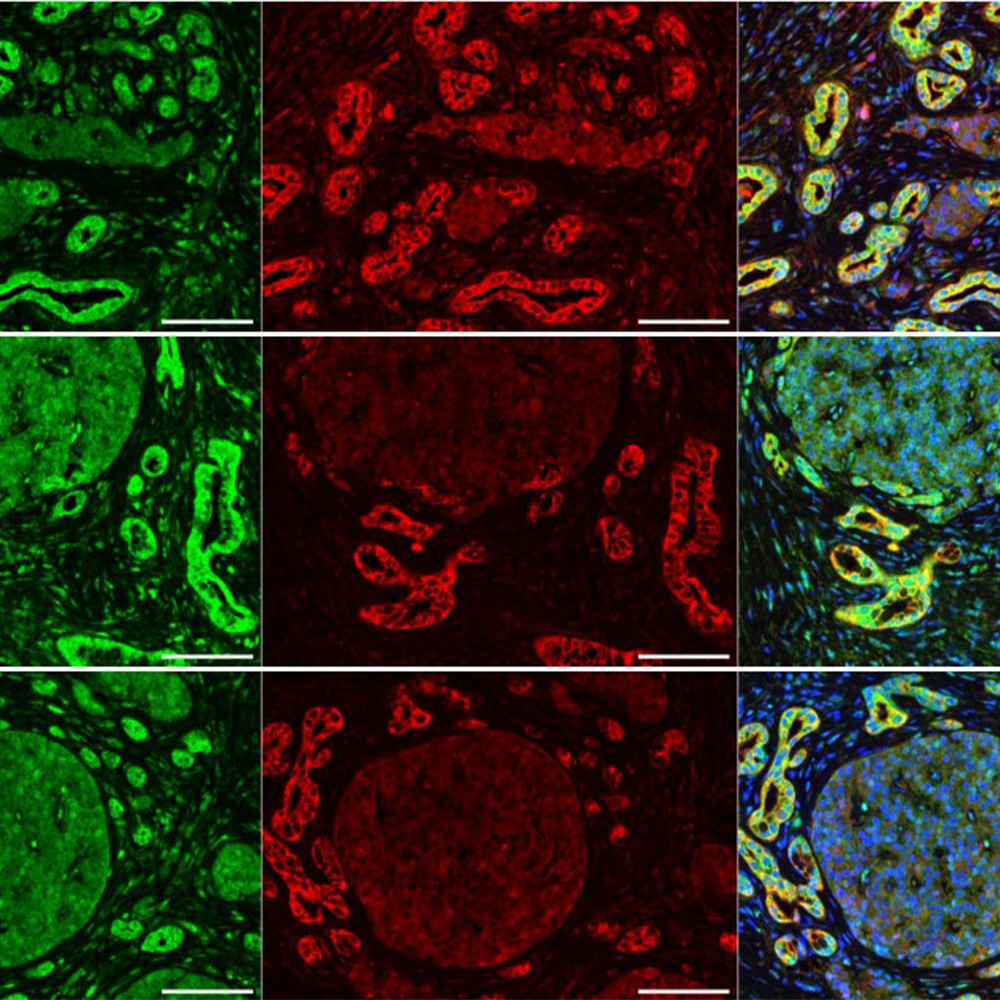
A team led by UT Southwestern scientists has discovered a mechanism that promotes metastasis in pancreatic, breast, and potentially other cancers along with a new druggable therapeutic target based on this mechanism to block metastases.