
Search
Safer imaging technology for complex aortic repairs uses light instead of X-rays: Newsroom - UT Southwestern, Dallas, Texas
https://www.utsouthwestern.edu/newsroom/articles/year-2022/august-safer-imaging-technology.html
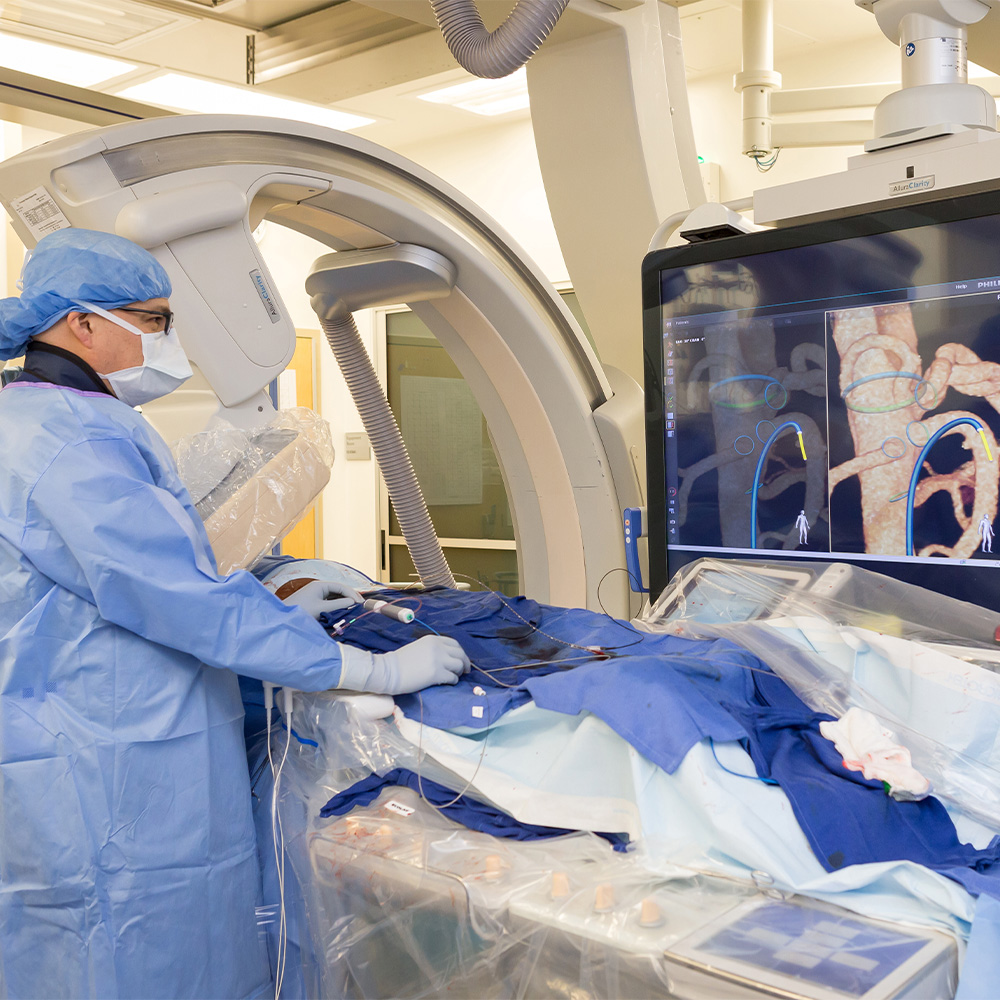
A new imaging device at UT Southwestern is making complex aortic repairs safer for patients and operating room staff by dramatically reducing their exposure to radiation.
UTSW study finds p53 gene plays second role in suppressing genes tied to cancer: Newsroom - UT Southwestern, Dallas, Texas
https://www.utsouthwestern.edu/newsroom/articles/year-2022/august-p53-gene-plays-second-role.html
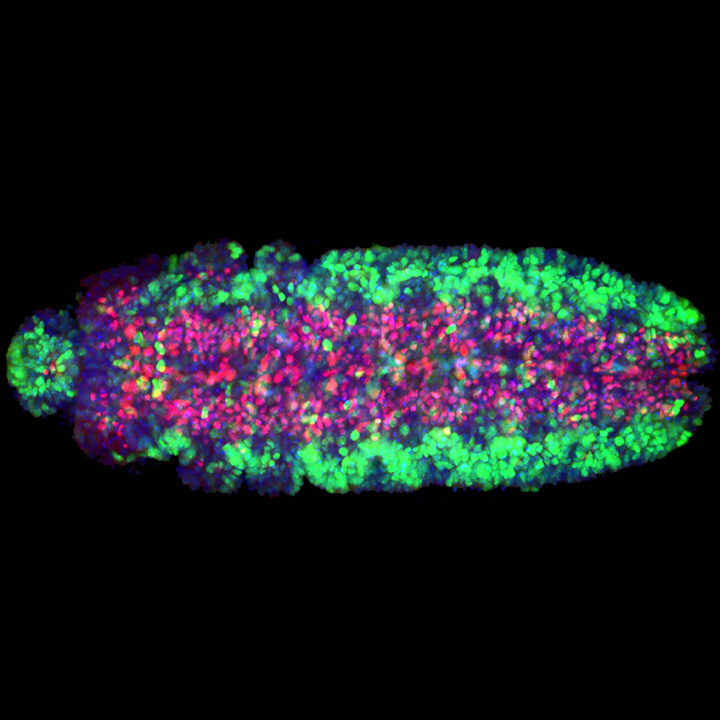
A gene that’s well known for its role in turning on tumor-suppressing genes when cells become stressed also keeps potential tumor-driving genes turned off, UT Southwestern researchers report in a new study.
Early onset of diabetes, hypertension can predict early glaucoma: Newsroom - UT Southwestern, Dallas, Texas
https://www.utsouthwestern.edu/newsroom/articles/year-2022/august-early-onset-of-diabetes.html

The earlier individuals develop Type 2 diabetes or hypertension in life, the earlier they are likely to develop primary open-angle glaucoma (POAG), the leading cause of irreversible blindness worldwide, researchers from UT Southwestern reported in a recent study.
UT Southwestern informatics center fuels clinical innovation, public health research: Newsroom - UT Southwestern, Dallas, Texas
https://www.utsouthwestern.edu/newsroom/articles/year-2022/august-impact-of-clinical-informatics.html
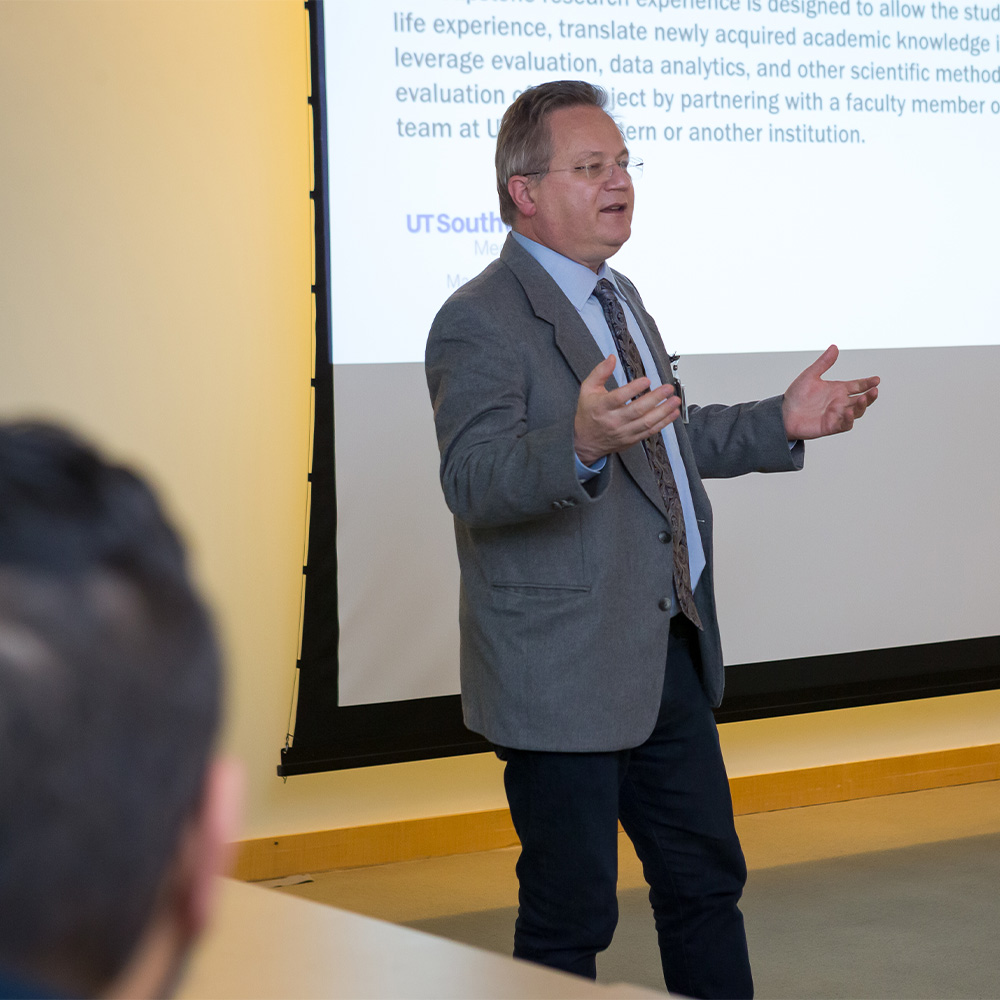
Leveraging its broad expertise in biomedical informatics, data sciences, and clinical sciences, UT Southwestern Medical Center is aggressively expanding its involvement in clinical informatics, which aims to harness the power of big data to improve patient care and public health.
UT Southwestern researcher, international team solve decades-old structural mystery surrounding the birth of energy-storing lipid droplets: Newsroom - UT Southwestern, Dallas, Texas
https://www.utsouthwestern.edu/newsroom/articles/year-2022/energy-storing-lipid-droplets.html
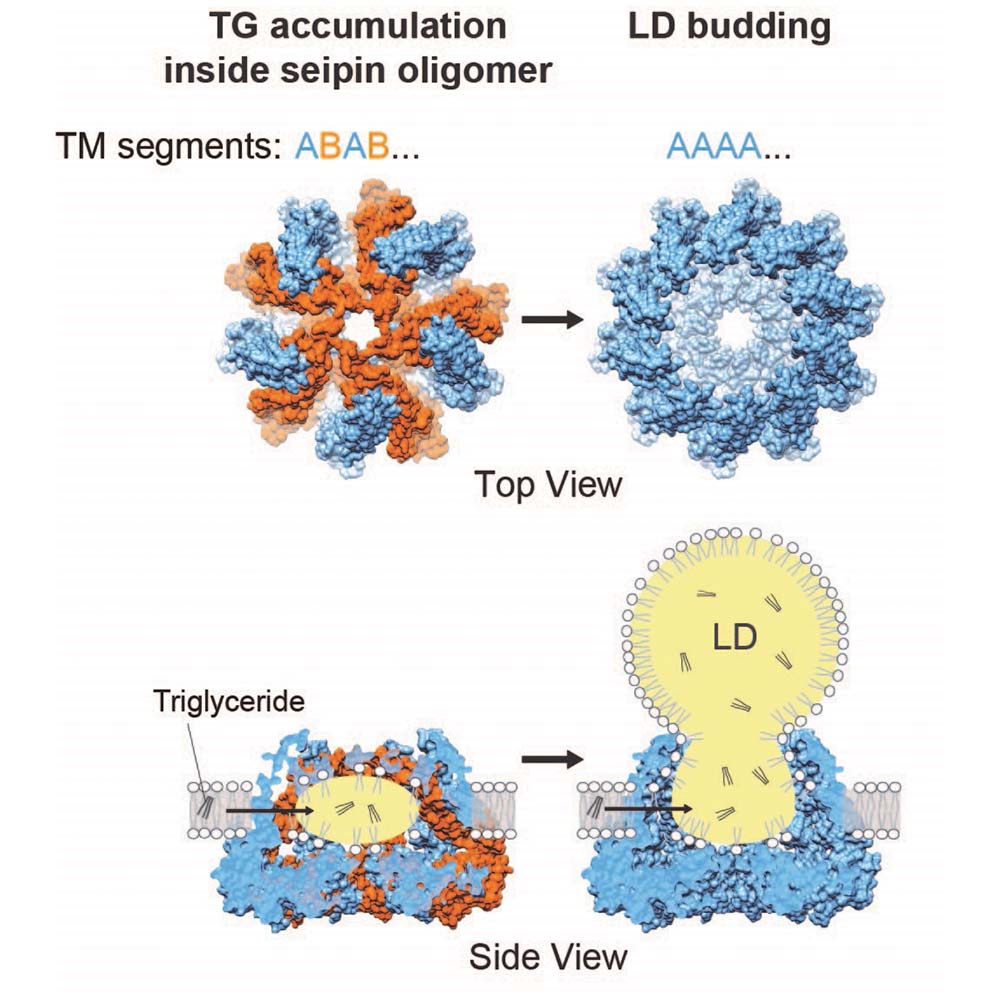
In humans, virtually every cell stores fat. However, patients with a rare condition called congenital lipodystrophy, which is often diagnosed in childhood, cannot properly store fat, which accumulates in the body’s organs and increases the risk of early death from heart or liver disease.
UTSW researchers develop rapid COVID-19 test to identify variants in hours: Newsroom - UT Southwestern, Dallas, Texas
https://www.utsouthwestern.edu/newsroom/articles/year-2022/june-rapid-covid-test.html
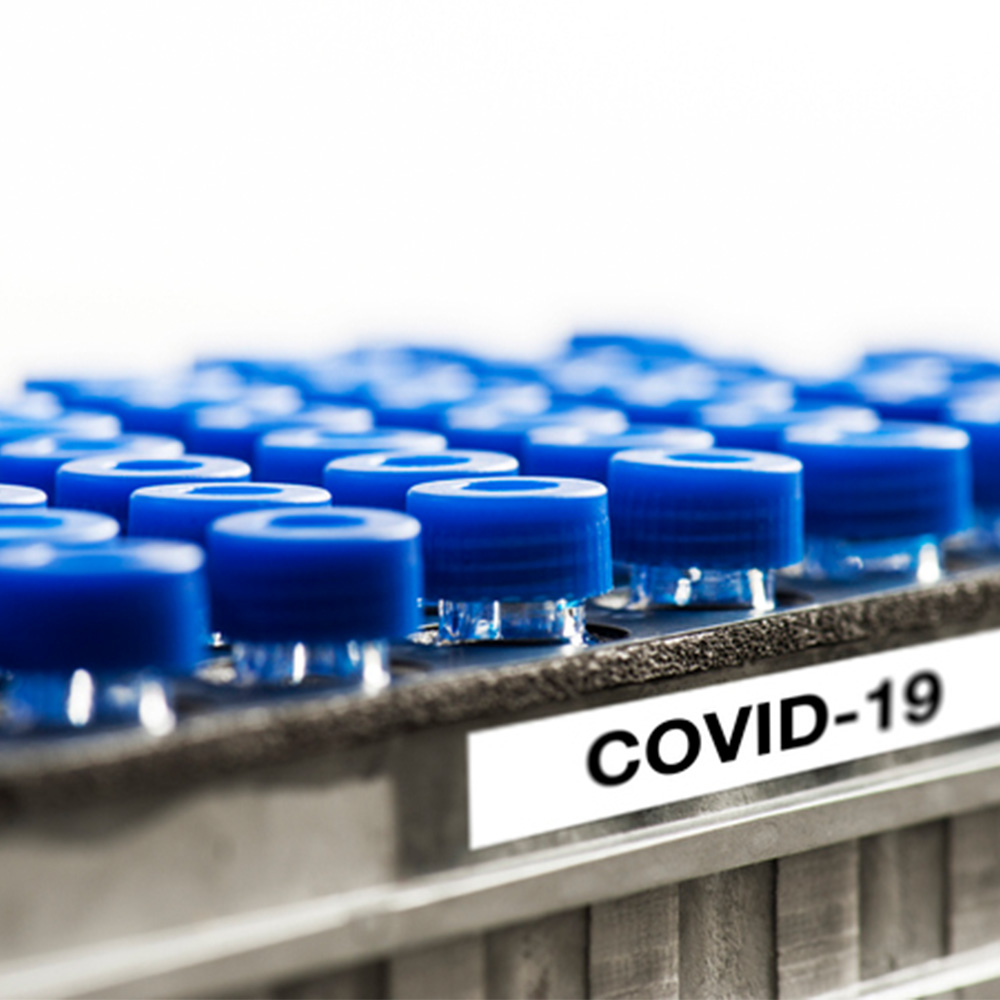
In just a few hours, UT Southwestern scientists can tell which variant has infected a COVID-19 patient – a critical task that can potentially influence treatment decisions but takes days or weeks at most medical centers.
Telemedicine, continuous glucose monitoring mitigated effects of pandemic on children with diabetes : Newsroom - UT Southwestern, Dallas, Texas
https://www.utsouthwestern.edu/newsroom/articles/year-2022/effects-of-pandemic-on-children-with-diabetes.html

The rapid adoption of telemedicine and increased use of continuous glucose monitoring helped to attenuate the impacts of the COVID-19 pandemic on children with Type 1 diabetes.
UTSW’s Medical Student Group named Texas Medical Association Chapter of the Year : Newsroom - UT Southwestern, Dallas, Texas
https://www.utsouthwestern.edu/newsroom/articles/year-2022/utsw-medical-student-group.html
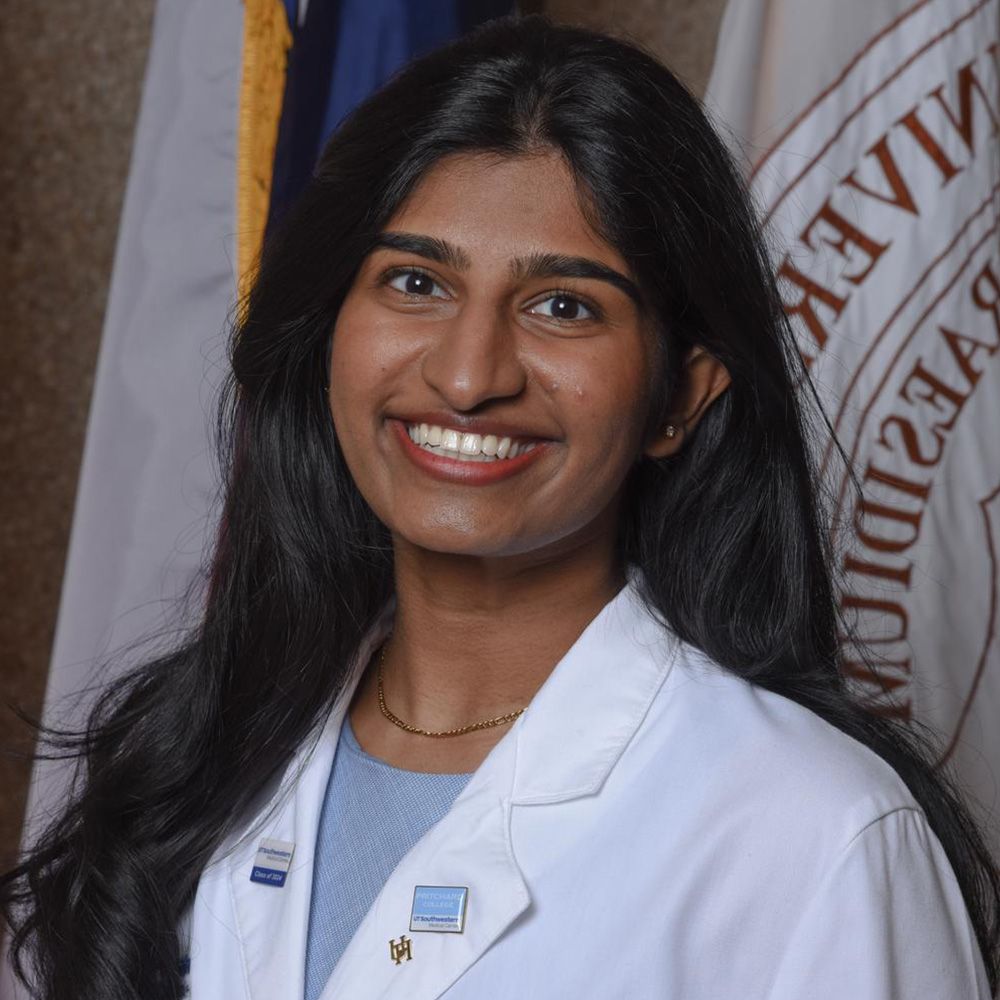
A student group at UT Southwestern Medical School has been named the 2022 Chapter of the Year by the Texas Medical Association Medical Student Section.
Dominant form of heart failure caused by metabolic-immune interaction, review article suggests: Newsroom - UT Southwestern, Dallas, Texas
https://www.utsouthwestern.edu/newsroom/articles/year-2022/dominant-form-of-heart-failure.html
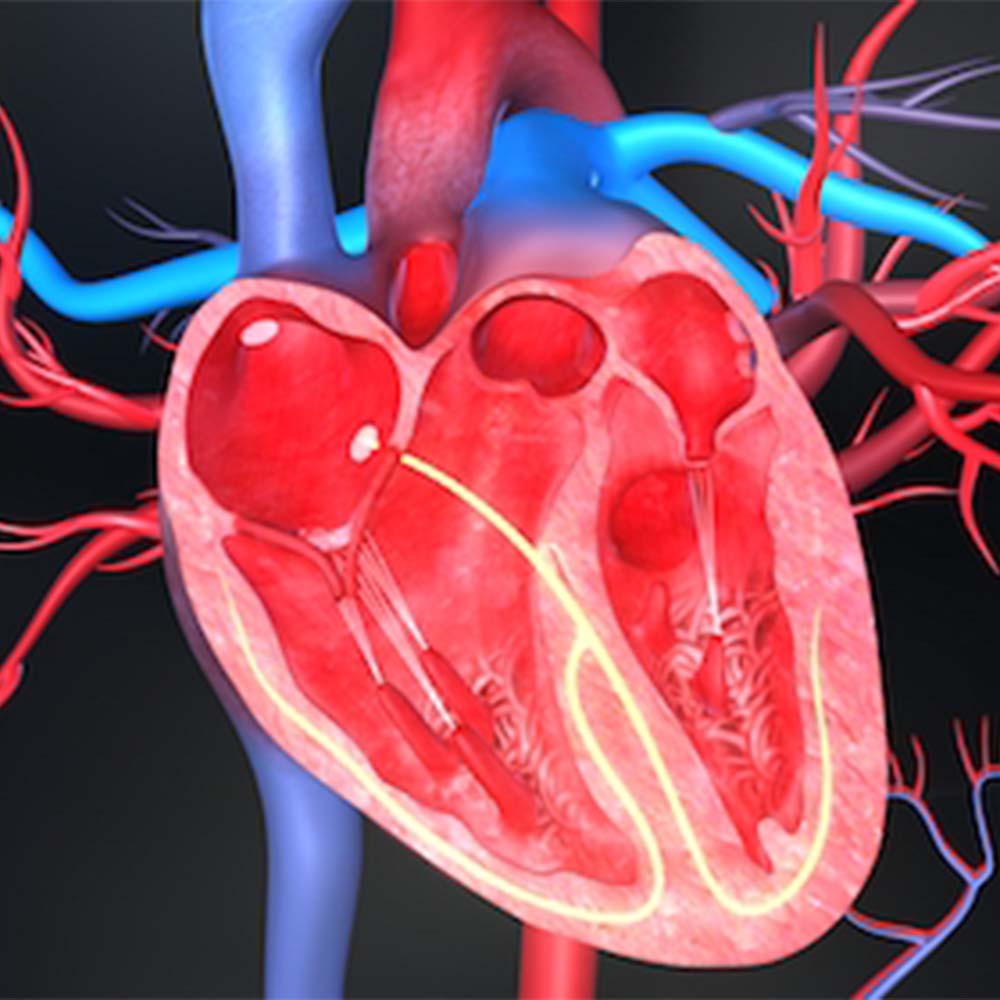
The dominant form of heart failure worldwide appears to be caused by a strong, bidirectional interaction between the body’s response to metabolic stress and the immune system, according to a review article written by UT Southwestern researchers and colleagues.
Artificial intelligence tools predict DNA’s regulatory role and 3D structure : Newsroom - UT Southwestern, Dallas, Texas
https://www.utsouthwestern.edu/newsroom/articles/year-2022/august-artificial-intelligence-tools.html
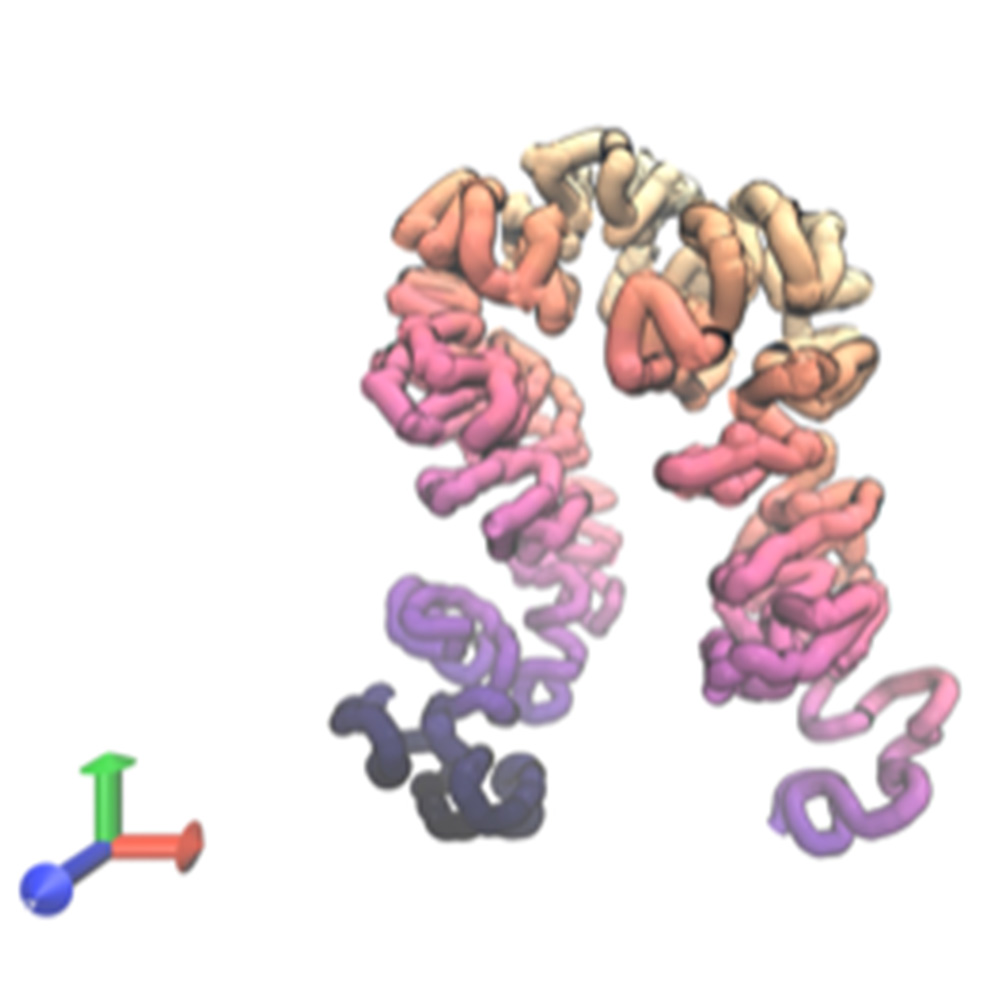
Newly developed artificial intelligence (AI) programs accurately predicted the role of DNA’s regulatory elements and three-dimensional (3D) structure based solely on its raw sequence, according to two recent studies in Nature Genetics.