
Search
Mutations protected mice from B-cell cancers: Newsroom - UT Southwestern, Dallas, Texas
https://www.utsouthwestern.edu/newsroom/articles/year-2024/may-b-cell-cancers.html

By completely or even partially depleting a protein called midnolin in B cells, UT Southwestern Medical Center researchers suppressed leukemia and lymphoma in a mouse model genetically prone to these cancers.
UT Southwestern ranked among 20 Best Employers for Diversity, top health care institution : Newsroom - UT Southwestern, Dallas, Texas
https://www.utsouthwestern.edu/newsroom/articles/year-2022/top-employers-diversity-forbes.html

UT Southwestern Medical Center is one of the nation’s best employers for diversity, according to America’s Best Employers 2022 list compiled by Forbes and Statista.
Disease control, safe medications critical to pregnancies for women with rheumatic disease: Newsroom - UT Southwestern, Dallas, Texas
https://www.utsouthwestern.edu/newsroom/articles/year-2022/july-women-with-rheumatic-disease.html
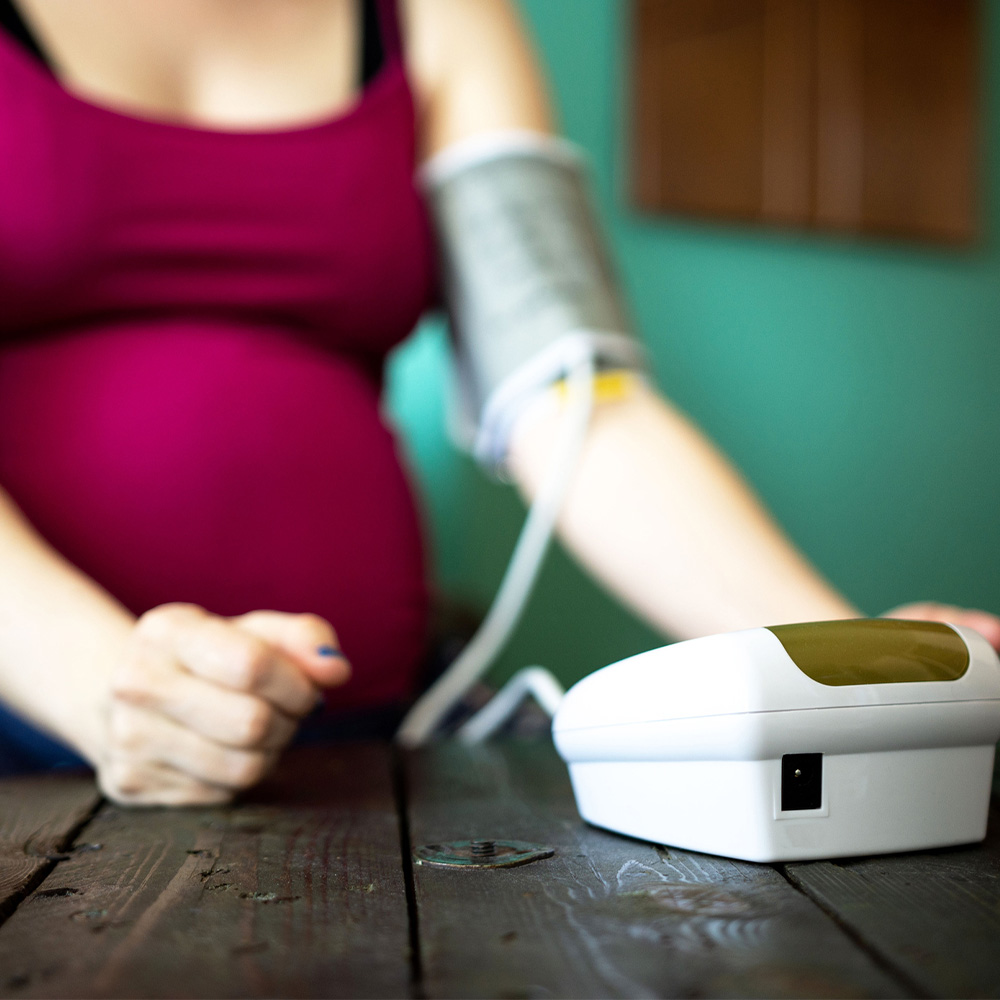
Pregnant women with active rheumatic disease carry a higher risk of adverse outcomes than the general population including hypertension, preeclampsia, higher cesarean section rate, small for gestational aged infants, preterm delivery, and fetal loss.
UT Southwestern participating in national initiative to sequence pediatric brain tumors : Newsroom - UT Southwestern, Dallas, Texas
https://www.utsouthwestern.edu/newsroom/articles/year-2022/july-pediatric-brain-tumors.html

UT Southwestern is joining with medical centers around the nation to apply advanced sequencing to pediatric brain tumors as part of the National Cancer Institute’s new Molecular Characterization Initiative, a subset of the Cancer Moonshot Childhood Cancer Initiative.
New guidelines laid out to standardize swallowing fluoroscopy : Newsroom - UT Southwestern, Dallas, Texas
https://www.utsouthwestern.edu/newsroom/articles/year-2022/july-guidelines-swallowing-fluoroscopy.html
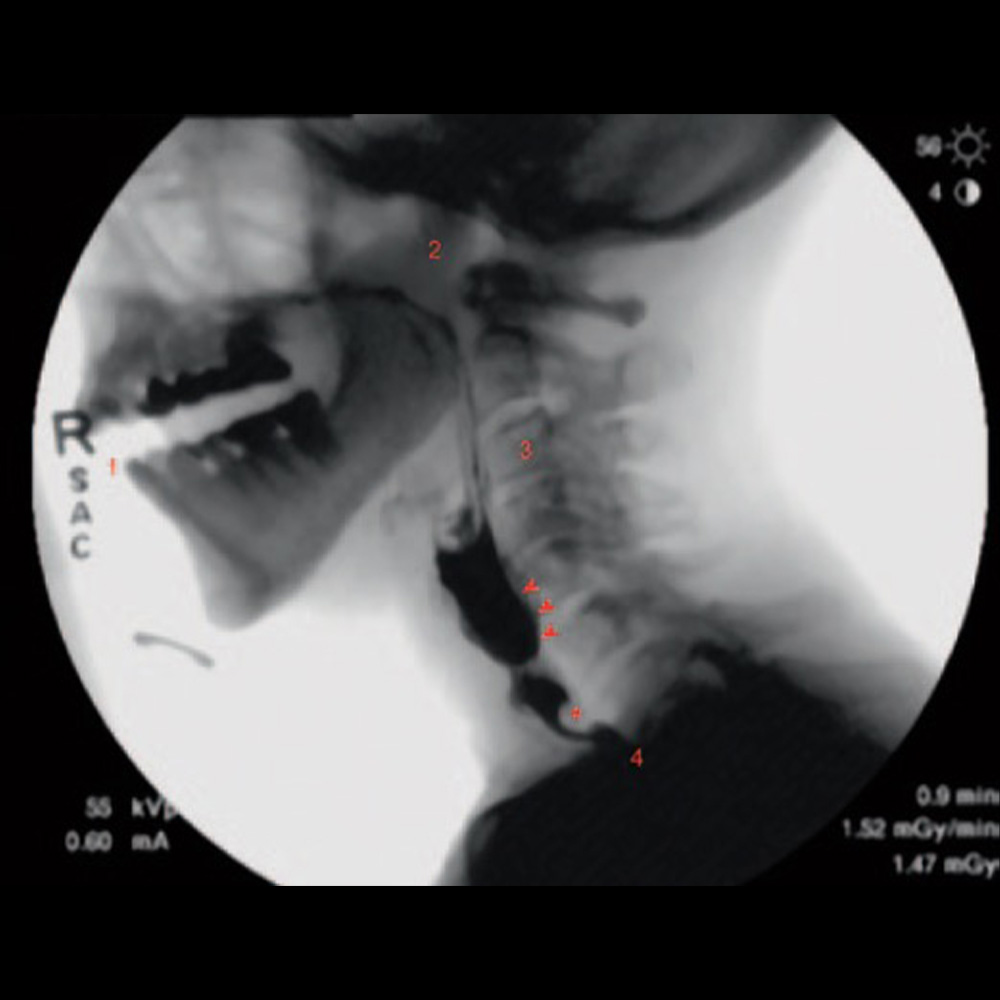
Swallowing fluoroscopy is the most common diagnostic test for patients with swallowing problems caused by conditions such as stroke, head and neck cancer, neurodegenerative disease, or prolonged intubation.
High-tech sleeping bag could solve vision issues in space: Newsroom - UT Southwestern, Dallas, Texas
https://www.utsouthwestern.edu/newsroom/articles/year-2021/high-tech-sleeping-bag.html
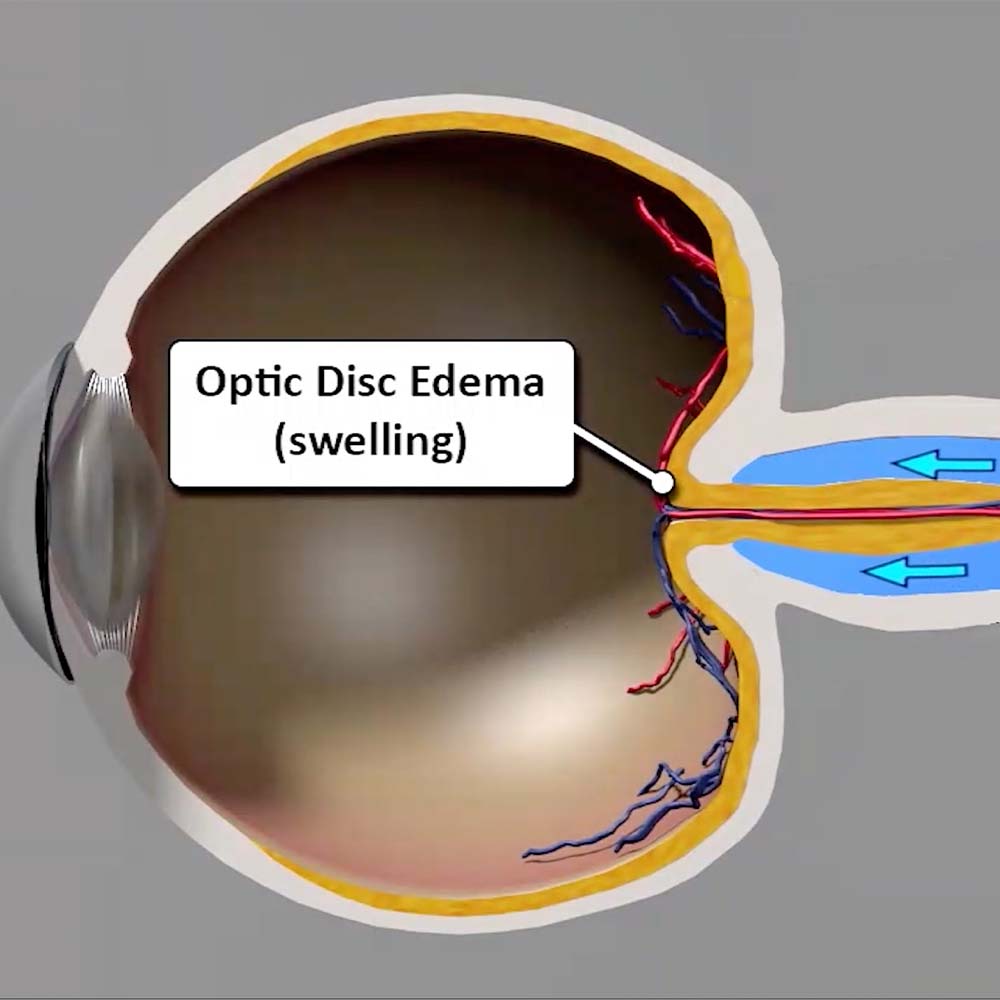
A subtle smile emerged on Dr. James Leidner’s face as he envisioned telling people of the unusual contribution he made to mankind’s mission to Mars.
Unusual kidney cancer feature sheds light into how cancers invade and metastasize: Newsroom - UT Southwestern, Dallas, Texas
https://www.utsouthwestern.edu/newsroom/articles/year-2021/how-cancers-invade-and-metastasize.html
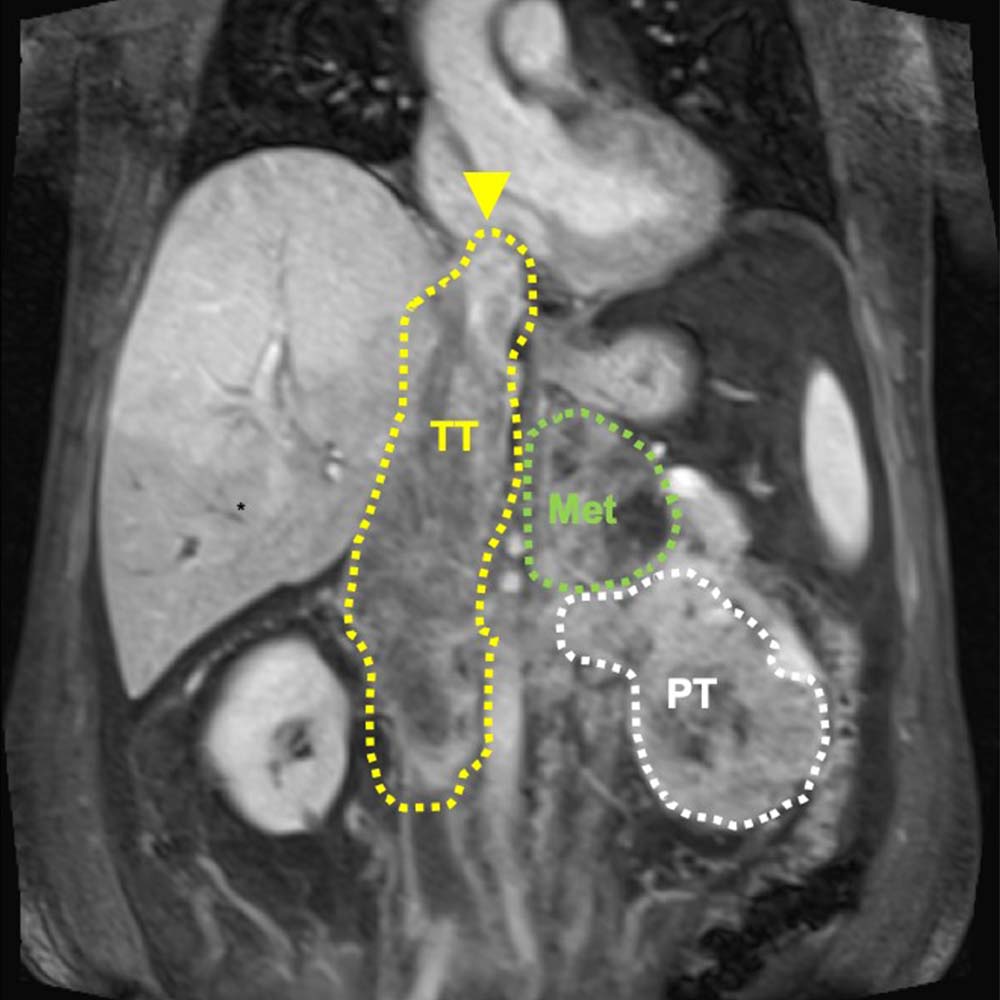
How cancers metastasize remains poorly understood. The process begins when cancer cells break off from a tumor and invade blood and lymphatic vessels, the body’s alleyways.
UT Southwestern launches SPORE-funded national resource to advance precision medicine for kidney cancer : Newsroom - UT Southwestern, Dallas, Texas
https://www.utsouthwestern.edu/newsroom/articles/year-2021/spore-funded-national-resource.html
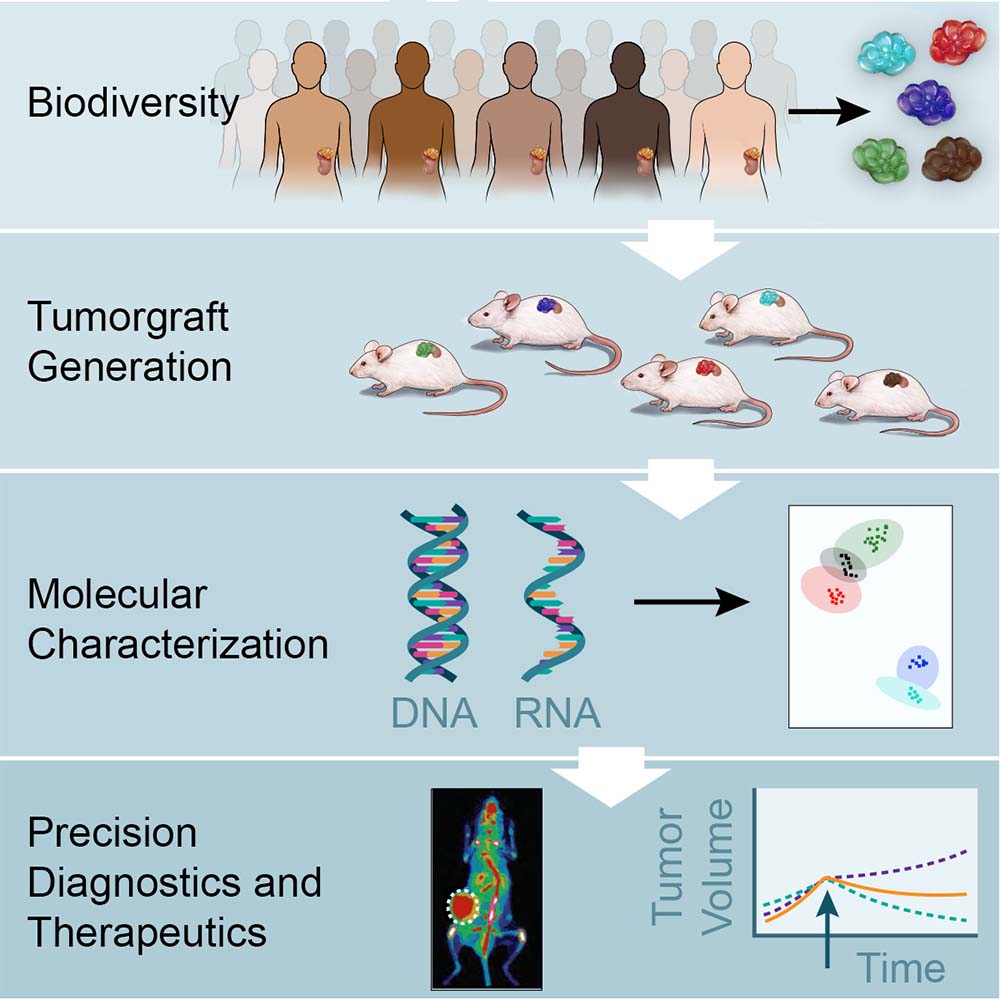
Funded by a Specialized Program of Research Excellence (SPORE) award from the National Cancer Institute (NCI), the Kidney Cancer Program (KCP) at UT Southwestern’s Harold C. Simmons Comprehensive Cancer Center reports the largest and most diverse catalog of kidney cancer tumor models to date.
Severe COVID-19 impairs microvascular function: Newsroom - UT Southwestern, Dallas, Texas
https://www.utsouthwestern.edu/newsroom/articles/year-2021/severe-covid-19-impairs-microvascular-function.html
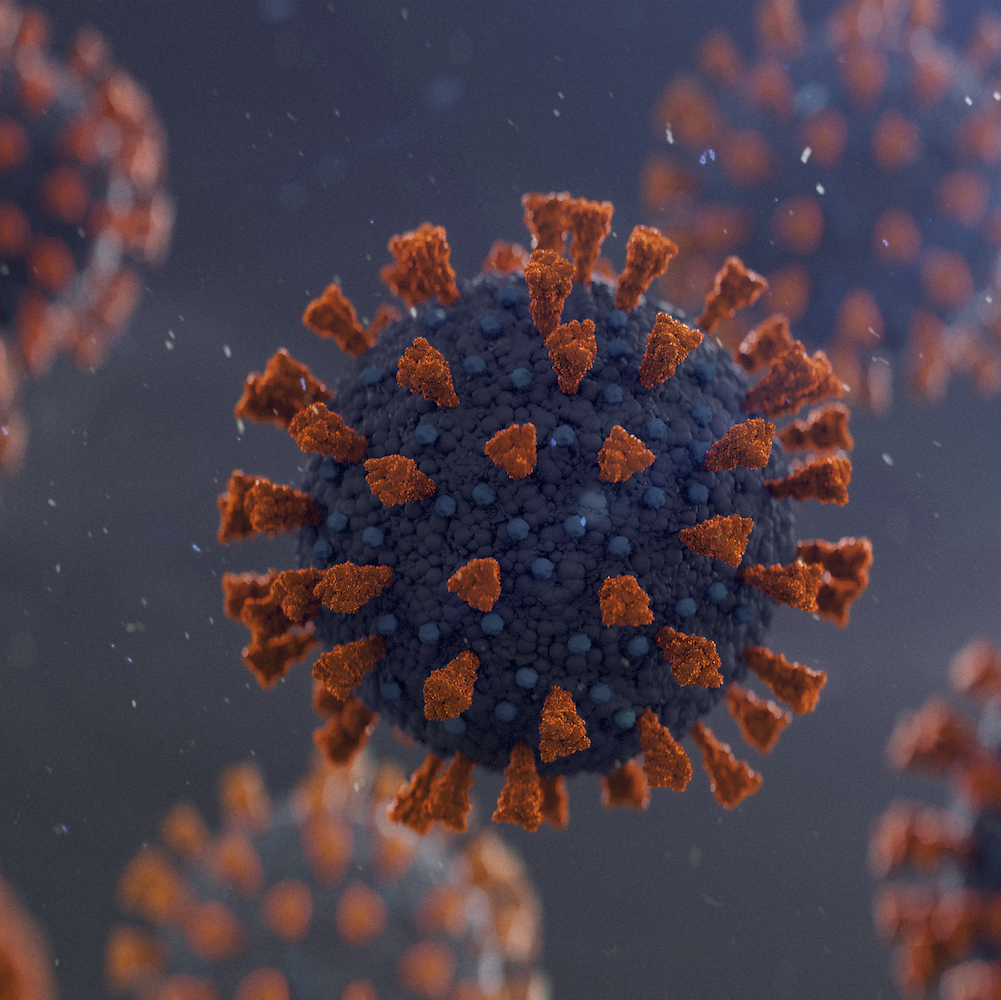
COVID-19 impairs the function of the body’s microvascular system with an intensity that corresponds to the severity of disease, suggests a new study by an international consortium, including UT Southwestern Medical Center.
For older adults, hearing loss and falls go hand in hand : Newsroom - UT Southwestern, Dallas, Texas
https://www.utsouthwestern.edu/newsroom/articles/year-2022/july-hearing-loss-and-falls.html
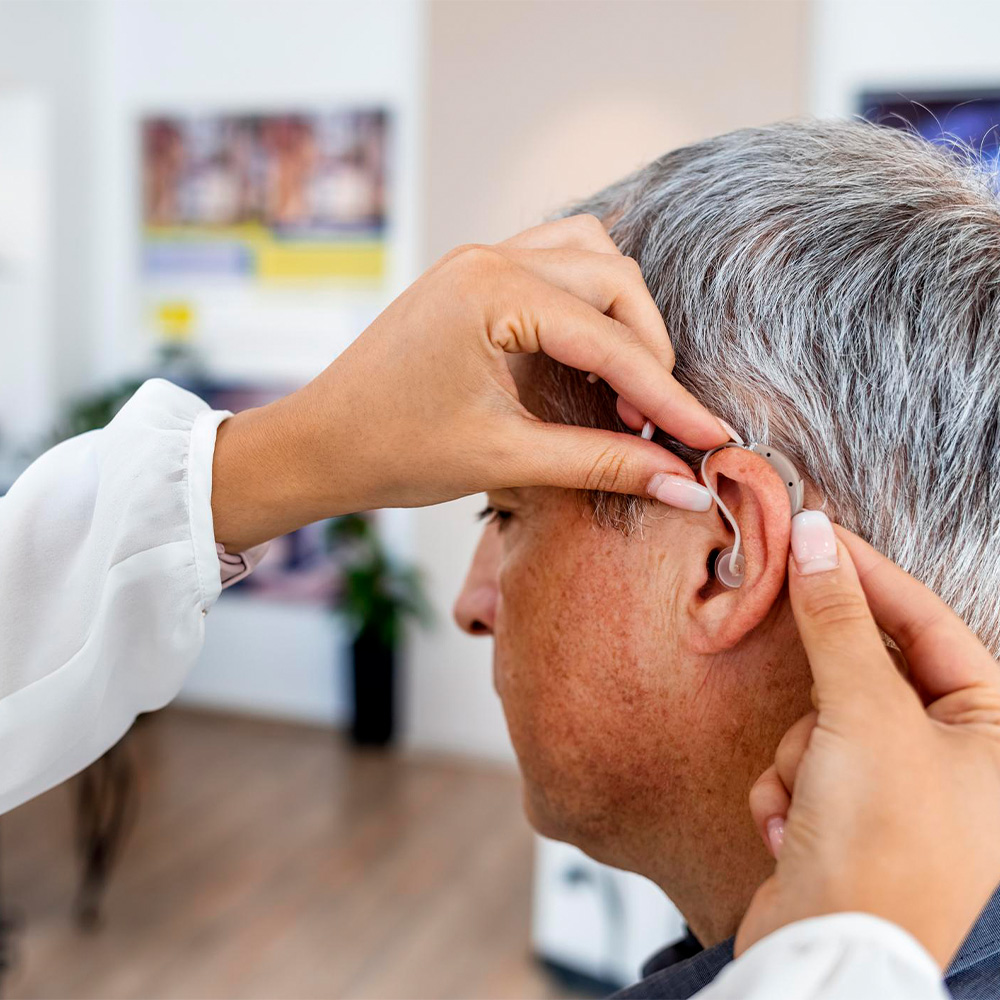
More than 1 in 3 Americans over age 65 will fall each year, according to the National Institute on Aging. In addition, approximately 1 in 3 individuals between 65 and 74 has hearing loss.