
Search
Who should complete CITI COI Training?
https://www.utsouthwestern.edu/research/research-support/conflict-of-interest/citi-coi.html
Who needs to take CITI COI training at UT Southwestern Medical Center
Advancing Understanding and Treatment of Sensorimotor Voice Disorders: Otolaryngology News & Events - UT Southwestern, Dallas, Texas
https://www.utsouthwestern.edu/departments/otolaryngology/news-events/advancing-understanding-and-treatment.html
Advancing Understanding and Treatment of Sensorimotor Voice Disorders: Three NIH-Funded Projects at the UT Larynx Lab Adrianna C. Shembel, Ph.D., CCC-SLP April 16, 2026 The UTSW Larynx Lab is leading several groundbreaking NIH-funded research initiatives aimed at improving diagnosis and treatment for…
Singers’ genre may play role in voice injuries: Newsroom - UT Southwestern, Dallas, Texas
https://www.utsouthwestern.edu/newsroom/articles/year-2022/december-voice-injuries.html

A singer’s primary genre can impact the likelihood of developing vocal fold injury and may even influence the specific type of injury that occurs, a recent study by UT Southwestern researchers suggests.
Robotic bronchoscopy may offer solution to lung biopsy risks: Newsroom - UT Southwestern, Dallas, Texas
https://www.utsouthwestern.edu/newsroom/articles/year-2022/december-robotic-bronchoscopy.html
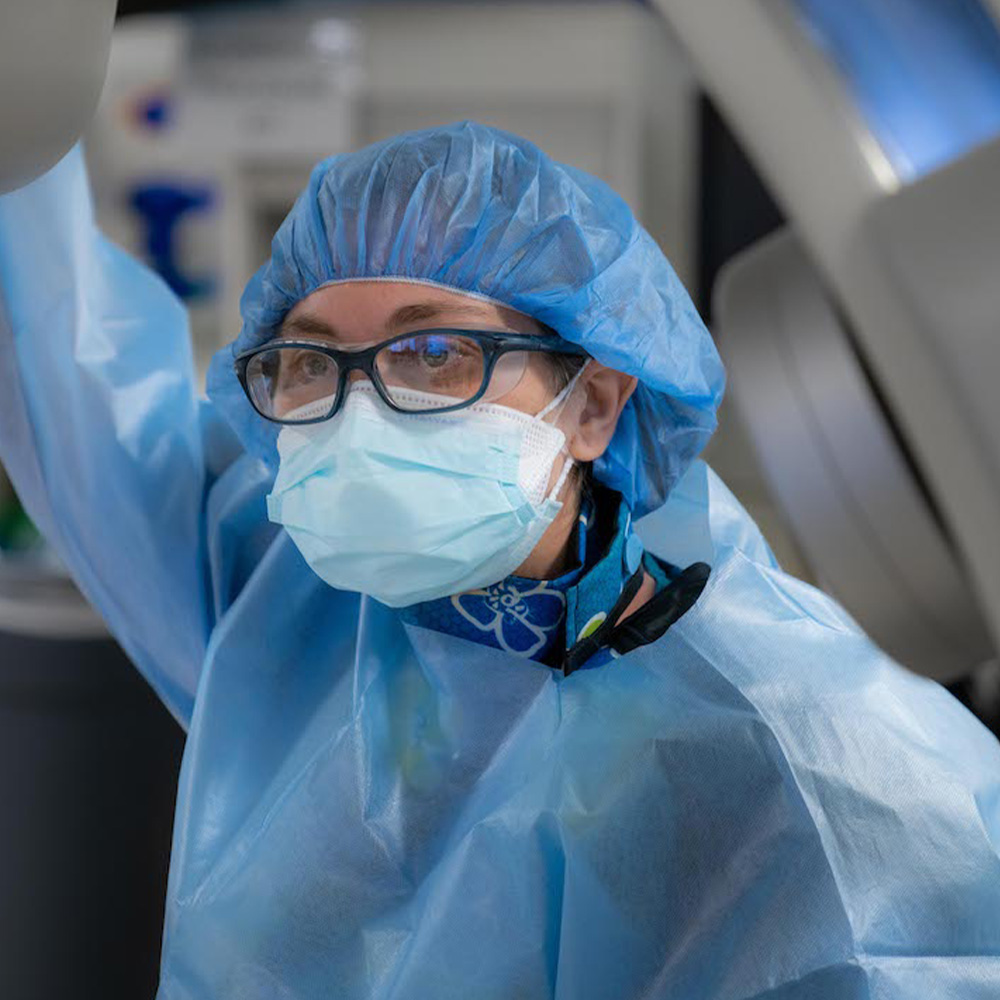
Lung nodule biopsies performed with new robotic bronchoscopy technology may be safer and more effective than those done by traditional methods, a study by researchers at UT Southwestern suggests.
UT Southwestern rheumatologist recommends patients receive pneumococcal vaccine : Newsroom - UT Southwestern, Dallas, Texas
https://www.utsouthwestern.edu/newsroom/articles/year-2022/december-pneumococcal-vaccine.html
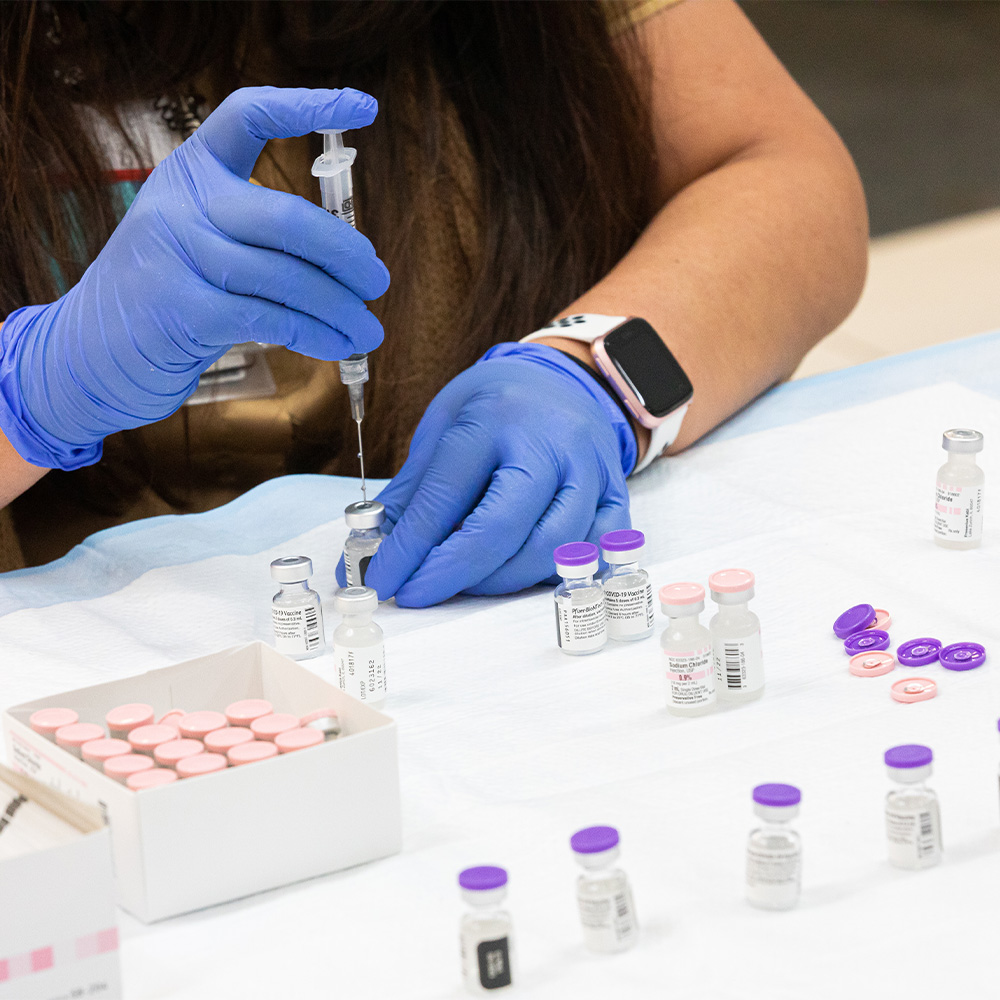
Patients with rheumatoid arthritis, lupus, and other rheumatic conditions are more at risk for complications and death from pneumonia, meningitis, and other bacterial infections, yet most have not been vaccinated against infection.
UTSW among top three companies in the nation for new graduates: Newsroom - UT Southwestern, Dallas, Texas
https://www.utsouthwestern.edu/newsroom/articles/year-2021/forbes-new-graduates.html

UT Southwestern Medical Center ranked No. 3 in the nation on Forbes’ list of America’s Best Employers For New Graduates, placing it in the top 1 percent, and highest among academic medical centers.
Not just a phase for RNAs: Newsroom - UT Southwestern, Dallas, Texas
https://www.utsouthwestern.edu/newsroom/articles/year-2021/not-just-a-phase-for-rnas.html
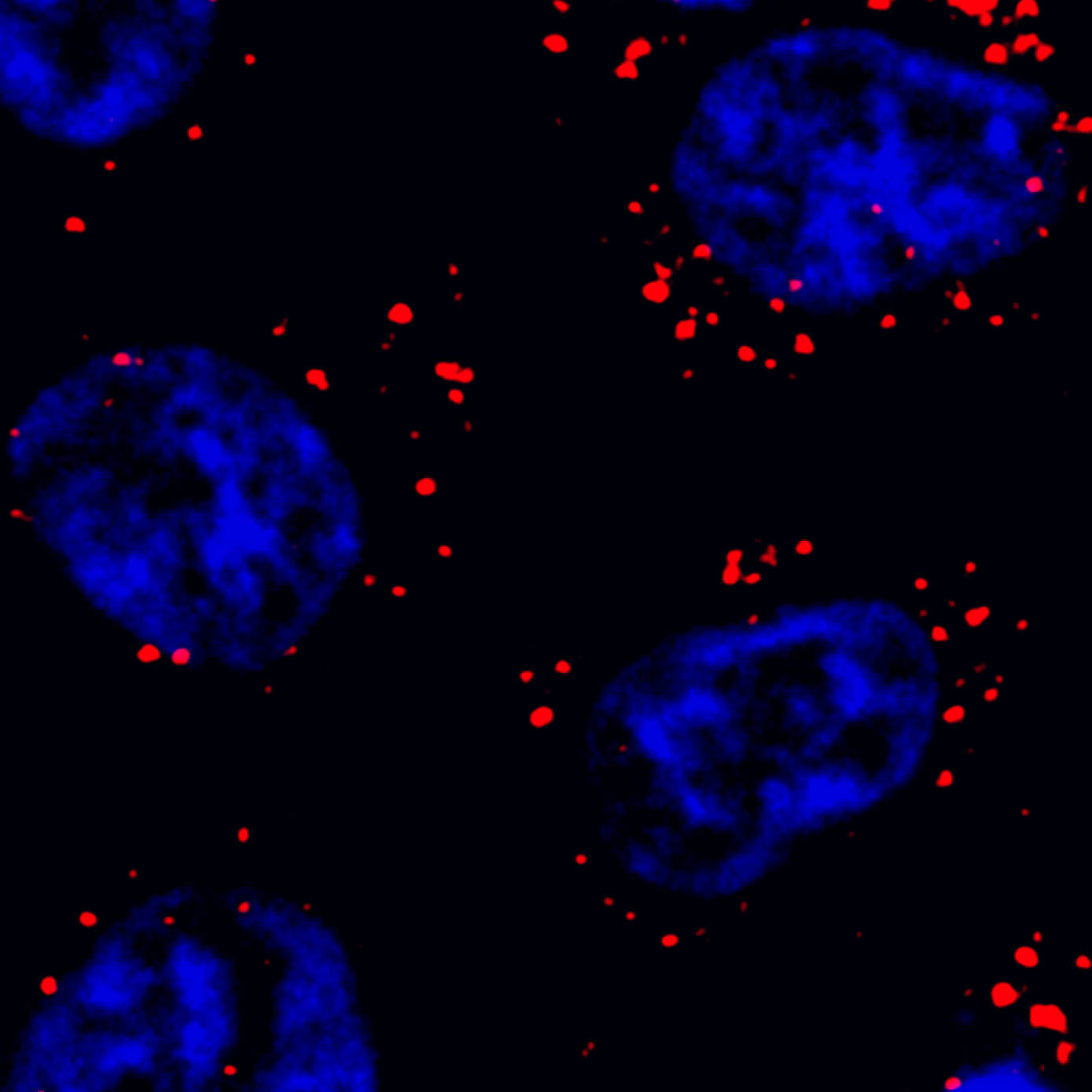
A phenomenon in which an RNA named NORAD drives a protein named Pumilio to form liquid droplets in cells, much like oil in water, appears to tightly regulate the activity of Pumilio.
New gene editing strategies developed for Duchenne muscular dystrophy : Newsroom - UT Southwestern, Dallas, Texas
https://www.utsouthwestern.edu/newsroom/articles/year-2021/duchenne-muscular-dystrophy.html

UT Southwestern scientists successfully employed a new type of gene therapy to treat mice with Duchenne muscular dystrophy (DMD)
HER3 gene mutations can worsen tumor growth in breast cancer, study suggests: Newsroom - UT Southwestern, Dallas, Texas
https://www.utsouthwestern.edu/newsroom/articles/year-2021/her3-gene-mutations.html
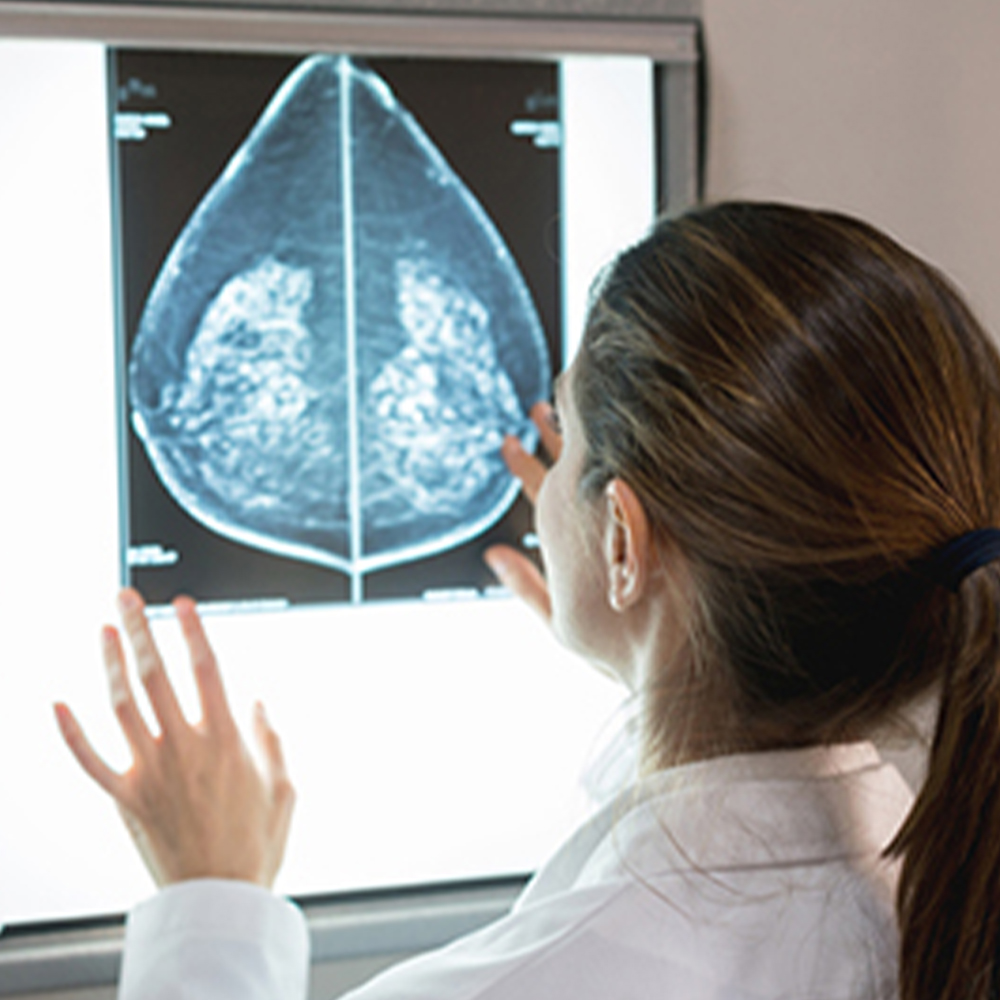
Mutations in a gene related to HER2, a gene frequently implicated in breast cancers and a variety of other malignancies, can amplify activity that spurs tumor growth
In Memoriam: Jean Wilson, M.D., made scientific discoveries that led to effective prostate treatments, insights into sexual differentiation: Newsroom - UT Southwestern, Dallas, Texas
https://www.utsouthwestern.edu/newsroom/articles/year-2021/in-memoriam-wilson.html
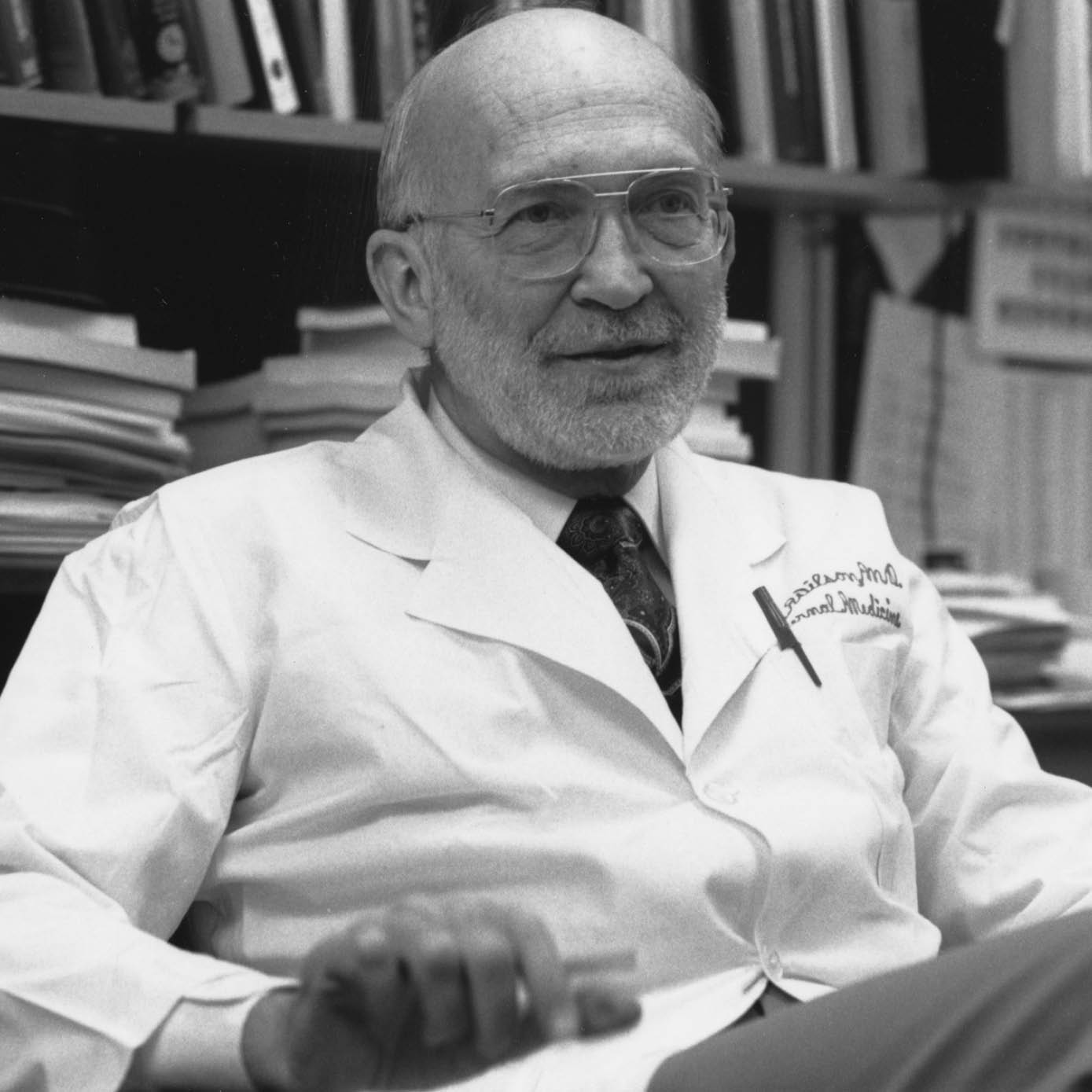
Jean D. Wilson, M.D., an internationally known endocrinologist whose scientific discoveries led to profound insights into the mechanisms underlying sexual differentiation and led to now widely used treatments for prostate disease, died June 13. He was 88.