
Search
Brain wave readings may be key to detecting concussions: Newsroom - UT Southwestern, Dallas, Texas
https://www.utsouthwestern.edu/newsroom/articles/year-2022/october-detecting-concussions.html
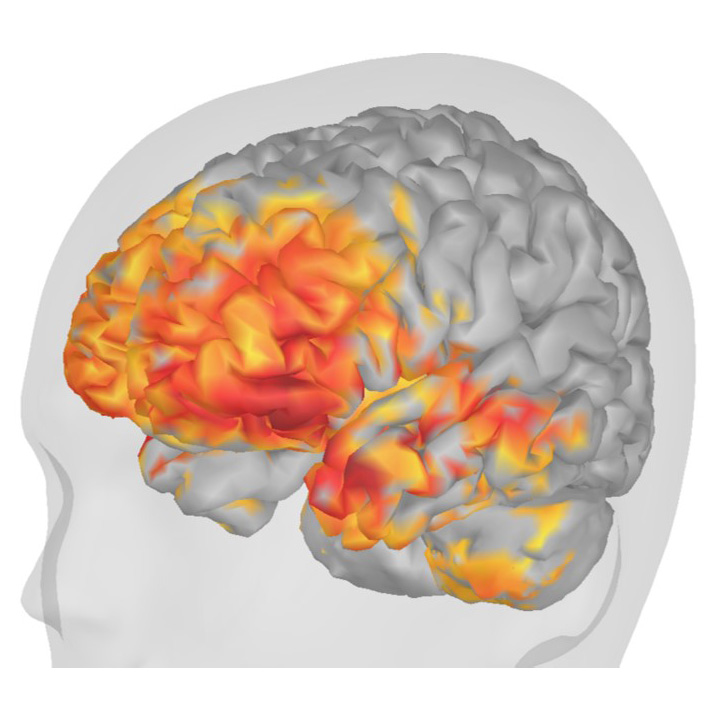
Measuring levels of a specific brain wave could lead to more objective, definitive methods of diagnosing concussions.
Risk of severe COVID-19 symptoms remains throughout pregnancy, UTSW study finds: Newsroom - UT Southwestern, Dallas, Texas
https://www.utsouthwestern.edu/newsroom/articles/year-2022/november-pregnancy-covid-19-symptoms.html
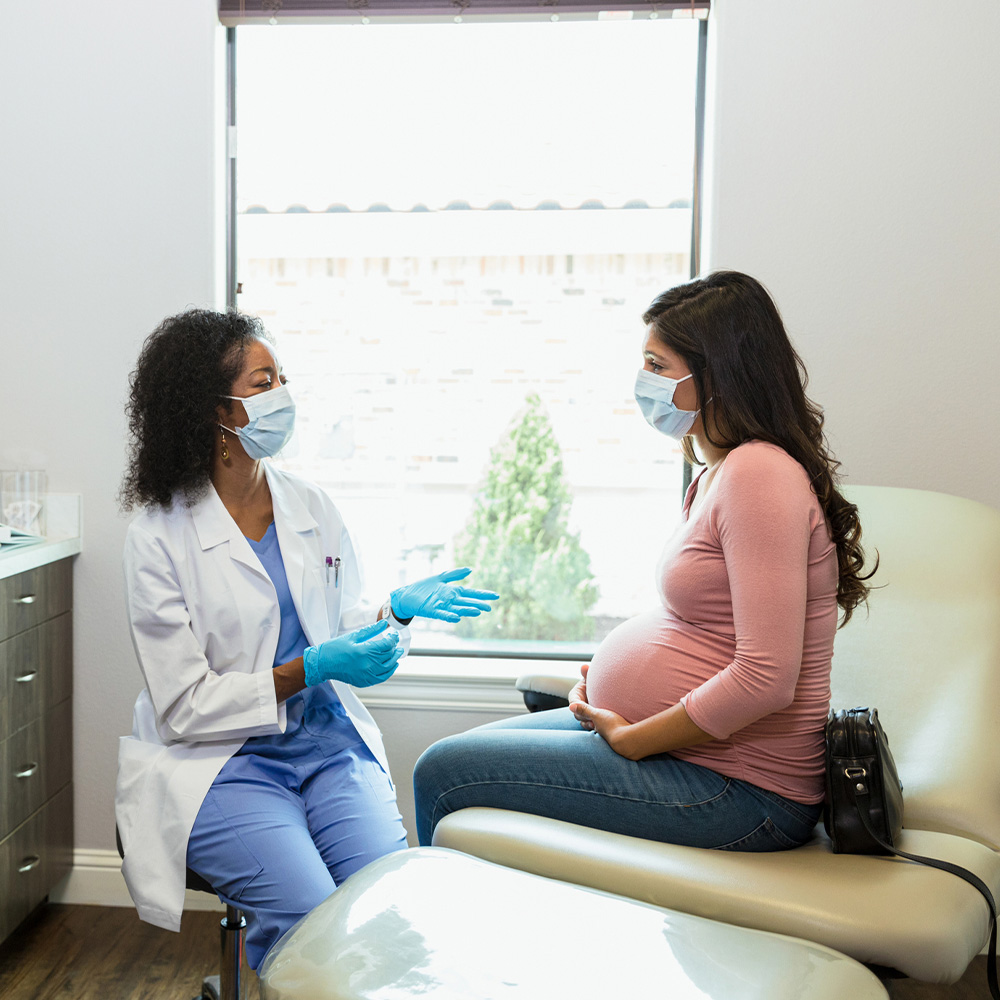
A UT Southwestern study of more than 1,300 pregnant women diagnosed with COVID-19 found that just 1 in 10 developed moderate, severe, or critical illness and that COVID-19 symptoms and severity were similar across all trimesters.
UTSW researchers examine impact of pandemic on children’s mental health: Newsroom - UT Southwestern, Dallas, Texas
https://www.utsouthwestern.edu/newsroom/articles/year-2022/october-impact-of-pandemic.html

New research from pediatricians at UT Southwestern and Children's Health reveals the impact of COVID-19 on mental health in children.
Researchers find that different stem cells are responsible for the repair of different kinds of bone injuries: Newsroom - UT Southwestern, Dallas, Texas
https://www.utsouthwestern.edu/newsroom/articles/year-2022/october-stem-cells.html
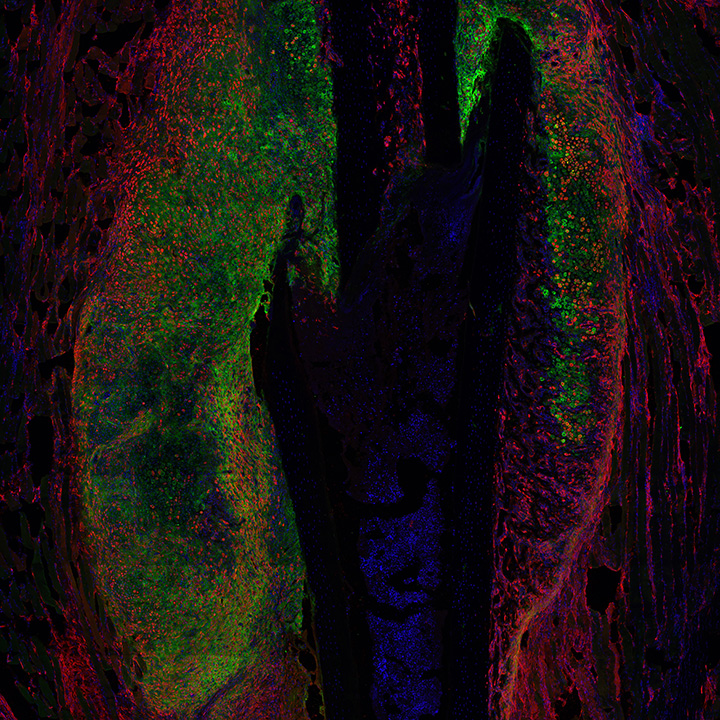
New research from Children’s Medical Center Research Institute at UT Southwestern (CRI) found that different skeletal stem cell (SSC) populations contribute to repair of different kinds of bone injuries.
UTSW surgeon implants artificial sphincter to improve quality of life after prostate cancer surgery: Newsroom - UT Southwestern, Dallas, Texas
https://www.utsouthwestern.edu/newsroom/articles/year-2022/november-firefighter-relief.html

A first responder for almost four decades, Roger McCurley had made hundreds of hospital runs while providing emergency service to people in the midst of the worst days of their lives.
Cell competition may explain cancer relapses, research suggests: Newsroom - UT Southwestern, Dallas, Texas
https://www.utsouthwestern.edu/newsroom/articles/year-2022/november-cell-competition.html
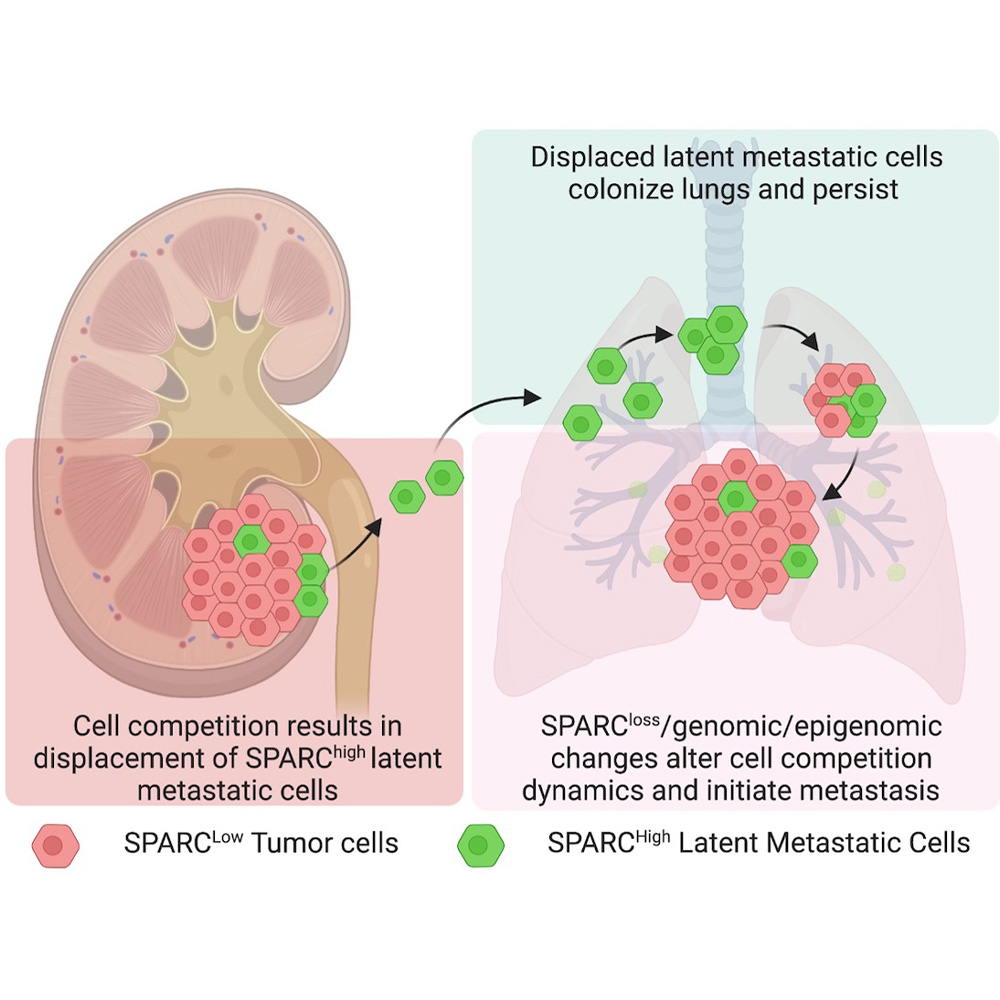
A normal process called cell competition, in which healthy tissues eliminate unhealthy cells, could be responsible for cancer relapses in patients months or years after they were declared cancer-free, a new study by UT Southwestern researchers suggests.
Mothers with diabetes can have a healthy breastfeeding experience: Newsroom - UT Southwestern, Dallas, Texas
https://www.utsouthwestern.edu/newsroom/articles/year-2022/august-mothers-with-diabetes.html
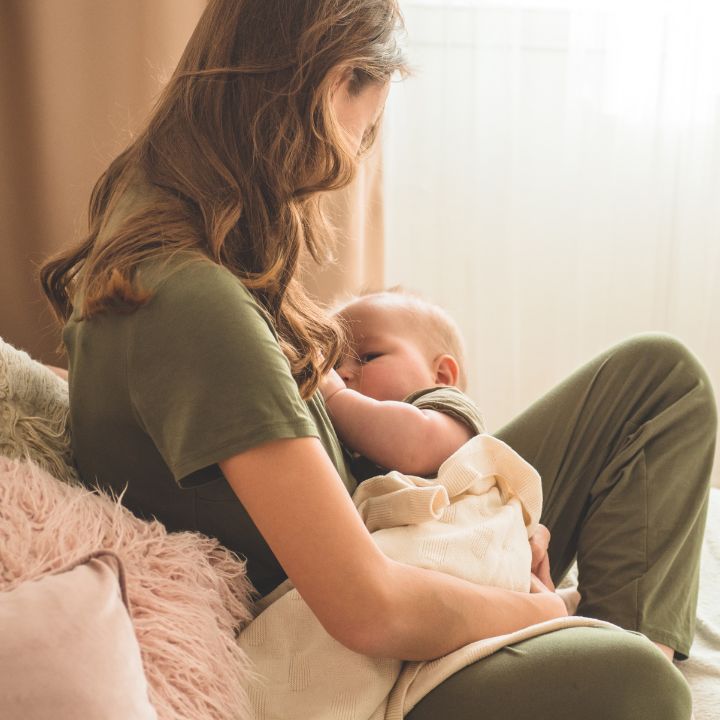
Breastfeeding offers a wealth of benefits both for mothers and their babies. Although diabetes can complicate the process, it does not prevent mothers from giving their babies this wonderful start to life, according to UT Southwestern endocrinologist Maria Ramos-Roman, M.D., Associate Professor of Internal Medicine.
UT Southwestern ranked No. 1 in Texas, fourth in nation for tech transfer: Newsroom - UT Southwestern, Dallas, Texas
https://www.utsouthwestern.edu/newsroom/articles/year-2022/october-tech-transfer.html

UT Southwestern Medical Center ranked fourth in the nation and No. 1 in Texas for commercializing new biomedical technologies, considered a critical step in bringing its laboratory discoveries into clinical practice.
Researchers discover new molecular driver of retinoblastoma: Newsroom - UT Southwestern, Dallas, Texas
https://www.utsouthwestern.edu/newsroom/articles/year-2022/september-retinoblastoma.html
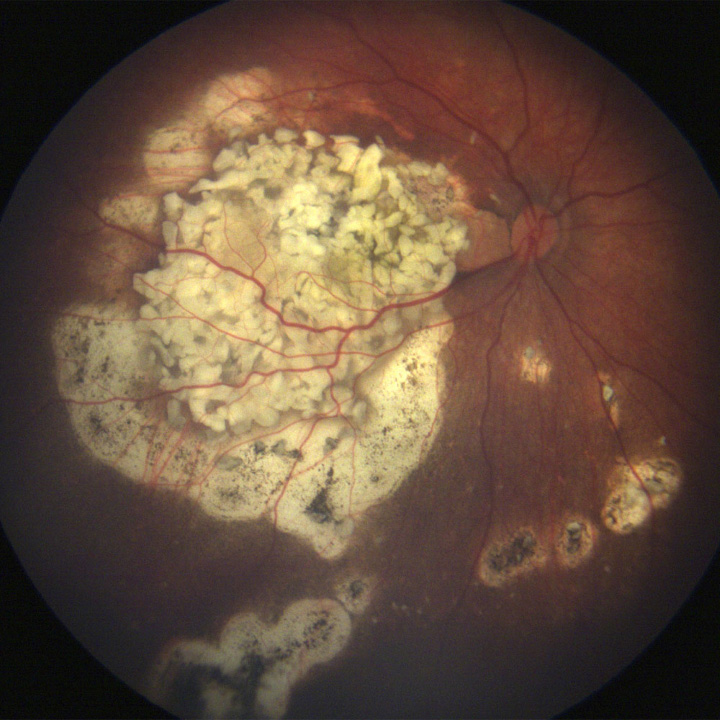
Researchers have discovered that a molecule – estrogen-related receptor gamma, or ESRRG – becomes hyperactive and promotes tumor cell survival in retinoblastoma.
Omicron prompted spike in COVID cases in pregnant women, but fewer hospitalizations: Newsroom - UT Southwestern, Dallas, Texas
https://www.utsouthwestern.edu/newsroom/articles/year-2022/omicron-pregnant-women.html
Women who were pregnant during the recent Omicron surge were diagnosed with COVID-19 at a much higher rate than during previous phases of the pandemic, but were less likely to develop severe illness, a study by UT Southwestern and Parkland Health scientists found.