
Search
NIH funding to propel UT Southwestern research into human heart regeneration: Newsroom - UT Southwestern, Dallas, Texas
https://www.utsouthwestern.edu/newsroom/articles/year-2023/june-nih-funding-human-heart-regeneration.html
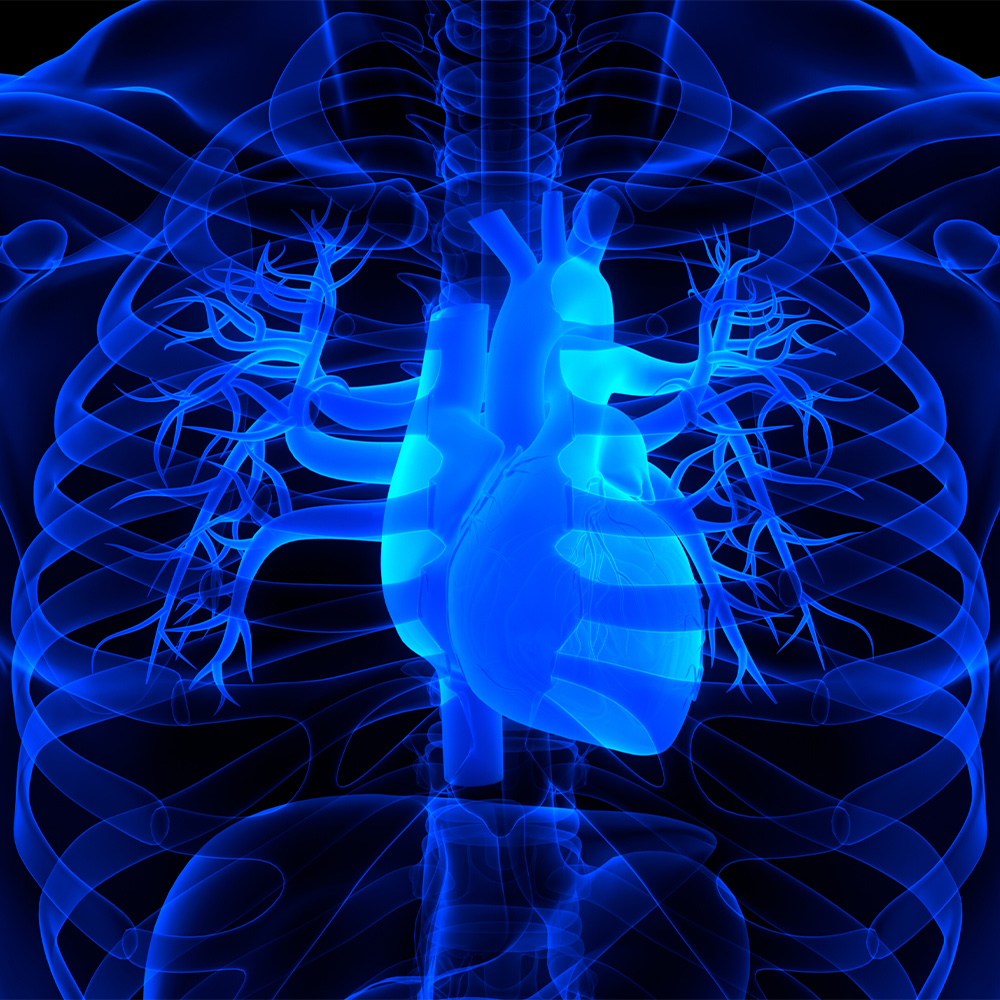
Ongoing research at UT Southwestern Medical Center exploring the ability of human heart cells to regenerate after a heart attack or other cardiovascular event will be accelerated by a new award from the National Institutes of Health.
UT Southwestern Medical Center at Coppell offers convenient adult and pediatric care in northwest Dallas region : Newsroom - UT Southwestern, Dallas, Texas
https://www.utsouthwestern.edu/newsroom/articles/year-2023/may-pediatric-care-in-northwest-dallas-region.html
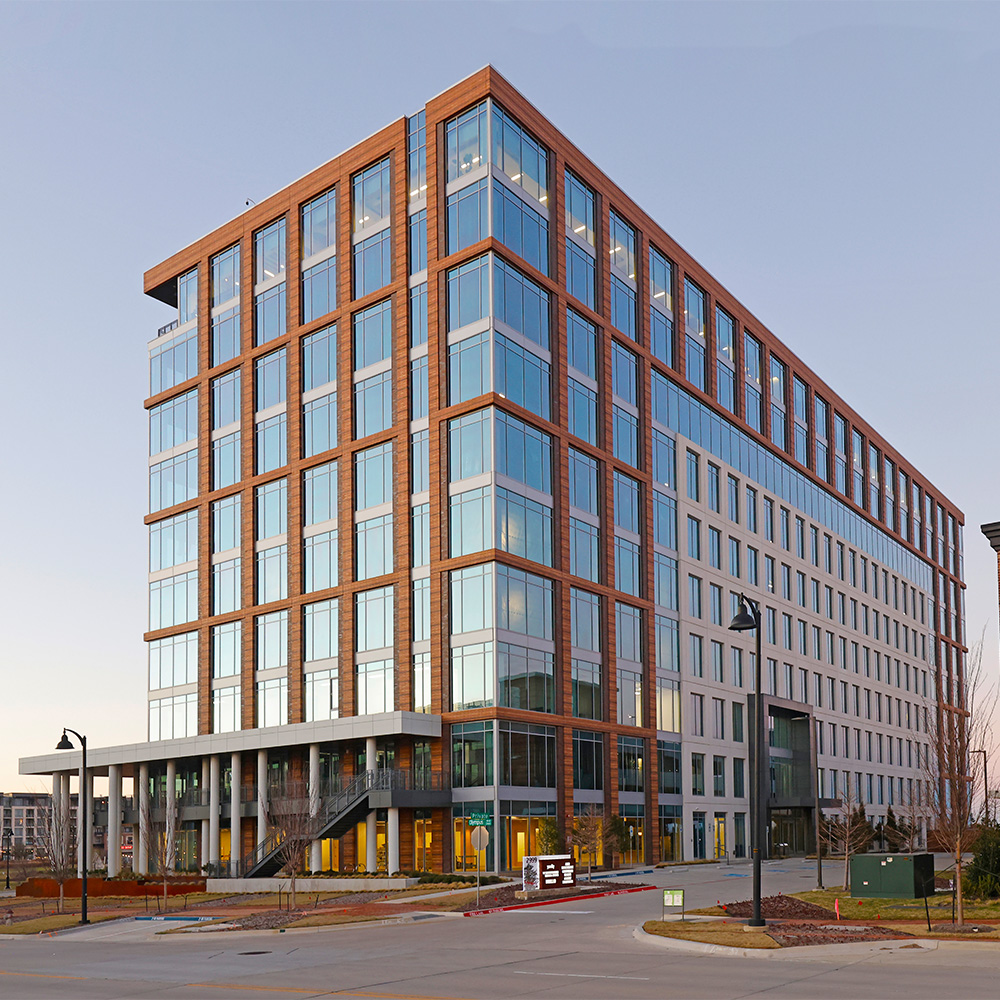
UT Southwestern Medical Center is expanding its footprint to better serve the northwest Dallas region offering primary care visits ranging from management of chronic health issues to women’s health exams at UT Southwestern Medical Center at Coppell.
Poor sleep can lead to long-term health problems for older adults, UTSW specialists say: Newsroom - UT Southwestern, Dallas, Texas
https://www.utsouthwestern.edu/newsroom/articles/year-2023/may-poor-sleep-older-adults.html

It’s a common misconception that older adults need less sleep than those younger, but many get fewer hours due to insomnia and various health problems, including sleep apnea and heart trouble.
UT Southwestern researchers report new mechanism in an ancient pathway of immune response: Newsroom - UT Southwestern, Dallas, Texas
https://www.utsouthwestern.edu/newsroom/articles/year-2023/february-key-pathway-to-immune-response-in-humans.html
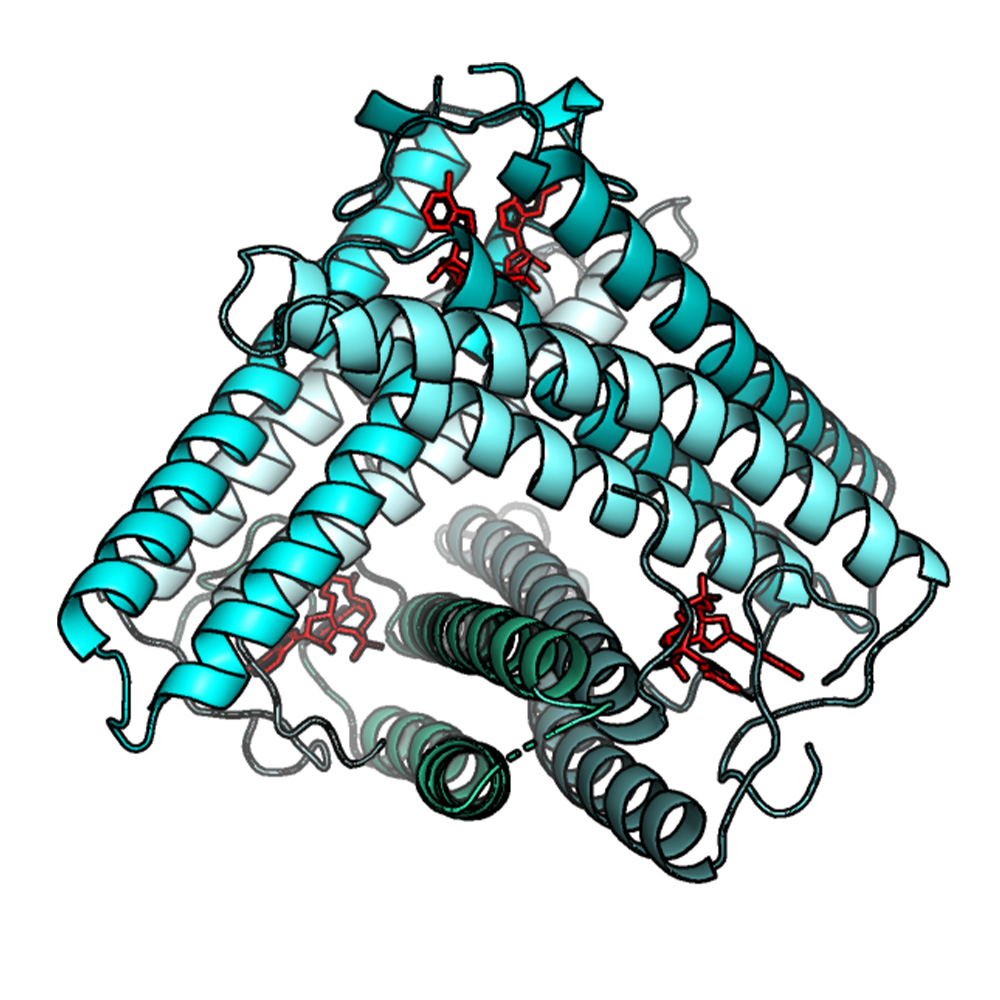
UT Southwestern biochemist Zhijian “James” Chen, Ph.D., famously identified the cGAS enzyme pathway that alerts the human immune system to disease-causing invaders like viruses. Since then, researchers have found that cGAS signaling is an ancient, conserved defense strategy stretching from bacteria to mammals. A new study from the Chen lab published in Nature reports a novel mechanism bacteria use to enhance the effectiveness of the cGAS-mediated immune response.
Goldman Sachs makes financial commitment to new Dallas pediatric campus: Newsroom - UT Southwestern, Dallas, Texas
https://www.utsouthwestern.edu/newsroom/articles/year-2025/nov-goldman-sachs-dallas-pediatric-campus.html
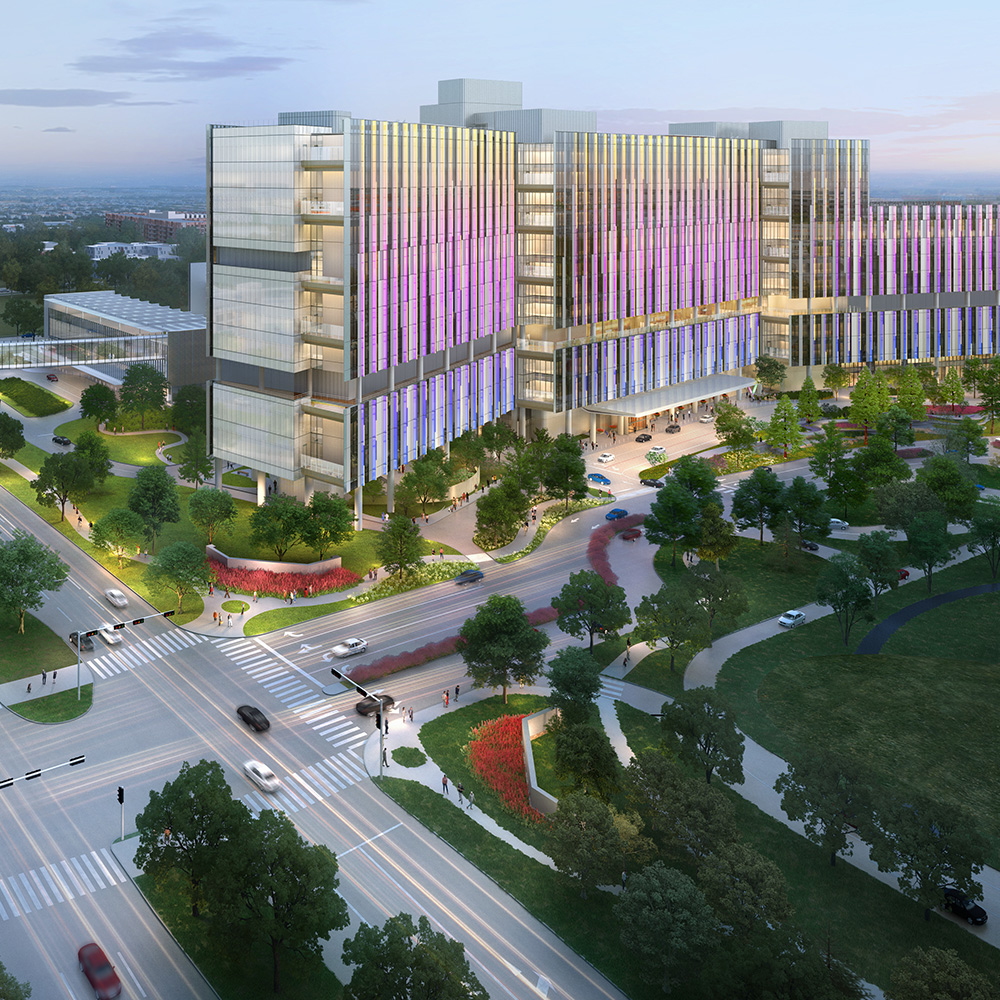
UT Southwestern Medical Center and Children’s HealthSM today announced that Goldman Sachs has committed philanthropic support to the new $5 billion joint pediatric campus under construction in Dallas’ Southwestern Medical District, across from UTSW’s William P. Clements Jr. University Hospital.
CRI’s Gerta Hoxhaj, Ph.D., named TAMEST 2025 Mary Beth Maddox Award and Lectureship recipient: Newsroom - UT Southwestern, Dallas, Texas
https://www.utsouthwestern.edu/newsroom/articles/year-2024/dec-cri-utsw-tamest-hoxhaj.html
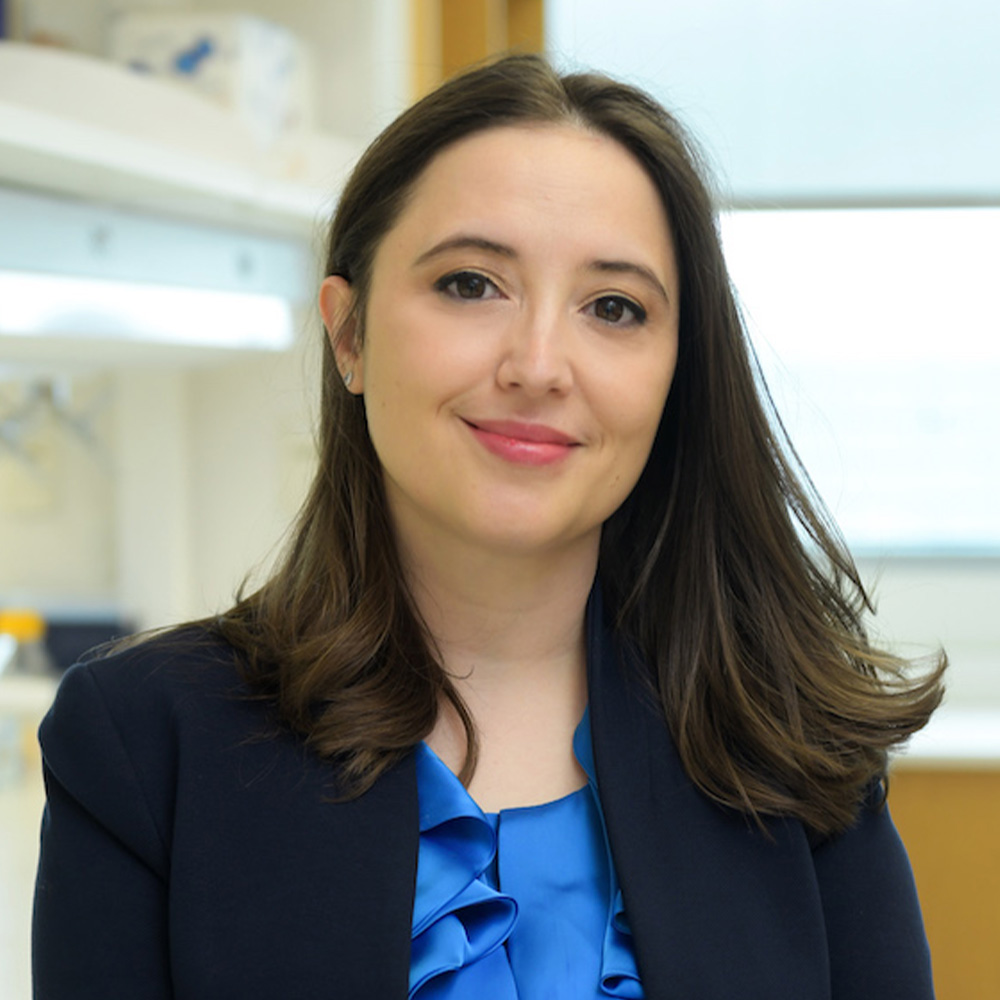
Gerta Hoxhaj, Ph.D., Assistant Professor in Children’s Medical Center Research Institute at UT Southwestern (CRI), is the recipient of the Texas Academy of Medicine, Engineering, Science and Technology (TAMEST) 2025 Mary Beth Maddox Award and Lectureship for her research in cancer metabolism.
Children’s Research Institute at UT Southwestern scientists discover ancient viral DNA activates blood cell production during pregnancy, after bleeding: Newsroom - UT Southwestern, Dallas, Texas
https://www.utsouthwestern.edu/newsroom/articles/year-2024/oct-cri-utsw-ancient-viral-dna.html
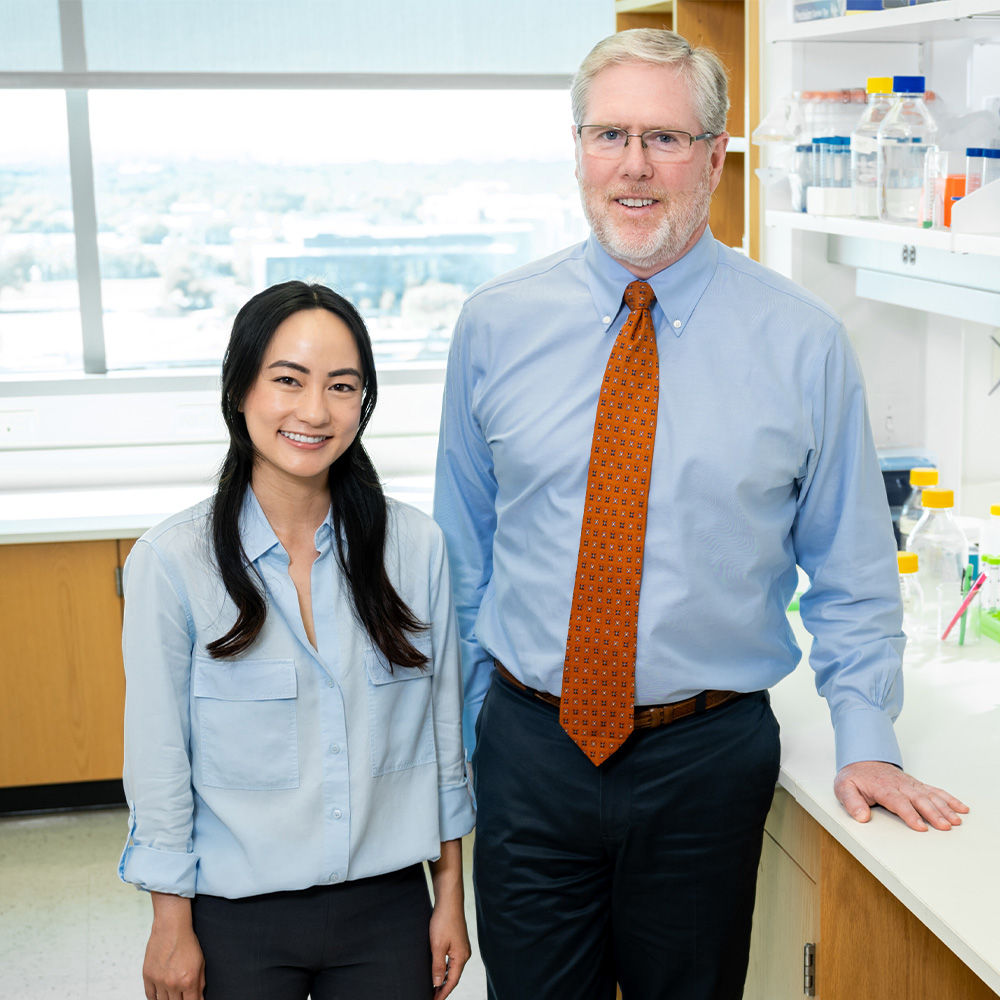
Ancient viral remnants in the human genome are activated during pregnancy and after significant bleeding in order to increase blood cell production, an important step toward defining the purpose of “junk DNA” in humans, according to new research from Children’s Medical Center Research Institute at UT Southwestern (CRI) published in Science.
Energy Transfer to support new Dallas pediatric campus : Newsroom - UT Southwestern, Dallas, Texas
https://www.utsouthwestern.edu/newsroom/articles/year-2026/march-energy-transfer-dallas-pediatric-campus.html
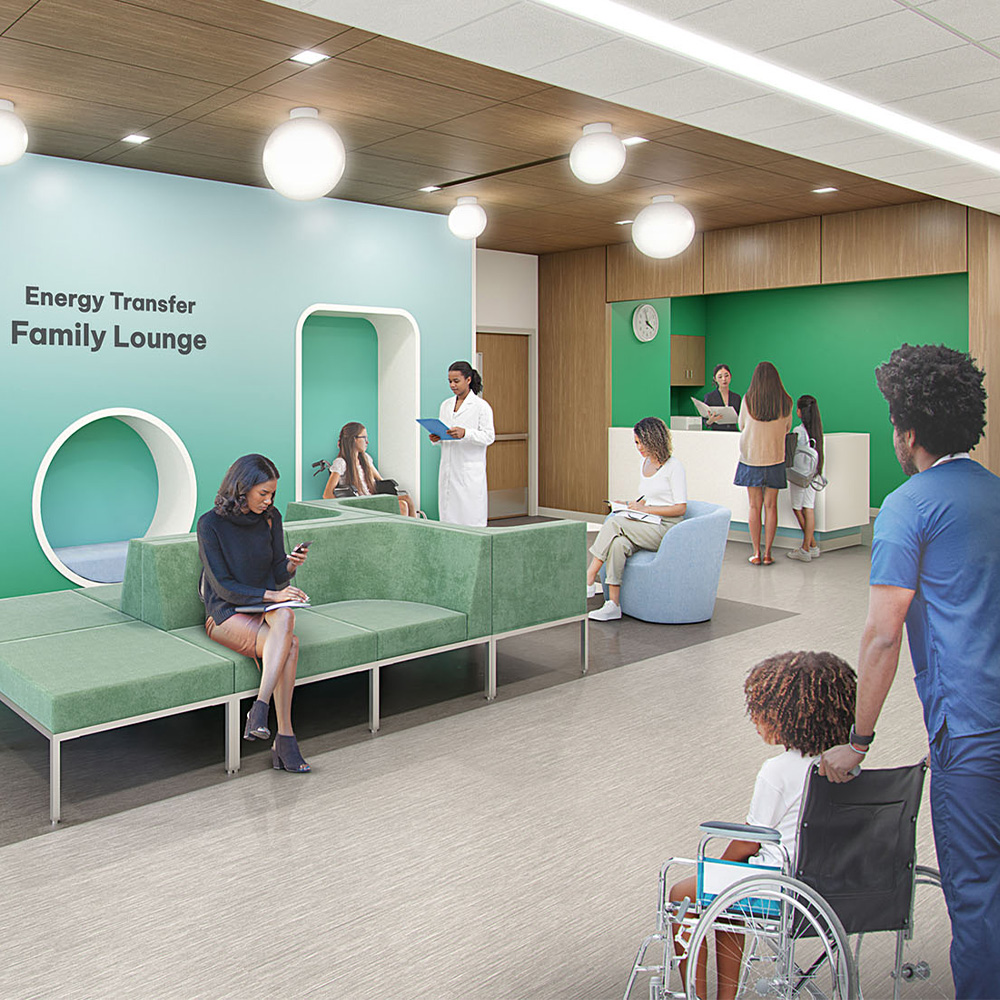
UT Southwestern Medical Center and Children’s Health today announced that Dallas-based Energy Transfer, one of the nation’s largest energy infrastructure companies, and its management team have committed $15 million to support the new $5 billion Dallas pediatric campus under construction in the Southwestern Medical District.
UTSW study explores link between high school IQ and alcohol use: Newsroom - UT Southwestern, Dallas, Texas
https://www.utsouthwestern.edu/newsroom/articles/year-2024/oct-high-school-iq-and-alcohol-use.html

A person’s IQ during high school is predictive of alcohol consumption later in life, according to a study by UT Southwestern Medical Center researchers published in Alcohol and Alcoholism.
Latino enclaves in U.S. have less accessible health care: Newsroom - UT Southwestern, Dallas, Texas
https://www.utsouthwestern.edu/newsroom/articles/year-2024/oct-latino-enclaves-healthcare-in-us.html

Residents of U.S. neighborhoods with high concentrations of Latino residents often face significant socioeconomic challenges, including less access to health care, a study led by a UT Southwestern Medical Center researcher shows.