
Search
Study identifies 18 proteins linked to heart failure, frailty : Newsroom - UT Southwestern, Dallas, Texas
https://www.utsouthwestern.edu/newsroom/articles/year-2024/july-proteins-linked-to-heart-failure.html

An analysis of blood samples from thousands of study participants, led by researchers at UT Southwestern Medical Center, revealed 18 proteins associated with both heart failure and frailty, conditions that commonly develop in late life.
Semaglutide lowers cardiovascular risk regardless of blood sugar : Newsroom - UT Southwestern, Dallas, Texas
https://www.utsouthwestern.edu/newsroom/articles/year-2024/june-cardiovascular-risk-blood-sugar.html
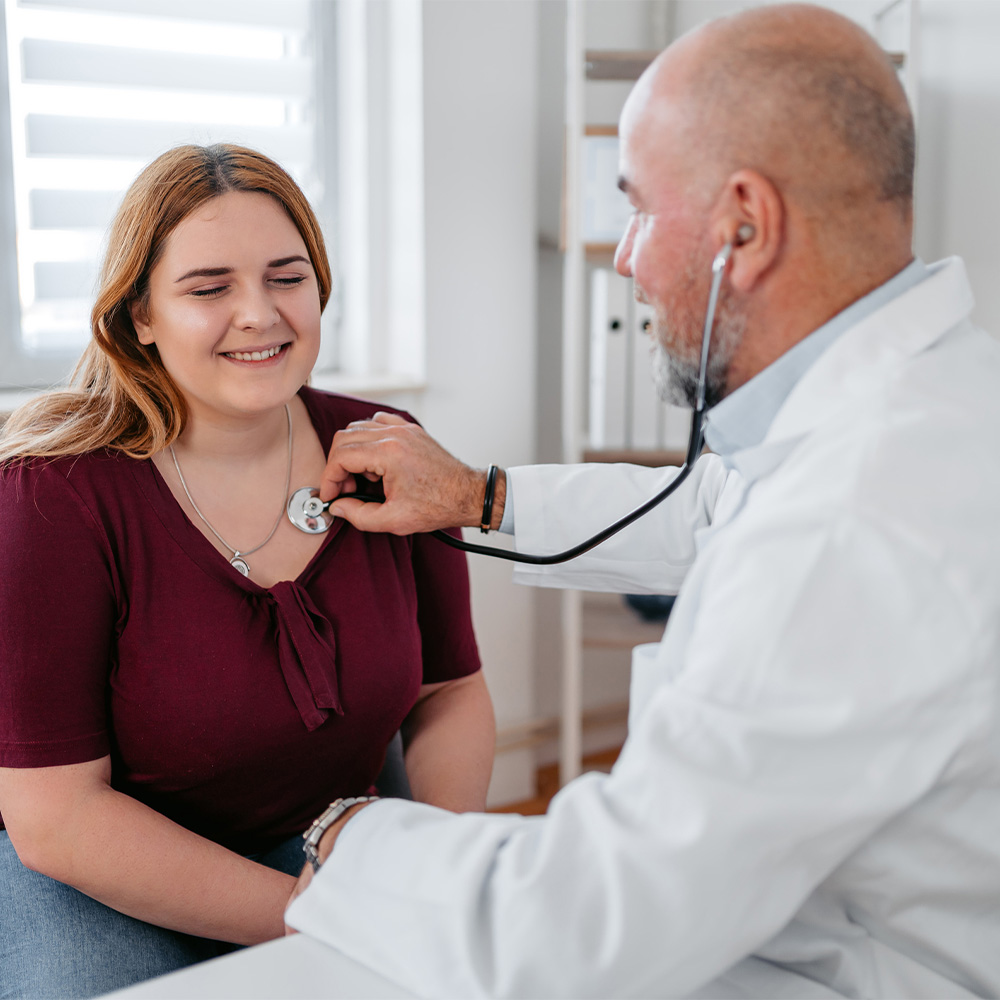
A weekly dose of semaglutide (Ozempic, Wegovy) significantly reduced the risk of major adverse cardiovascular events (MACEs) in people who are overweight or obese with cardiovascular disease but no diabetes regardless of blood sugar level, according to a clinical trial including researchers from UT Southwestern Medical Center.
Diagnosing essential tremor after death helps families learn risk: Newsroom - UT Southwestern, Dallas, Texas
https://www.utsouthwestern.edu/newsroom/articles/year-2024/june-postmortem-essential-tremor-diagnosis.html
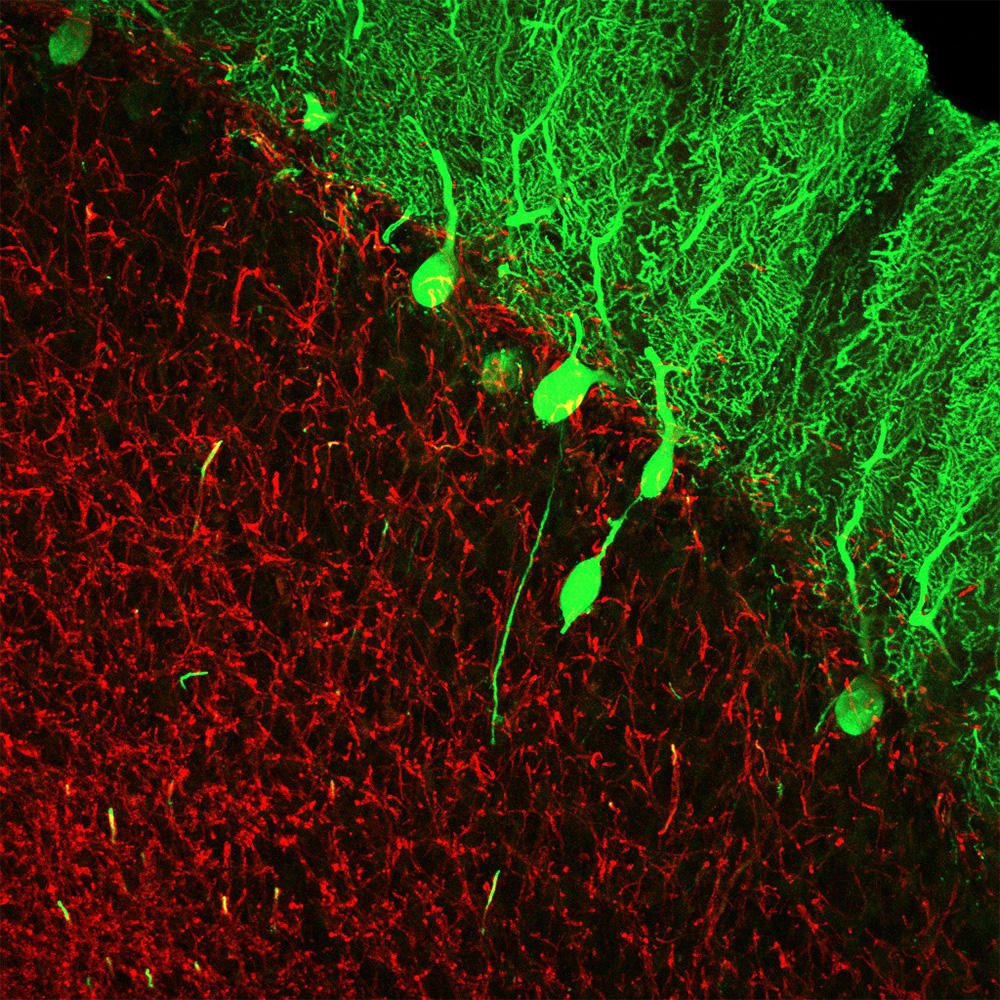
A statistical tool designed to analyze 11 characteristics of postmortem brains reliably diagnosed a common neurodegenerative disease known as essential tremor (ET), a study led by researchers at UT Southwestern Medical Center and Columbia University shows.
Research could lead to treatments for obesity, extreme weight loss: Newsroom - UT Southwestern, Dallas, Texas
https://www.utsouthwestern.edu/newsroom/articles/year-2024/june-intestinal-bacteria-body-weight.html
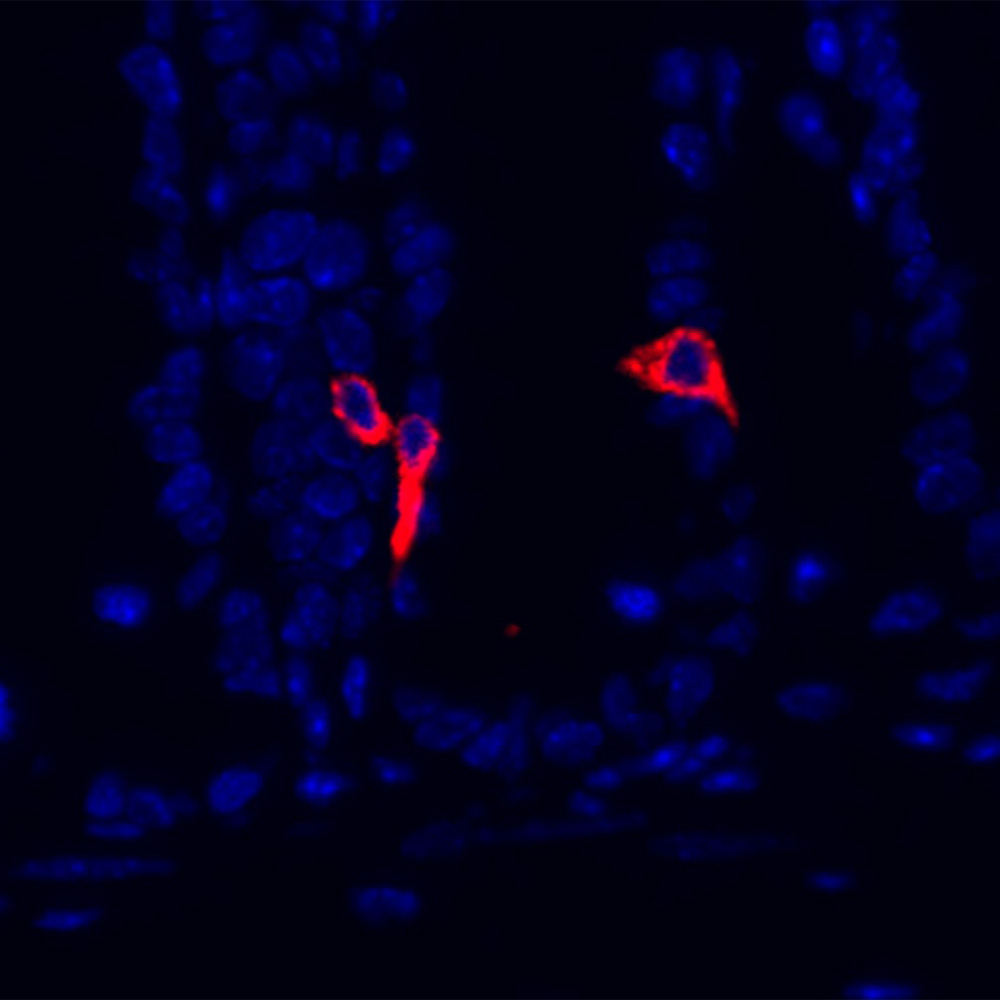
Mysterious cells that secrete hormones in the large intestine play a key role in regulating body weight through their relationship with intestinal bacteria, a study led by UT Southwestern Medical Center researchers suggests. Their findings, published in Nature Metabolism, could lead to new treatments for obesity and extreme weight loss.
UTSW cardiologist receives NIH Outstanding Investigator Award: Newsroom - UT Southwestern, Dallas, Texas
https://www.utsouthwestern.edu/newsroom/articles/year-2023/january-nih-outstanding-investigator-award.html
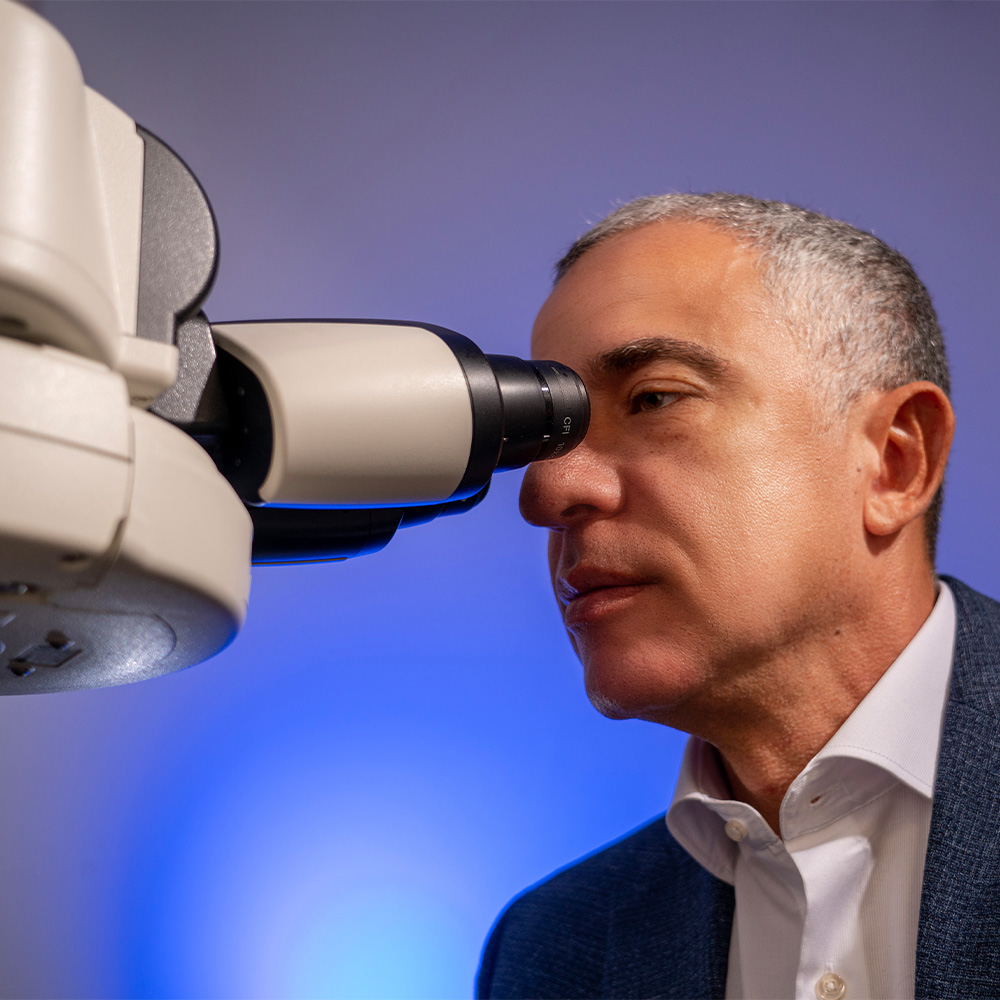
UT Southwestern physician-scientist Hesham Sadek, M.D., Ph.D., has received the prestigious National Institutes of Health (NIH) Outstanding Investigator Award to support his ongoing research into mechanisms behind heart regeneration that could lead to treatments for heart failure.
Study recommends nutrition coaching for young athletes: Newsroom - UT Southwestern, Dallas, Texas
https://www.utsouthwestern.edu/newsroom/articles/year-2024/sept-nutrition-coaching-young-athletes.html
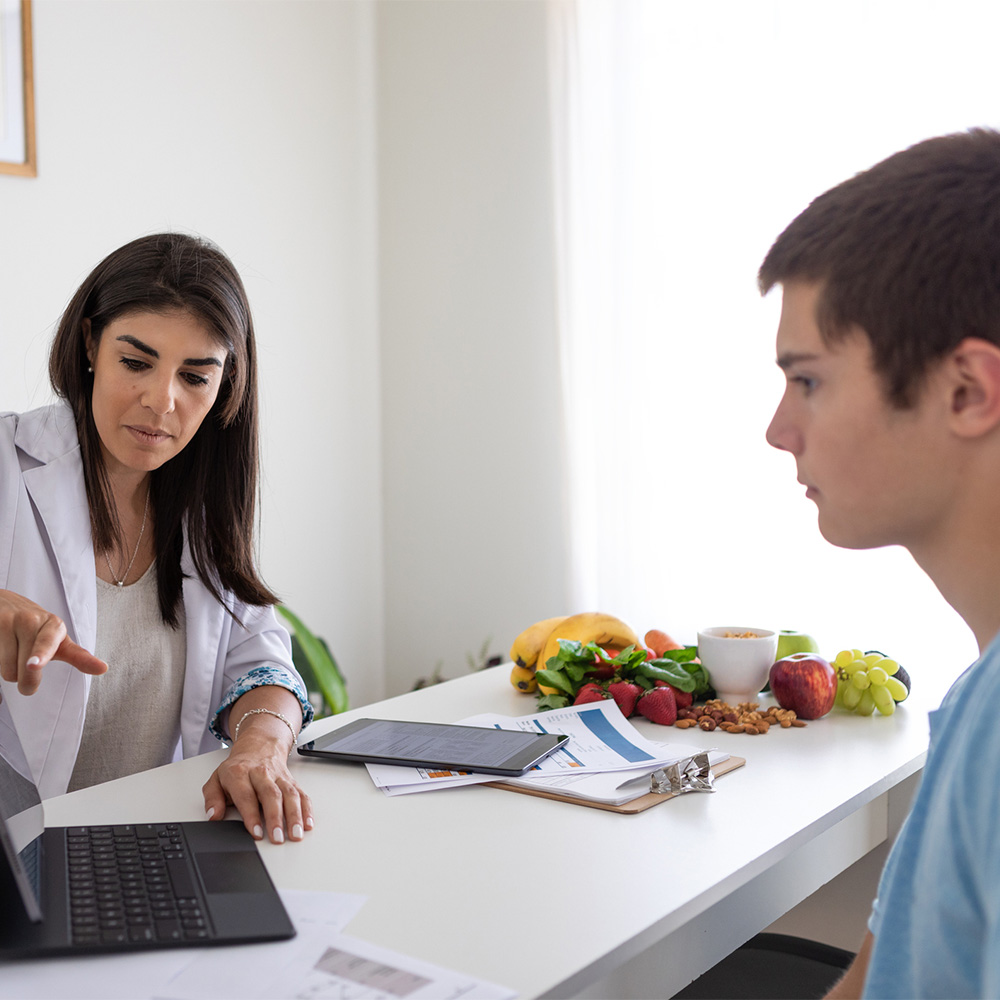
– Young athletes face an array of nutritional risks that could hamper their performance, recovery from injury, and overall wellness, researchers at UT Southwestern Medical Center and Scottish Rite for Children found.
UT Southwestern and Children’s Health receive record-setting gift from Moody Foundation : Newsroom - UT Southwestern, Dallas, Texas
https://www.utsouthwestern.edu/newsroom/articles/year-2025/may-pediatrics-campus-gift-moody-foundation.html
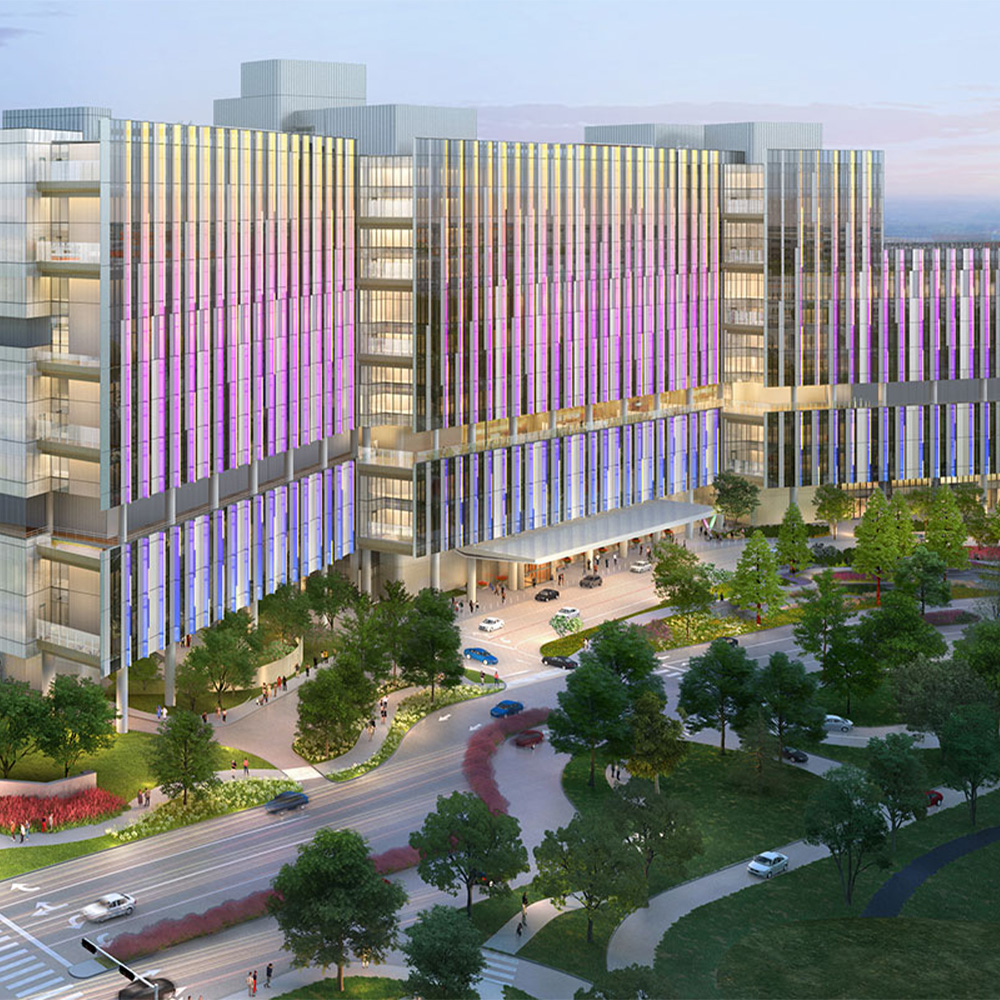
UT Southwestern Medical Center and Children’s Health℠ today announced a historic nine-figure grant from the Moody Foundation to support the new $5 billion pediatric campus in Dallas, which broke ground in October 2024. The new hospital will help meet the increasing demand for pediatric health care, research and training. The Moody Foundation’s transformational grant is the largest gift to date for this landmark project.
Natural grass may pose greater risk for football concussions: Newsroom - UT Southwestern, Dallas, Texas
https://www.utsouthwestern.edu/newsroom/articles/year-2024/aug-natural-grass-football-concussions.html

Young football players who sustained a head-to-ground concussion practicing or playing games on natural grass experienced more symptoms – and significantly higher severity – than those who suffered concussions on artificial turf, researchers at UT Southwestern Medical Center found.
UTSW’s Simmons Cancer Center awarded more than $11.5 million in CPRIT funding: Newsroom - UT Southwestern, Dallas, Texas
https://www.utsouthwestern.edu/newsroom/articles/year-2024/sept-scc-awarded-cprit-funding.html
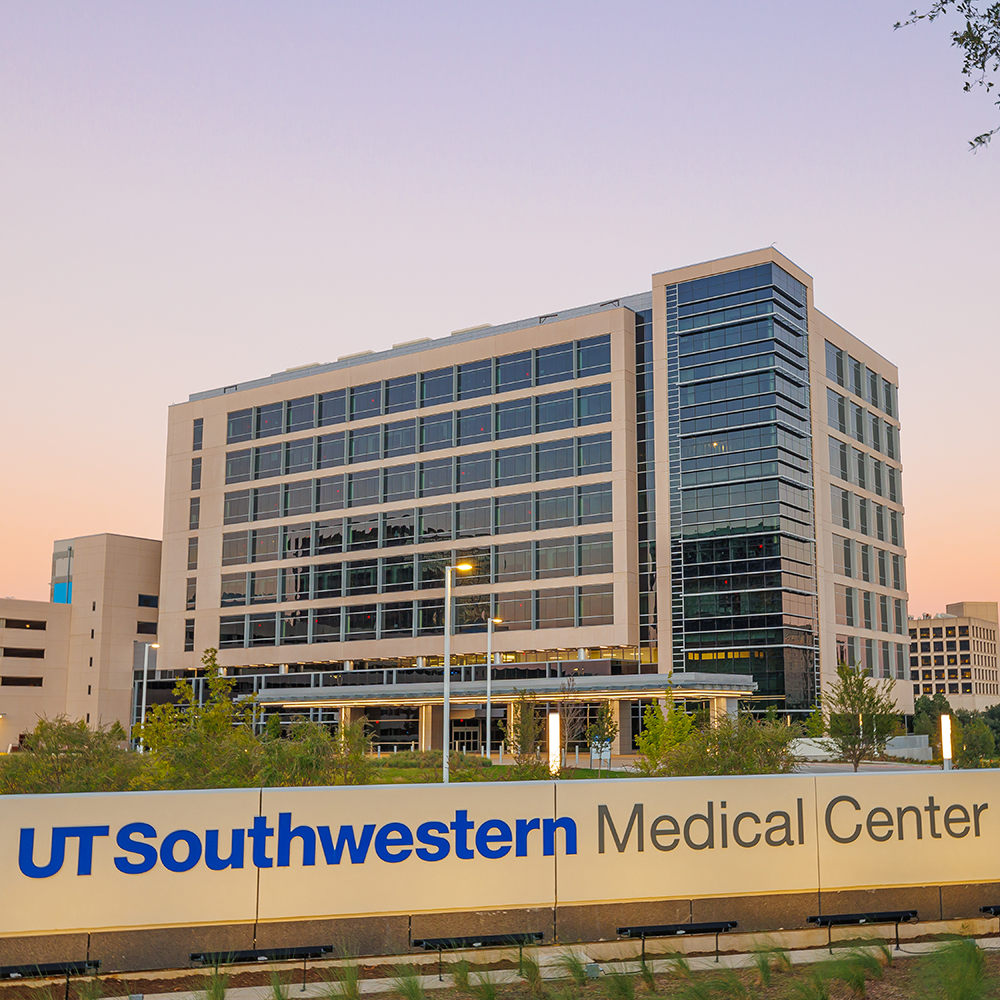
Eight scientists and physicians in the Harold C. Simmons Comprehensive Cancer Center at UT Southwestern have been awarded more than $11.5 million in grants from the Cancer Prevention and Research Institute of Texas (CPRIT) to support the state’s fight against cancer.
$25 million donation from Hamon Charitable Foundation will help UT Southwestern, Children’s Health develop joint pediatric campus: Newsroom - UT Southwestern, Dallas, Texas
https://www.utsouthwestern.edu/newsroom/articles/year-2024/sept-hamon-charitable-foundation-donation.html
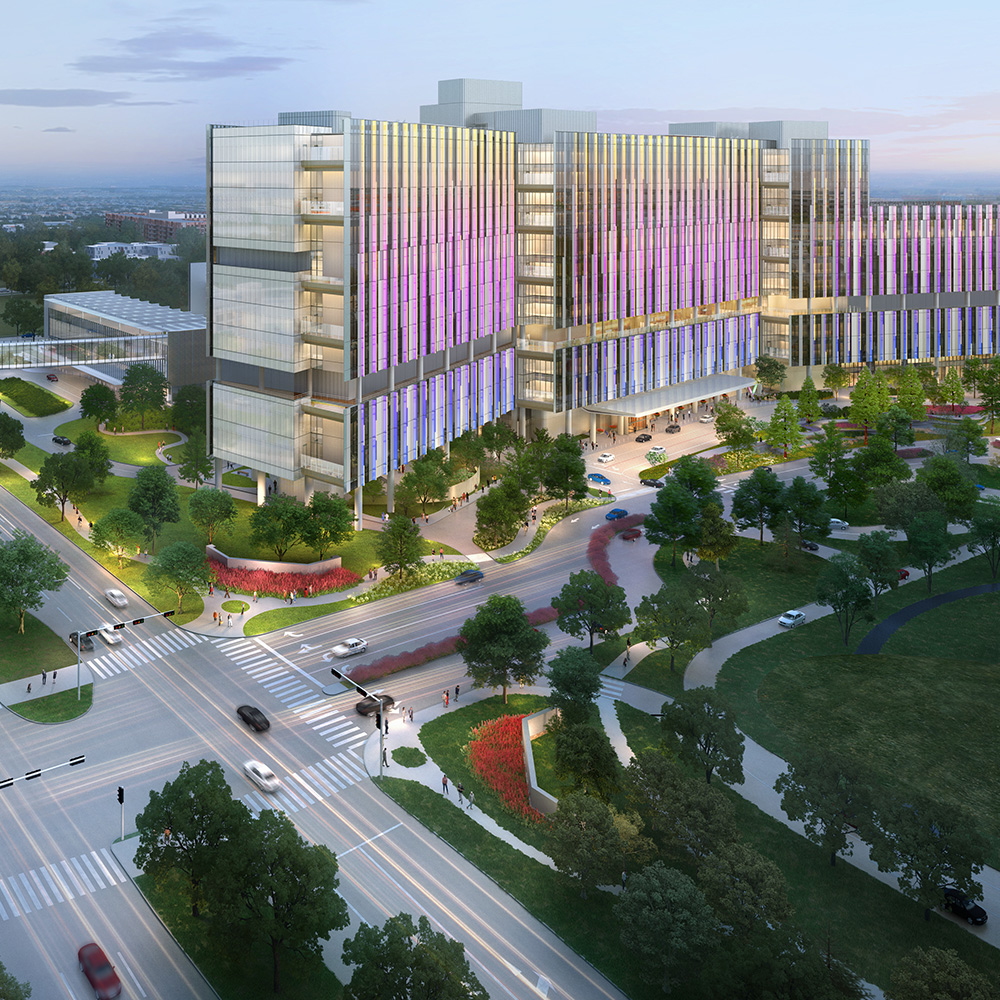
UT Southwestern Medical Center and Children's HealthSM announced a $25 million gift from the Hamon Charitable Foundation in support of the $5 billion transformative pediatric campus to be built in Dallas’ Southwestern Medical District across from UTSW’s William P. Clements Jr. University Hospital.