
Search
Reviving exhausted immune cells to fight cancer: Newsroom - UT Southwestern, Dallas, Texas
https://www.utsouthwestern.edu/newsroom/articles/year-2021/reviving-exhausted-immune-cells-to-fight-cancer.html
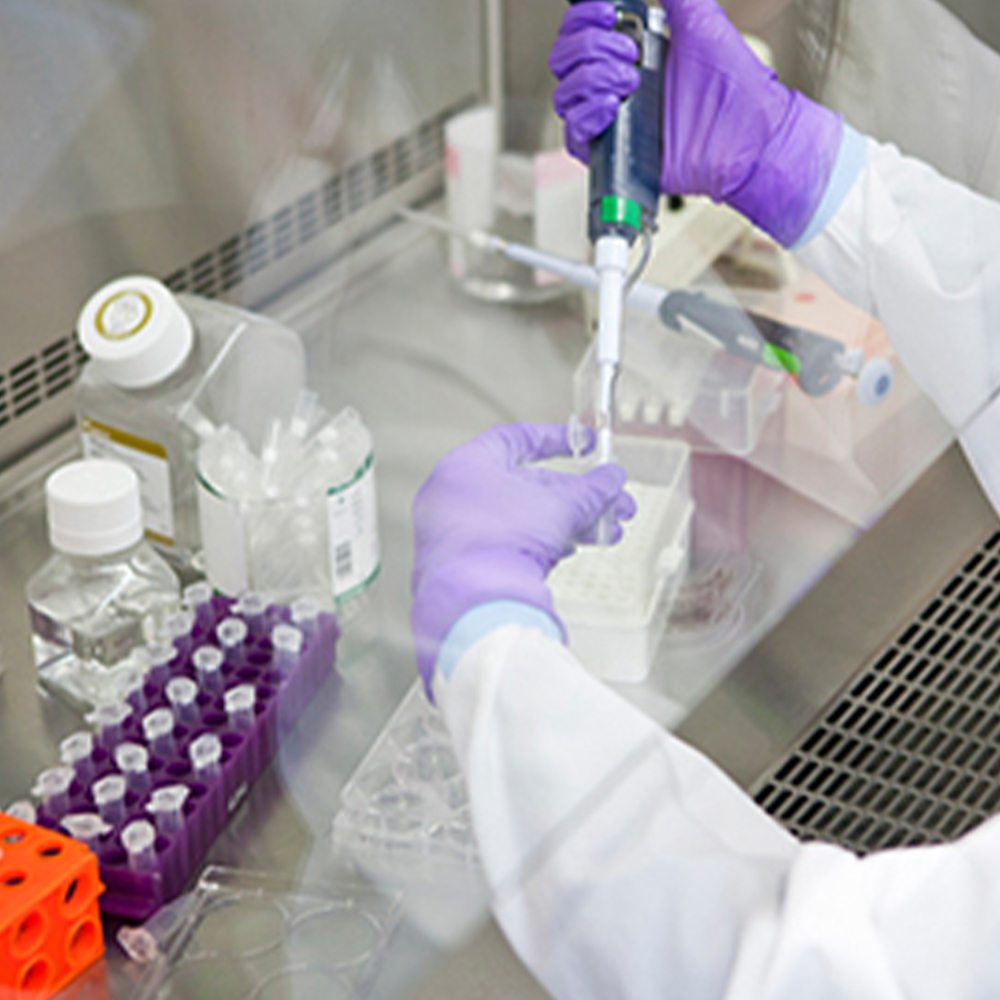
Eliminating a single gene can turn exhausted cancer-fighting immune cells known as CD8+ T cells back into refreshed soldiers that can continue to battle malignant tumors, a new study led by UT Southwestern researchers suggests.
Errant DNA boosts immunotherapy effectiveness: Newsroom - UT Southwestern, Dallas, Texas
https://www.utsouthwestern.edu/newsroom/articles/year-2020/errant-dna-boosts-immunotherapy-effectiveness.html
DNA that ends up where it doesn’t belong in cancer cells can unleash an immune response that makes tumors more susceptible to immunotherapy, the results of two UT Southwestern studies indicate.
The α7 protein is ready for its close-up: Newsroom - UT Southwestern, Dallas, Texas
https://www.utsouthwestern.edu/newsroom/articles/year-2021/the-a7-protein-is-ready-for-its-close-up.html
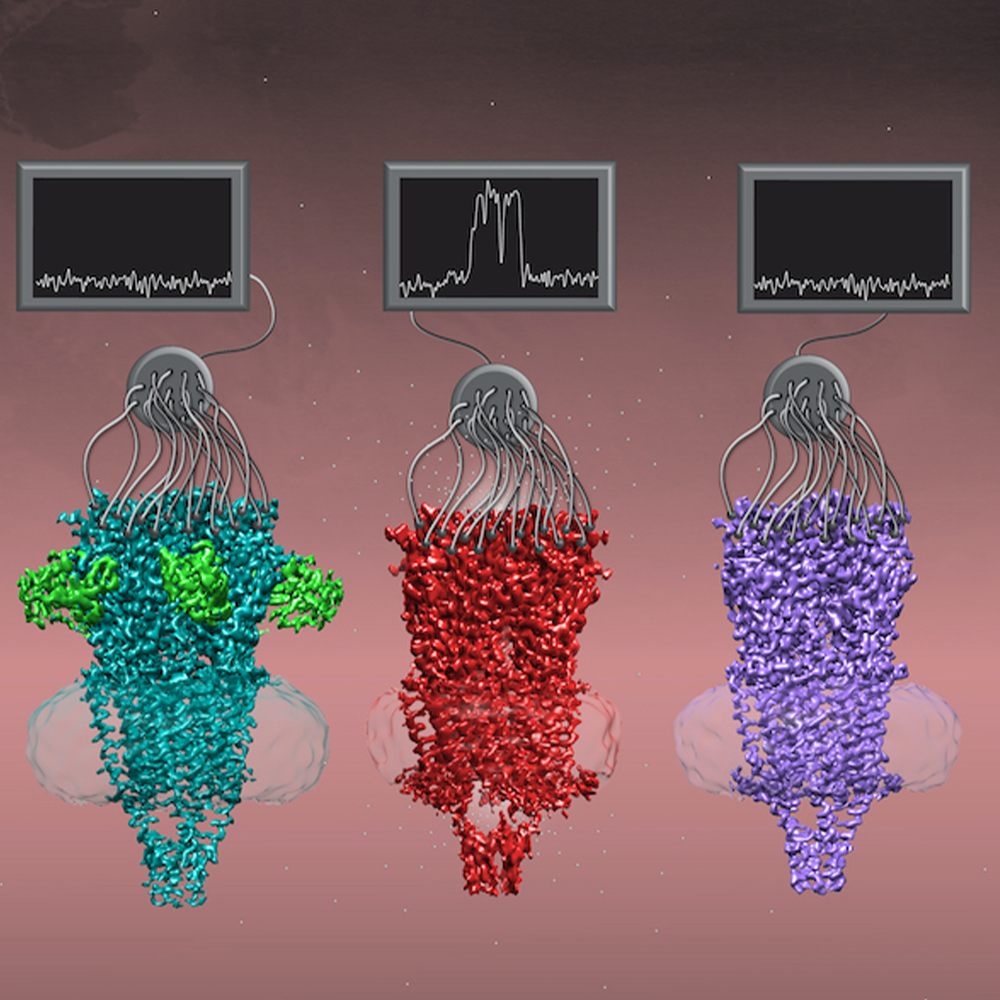
UT Southwestern researchers have identified the structure of a key member of a family of proteins called nicotinic acetylcholine receptors in three different shapes.
Bringing bad proteins back into the fold: Newsroom - UT Southwestern, Dallas, Texas
https://www.utsouthwestern.edu/newsroom/articles/year-2021/bringing-bad-proteins-back-into-the-fold.html
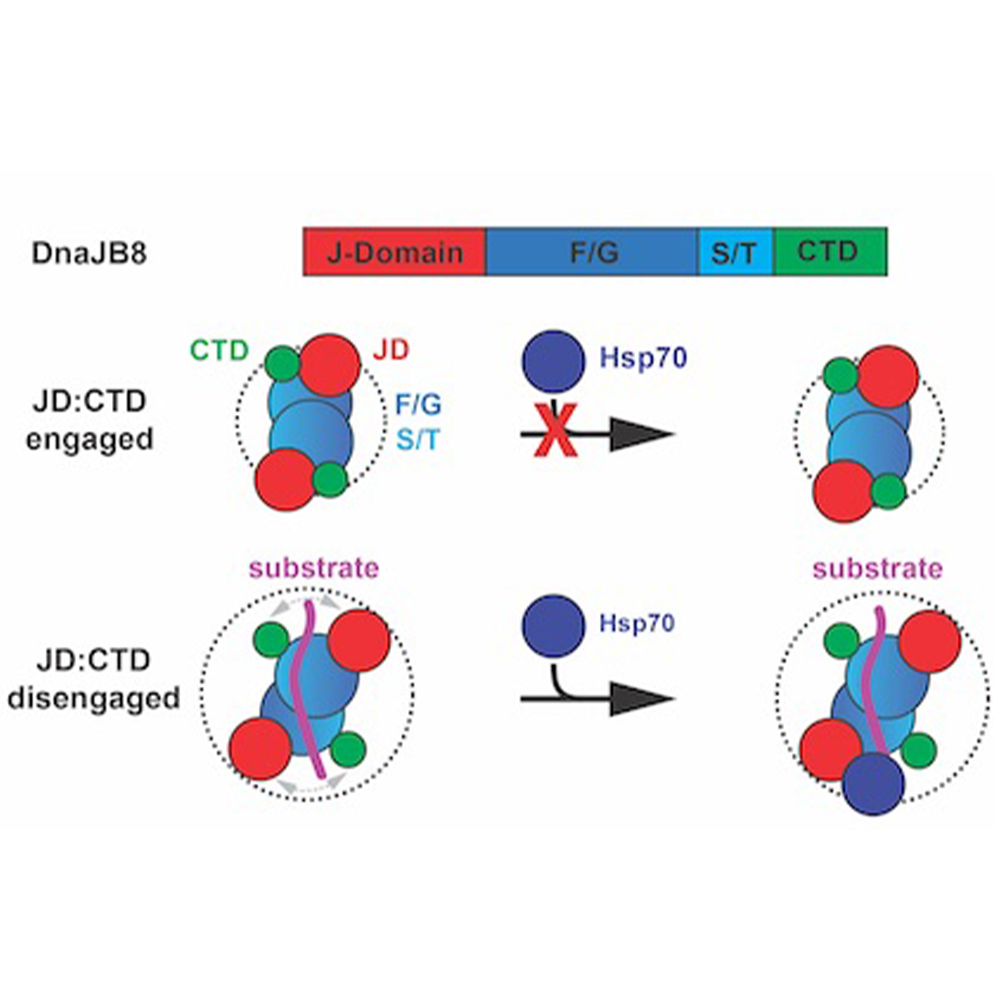
A new nanoparticle-based drug can boost the body’s innate immune system and make it more effective at fighting off tumors, researchers at UT Southwestern have shown.
Hope for children with bow hunter syndrome: Newsroom - UT Southwestern, Dallas, Texas
https://www.utsouthwestern.edu/newsroom/articles/year-2021/hope-for-children-with-bow-hunter-syndrome.html

Fusing the neck’s top two vertebrae can prevent repeat strokes in children with bow hunter syndrome, a rare condition that affects a handful of U.S. pediatric patients each year, UT Southwestern researchers suggest in a recent study.
Riding the wave to memory-forming genetics : Newsroom - UT Southwestern, Dallas, Texas
https://www.utsouthwestern.edu/newsroom/articles/year-2021/riding-the-wave-to-memory-forming-genetics.html
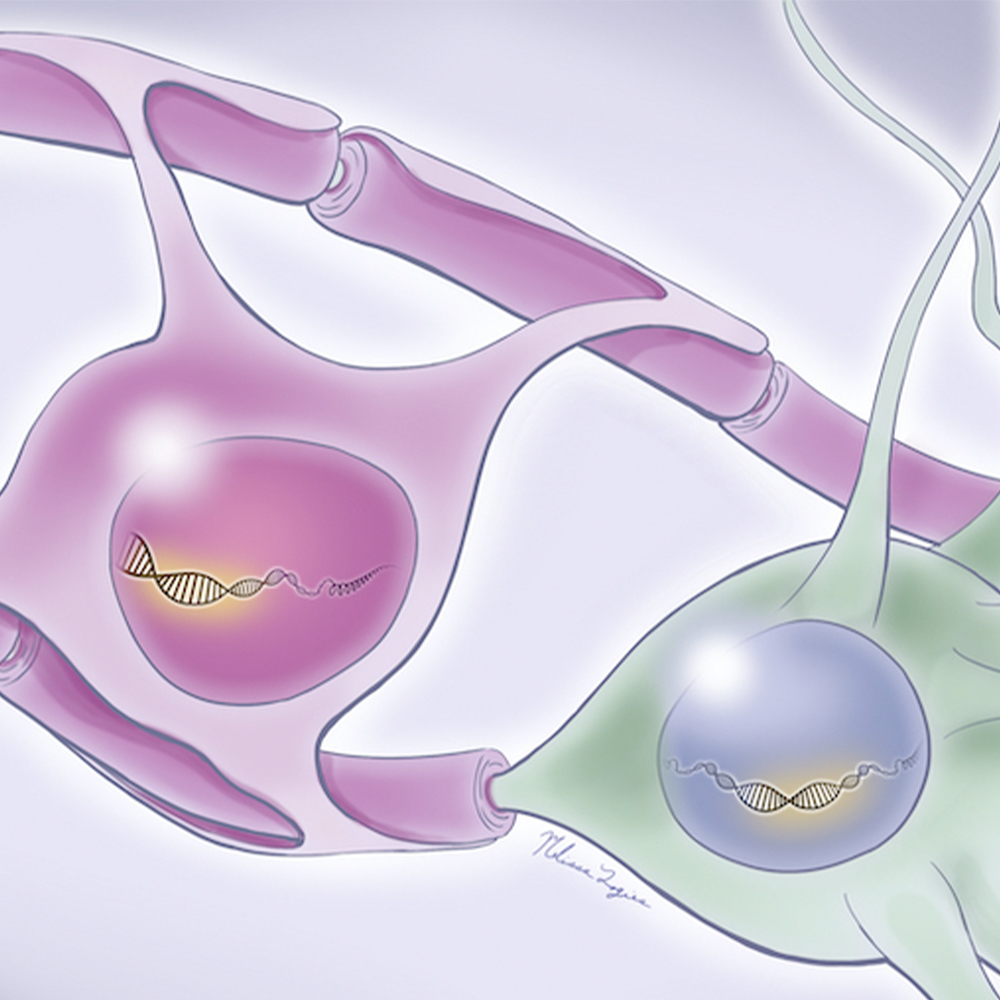
UT Southwestern scientists have identified key genes involved in brain waves that are pivotal for encoding memories.
Forming sound memories: Autism gene plays key aspect in birdsong: Newsroom - UT Southwestern, Dallas, Texas
https://www.utsouthwestern.edu/newsroom/articles/year-2021/autism-gene-plays-key-aspect-in-birdsong.html
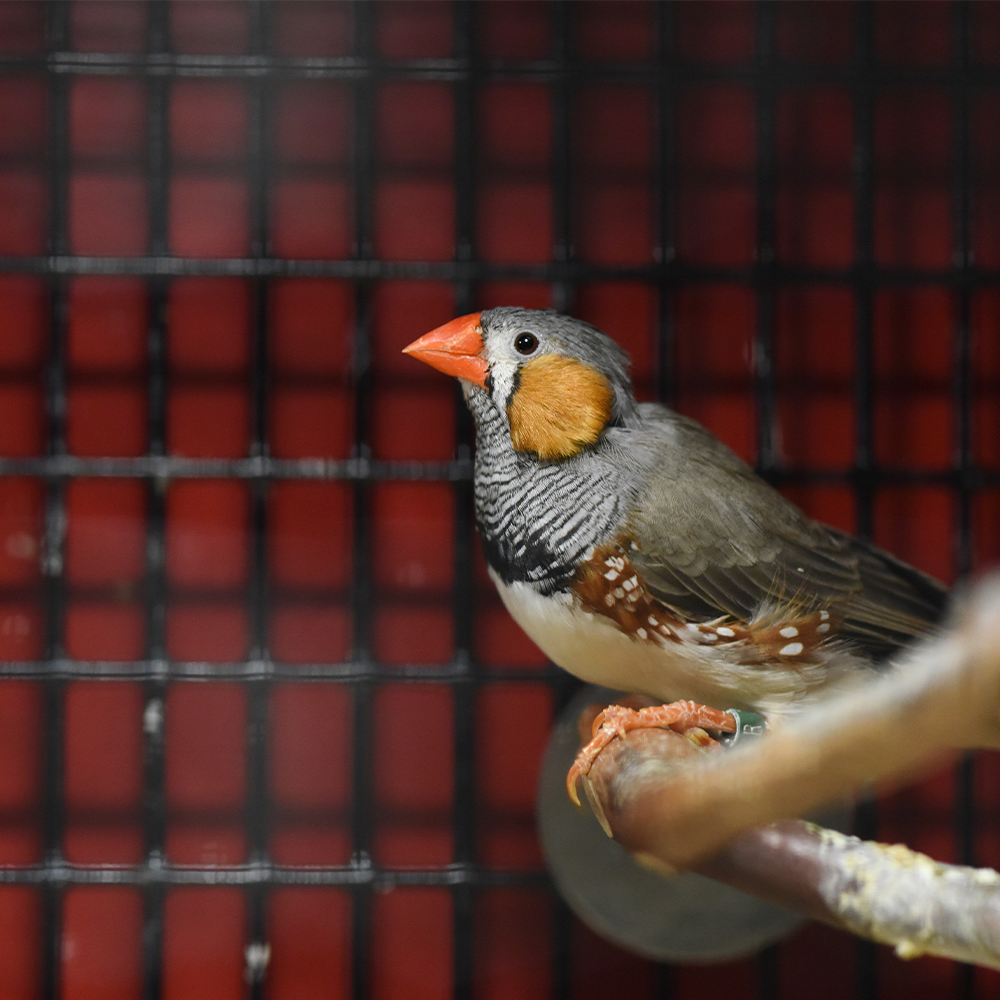
Inactivating a gene in young songbirds that’s closely linked with autism spectrum disorder (ASD) prevents the birds from forming memories necessary to accurately reproduce their fathers’ songs, a new study led by UT Southwestern shows.
State’s investment in cancer research has helped draw top talent to UTSW : Newsroom - UT Southwestern, Dallas, Texas
https://www.utsouthwestern.edu/newsroom/articles/year-2025/dec-cprit-recruitment-grants-cancer-research.html
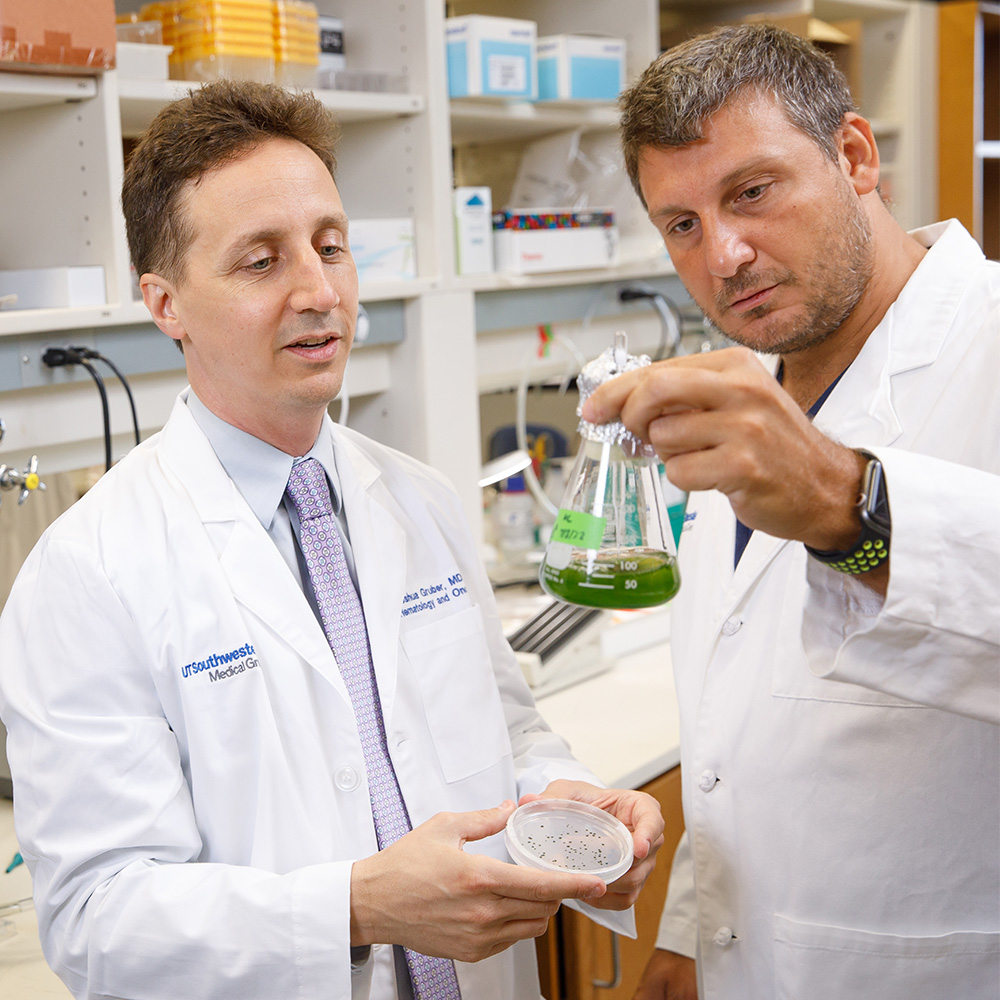
Early in his career, Ralf Kittler, Ph.D., attracted the attention of academic leaders at UT Southwestern Medical Center with his studies of DNA transcription factors and their role in tumor growth and suppression.
Renowned researcher joining UTSW is among recipients of up to $25 million Cancer Grand Challenges award: Newsroom - UT Southwestern, Dallas, Texas
https://www.utsouthwestern.edu/newsroom/articles/year-2026/march-cancer-grand-challenges-award.html
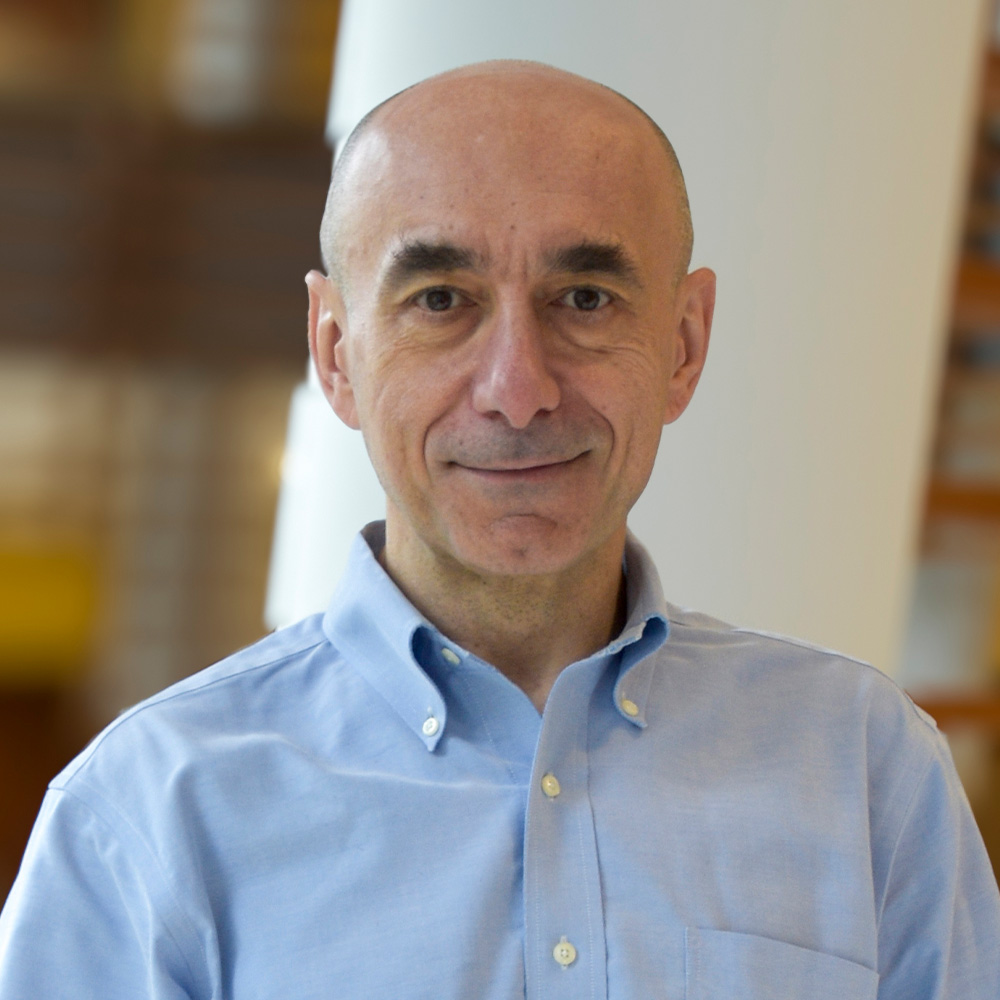
Jean-Laurent Casanova, M.D., Ph.D., an internationally recognized expert in the fields of genetics, immunology, and infectious diseases who will be joining UT Southwestern Medical Center on July 1, has been selected along with a global team of researchers to receive a Cancer Grand Challenges award of up to $25 million.
Southwestern Health Resources Accountable Care Network listed No. 1 in U.S. for Medicare savings for third straight year: Newsroom - UT Southwestern, Dallas, Texas
https://www.utsouthwestern.edu/newsroom/articles/year-2021/southwestern-health-resources-accountable-care-network.html

The Centers for Medicare & Medicaid Services (CMS) announced that the Southwestern Health Resources Accountable Care Network (SWHR) saved more than $52 million in 2019.