
Search
UT Southwestern scientists develop ‘self-driving’ microscope : Newsroom - UT Southwestern, Dallas, Texas
https://www.utsouthwestern.edu/newsroom/articles/year-2025/march-self-driving-microscope.html
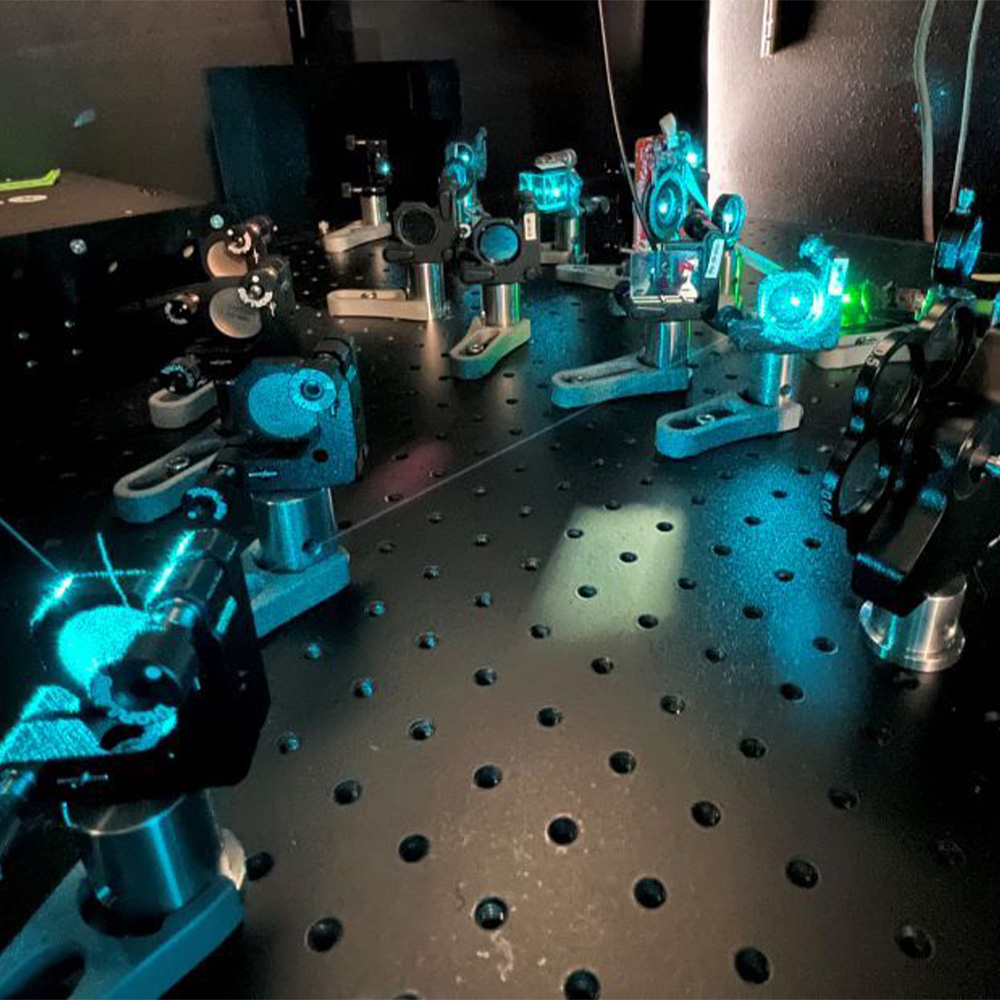
A new “self-driving” microscope developed by UT Southwestern Medical Center researchers solves two fundamental challenges that have long plagued microscopy: first, imaging living cells or organisms at dramatically different scales, and second, following a specific structure or area of interest over long periods of time. This innovation, detailed in Nature Methods, is already making observations that have not been possible with conventional methods.
Video helps defibrillator patients make informed choices : Newsroom - UT Southwestern, Dallas, Texas
https://www.utsouthwestern.edu/newsroom/articles/year-2025/feb-video-defibrillator-patients.html

A UT Southwestern Medical Center quality improvement team led a large-scale, multispecialty project in partnership with the Parkland Center of Innovation and Value to help patients with implantable cardioverter defibrillators (ICDs) better understand their devices and make choices about their care.
Upper urinary tract cancer drug may offer long-term benefits: Newsroom - UT Southwestern, Dallas, Texas
https://www.utsouthwestern.edu/newsroom/articles/year-2025/march-urinary-cancer-drug.html
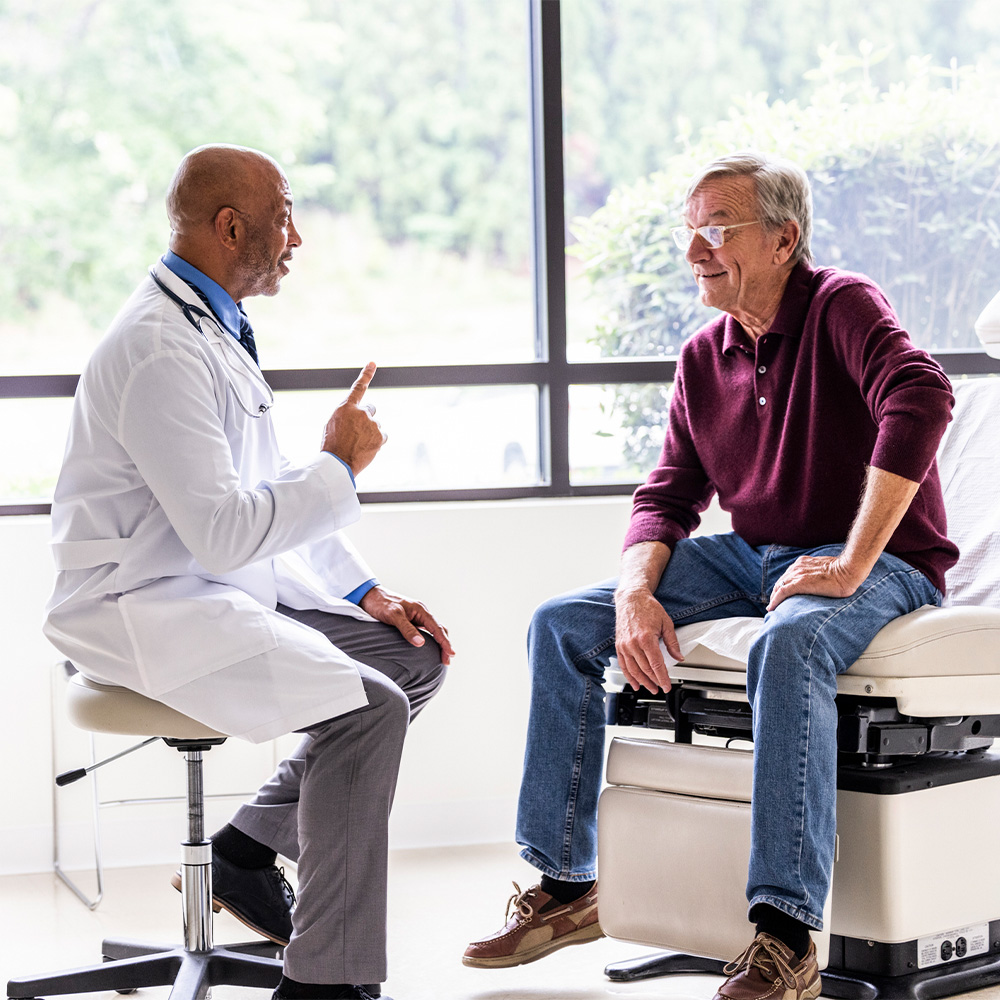
While randomized comparative trials are needed, a relatively new treatment option for upper urinary tract cancers shows promise for lowering long-term recurrence in many patients with low-grade disease, according to a multicenter study led by researchers at UT Southwestern Medical Center.
At UTSW, an innovative procedure offers new hope for amputees: Newsroom - UT Southwestern, Dallas, Texas
https://www.utsouthwestern.edu/newsroom/articles/year-2025/feb-innovative-procedure-amputees.html
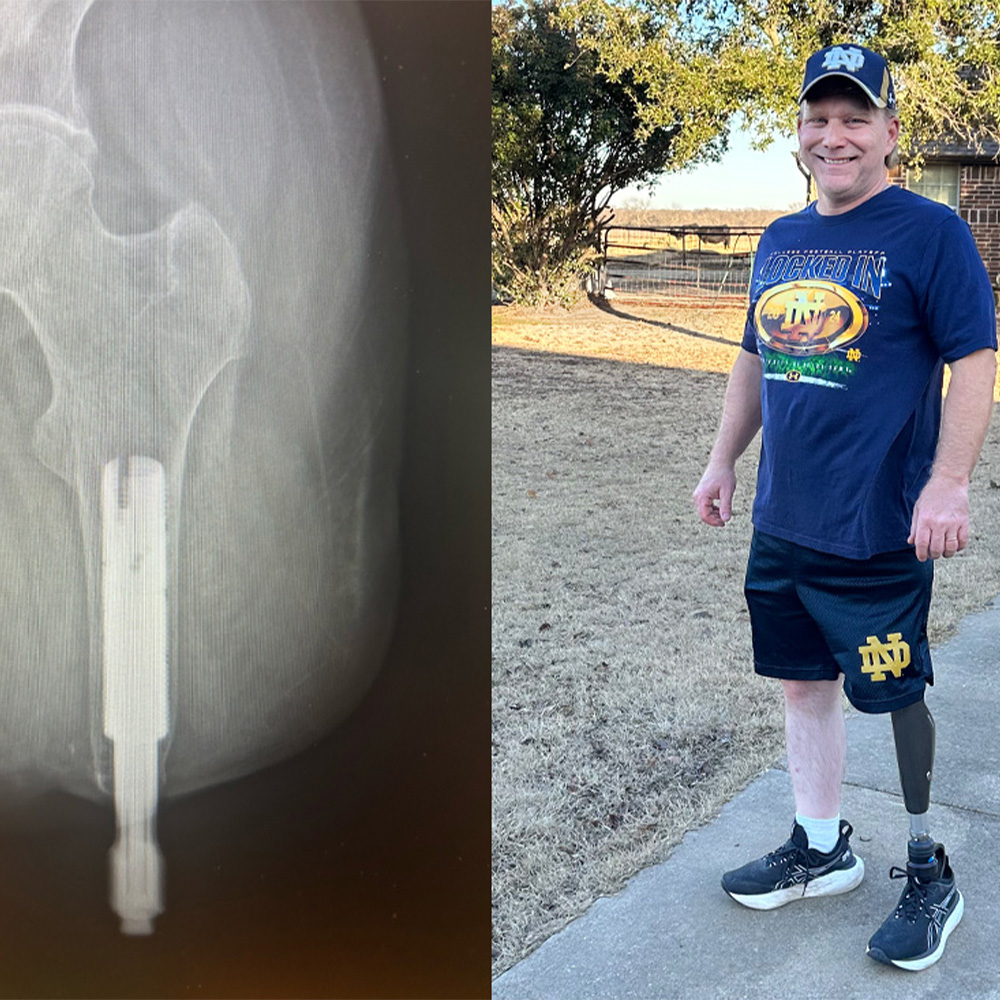
Complications after an amputation left Scott Bryson, a 50-year-old father of three, unable to walk. But in June 2023, he took his first steps in nearly a decade after receiving a revolutionary surgical procedure at UT Southwestern Medical Center.
AI chatbots are mostly correct, but incomplete, on endometriosis: Newsroom - UT Southwestern, Dallas, Texas
https://www.utsouthwestern.edu/newsroom/articles/year-2025/feb-ai-chatbots-endometriosis.html

Three of the leading chatbots can provide basic information about endometriosis, a painful gynecologic condition that affects as many as 1 in 10 women, but their responses are not as comprehensive as the guidance from health care providers, according to a study by UT Southwestern Medical Center researchers.
UTSW scientists identify cancer-suppressing genetic mutation: Newsroom - UT Southwestern, Dallas, Texas
https://www.utsouthwestern.edu/newsroom/articles/year-2024/dec-cancer-suppressing-gene.html
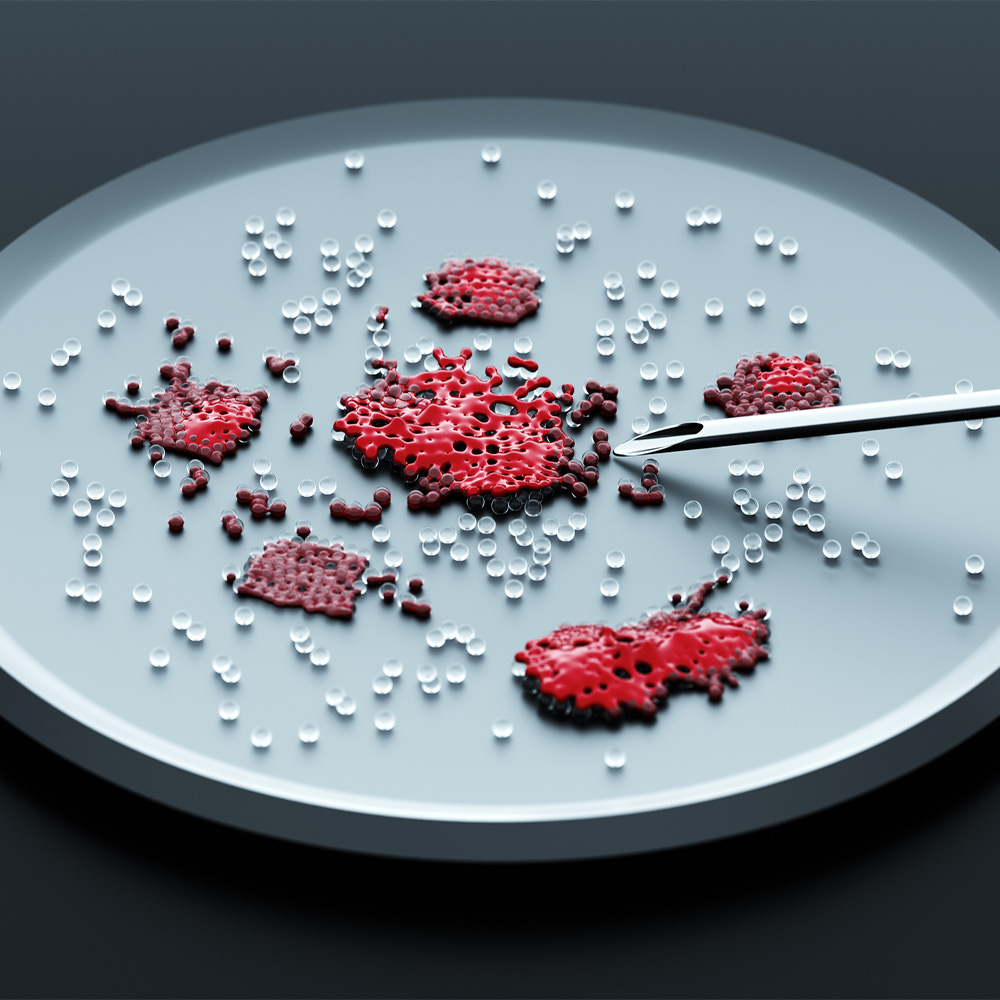
UT Southwestern Medical Center researchers identified a genetic mutation that slows the growth of melanoma and potentially other cancers by harnessing the power of the immune system. Their findings, published in the Journal of Experimental Medicine, could lead to new treatments that improve outcomes from existing cancer immunotherapies.
Autoimmune skin condition linked to higher risk of heart disease: Newsroom - UT Southwestern, Dallas, Texas
https://www.utsouthwestern.edu/newsroom/articles/year-2025/jan-autoimmune-skin-condition.html

Patients with cutaneous lupus erythematosus (CLE), an autoimmune disease that causes skin inflammation, have a higher risk for atherosclerotic cardiovascular disease (ASCVD), or hardening of the arteries, UT Southwestern Medical Center researchers found.
Experimental depression treatment preserves cognitive function: Newsroom - UT Southwestern, Dallas, Texas
https://www.utsouthwestern.edu/newsroom/articles/year-2025/jan-experimental-depression-treatment.html
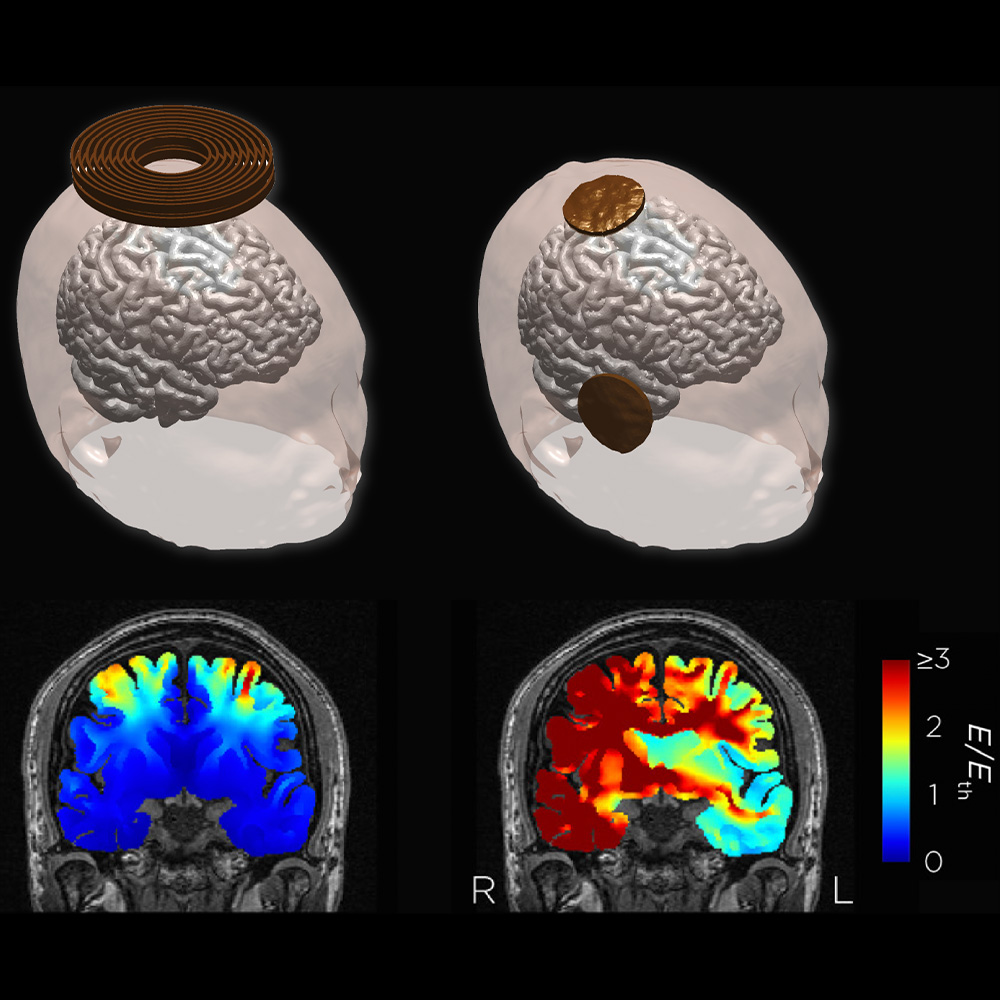
An experimental treatment for depression that triggers seizures with magnets significantly improved mental health in patients without some cognitive effects associated with electroconvulsive therapy (ECT), a clinical trial led by UT Southwestern Medical Center researchers showed.
Tool may identify more patients who could benefit from parathyroid surgery: Newsroom - UT Southwestern, Dallas, Texas
https://www.utsouthwestern.edu/newsroom/articles/year-2026/march-tool-parathyroid-surgery.html
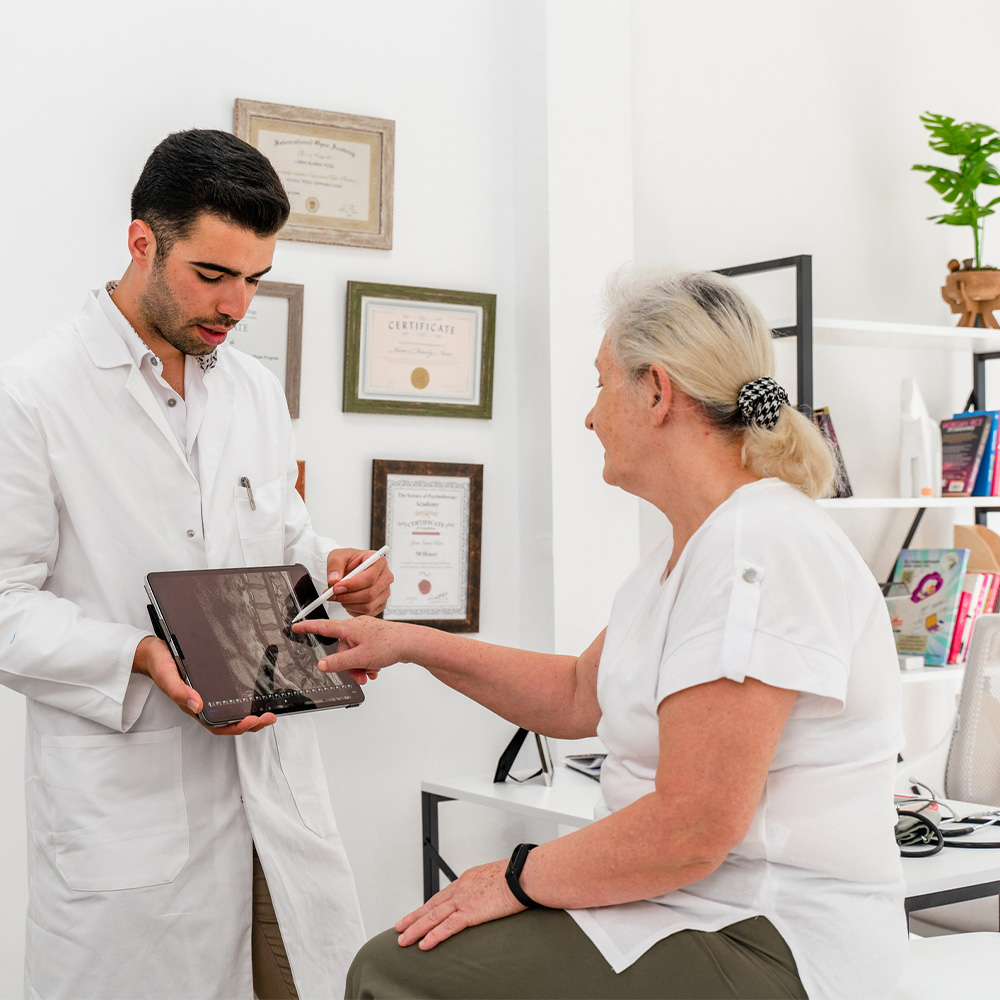
– A widely used fracture risk calculator may help guide surgical decisions to treat patients with an endocrine disorder called primary hyperparathyroidism (PHPT) that causes progressive bone loss, according to a study led by UT Southwestern Medical Center researchers.
Why do women have more trouble after knee injuries? UTSW model explains: Newsroom - UT Southwestern, Dallas, Texas
https://www.utsouthwestern.edu/newsroom/articles/year-2025/feb-women-knee-injuries.html
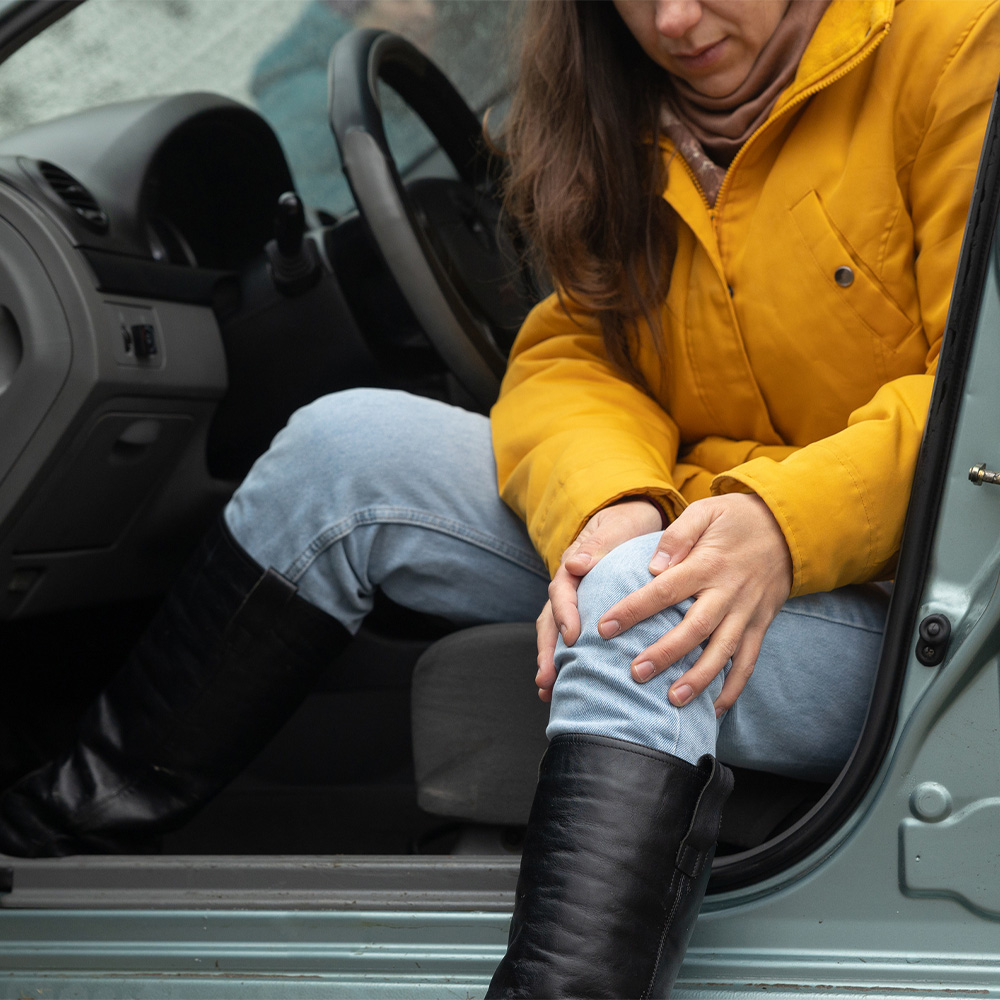
A computer model of the cellular environment inside the knee developed by UT Southwestern Medical Center researchers sheds light on why women tend to have worse outcomes after knee injuries than men. Their findings, published in Scientific Reports, could facilitate research into new therapies for knee inflammatory disorders and personalized treatments for patients with these conditions.