
Search
Advancing the study of T cells to improve immunotherapy: Newsroom - UT Southwestern, Dallas, Texas
https://www.utsouthwestern.edu/newsroom/articles/year-2021/t-cells-to-improve-immunotherapy.html
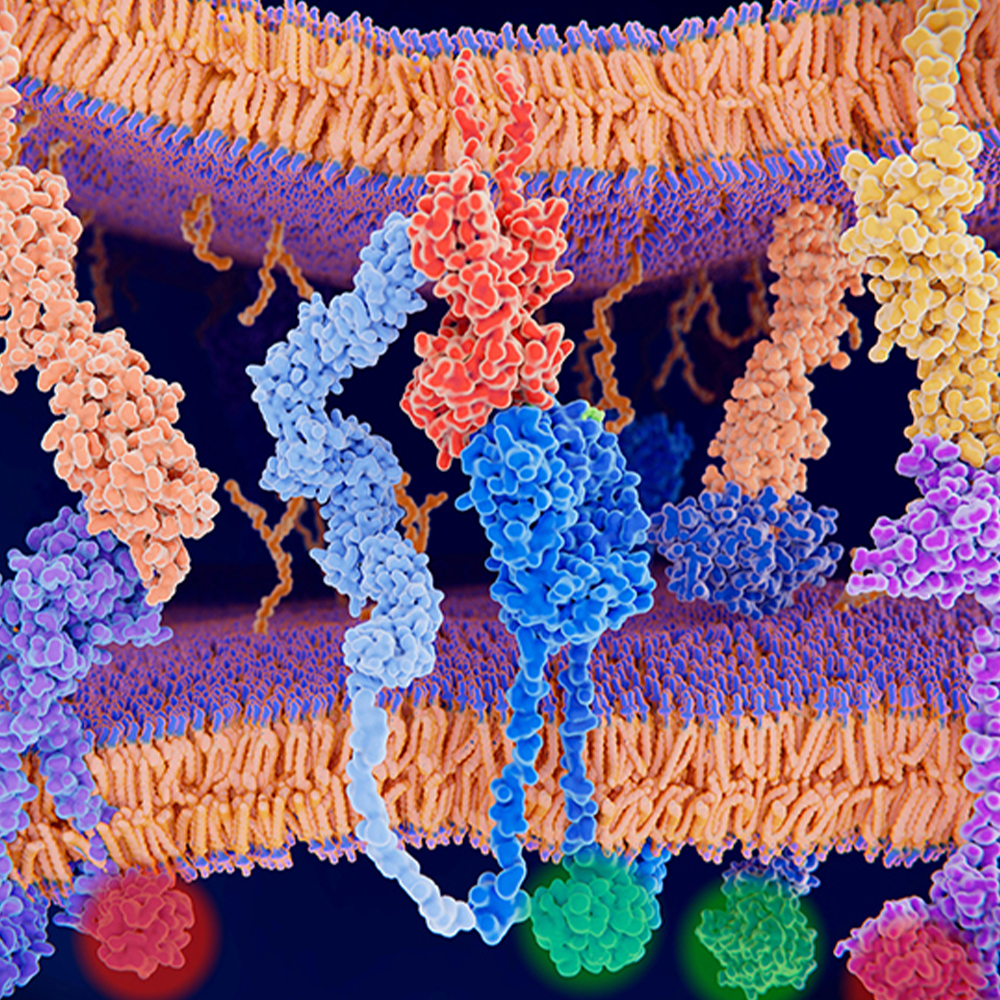
UT Southwestern scientists have developed a new method to study the molecular characteristics of T cells, critical immune cells that recognize and attack invaders in the body such as viruses, bacteria, and cancer.
Overweight and obese younger people at greater risk for severe COVID-19 : Newsroom - UT Southwestern, Dallas, Texas
https://www.utsouthwestern.edu/newsroom/articles/year-2020/overweight-and-obese-younger-people.html
Being younger doesn’t protect against the dangers of COVID-19 if you are overweight, according to a new study from UT Southwestern.
Digging deep for differences in Duchenne muscular dystrophy: Newsroom - UT Southwestern, Dallas, Texas
https://www.utsouthwestern.edu/newsroom/articles/year-2020/differences-in-duchenne-muscular-dystrophy.html

A UT Southwestern research team has catalogued gene activity in the skeletal muscle of mice, comparing healthy animals to those carrying a genetic mutation that causes Duchene muscular dystrophy (DMD) in humans.
Giving cells an appetite for viruses: Newsroom - UT Southwestern, Dallas, Texas
https://www.utsouthwestern.edu/newsroom/articles/year-2020/giving-cells-an-appetite-for-viruses.html
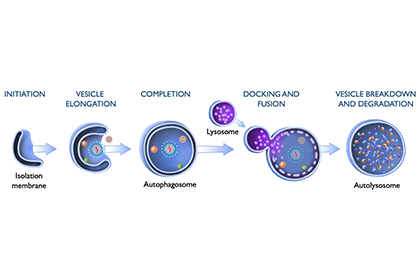
A team led by UT Southwestern researchers has identified a key gene necessary for cells to consume and destroy viruses. The findings, reported online today in Nature, could lead to ways to manipulate this process to improve the immune system’s ability to combat viral infections, such as those fueling the ongoing COVID-19 pandemic.
Newsroom Archive: 2026 - UT Southwestern, Dallas, Texas
https://www.utsouthwestern.edu/newsroom/articles/year-2026/
Stories published in 2026 about UT Southwestern Medical Center.
Scientists discover metabolite fueling aggressive brain tumor growth: Newsroom - UT Southwestern, Dallas, Texas
https://www.utsouthwestern.edu/newsroom/articles/year-2026/sept-aggressive-brain-tumor-growth.html
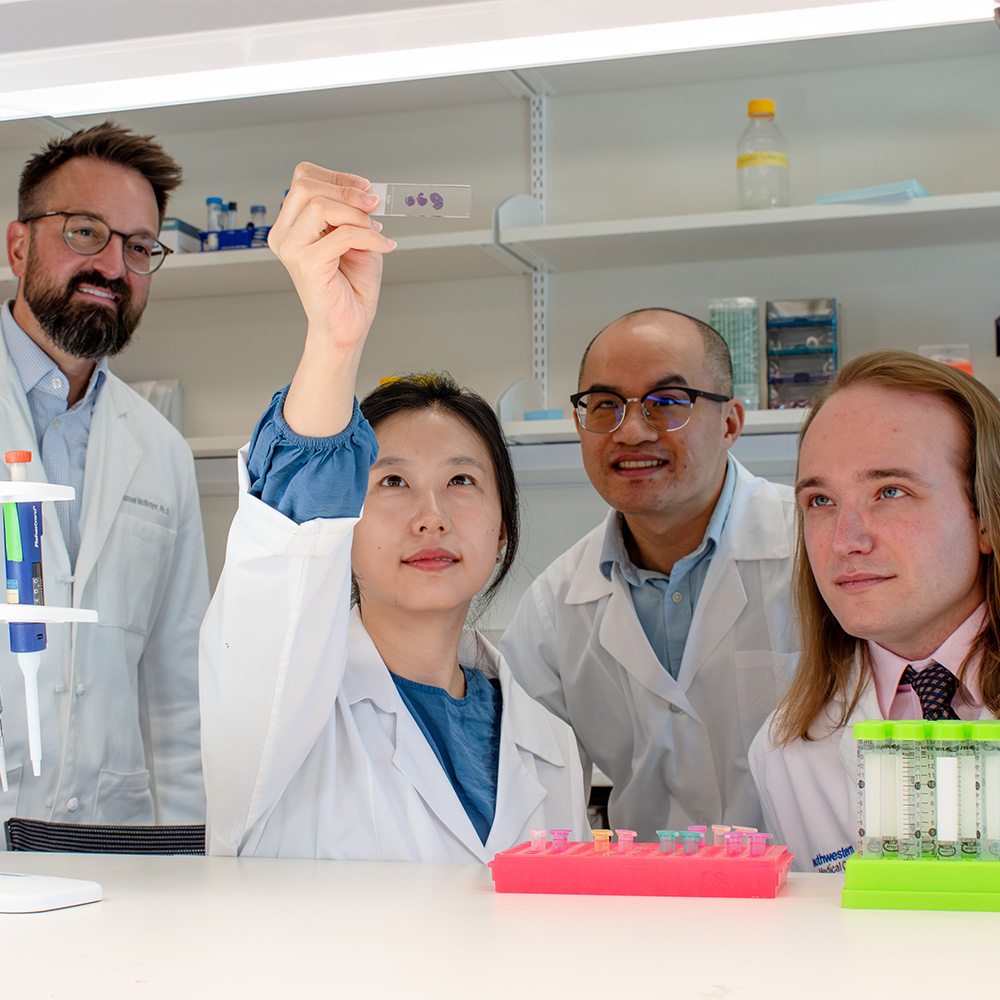
Virtually all high-grade, aggressive gliomas in adults accumulate massive amounts of a metabolite called guanidinoacetate (GAA) that overstimulates nearby neurons and promotes tumor growth, according to new research from scientists at Children’s Medical Center Research Institute at UT Southwestern (CRI) published today in Cell.
Metabolites produced by gut bacteria may protect against fungal infection: Newsroom - UT Southwestern, Dallas, Texas
https://www.utsouthwestern.edu/newsroom/articles/year-2026/july-fungal-infections.html
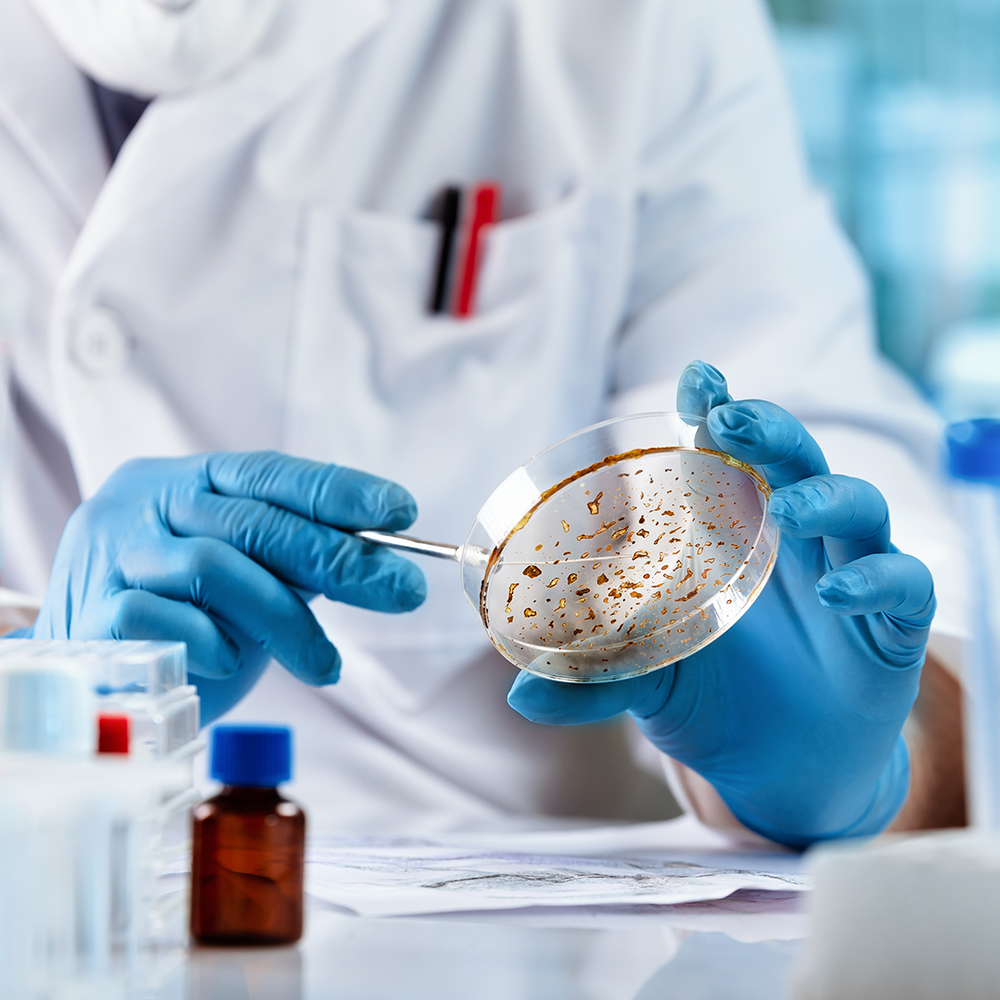
A metabolic byproduct formed when gut bacteria break down dietary fiber appears to protect against dangerous fungal infections common in immunocompromised patients, a study led by UT Southwestern Medical Center researchers shows.
Study challenges concerns over hospital readmission reduction practices: Newsroom - UT Southwestern, Dallas, Texas
https://www.utsouthwestern.edu/newsroom/articles/year-2020/hospital-readmission.html

A UT Southwestern study is challenging concerns that a federal health policy enacted in 2012 to reduce hospital readmissions leaves patients more vulnerable.
Study: Tuberculosis bacteria produce cough-triggering molecule: Newsroom - UT Southwestern, Dallas, Texas
https://www.utsouthwestern.edu/newsroom/articles/year-2020/tuberculosis-bacteria.html

The bacteria that cause the deadly lung disease tuberculosis appear to facilitate their own spread by producing a molecule that triggers cough.
Study finds 95 percent satisfaction rate with Mohs surgery: Newsroom - UT Southwestern, Dallas, Texas
https://www.utsouthwestern.edu/newsroom/articles/year-2020/mohs-surgery.html

Patients who received Mohs surgery to treat the most serious form of skin cancer, melanoma, reported a 95 percent long-term satisfaction rate with their results.