
Search
Two UT Southwestern scientists named Clarivate Citation Laureates : Newsroom - UT Southwestern, Dallas, Texas
https://www.utsouthwestern.edu/newsroom/articles/year-2025/sept-clarivate-citation-laureates.html
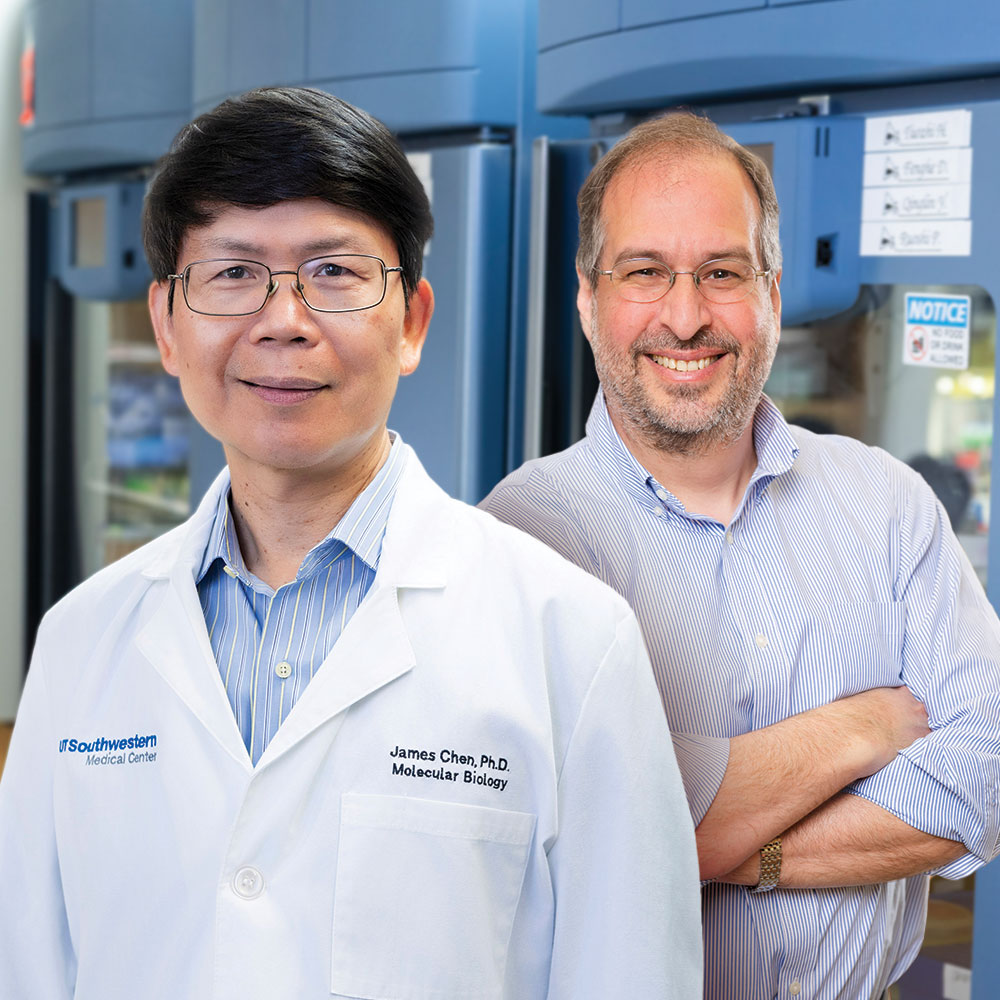
Two UT Southwestern Medical Center scientists – Zhijian “James” Chen, Ph.D., Professor of Molecular Biology and Director of the Center for Inflammation Research, and Michael Rosen, Ph.D., Chair and Professor of Biophysics – have been selected as 2025 Citation Laureates in recognition of work deemed by Clarivate to be of the highest impact.
Study sheds light on cilia’s function in cells, role in diseases : Newsroom - UT Southwestern, Dallas, Texas
https://www.utsouthwestern.edu/newsroom/articles/year-2025/july-light-on-cilias-function.html
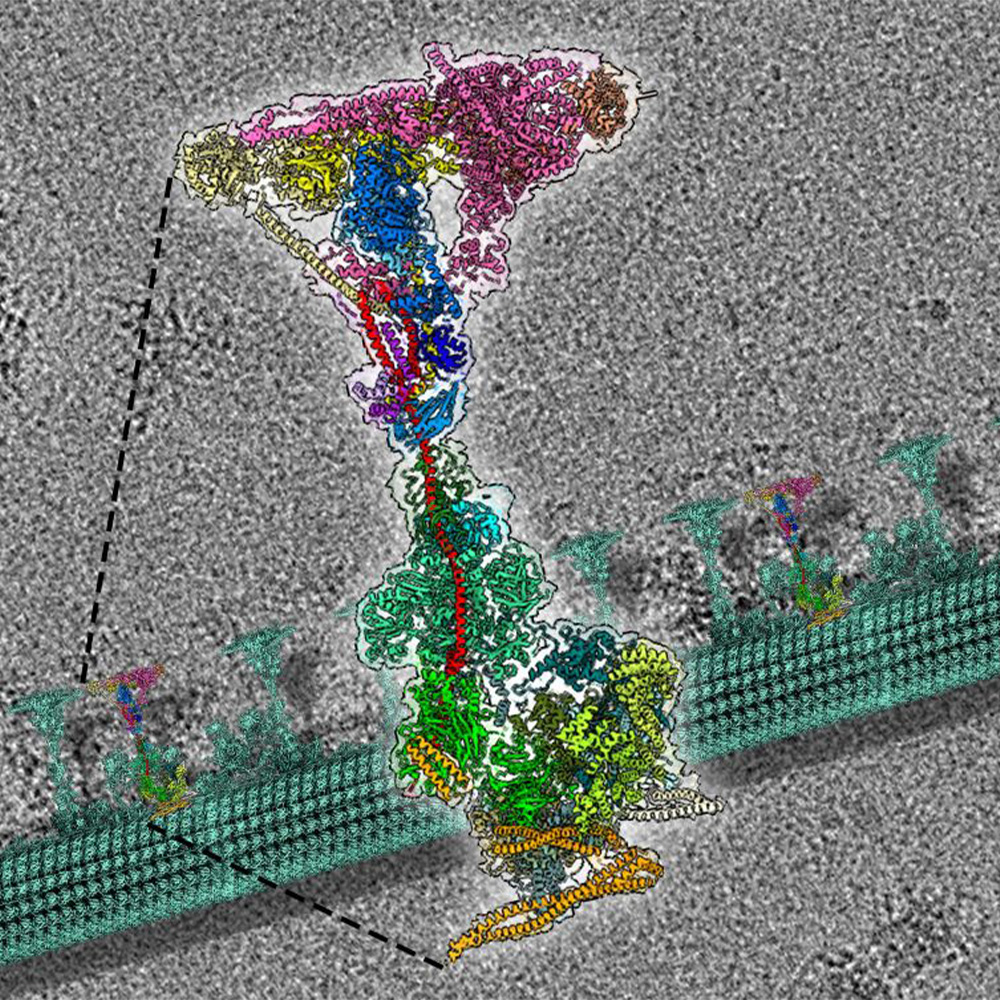
A team led by UT Southwestern Medical Center researchers has uncovered the atomic structure of a protein complex pivotal to the function of motile cilia, the hair-like structures extending from the surfaces of many cell types that generate their movement.
UTSW discovery opens door to novel strategies for hard-to-treat cancers : Newsroom - UT Southwestern, Dallas, Texas
https://www.utsouthwestern.edu/newsroom/articles/year-2025/oct-hard-to-treat-cancers.html
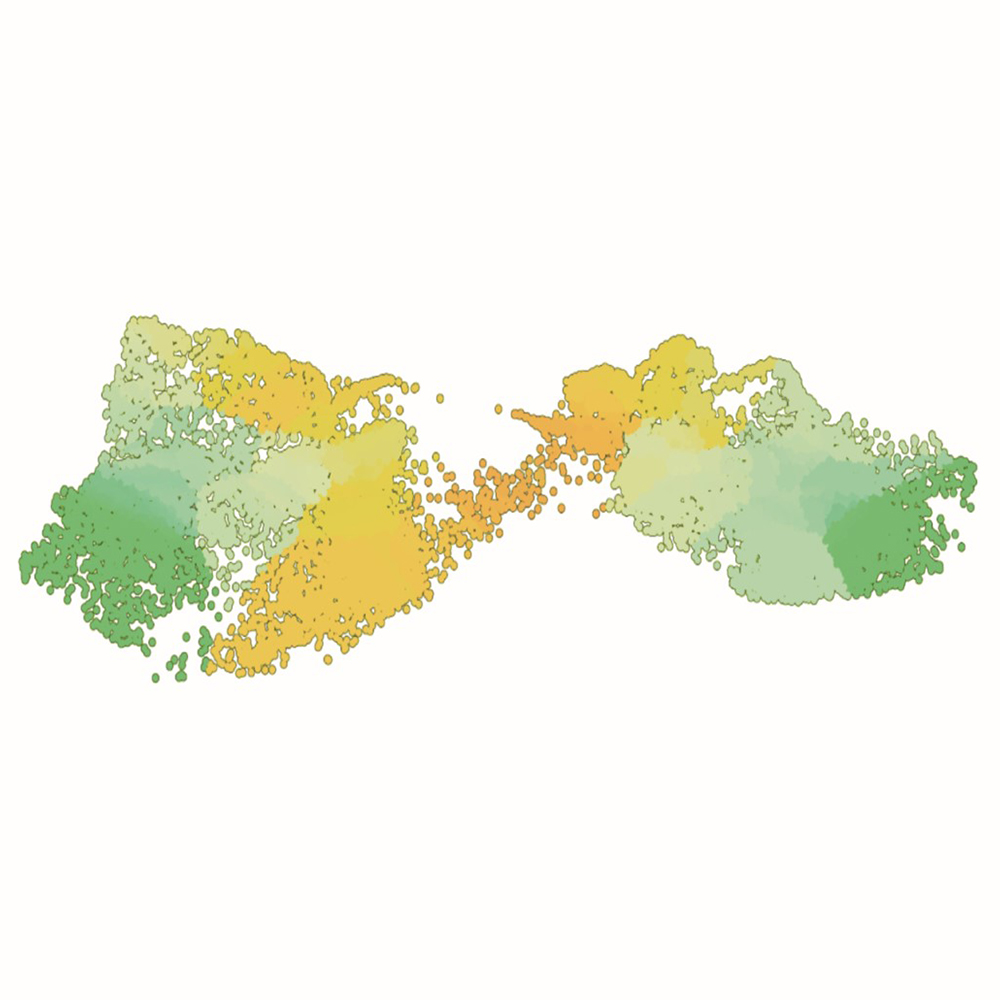
UT Southwestern Medical Center researchers have identified two distinct populations of cells known as antigen-presenting cancer-associated fibroblasts (apCAFs) that appear to support the survival and growth of malignant tumors. Their findings, reported in Cancer Cell, could one day lead to new therapies for notoriously hard-to-treat cancers, including pancreatic cancer and advanced colorectal cancer (CRC) that has spread throughout the abdomen, known as peritoneal metastasis.
UT Southwestern is best hospital in DFW for ninth straight year: Newsroom - UT Southwestern, Dallas, Texas
https://www.utsouthwestern.edu/newsroom/articles/year-2025/july-usnwr-best-hospital.html
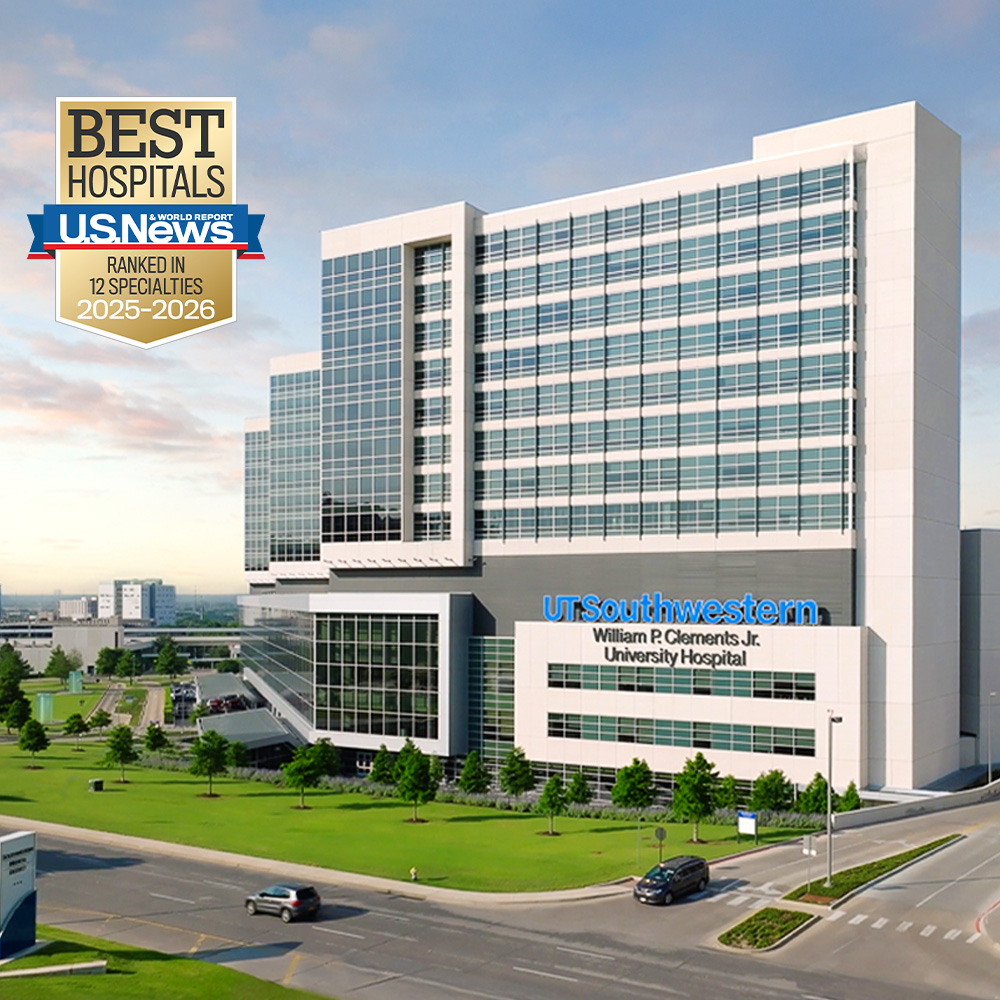
UT Southwestern Medical Center is the No. 1 hospital in Dallas-Fort Worth for the ninth consecutive year and ranks among the nation’s top hospitals for care in 12 specialties – the most of any hospital in Texas, according to U.S. News & World Report’s annual Best Hospitals list released today.
UTSW designated as North Texas Alzheimer’s Disease Research Center: Newsroom - UT Southwestern, Dallas, Texas
https://www.utsouthwestern.edu/newsroom/articles/year-2025/sept-north-texas-adrc.html
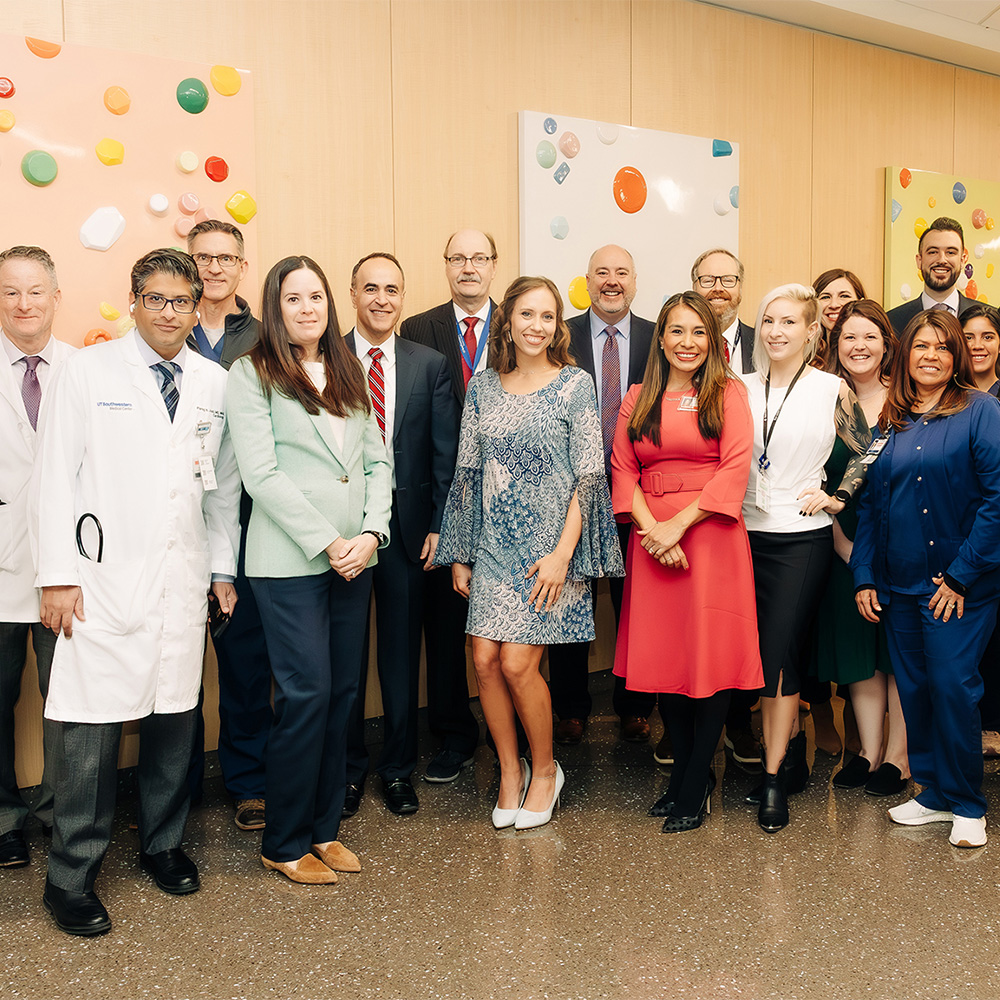
The National Institute on Aging (NIA), part of the National Institutes of Health, recently funded the North Texas Alzheimer’s Disease Research Center (ADRC) to be based at UT Southwestern Medical Center, in collaboration with UT Dallas and UT Arlington.
UTSW certified as a Comprehensive Cardiac Center: Newsroom - UT Southwestern, Dallas, Texas
https://www.utsouthwestern.edu/newsroom/articles/year-2025/may-utsw-certified-ccc.html
UT Southwestern Medical Center has earned The Joint Commission’s Gold Seal of Approval® as a UT that represents the highest standard in cardiovascular care.
8 tips for traveling over the holidays while pregnant : Newsroom - UT Southwestern, Dallas, Texas
https://www.utsouthwestern.edu/newsroom/articles/year-2023/dec-pregnancy-travel-tips.html

– Being pregnant during the holidays brings its own set of challenges whether you’re traveling to visit family and friends or just looking to get away.
UTSW-led studies are largest ever for stimulant use disorders: Newsroom - UT Southwestern, Dallas, Texas
https://www.utsouthwestern.edu/newsroom/articles/year-2023/dec-stimulant-use-disorders.html

UT Southwestern Medical Center is leading three multicenter clinical trials funded by the National Institute on Drug Abuse (NIDA) focused on potential treatments for methamphetamine or cocaine addiction.
Discovery fuels insights into early developmental disorders: Newsroom - UT Southwestern, Dallas, Texas
https://www.utsouthwestern.edu/newsroom/articles/year-2023/dec-early-developmental-disorders.html

A new study led by UT Southwestern Medical Center molecular biologists presents a novel culture system to grow both embryonic and extraembryonic stem cells, potentially providing important insights into the genesis of congenital malformations and early developmental disorders.
Genetic testing moving into the mainstream, UTSW study finds: Newsroom - UT Southwestern, Dallas, Texas
https://www.utsouthwestern.edu/newsroom/articles/year-2024/dec-genetic-testing-mainstream.html
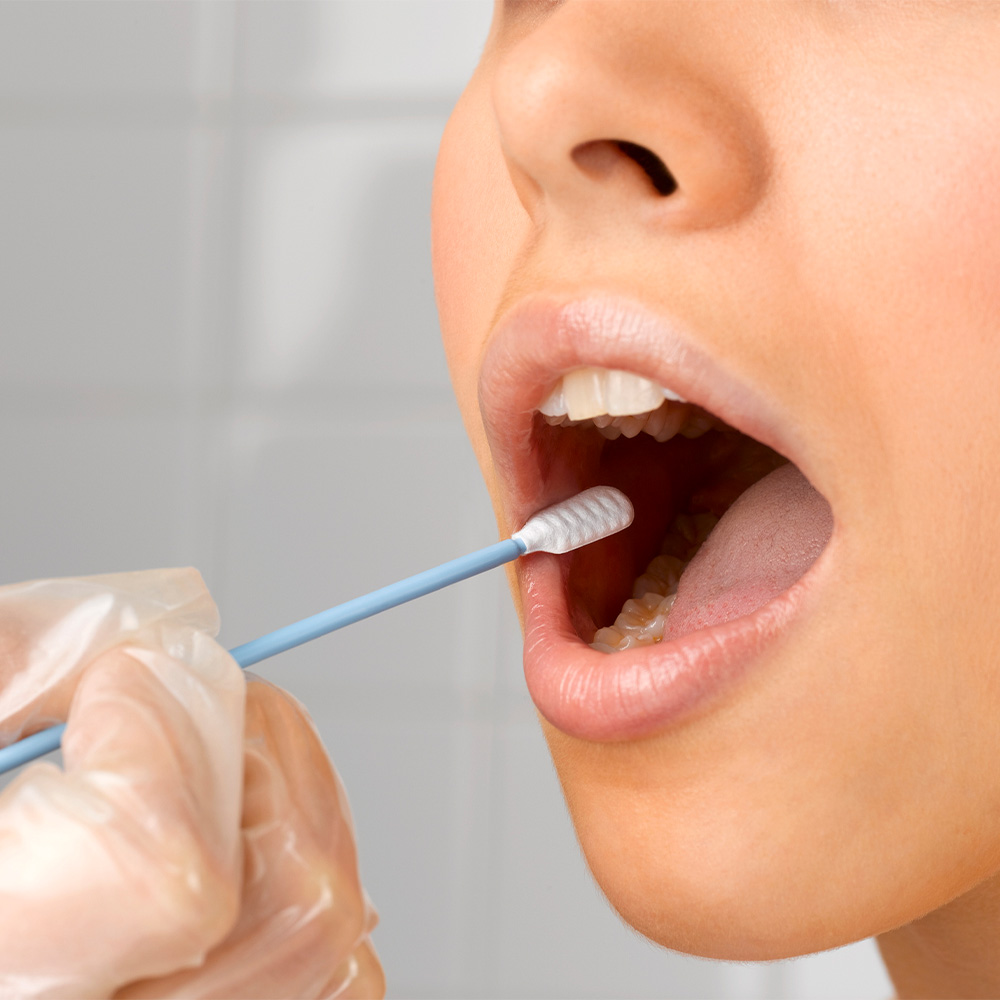
Genetic testing, which has expanded in recent years with advances in technology and the development of consumer products, is on a path to widespread acceptance in the U.S., researchers at UT Southwestern Medical Center found.