
Search
UT Southwestern nephrologist addresses National Kidney Foundation: Newsroom - UT Southwestern, Dallas, Texas
https://www.utsouthwestern.edu/newsroom/articles/year-2023/april-national-kidney-foundation.html
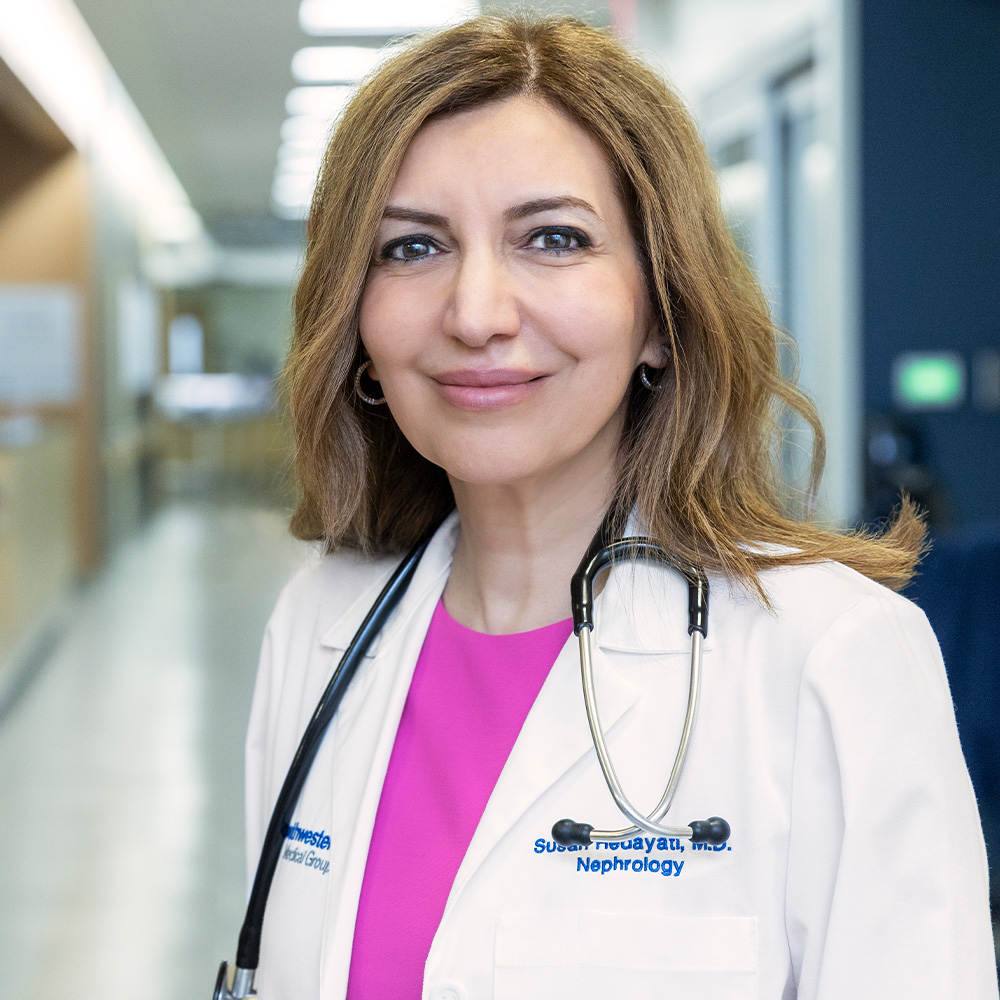
Susan Hedayati, M.D., Director of Clinical and Population Health Research in Nephrology at UT Southwestern Medical Center, has spent a career investigating the links between kidney disease and depression, working to improve data gathering from electronic records, and developing methods to improve care from a patient-centric perspective for the 37 million people managing chronic kidney disease (CKD) in the U.S.
Skin conditions may indicate more serious rheumatic disease, UT Southwestern physician says: Newsroom - UT Southwestern, Dallas, Texas
https://www.utsouthwestern.edu/newsroom/articles/year-2023/april-serious-rheumatic-disease.html
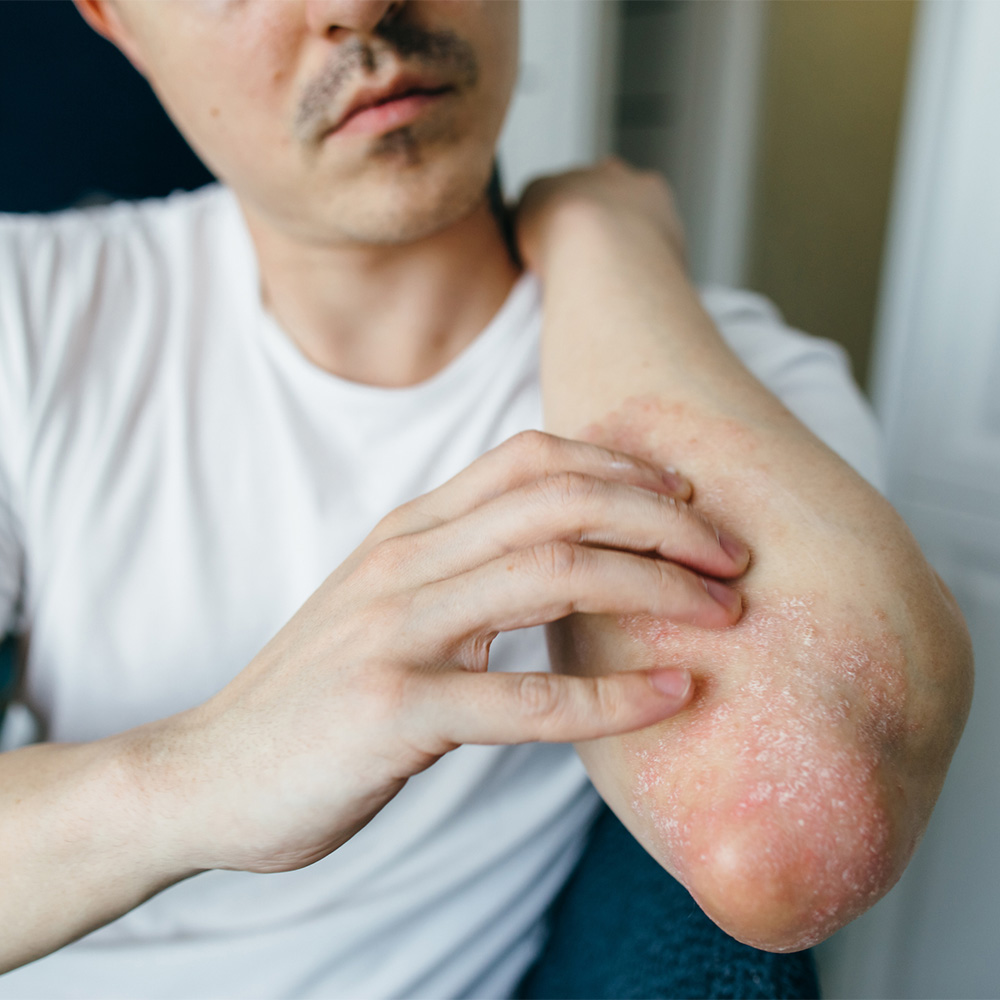
While rheumatic diseases typically affect the joints, muscles, or ligaments, the first signs of a problem may appear on the skin. A UT Southwestern physician who specializes in rheumatology says it’s essential to know what to look for.
UTSW rheumatologist says regular exercise is key to treating osteoarthritis: Newsroom - UT Southwestern, Dallas, Texas
https://www.utsouthwestern.edu/newsroom/articles/year-2023/may-rheumatologist-treating-osteoarthritis.html

If it hurts when you grip a cup of coffee, get up from the chair, or climb the stairs, you may have osteoarthritis, one of the most common types of arthritis. And though your achy joints seem to be telling you to take it easy, that’s exactly what you should not be doing.
Reestablish consistent sleep patterns to adjust to daylight saving time: Newsroom - UT Southwestern, Dallas, Texas
https://www.utsouthwestern.edu/newsroom/articles/year-2023/march-daylight-saving-time.html

If you’re feeling tired this coming week, don’t be surprised. Moving our clocks ahead one hour to shift into daylight saving time (which occurs at 2 a.m. Sunday) disrupts the body’s biological clock, affecting sleep patterns and how we function, according to a UT Southwestern Medical Center neuroscientist who researches circadian rhythms.
Sickle cell patients face higher risks in joint reconstruction surgeries: Newsroom - UT Southwestern, Dallas, Texas
https://www.utsouthwestern.edu/newsroom/articles/year-2023/april-joint-reconstruction-surgeries.html

Patients with sickle cell disease (SCD) who undergo total knee replacement are at higher risk for complications than non-SCD patients, according to a large-scale, retrospective study by researchers from UT Southwestern Medical Center and the University of Calgary.
Study maps brain wave disruptions affecting memory recall: Newsroom - UT Southwestern, Dallas, Texas
https://www.utsouthwestern.edu/newsroom/articles/year-2023/oct-brain-wave-disruptions.html
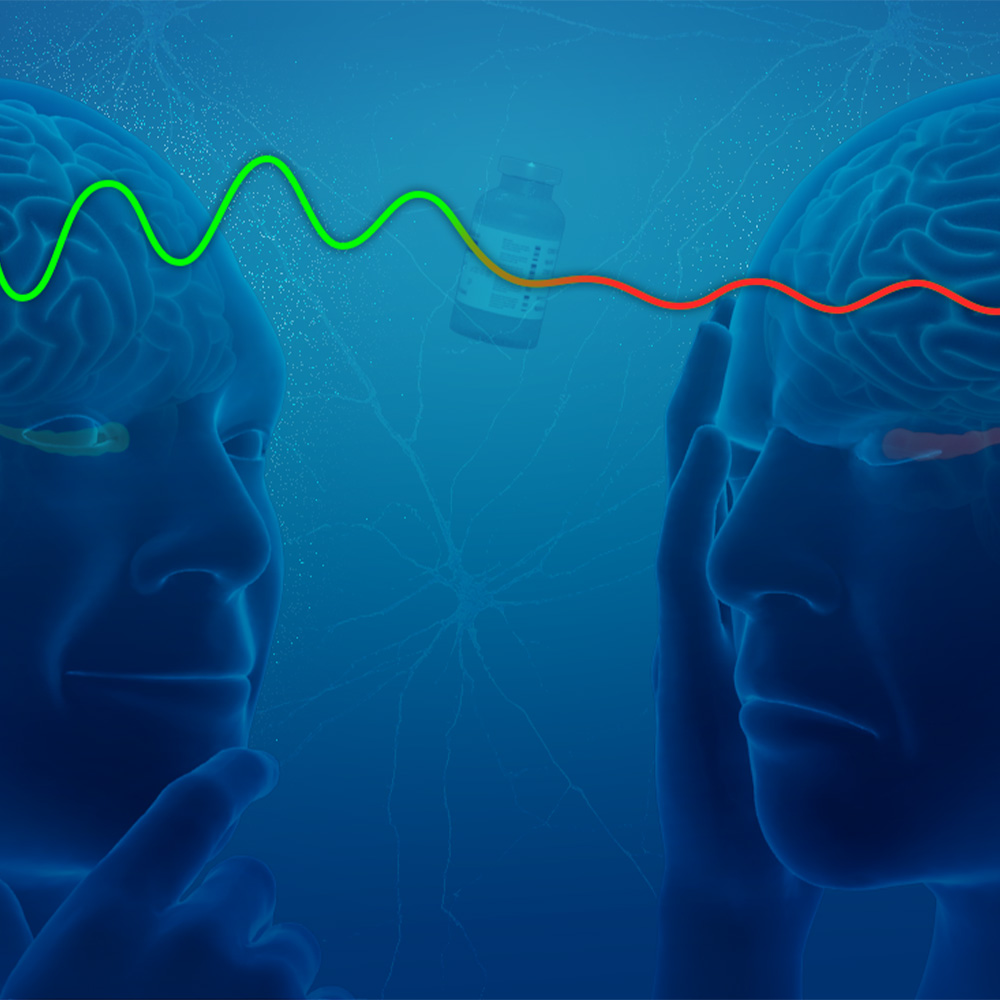
– The brain circuitry that is disrupted in Alzheimer’s disease appears to influence memory through a type of brain wave known as theta oscillation, a team led by UT Southwestern Medical Center researchers report.
UT Southwestern scientists discover agent that reverses effects of intoxication : Newsroom - UT Southwestern, Dallas, Texas
https://www.utsouthwestern.edu/newsroom/articles/year-2023/march-reverses-effects-of-intoxication.html

A shot of a liver-produced hormone called FGF21 sobered up mice that had passed out from alcohol, allowing them to regain consciousness and coordination much faster than those that didn’t receive this treatment, UT Southwestern researchers report in a new study.
UT Southwestern Medical Center announces the Beth Levine, M.D. Prize in Autophagy Research: Newsroom - UT Southwestern, Dallas, Texas
https://www.utsouthwestern.edu/newsroom/articles/year-2023/march-beth-levine-prize.html
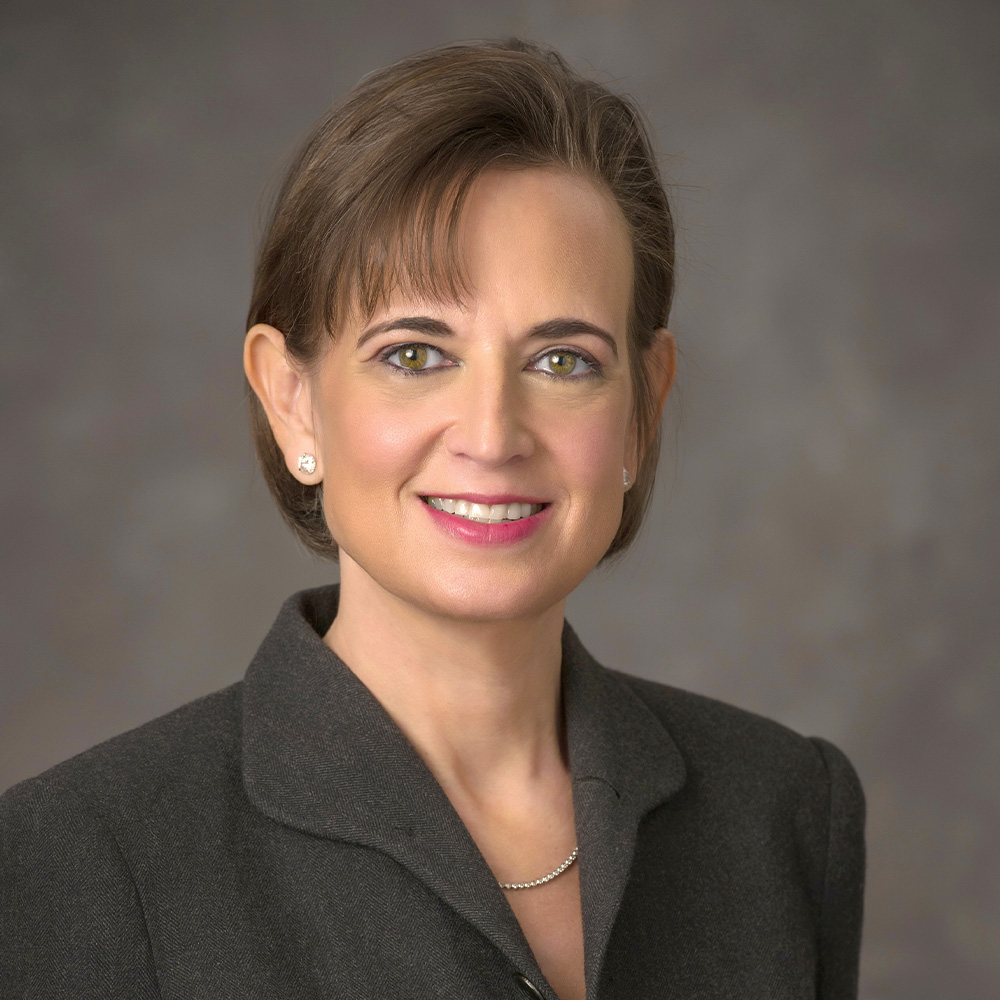
UT Southwestern Medical Center has established the Beth Levine, M.D. Prize in Autophagy Research, an annual award and lecture for exceptional scientists who have made significant contributions to the field of autophagy.
UTSW expanding mental health program for teens throughout Texas: Newsroom - UT Southwestern, Dallas, Texas
https://www.utsouthwestern.edu/newsroom/articles/year-2022/december-mental-health-program.html

UT Southwestern Medical Center is expanding an evidence-based mental health promotion and crisis prevention program for adolescents to schools across Texas after receiving $11.5 million in funding from the state.
UT Southwestern researchers discover gene regulation mechanism: Newsroom - UT Southwestern, Dallas, Texas
https://www.utsouthwestern.edu/newsroom/articles/year-2023/february-gene-regulation-mechanism.html

UT Southwestern Medical Center researchers have discovered a method cells use to turn genes on and off that involves portions of proteins whose function has long been a mystery.