
Search
New options at Dallas food pantry boost food security: Newsroom - UT Southwestern, Dallas, Texas
https://www.utsouthwestern.edu/newsroom/articles/year-2024/feb-dallas-food-pantry.html
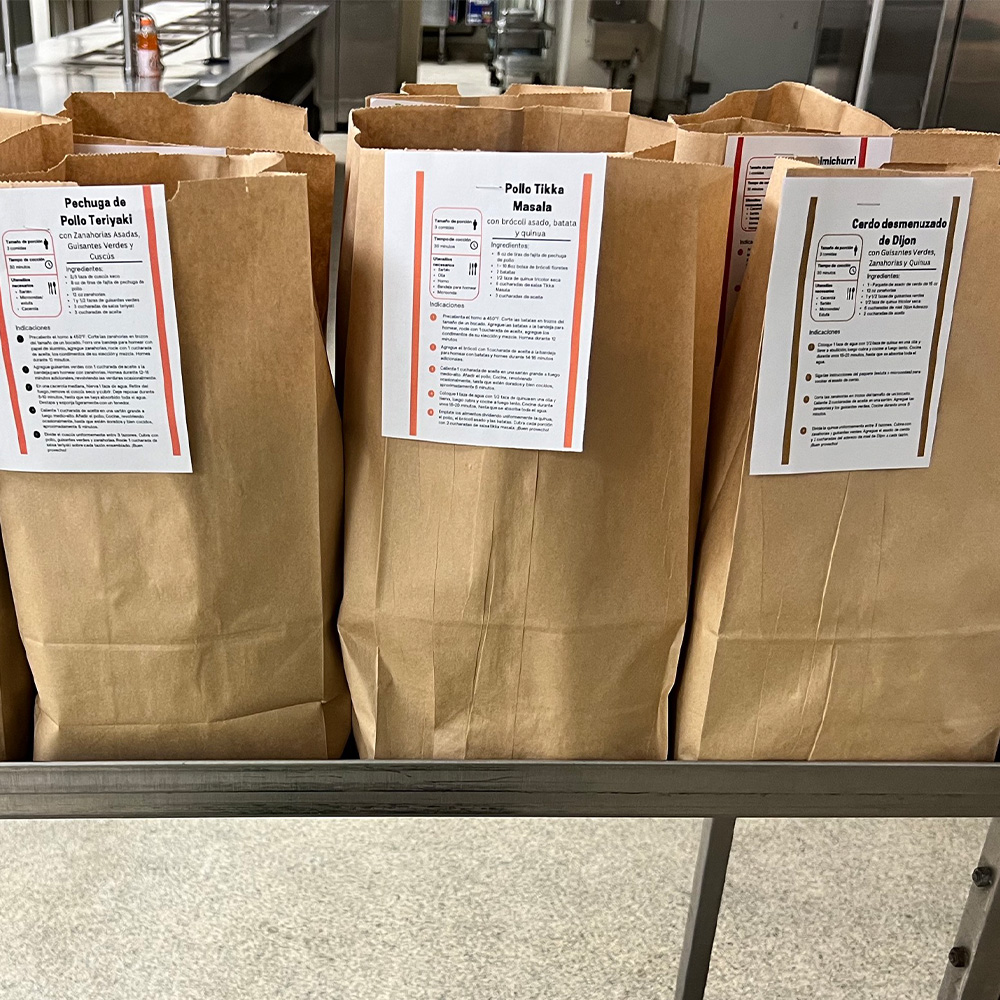
Nutritious meal kits and no-prep meals improved food security and perceived dietary quality among clients of a Dallas food pantry, according to a pilot study led by UT Southwestern Medical Center.
Electroconvulsive therapy or ketamine? Clinical factors affect outcomes: Newsroom - UT Southwestern, Dallas, Texas
https://www.utsouthwestern.edu/newsroom/articles/year-2024/june-electroconvulsive-therapy-ketamine.html
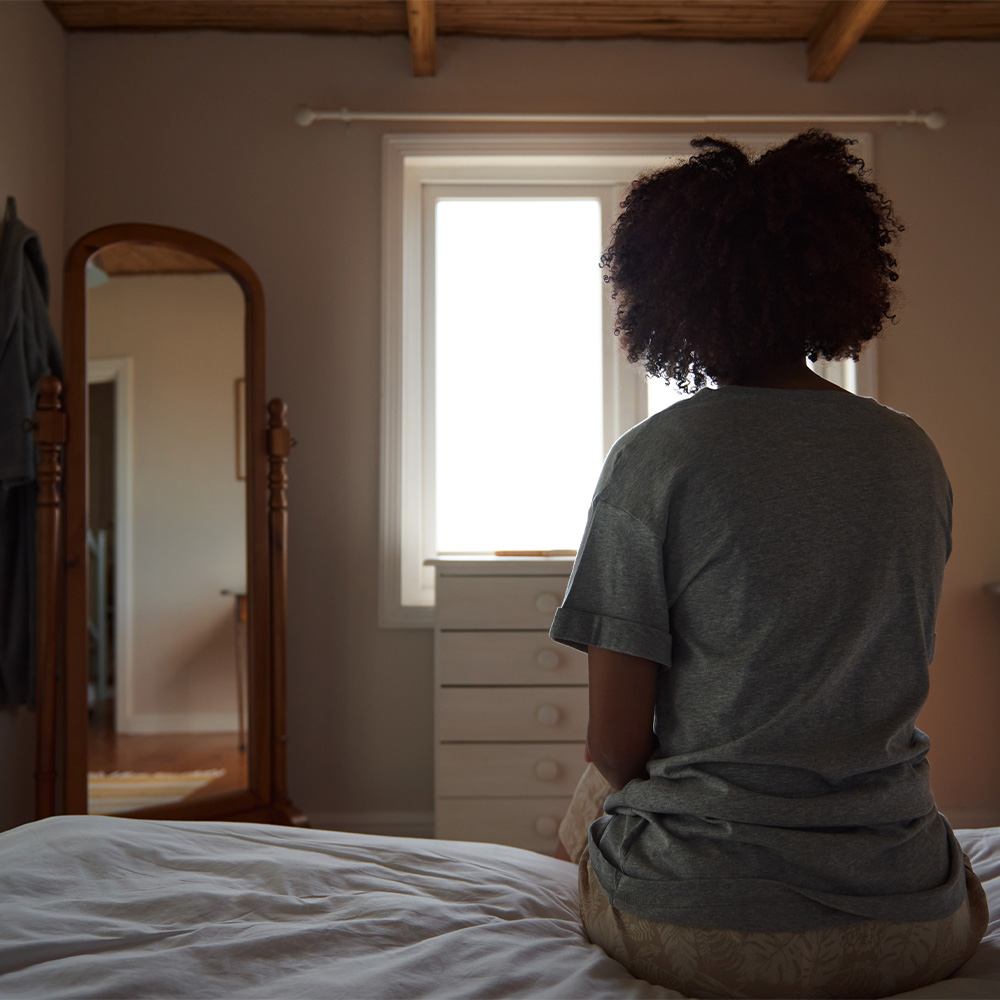
Patients with moderate to severe treatment-resistant depression (TRD) might have better symptom relief from ketamine infusions than from electroconvulsive therapy (ECT), but those with severe TRD could benefit more from ECT early in treatment, an analysis led by a UT Southwestern Medical Center researcher shows.
Gene-editing nanoparticles correct stem cell mutations in cystic fibrosis models : Newsroom - UT Southwestern, Dallas, Texas
https://www.utsouthwestern.edu/newsroom/articles/year-2024/june-gene-editing-nanoparticles.html
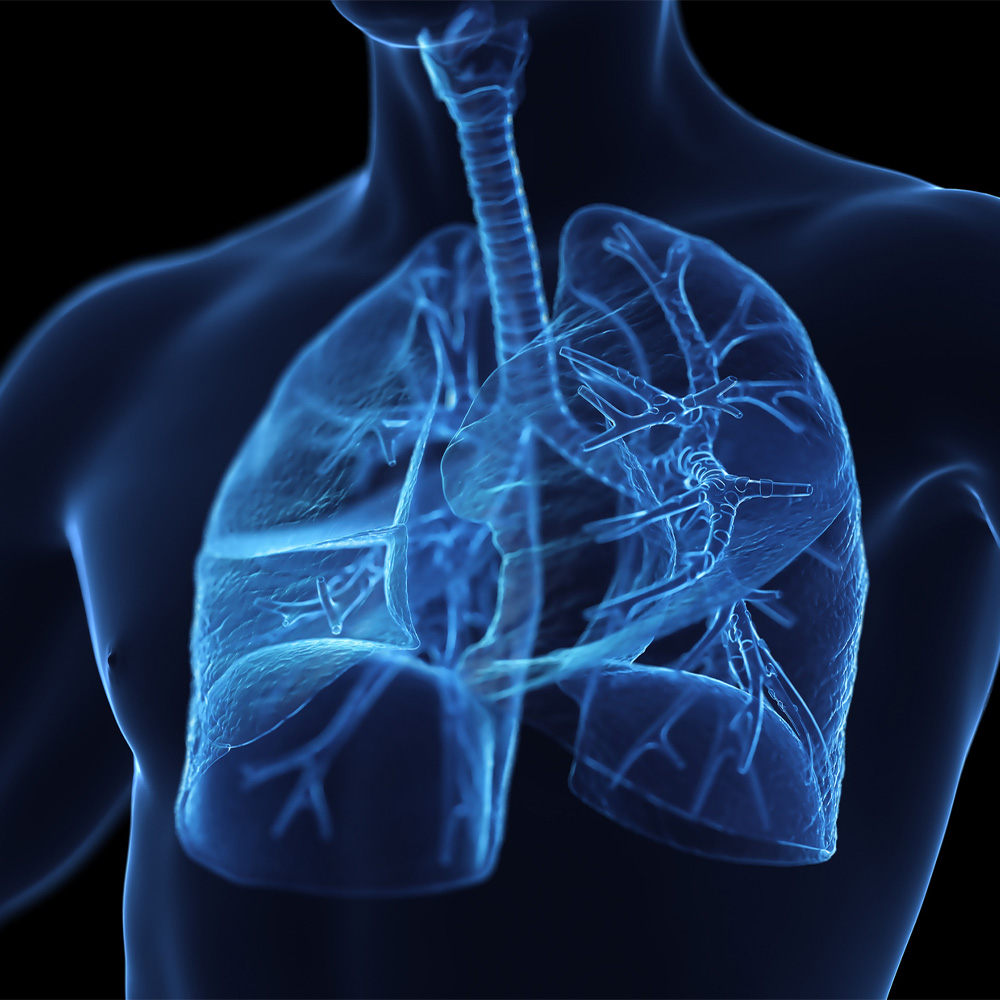
Researchers at UT Southwestern Medical Center developed nanoparticles that successfully edited the disease-causing gene in the lungs of a mouse model of cystic fibrosis (CF), swapping a mutated form for a healthy one that persisted in stem cells. Their findings, reported in Science, could offer hope for people with CF and other debilitating genetic lung diseases.
New AI tool to detect possible metastatic breast cancer: Newsroom - UT Southwestern, Dallas, Texas
https://www.utsouthwestern.edu/newsroom/articles/year-2024/may-new-ai-tool.html
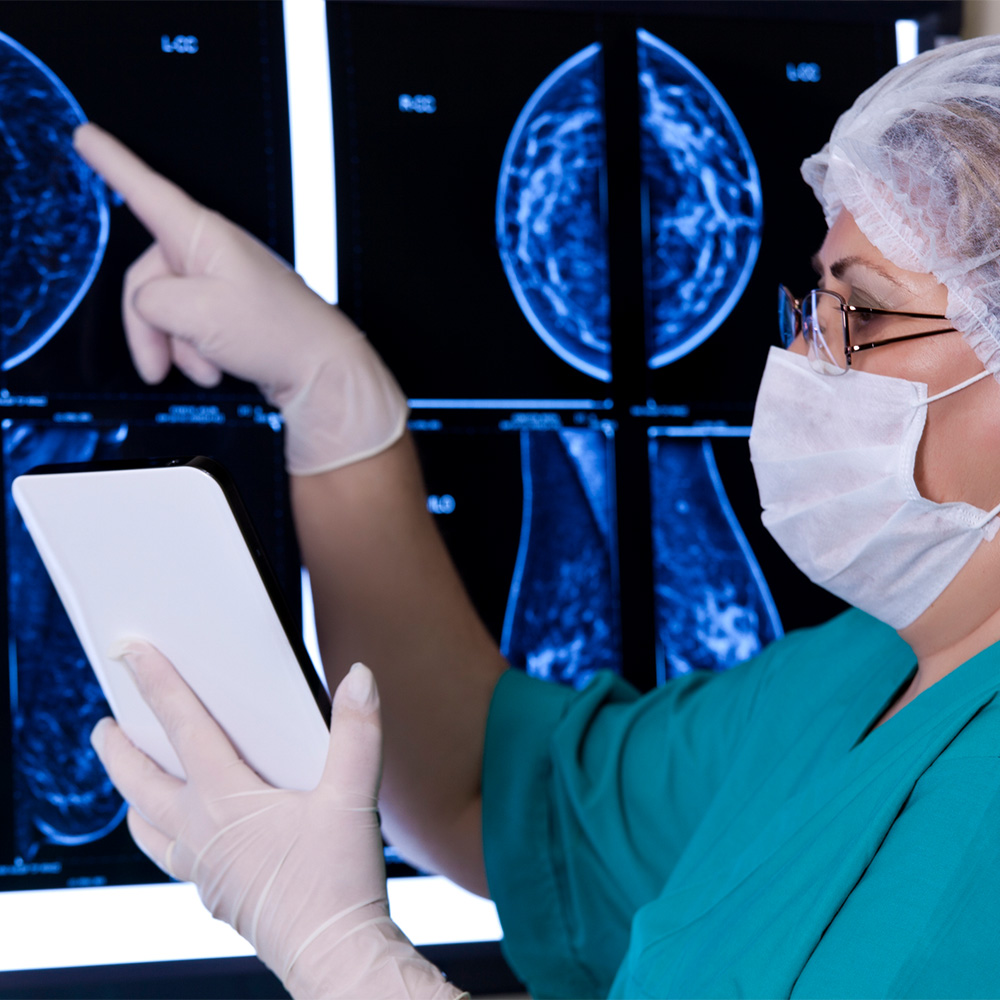
Researchers at UT Southwestern Medical Center have developed a novel artificial intelligence (AI) model to improve the detection of breast cancer metastasis, which could reduce the need for needle or surgical biopsies.
UTSW studies clarify link between exercise, risk of heart disease: Newsroom - UT Southwestern, Dallas, Texas
https://www.utsouthwestern.edu/newsroom/articles/year-2024/june-risk-of-heart-disease.html

Exercising at a high level doesn’t affect the progression of calcium buildup in the arteries, even among older athletes such as marathoners who tend to have higher coronary artery calcium (CAC) scores, according to new research from UT Southwestern Medical Center.
Children’s Health and UT Southwestern announce plans for transformative new pediatric campus in Dallas’ Southwestern Medical District : Newsroom - UT Southwestern, Dallas, Texas
https://www.utsouthwestern.edu/newsroom/articles/year-2024/feb-new-pediatric-campus.html

Children’s HealthSM and UT Southwestern Medical Center unveiled plans for a new $5 billion pediatric health campus in Dallas’ Southwestern Medical District today. Spanning more than 33 acres, the new pediatric campus offers a patient-centric design that can meet the rapidly increasing need for more pediatric services ranging from the most common to the most complex.
Study suggests key to antipsychotic drug-induced obesity : Newsroom - UT Southwestern, Dallas, Texas
https://www.utsouthwestern.edu/newsroom/articles/year-2024/jan-drug-induced-obesity.html
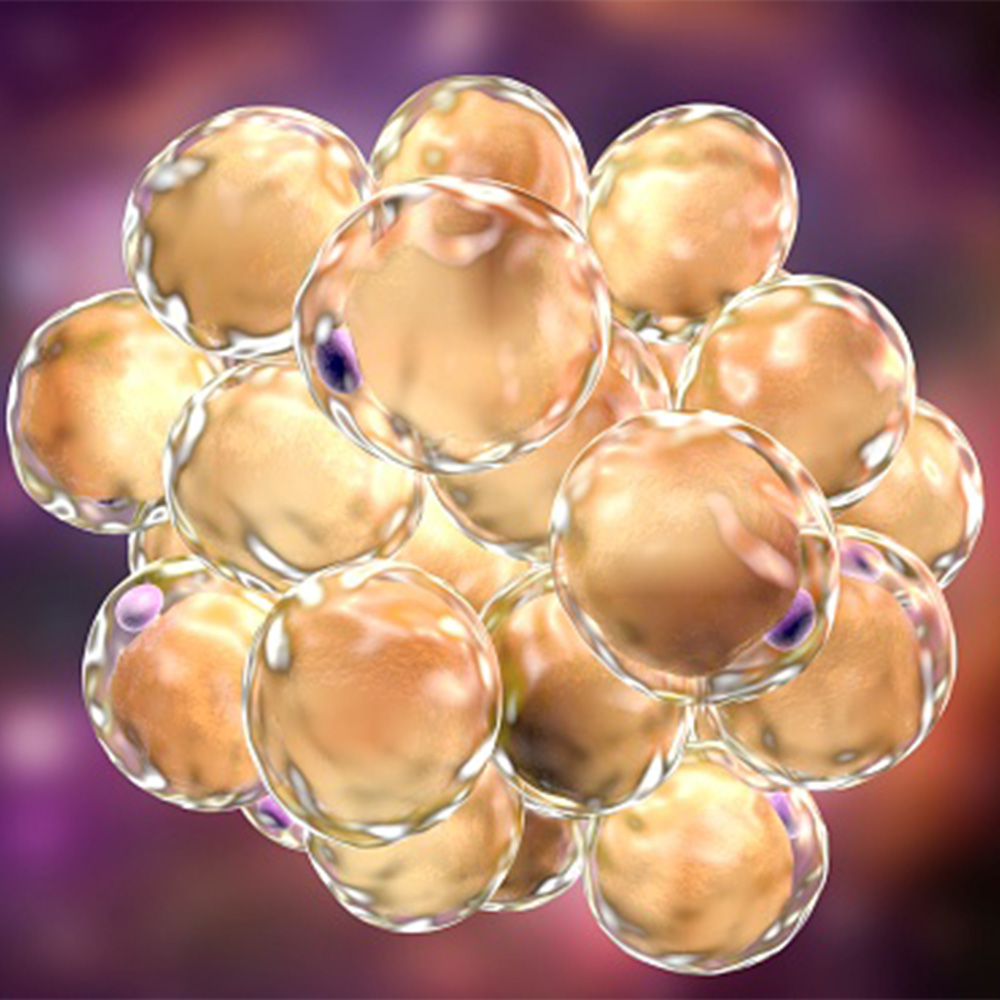
An increased concentration of the hormone leptin in fat cells is believed to be responsible for weight gain associated with antipsychotic drugs.
Response to hormone therapy predicts radiation resistance in ER+ breast cancer: Newsroom - UT Southwestern, Dallas, Texas
https://www.utsouthwestern.edu/newsroom/articles/year-2023/march-hormone-therapy-resistance.html
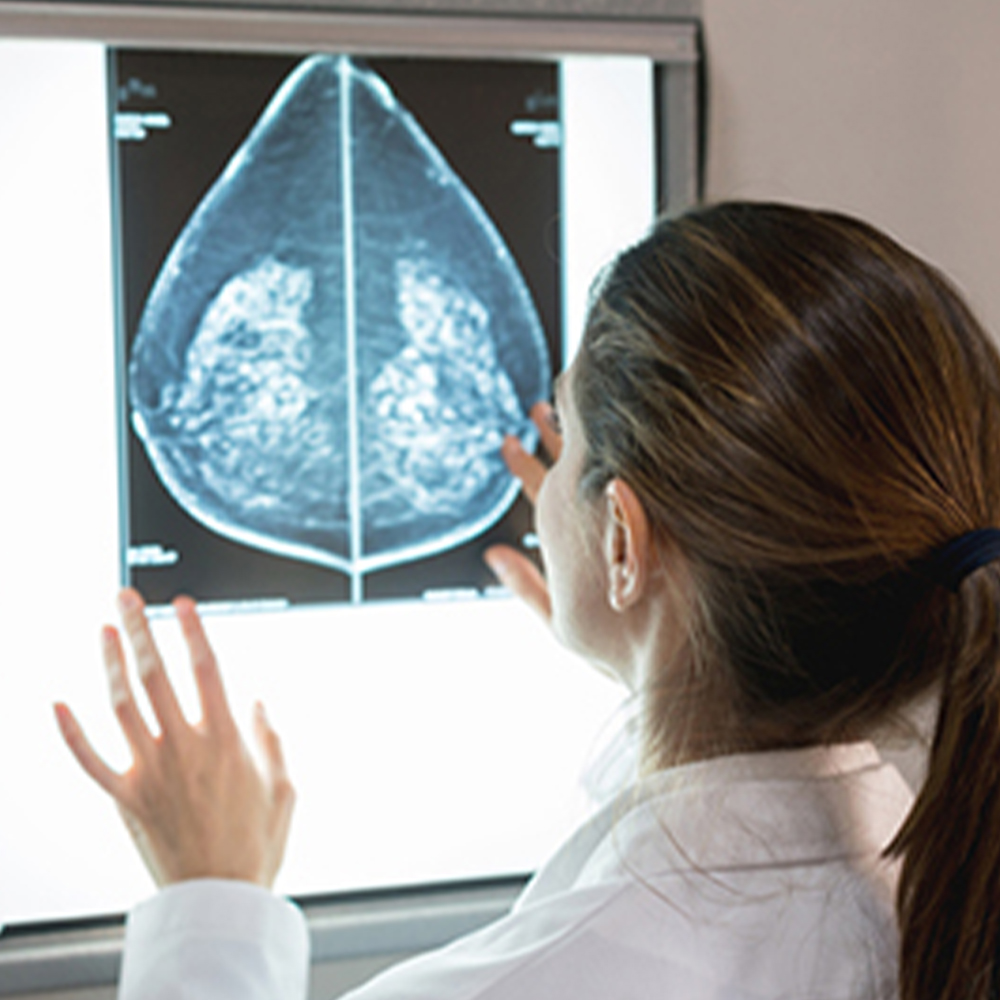
How estrogen receptor-positive (ER+) breast cancer responds to hormone therapy may hold keys to understanding how it will respond to radiation therapy, and an experimental drug that increases the effectiveness of hormone therapy also overcomes radiation resistance in breast cancer, a study by UT Southwestern Medical Center researchers shows.
Nanotechnology helps chemo pass the blood-brain barrier: Newsroom - UT Southwestern, Dallas, Texas
https://www.utsouthwestern.edu/newsroom/articles/year-2023/oct-nanotechnology-helps-chemo.html
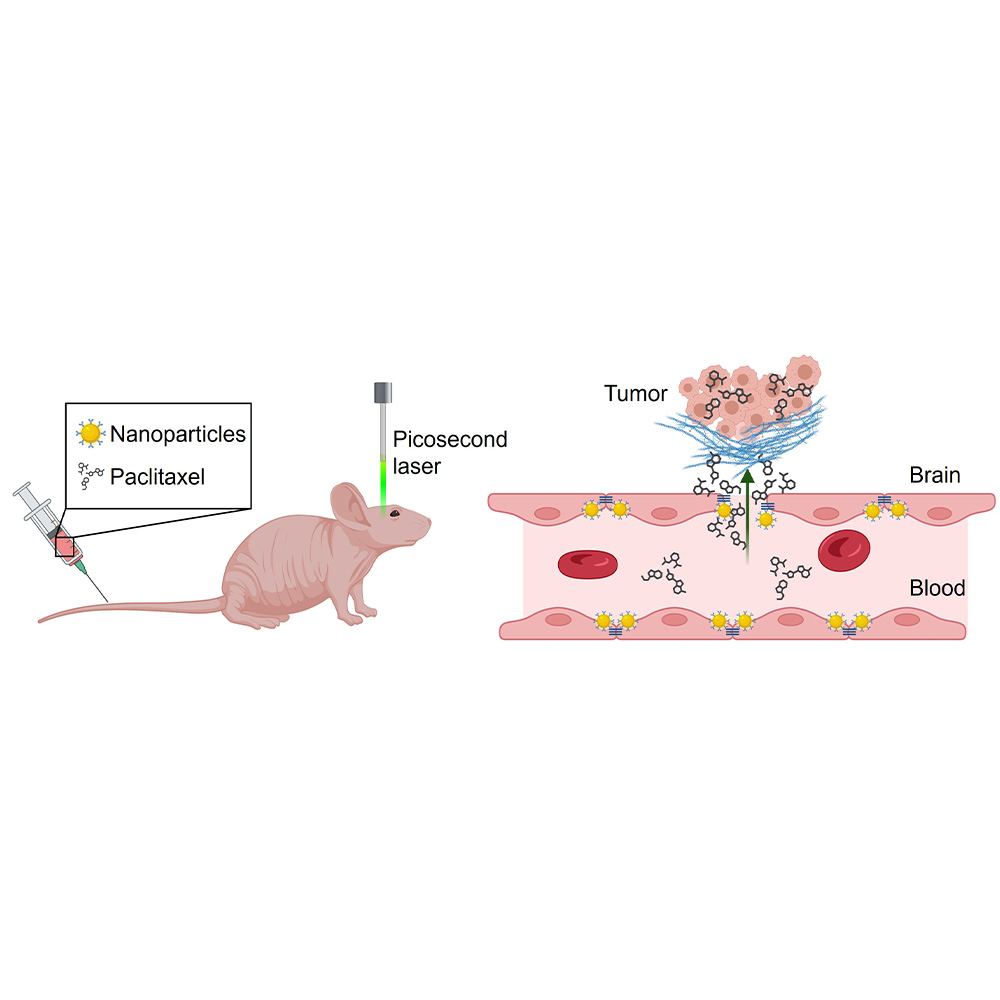
Combining a common chemotherapy drug with an experimental nanotechnology allowed the drug to cross the blood-brain barrier and increased the survival rate in a mouse model of glioblastoma up to 50%, a team led by researchers from UT Southwestern Medical Center and UT Dallas found.
UT Southwestern study: Cell membrane ‘blebs’ could hold new targets for anti-cancer drugs: Newsroom - UT Southwestern, Dallas, Texas
https://www.utsouthwestern.edu/newsroom/articles/year-2023/march-cell-membrane-blebs.html
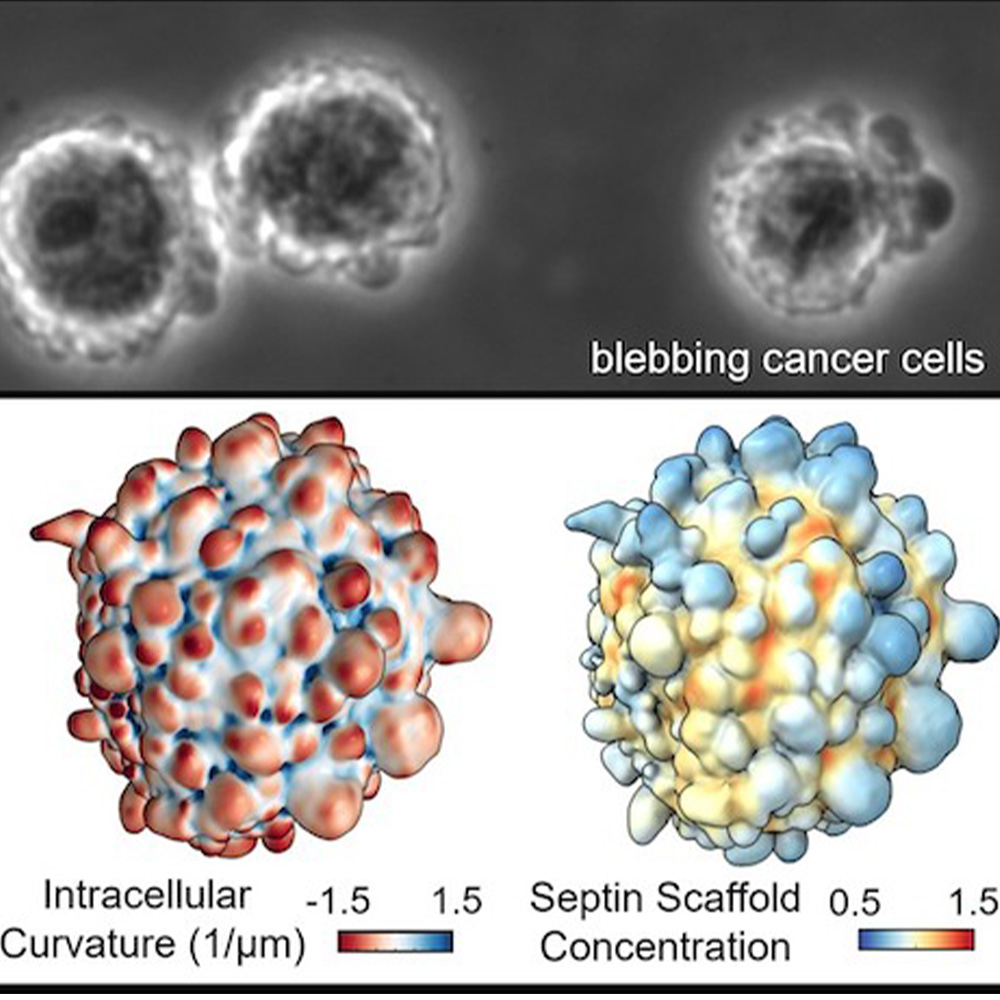
Cell membrane protrusions called blebs that typically signify the end of life for healthy cells do the opposite for melanoma cells, activating processes in these cells that help them to survive and spread, a UT Southwestern study suggests.