
Search
UTSW scientists identify protein that stops cell cycle in response to stress: Newsroom - UT Southwestern, Dallas, Texas
https://www.utsouthwestern.edu/newsroom/articles/year-2021/protein-that-stops-cell-cycle.html
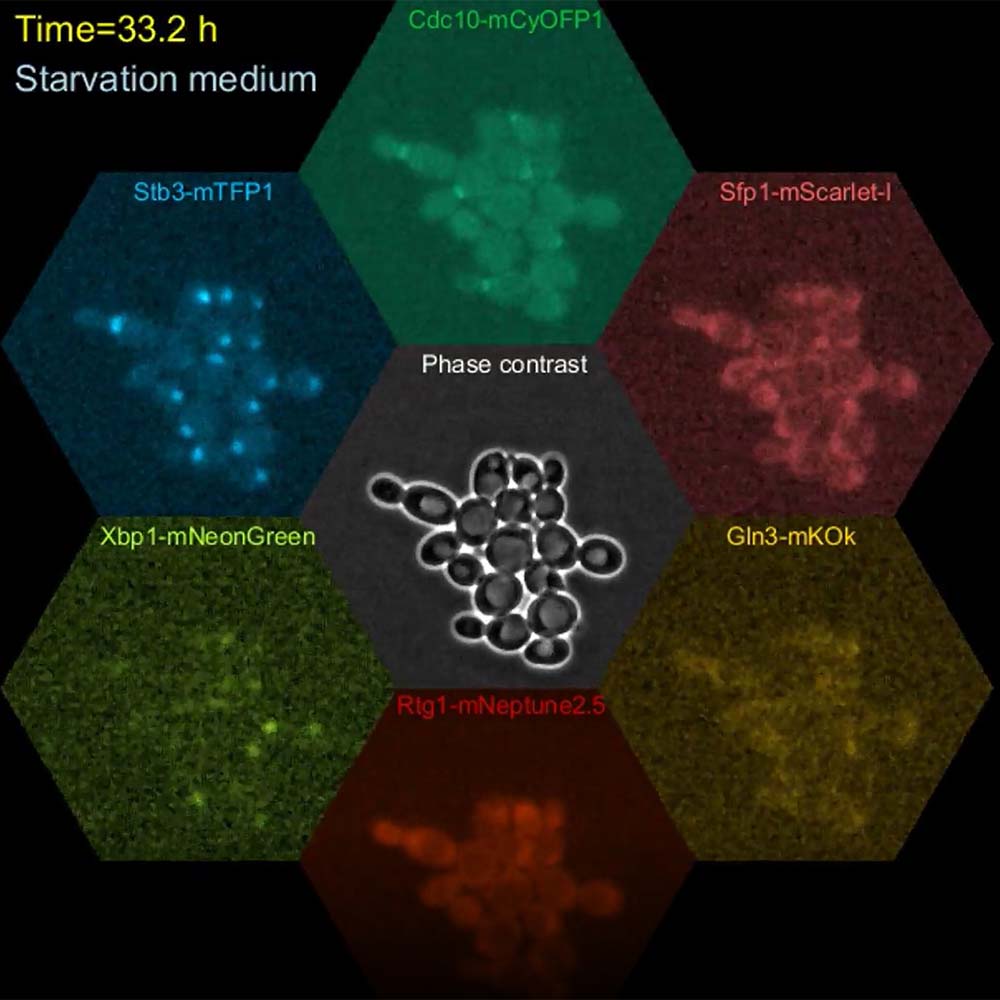
UT Southwestern researchers have identified a new mechanism by which stress causes cells to stop dividing.
NIH awards UT Southwestern researchers $4.4 million to study the genetic basis of vocal learning: Newsroom - UT Southwestern, Dallas, Texas
https://www.utsouthwestern.edu/newsroom/articles/year-2021/roberts-takahashi-nih-awards.html
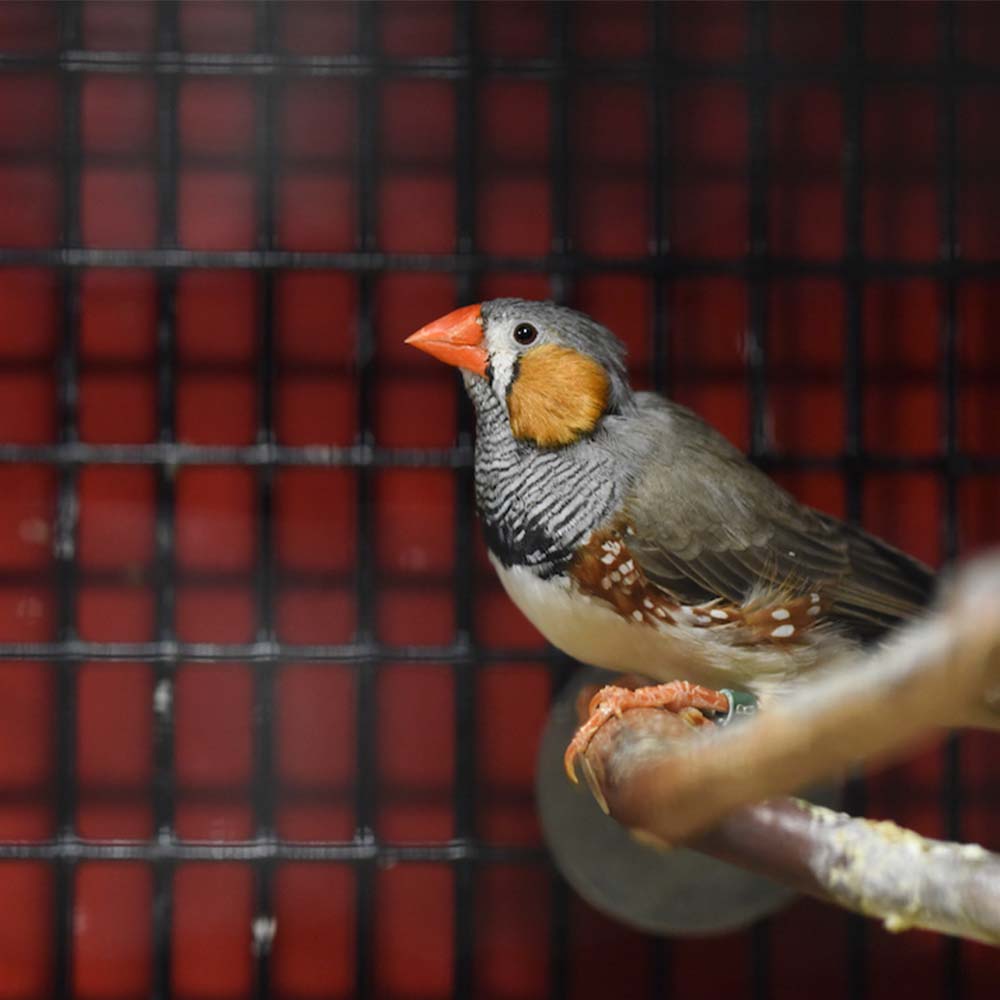
A UT Southwestern research team has received the National Institutes of Health’s prestigious Transformative Research Award to further their study of zebra finches to investigate the genetic basis of vocal imitation abilities.
UT Southwestern diabetes researchers show gene editing can turn storage fat cells into energy-burning fat cells: Newsroom - UT Southwestern, Dallas, Texas
https://www.utsouthwestern.edu/newsroom/articles/year-2021/energy-burning-fat-cells.html
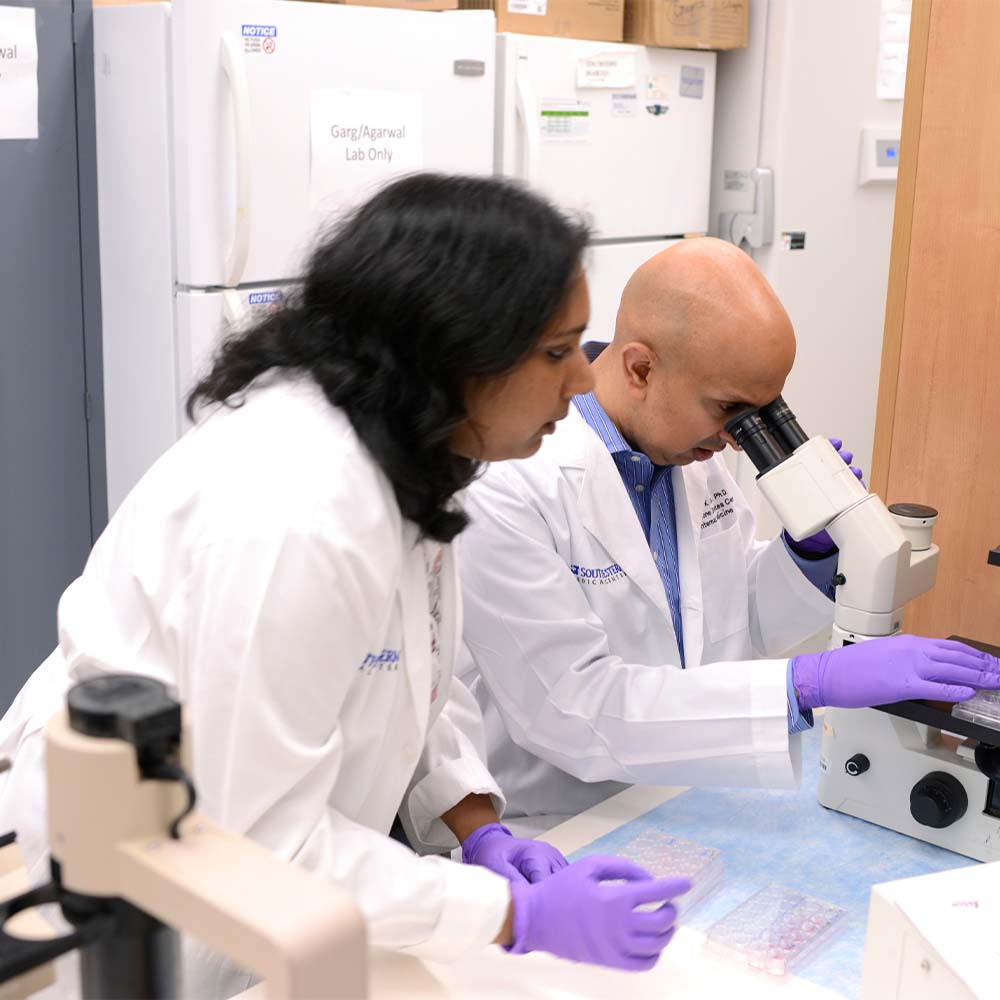
A team of researchers at UT Southwestern Medical Center’s Touchstone Diabetes Center have successfully used CRISPR gene editing to turn fat cells normally used for storage into energy-burning cells.
Gene for sex hormone synthesis could play key role in eczema: Newsroom - UT Southwestern, Dallas, Texas
https://www.utsouthwestern.edu/newsroom/articles/year-2021/gene-for-sex-hormone-synthesis.html
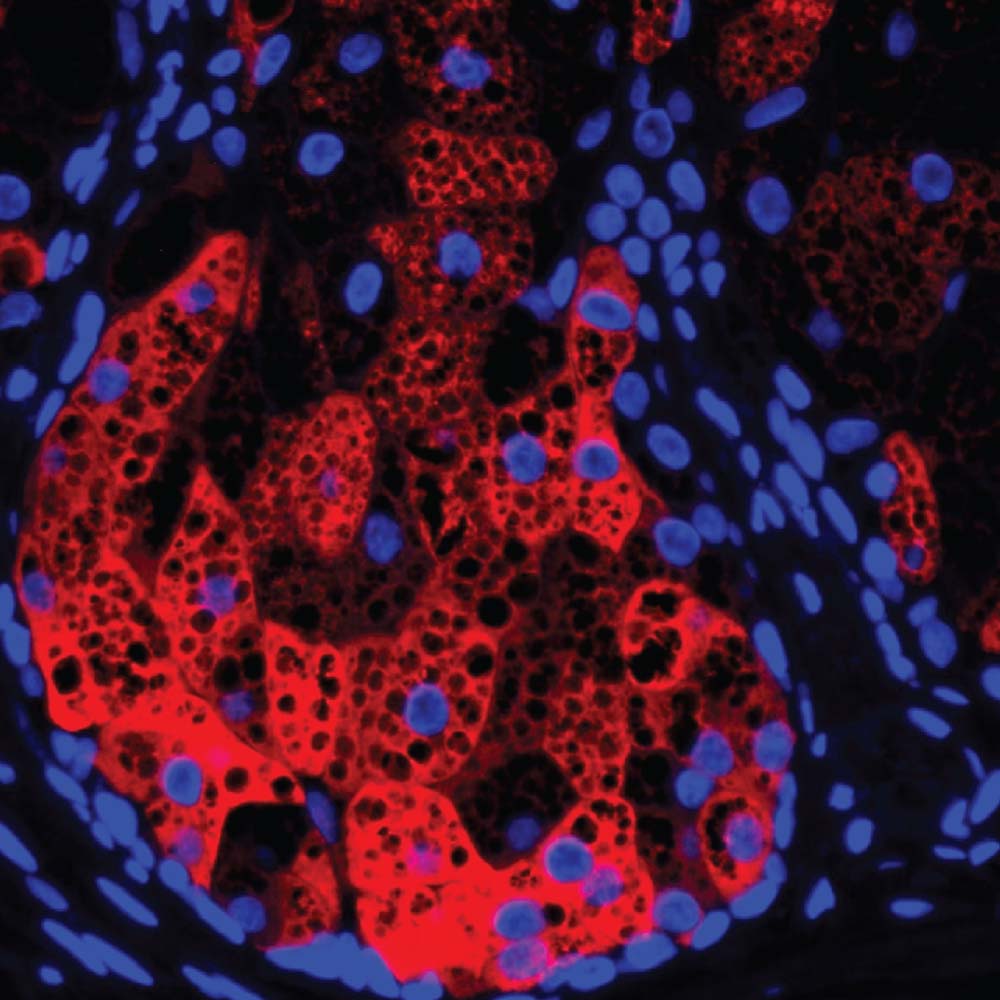
A study led by UT Southwestern dermatologists suggests that a common inflammatory skin condition may stem from poorly regulated sex hormones.
A master gear in the circadian clock: Newsroom - UT Southwestern, Dallas, Texas
https://www.utsouthwestern.edu/newsroom/articles/year-2021/a-master-gear-in-the-circadian-clock.html
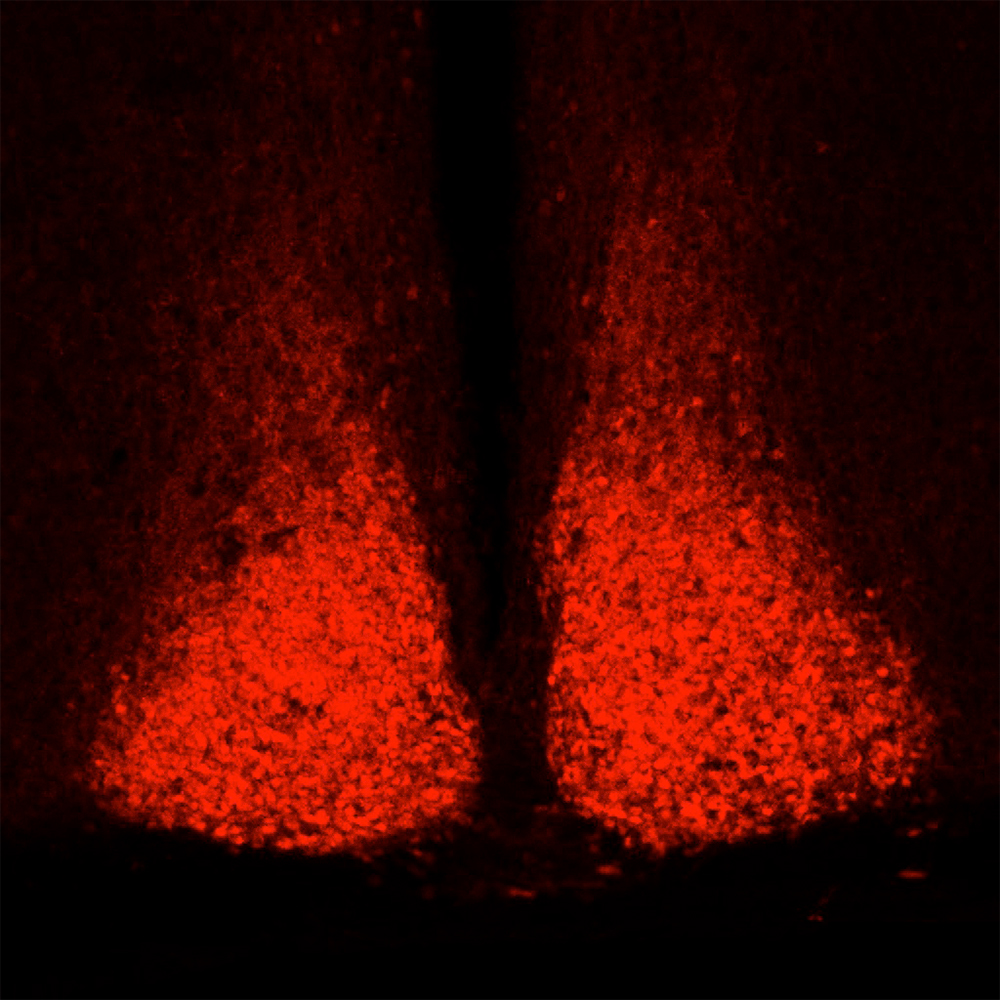
A gene called Npas4, already known to play a key role in balancing excitatory and inhibitory inputs in brain cells, appears to also be a master timekeeper for the brain’s circadian clock, new research led by UT Southwestern scientists suggests.
UT Southwestern designated founding Rare Disease Center of Excellence : Newsroom - UT Southwestern, Dallas, Texas
https://www.utsouthwestern.edu/newsroom/articles/year-2021/rare-disease-center-of-excellence.html

UT Southwestern Medical Center has been selected as a Rare Disease Center of Excellence – charter members of an elite network of 31 centers nationally to expand access, and advance care and research for rare disease patients in the United States.
UTSW researchers and international collaborators find human protein that potently inhibits coronavirus: Newsroom - UT Southwestern, Dallas, Texas
https://www.utsouthwestern.edu/newsroom/articles/year-2020/protein-potently-inhibits-coronavirus.html
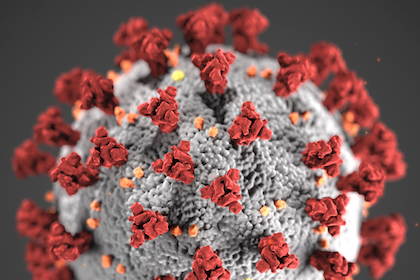
A protein produced by the human immune system can potently inhibit several coronaviruses, including the one behind the current COVID-19 outbreak, an international team of investigators reports today.
National study in children, adults weighs effectiveness of three anti-seizure drugs : Newsroom - UT Southwestern, Dallas, Texas
https://www.utsouthwestern.edu/newsroom/articles/year-2020/three-anti-seizure-drugs.html

Three anticonvulsant drugs commonly used to stop prolonged, potentially deadly seizures each work equally well, according to a national study involving physicians at UT Southwestern.
Surgery restores eye muscle function to patients with facial paralysis: Newsroom - UT Southwestern, Dallas, Texas
https://www.utsouthwestern.edu/newsroom/articles/year-2020/restoring-eye-muscle-function.html
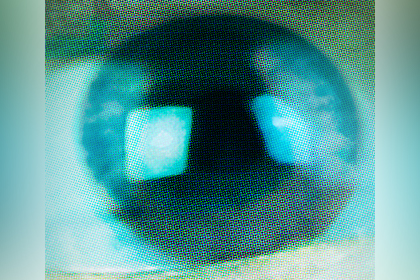
Surgeons at UT Southwestern have developed and analyzed the benefits of a cutting-edge technique that provides patients with facial paralysis the ability to close their eyes.
Casting call: Why immobilizing helps in healing: Newsroom - UT Southwestern, Dallas, Texas
https://www.utsouthwestern.edu/newsroom/articles/year-2020/why-immobilizing-helps-in-healing.html
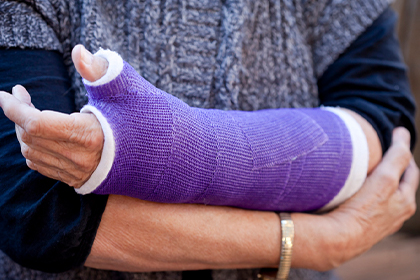
Immobilization is the most common treatment, and yet, until recently, it was unknown exactly why this technique worked to advance healing.