
Search
Start screenings at age 45 to prevent colorectal cancer, UT Southwestern experts advise : Newsroom - UT Southwestern, Dallas, Texas
https://www.utsouthwestern.edu/newsroom/articles/year-2023/june-colorectal-cancer.html
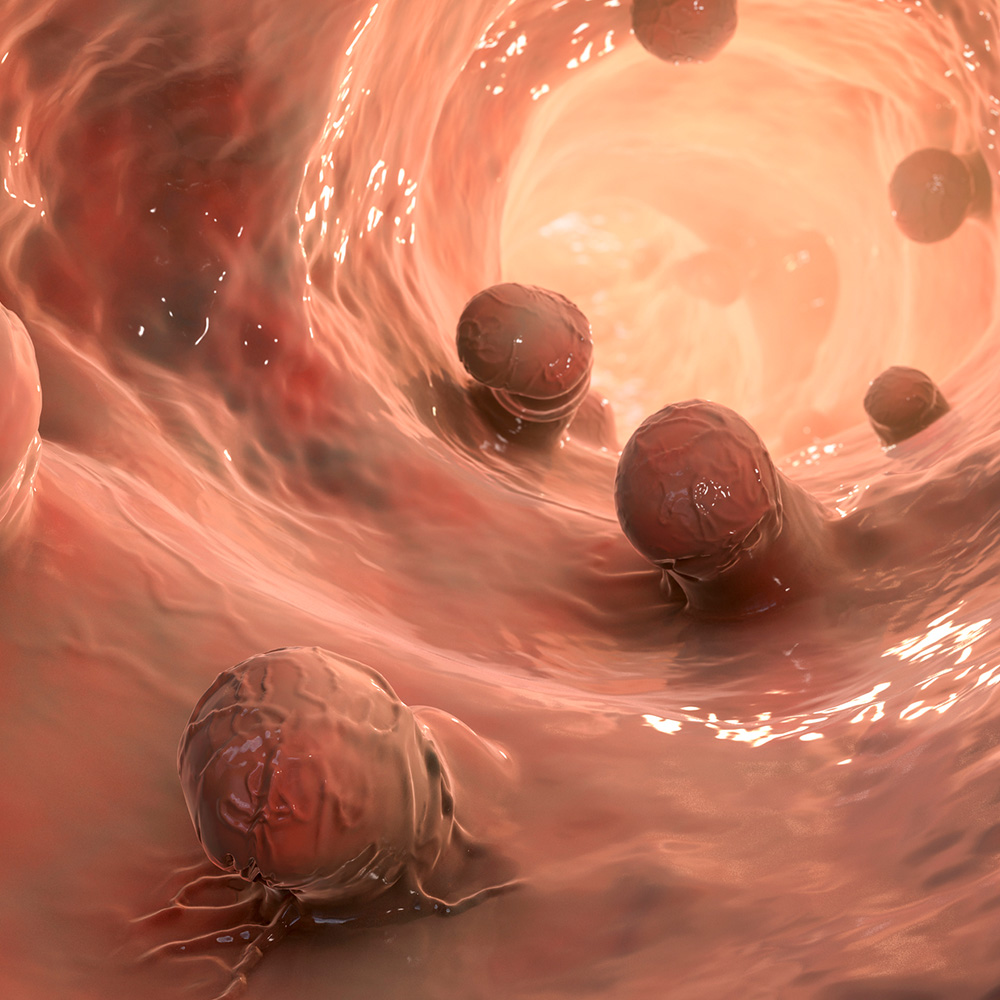
Colorectal cancer is on the rise among younger adults. According to the American Cancer Society, the proportion of cases among people under 55 increased from 11% in 1995 to 20% in 2019, and it is now the leading cause of cancer-related deaths for men younger than 50.
Endometriosis can complicate hysterectomies, UTSW study shows: Newsroom - UT Southwestern, Dallas, Texas
https://www.utsouthwestern.edu/newsroom/articles/year-2023/oct-endometriosis-hysterectomies.html

Patients with endometriosis are more likely to experience complications during and after hysterectomies, a study by UT Southwestern Medical Center researchers shows.
Stay alert to avoid falls that can cause serious injuries, UT Southwestern orthopedist says : Newsroom - UT Southwestern, Dallas, Texas
https://www.utsouthwestern.edu/newsroom/articles/year-2023/february-avoid-falls.html

Slipping on ice or tripping over a curb can result in broken bones or more serious injuries. To avoid taking an unexpected tumble, it’s important to be aware of your surroundings and watch where you’re walking, a UT Southwestern Medical Center orthopedist advises.
Flexible assemblies of nerve cells key to episodic memory: Newsroom - UT Southwestern, Dallas, Texas
https://www.utsouthwestern.edu/newsroom/articles/year-2022/december-episodic-memory.html
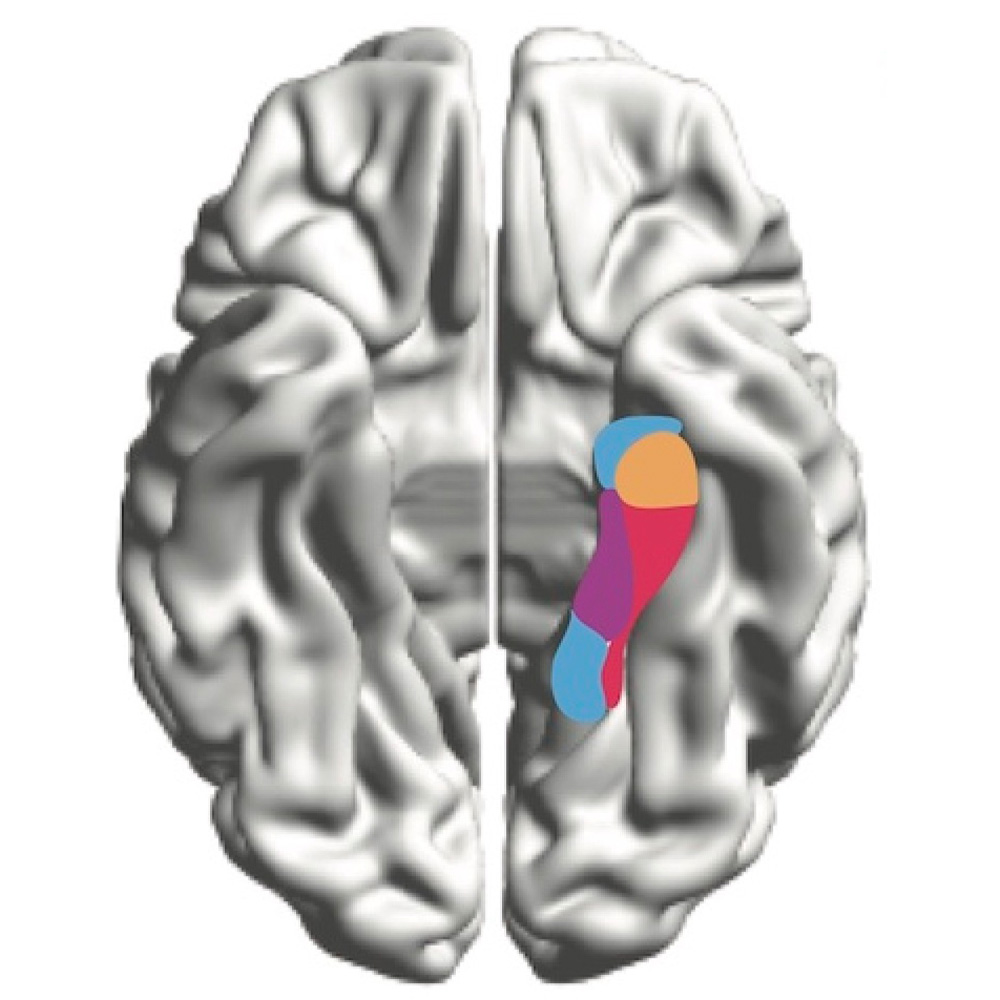
For the first time, scientists have recorded human nerve cells firing together in flexible assemblies, a process that appears necessary to successfully encode long-term memories, a study led by UT Southwestern researchers reports.
UT Southwestern rheumatologist recommends patients receive pneumococcal vaccine : Newsroom - UT Southwestern, Dallas, Texas
https://www.utsouthwestern.edu/newsroom/articles/year-2022/december-pneumococcal-vaccine.html
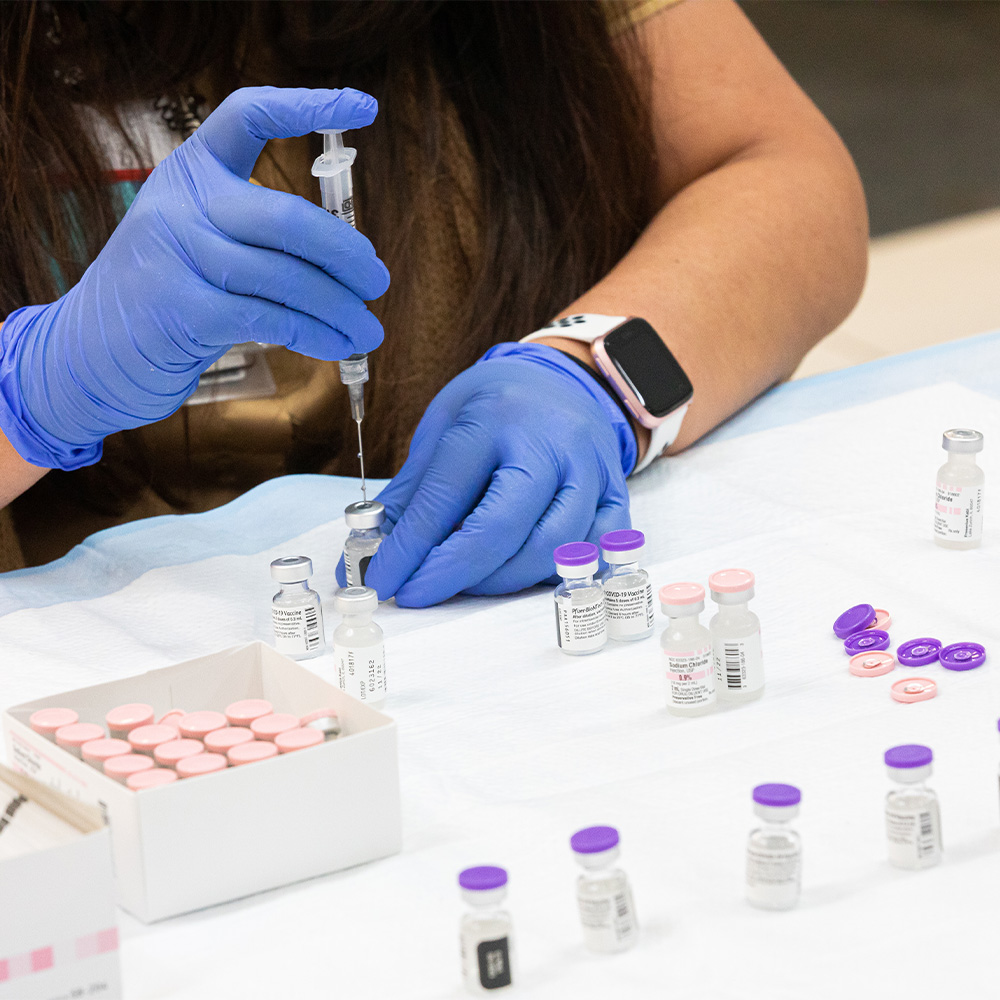
Patients with rheumatoid arthritis, lupus, and other rheumatic conditions are more at risk for complications and death from pneumonia, meningitis, and other bacterial infections, yet most have not been vaccinated against infection.
Robotic bronchoscopy may offer solution to lung biopsy risks: Newsroom - UT Southwestern, Dallas, Texas
https://www.utsouthwestern.edu/newsroom/articles/year-2022/december-robotic-bronchoscopy.html
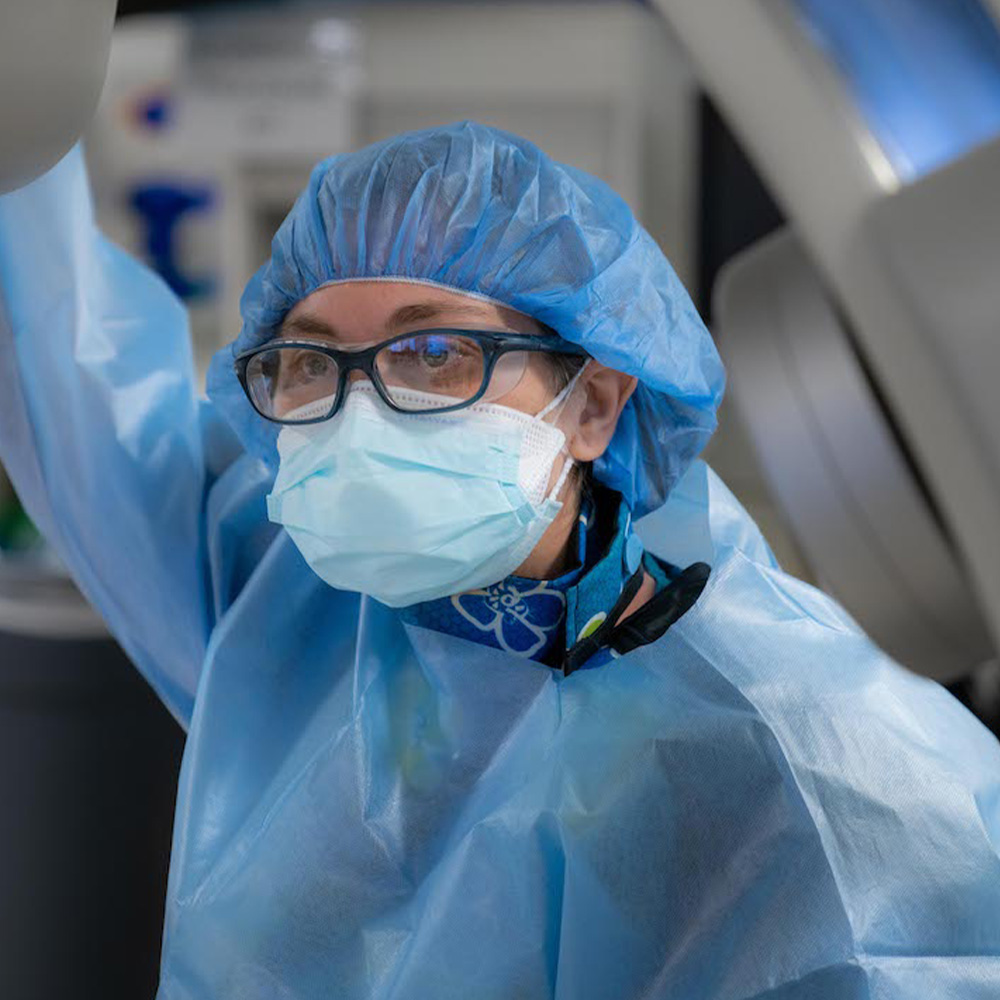
Lung nodule biopsies performed with new robotic bronchoscopy technology may be safer and more effective than those done by traditional methods, a study by researchers at UT Southwestern suggests.
UT Southwestern ranked No. 1 in Texas, fourth in nation for tech transfer: Newsroom - UT Southwestern, Dallas, Texas
https://www.utsouthwestern.edu/newsroom/articles/year-2022/october-tech-transfer.html

UT Southwestern Medical Center ranked fourth in the nation and No. 1 in Texas for commercializing new biomedical technologies, considered a critical step in bringing its laboratory discoveries into clinical practice.
Defect in gene caused massive obesity in mice despite normal food intake: Newsroom - UT Southwestern, Dallas, Texas
https://www.utsouthwestern.edu/newsroom/articles/year-2022/october-defect-in-gene.html
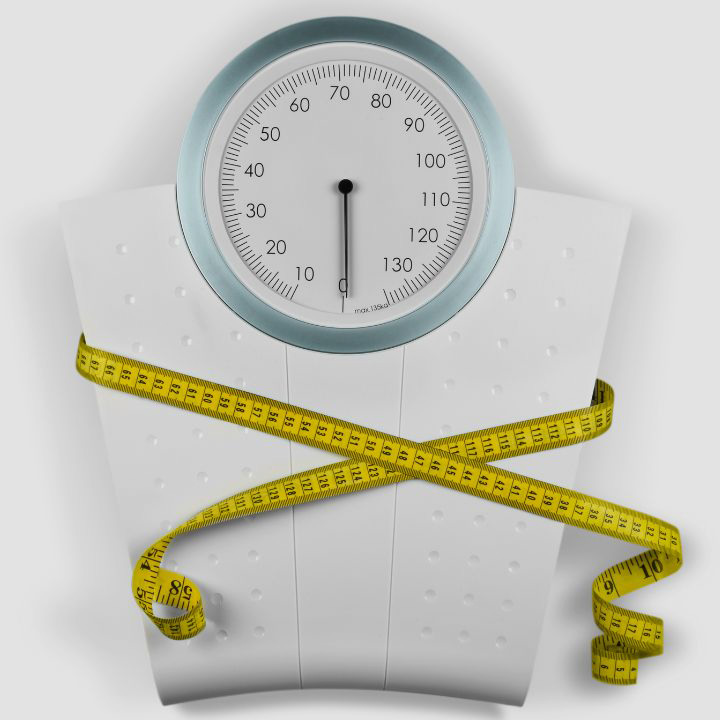
A faulty gene, rather than a faulty diet, may explain why some people gain excessive weight even when they don’t eat more than others.
Risk of severe COVID-19 symptoms remains throughout pregnancy, UTSW study finds: Newsroom - UT Southwestern, Dallas, Texas
https://www.utsouthwestern.edu/newsroom/articles/year-2022/november-pregnancy-covid-19-symptoms.html
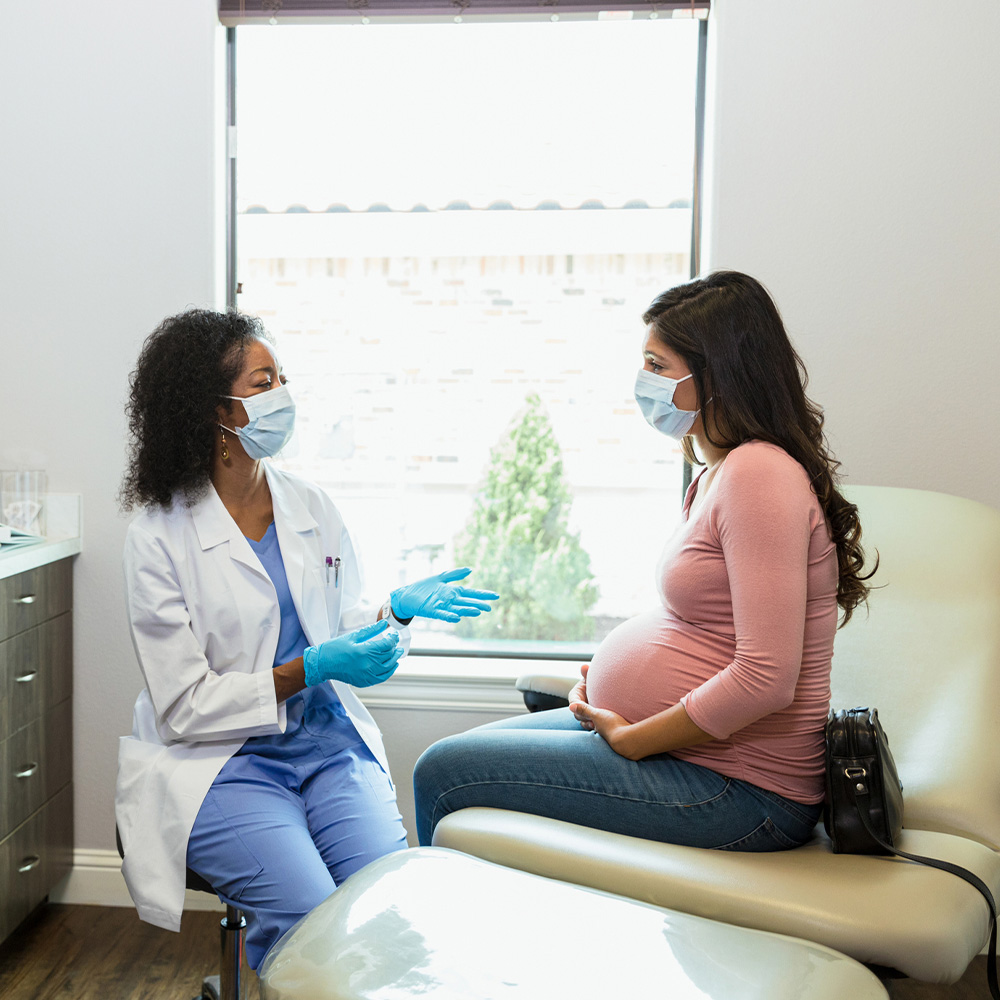
A UT Southwestern study of more than 1,300 pregnant women diagnosed with COVID-19 found that just 1 in 10 developed moderate, severe, or critical illness and that COVID-19 symptoms and severity were similar across all trimesters.
Brain wave readings may be key to detecting concussions: Newsroom - UT Southwestern, Dallas, Texas
https://www.utsouthwestern.edu/newsroom/articles/year-2022/october-detecting-concussions.html
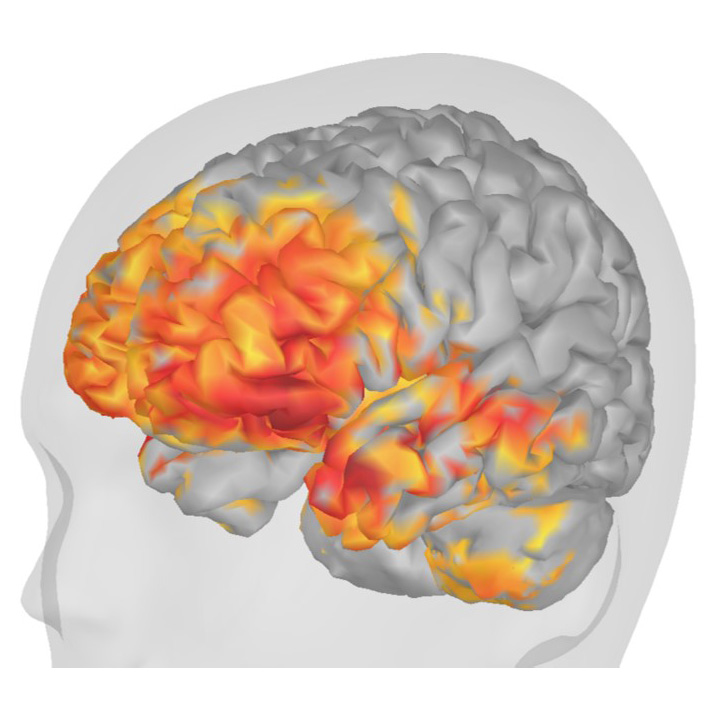
Measuring levels of a specific brain wave could lead to more objective, definitive methods of diagnosing concussions.