
Search
Safer imaging technology for complex aortic repairs uses light instead of X-rays: Newsroom - UT Southwestern, Dallas, Texas
https://www.utsouthwestern.edu/newsroom/articles/year-2022/august-safer-imaging-technology.html
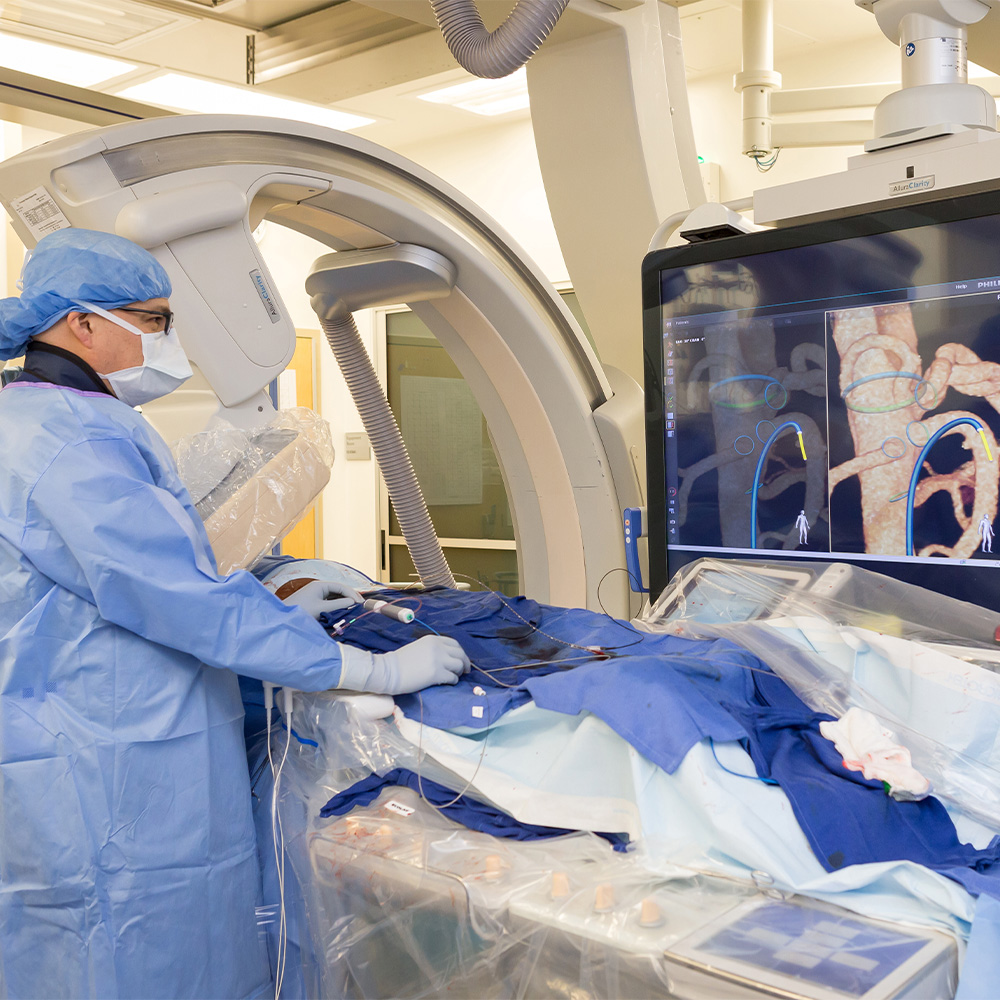
A new imaging device at UT Southwestern is making complex aortic repairs safer for patients and operating room staff by dramatically reducing their exposure to radiation.
UTSW’s Medical Student Group named Texas Medical Association Chapter of the Year : Newsroom - UT Southwestern, Dallas, Texas
https://www.utsouthwestern.edu/newsroom/articles/year-2022/utsw-medical-student-group.html
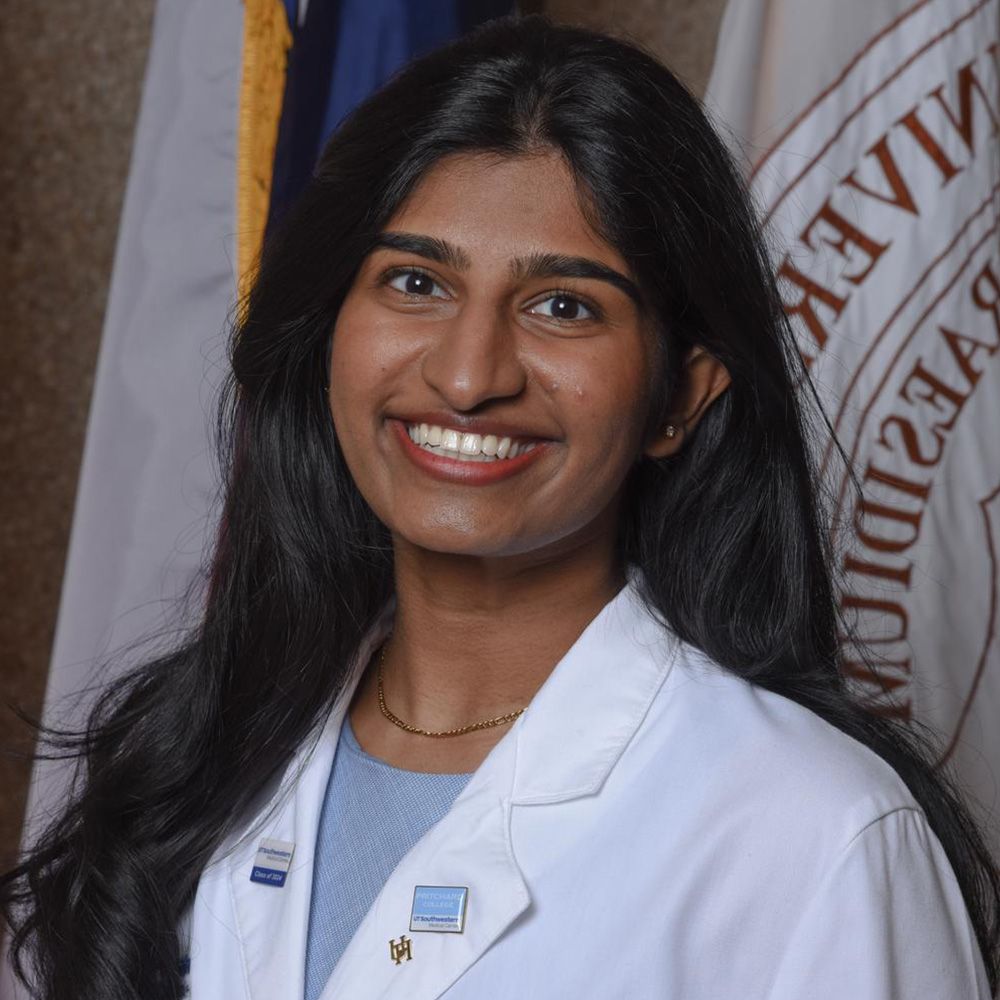
A student group at UT Southwestern Medical School has been named the 2022 Chapter of the Year by the Texas Medical Association Medical Student Section.
Food pantry clients say pandemic increased food insecurity, psychological stress : Newsroom - UT Southwestern, Dallas, Texas
https://www.utsouthwestern.edu/newsroom/articles/year-2022/pandemic-increased-food-insecurity.html
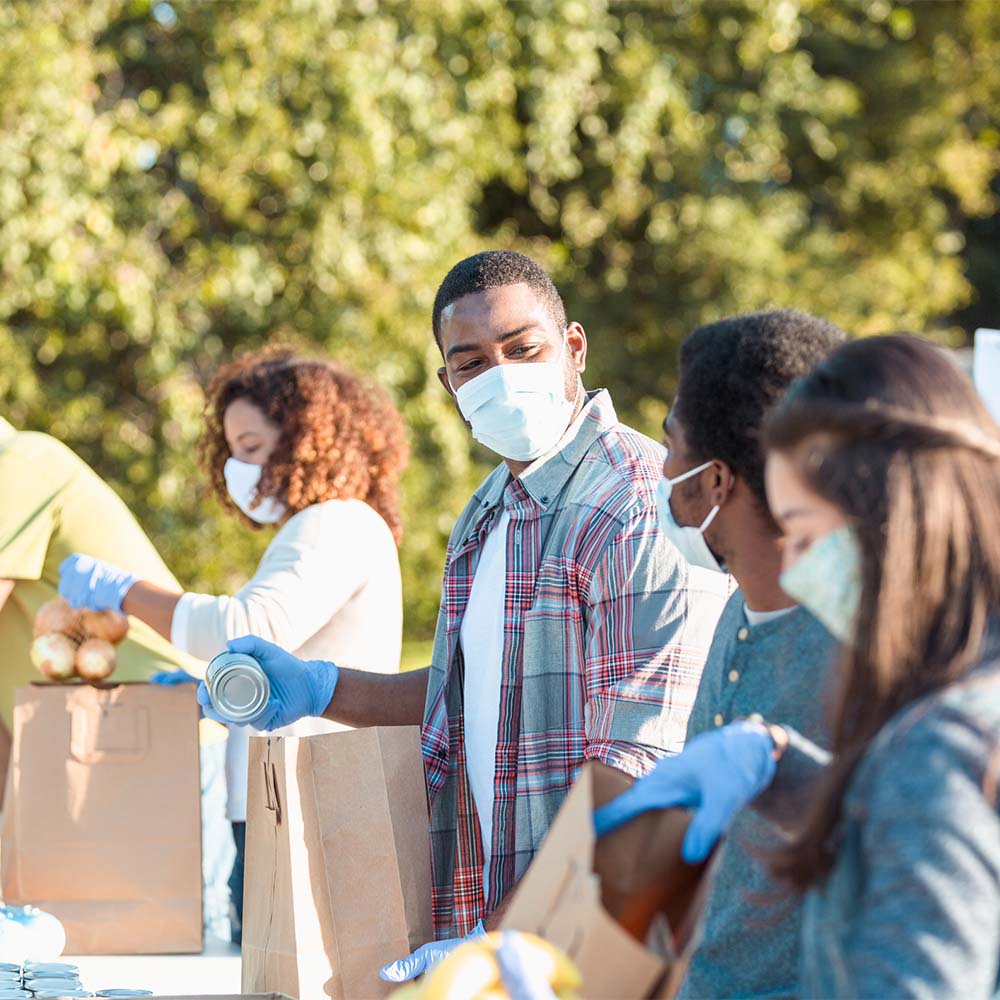
A novel study by UT Southwestern researchers who conducted interviews as the nation shut down due to COVID-19 tells the stories of those who routinely faced hunger before the pandemic upended their lives.
UTSW researchers develop rapid COVID-19 test to identify variants in hours: Newsroom - UT Southwestern, Dallas, Texas
https://www.utsouthwestern.edu/newsroom/articles/year-2022/june-rapid-covid-test.html
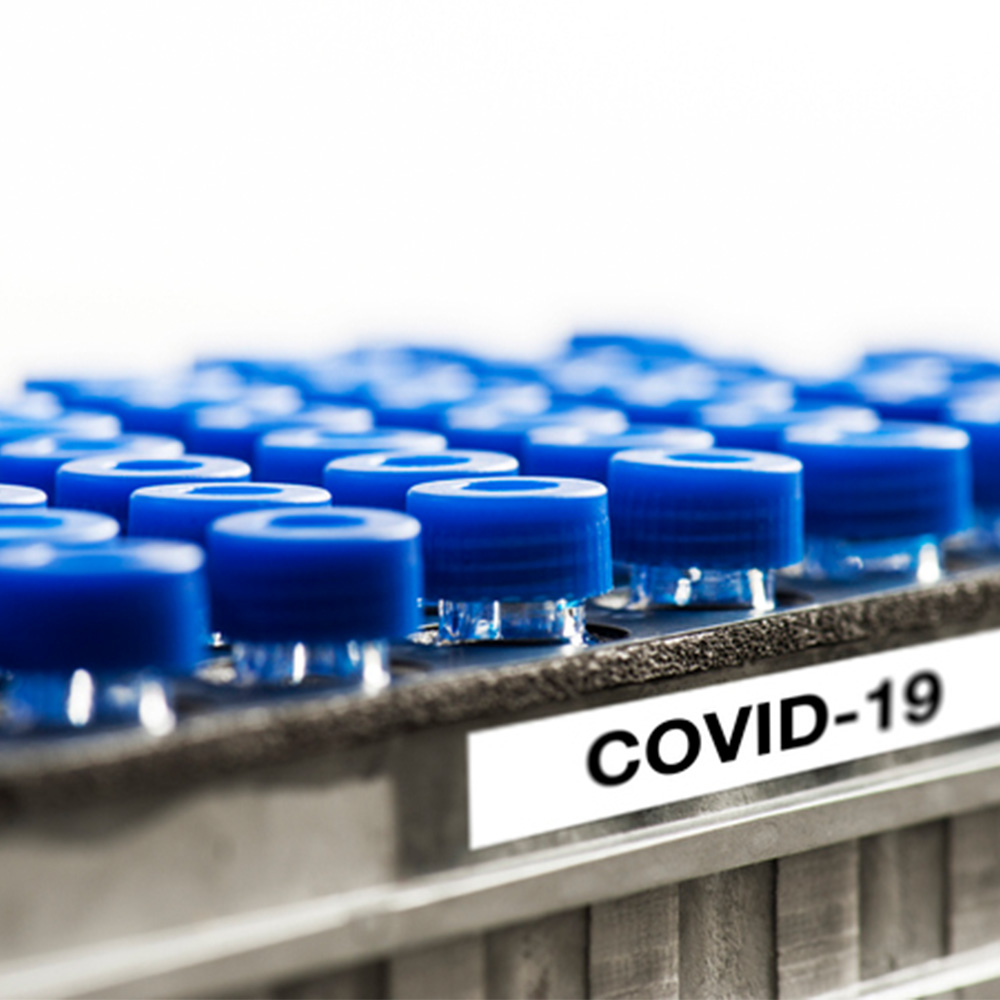
In just a few hours, UT Southwestern scientists can tell which variant has infected a COVID-19 patient – a critical task that can potentially influence treatment decisions but takes days or weeks at most medical centers.
UT Southwestern researcher, international team solve decades-old structural mystery surrounding the birth of energy-storing lipid droplets: Newsroom - UT Southwestern, Dallas, Texas
https://www.utsouthwestern.edu/newsroom/articles/year-2022/energy-storing-lipid-droplets.html
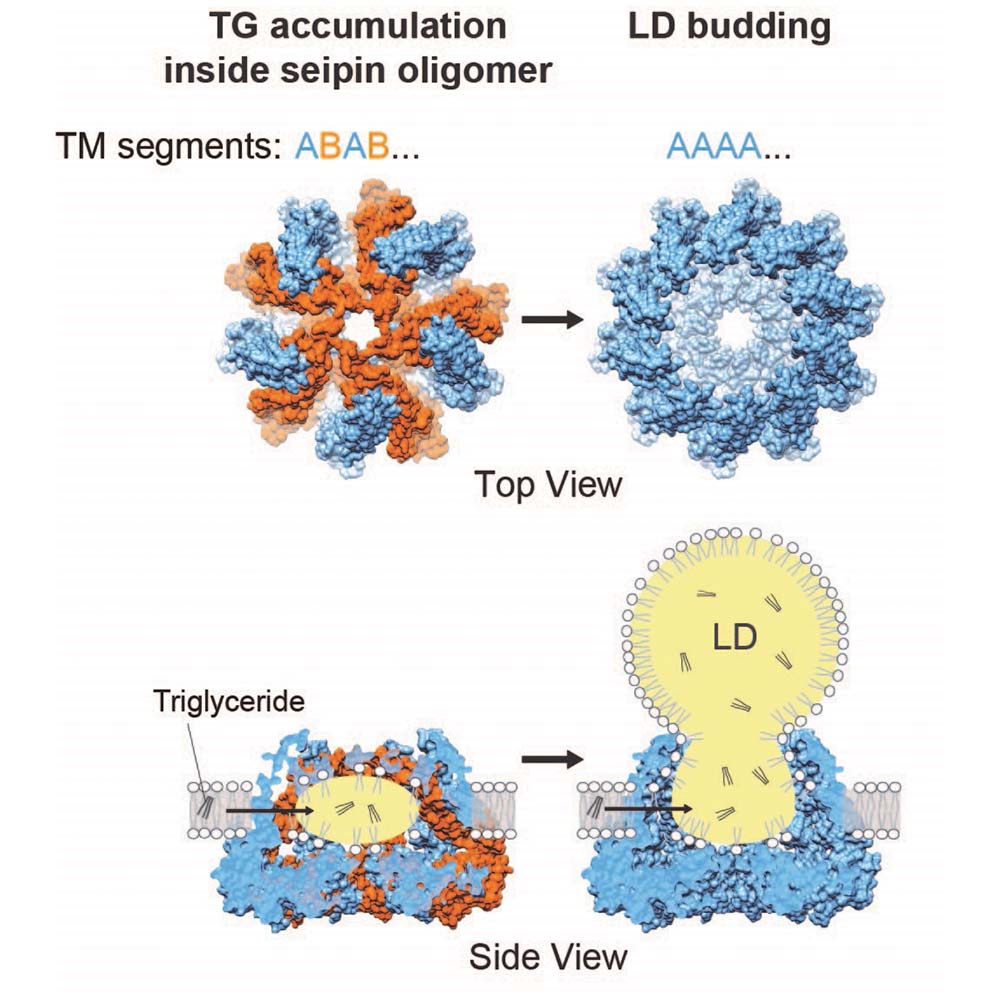
In humans, virtually every cell stores fat. However, patients with a rare condition called congenital lipodystrophy, which is often diagnosed in childhood, cannot properly store fat, which accumulates in the body’s organs and increases the risk of early death from heart or liver disease.
Liver cancer treatment costly for Medicare patients, UT Southwestern study finds: Newsroom - UT Southwestern, Dallas, Texas
https://www.utsouthwestern.edu/newsroom/articles/year-2023/january-liver-cancer-treatment.html
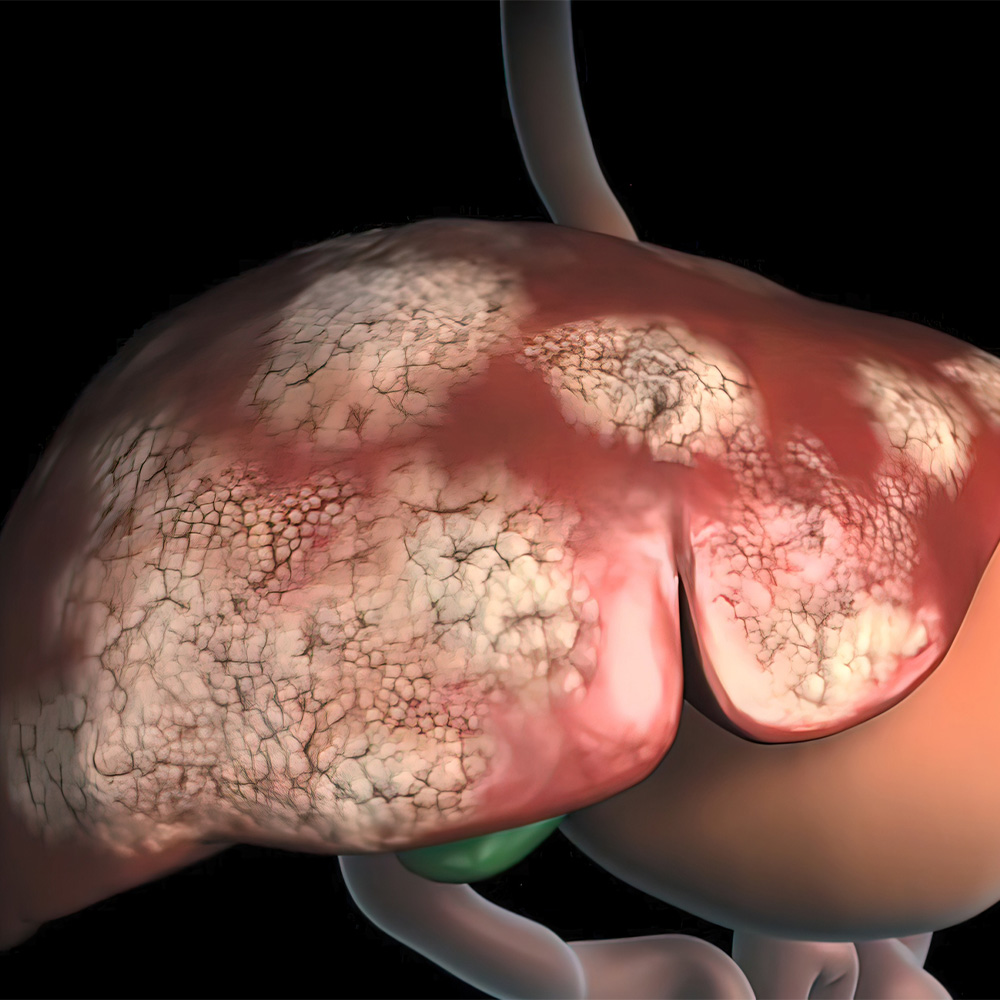
Hepatocellular carcinoma (HCC), the most common type of liver cancer, can place a significant financial burden on patients, according to an analysis led by a researcher at UT Southwestern Medical Center.
Diabetes drug metformin may protect against radiation exposure: Newsroom - UT Southwestern, Dallas, Texas
https://www.utsouthwestern.edu/newsroom/articles/year-2024/aug-diabetes-drug-metformin.html

Metformin, a well-tolerated diabetes drug prescribed to as many as 150 million people worldwide, may also protect cells from radioactive damage, UT Southwestern Medical Center researchers report.
Pathway tied to cancer-driving genome alterations identified : Newsroom - UT Southwestern, Dallas, Texas
https://www.utsouthwestern.edu/newsroom/articles/year-2024/sept-cancer-driving-genome.html
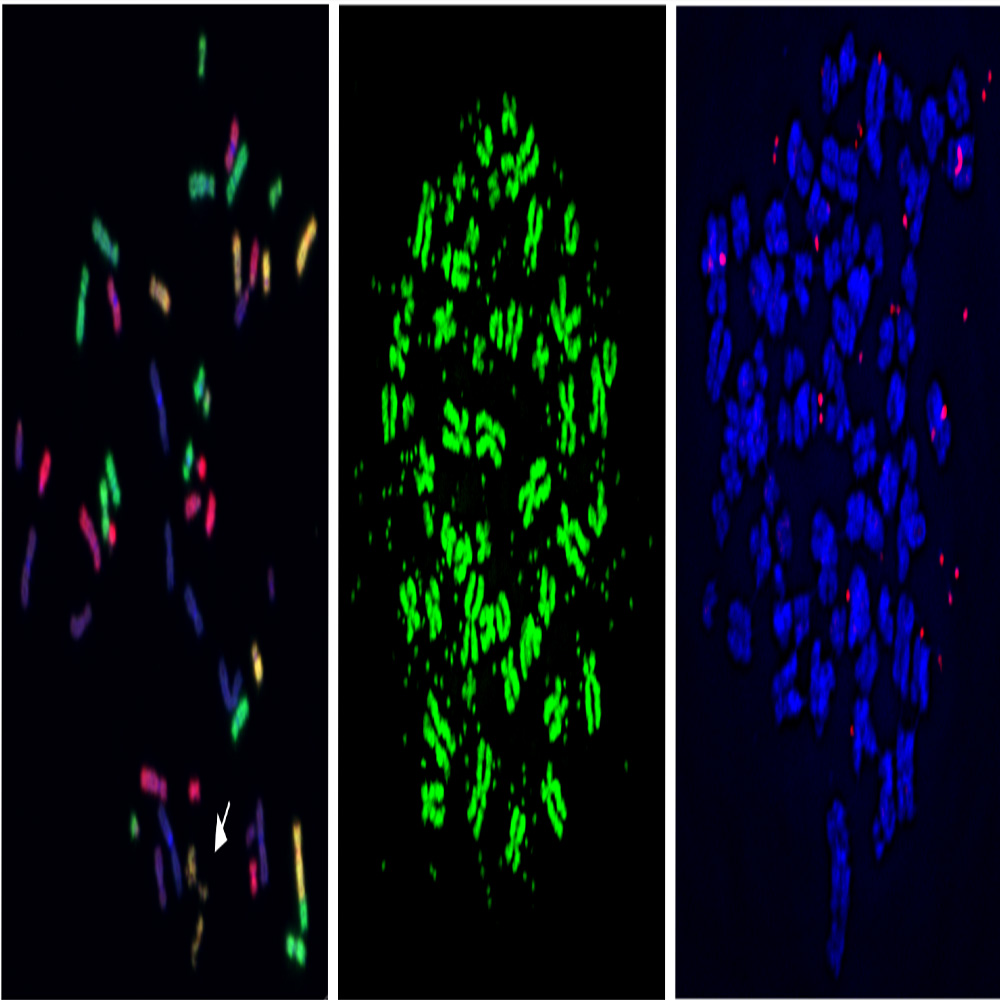
Cancer cells appear to hijack a genetic pathway involved in DNA repair to drive malignancy and overcome treatment, a study led by UT Southwestern Medical Center researchers shows. Their findings, published in Cell, explain how chromosomes in some tumors undergo massive rearrangements and could lead to new strategies to avoid cancer drug resistance.
UT Southwestern researchers identify risk factors for unsuccessful bunion surgery: Newsroom - UT Southwestern, Dallas, Texas
https://www.utsouthwestern.edu/newsroom/articles/year-2023/january-unsuccessful-bunion-surgery.html
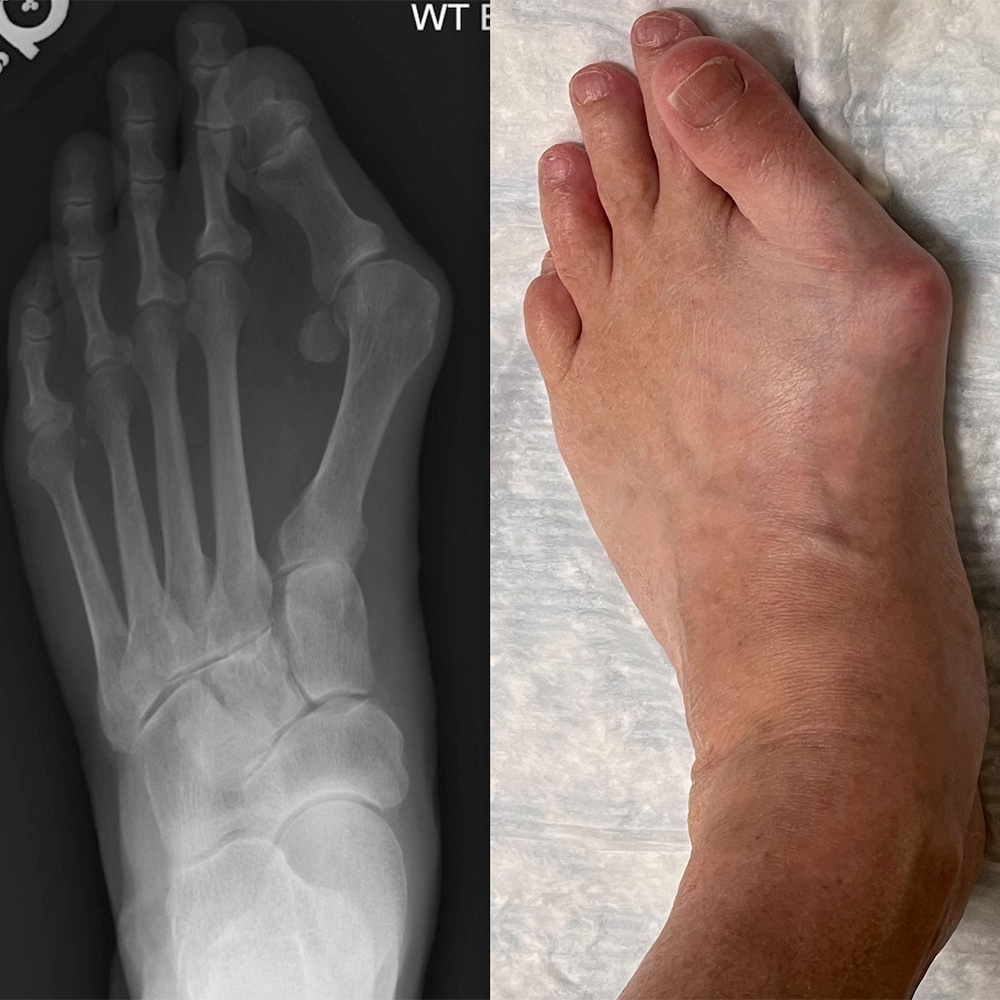
A study by UT Southwestern researchers has identified three factors that increase the risk that bunion surgery will fail to fix this painful foot condition.
Discovery clears hurdle in growing organs for transplants : Newsroom - UT Southwestern, Dallas, Texas
https://www.utsouthwestern.edu/newsroom/articles/year-2024/sept-growing-organs-for-transplants.html
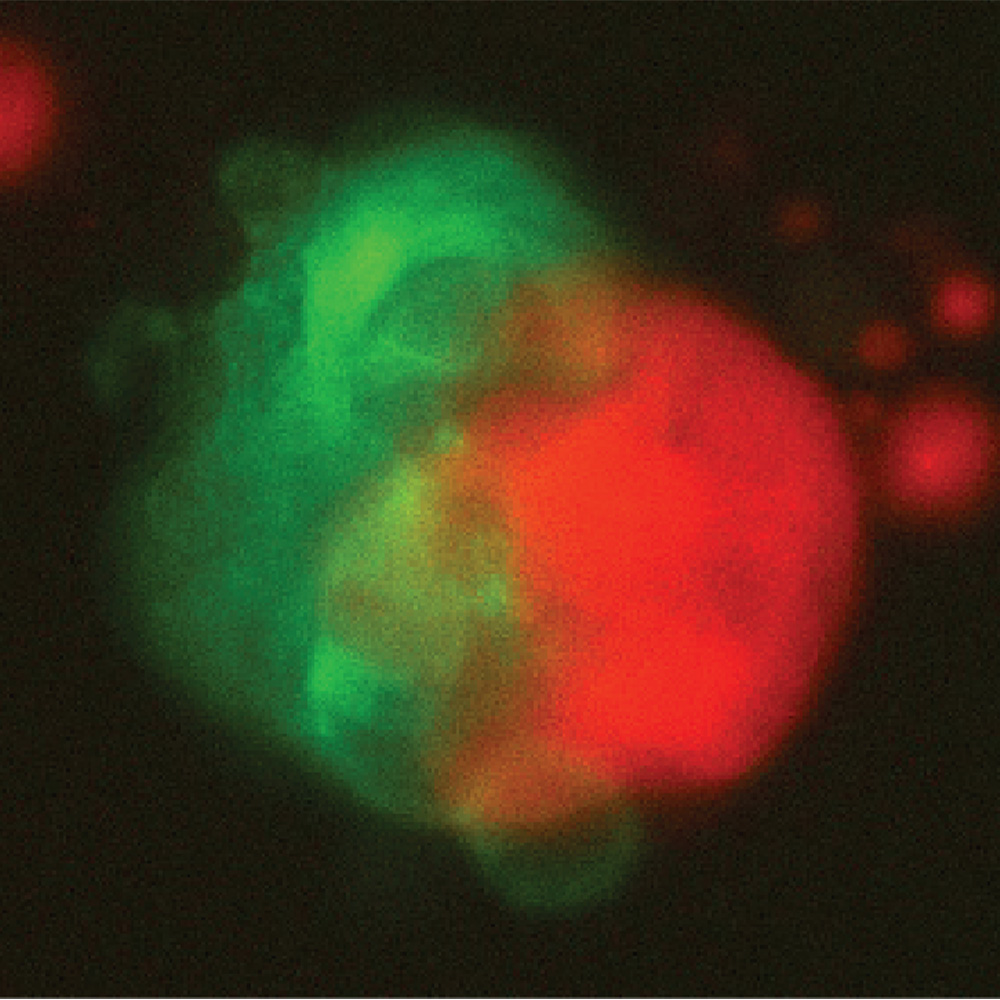
Genetically modifying cells from different species allows them to adhere to each other and grow together, UT Southwestern Medical Center researchers reported in a new study.