
Symposium
PMID Initiative Strengthens Collaborative Research Through Symposia and Ongoing Engagement
Fostering collaboration across departments and advancing integrated approaches to understanding the role of microorganisms in human health have been central to the PMID initiative over the past two years. This progress has been highlighted through two recent symposia, each drawing more than 200 registrants and featuring distinguished keynote presentations from Bruce Beutler and Eric Skaar. These events have provided a platform for interdisciplinary exchange and have underscored the depth and diversity of research within the PMID community.
The initiative continues to play an important role in connecting faculty and promoting collaboration across disciplines, creating opportunities to share expertise and align efforts in areas of mutual scientific interest.
PMID leadership expressed appreciation for the continued engagement and commitment of participating faculty, noting that sustained community involvement has been essential to the program’s growth and success. As part of ongoing efforts to maintain an accurate and comprehensive representation of current research activities, faculty members are encouraged to review the Ongoing Research section of the PMID website and submit updates to their laboratory information as needed.
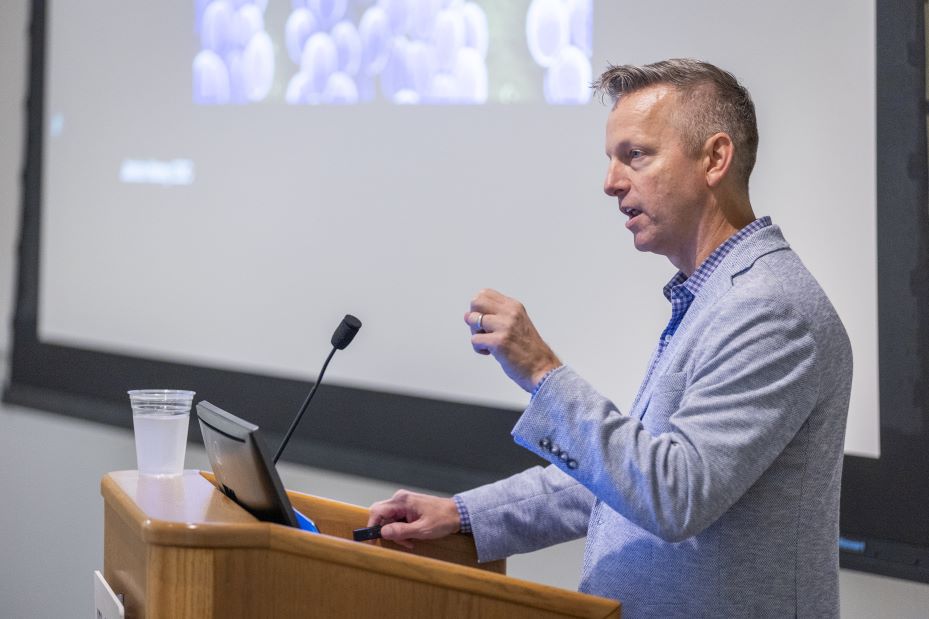
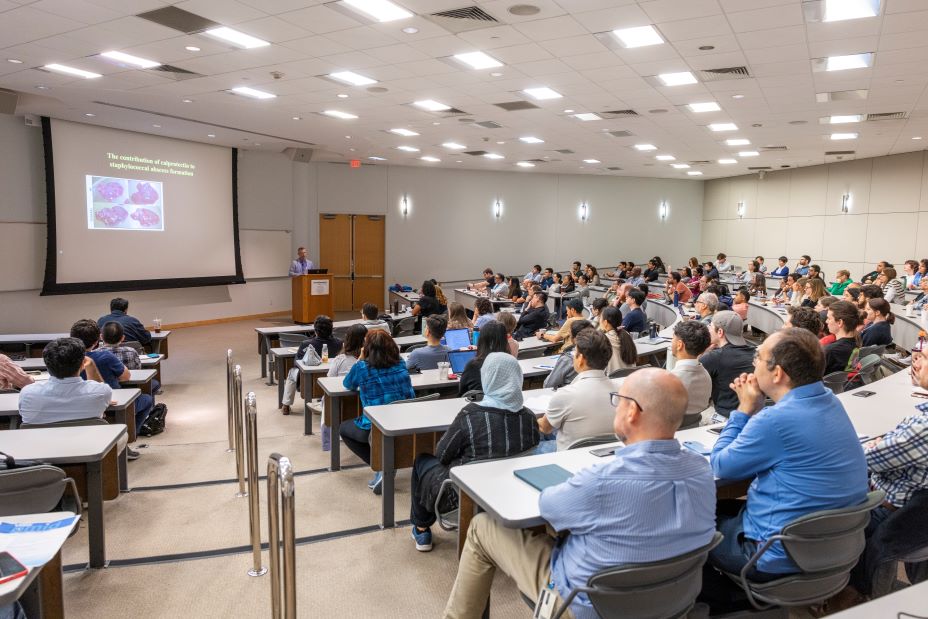
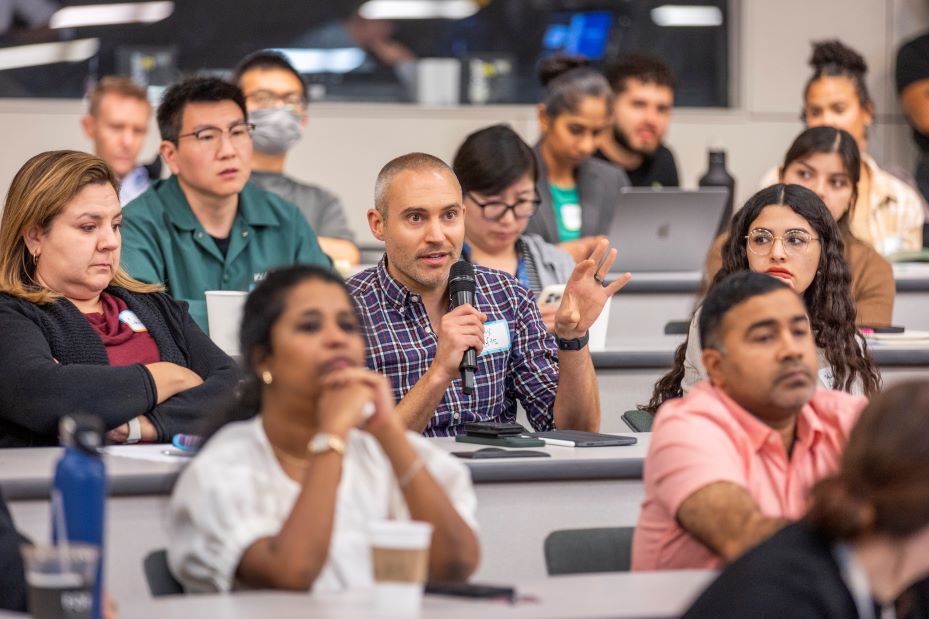
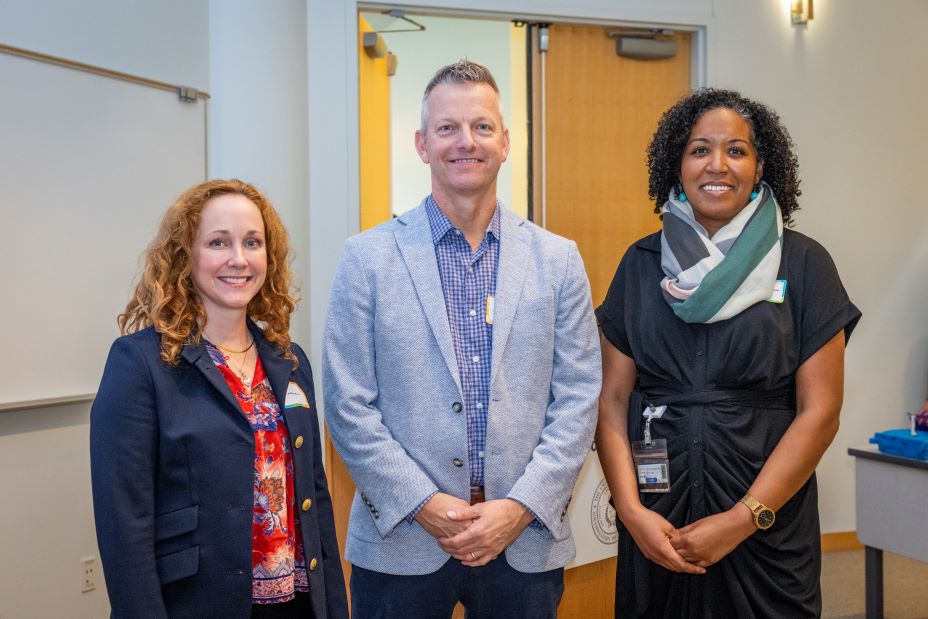
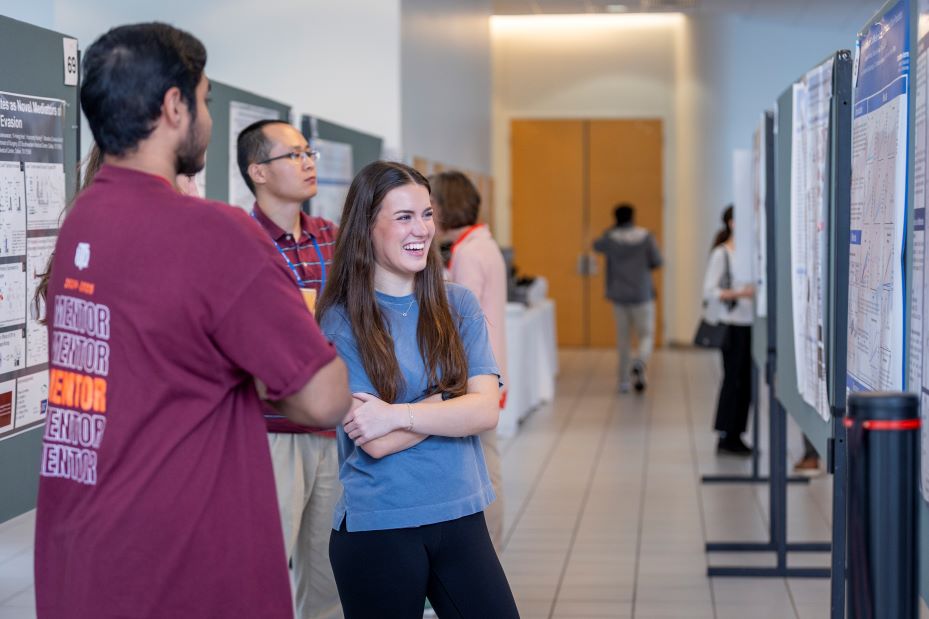
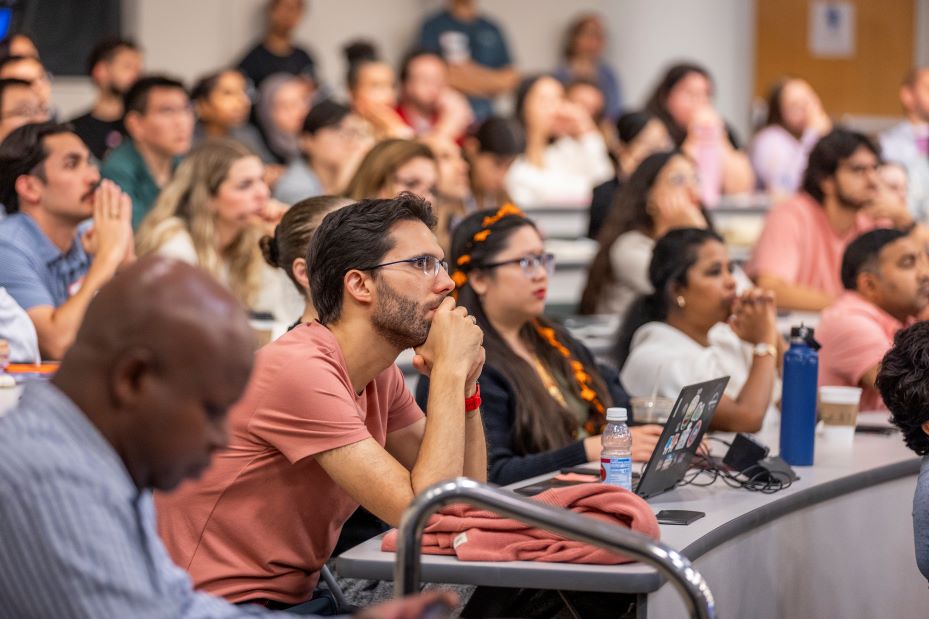
Highlights from the 2nd PMID Symposium, co-chaired by Drs. Harris-Tyron and Reese, are presented below and offer a brief glimpse of the event, and its contributions to the program’s mission.
Building on this momentum, the Organizing Committee looks forward to expanding opportunities for collaboration and showcasing emerging research through future symposia and related programming.
Selected Presentations from the 2nd PMID Symposium
Chien-Ting Wu
Department of Microbiology
The Role of Mucociliary Clearance in Respiratory Virus Dissemination in the Nasal Cavity
Wenling Li
Department of Pediatrics
Gut Microbial Metabolites Facilitate Immune Anti-Tumor Therapy Efficacy by Modulating Cytotoxic CD8+ T Cell Immunity
Cong Xing
Department of Immunology
A STING Proton Channel Mutation Reveals Interferon-Independent Functions of STING
Eric P. Skaar, Ph.D., M.P.H.
Vanderbilt Institute for Infection, Immunology and Inflammation
Exploiting Staphylococcus aureus as a Biosensor to Identify Antibacterial Effectors of the Macrophage
Emre Turer
Department of Internal Medicine, Digestive & Liver Disease
Goblet Cell Regulation of Host-Microbe Interactions
Maria Sindhura John
Department of Dermatology
Skin Testosterone Enhances MRSA Virulence via Quorum Sensing and Reveals Testosterone Antagonism as a Potential Therapy
Sergio Cepeda
Department of Immunology
Serum Amyloid A3 Mobilizes Vitamin A from Lung Lipofibroblasts to Promote Immunity to Influenza Infection
Xin Li
Department of Pediatrics
The Unexpected Signal: How Fungal RNA Talks to Intestinal Immunity
Josephine Ni
Department of Internal Medicine
A Team Approach for Virulence Factor Discovery in Invasive Escherichia coli in Inflammatory Bowel Disease