
QI Summer Fellowship
The Summer Fellowship in Quality Improvement (QI) is an immersive, eight-week program that begins the week after QI Boot Camp and extends through the summer.
Open to medical students, engineering students, and select advanced learners, the fellowship pairs each participant with a dedicated faculty mentor to design, implement, and lead authentic quality-improvement and patient-safety projects across various clinical environments. Throughout the program, fellows receive weekly structured coaching and expert guidance from faculty and QI professionals.
By the conclusion of the fellowship, participants will have applied core QI methodologies and systems engineering tools to their projects, conducted rigorous data analysis with appropriate visual displays, and produced high-quality scholarly abstracts and storyboards that meet SQUIRE reporting guidelines and are ready for submission to regional or national conferences.
After completing QI Boot Camp and later Summer QI Fellowship, learners will be able to:
- Plan and conduct a simple QI project using Plan-Do-Study-Act (PDSA) cycles
- Plan and conduct a complex QI project using the Define-Measure-Analyze-Improve-Control (DMAIC) process
- Construct and use basic QI tools appropriately
- Perform basic data analysis and display data with suitable charts and figures
- Prepare a report or abstract conforming to SQUIRE guidelines describing their project (right for submission to a regional or national conference highlighting quality improvement and patient safety)
- Recognize and show behaviors and characteristics of highly effective teams
Who Should Attend?
Medical students and trainees who have successfully completed QI Boot Camp.
Student Voices
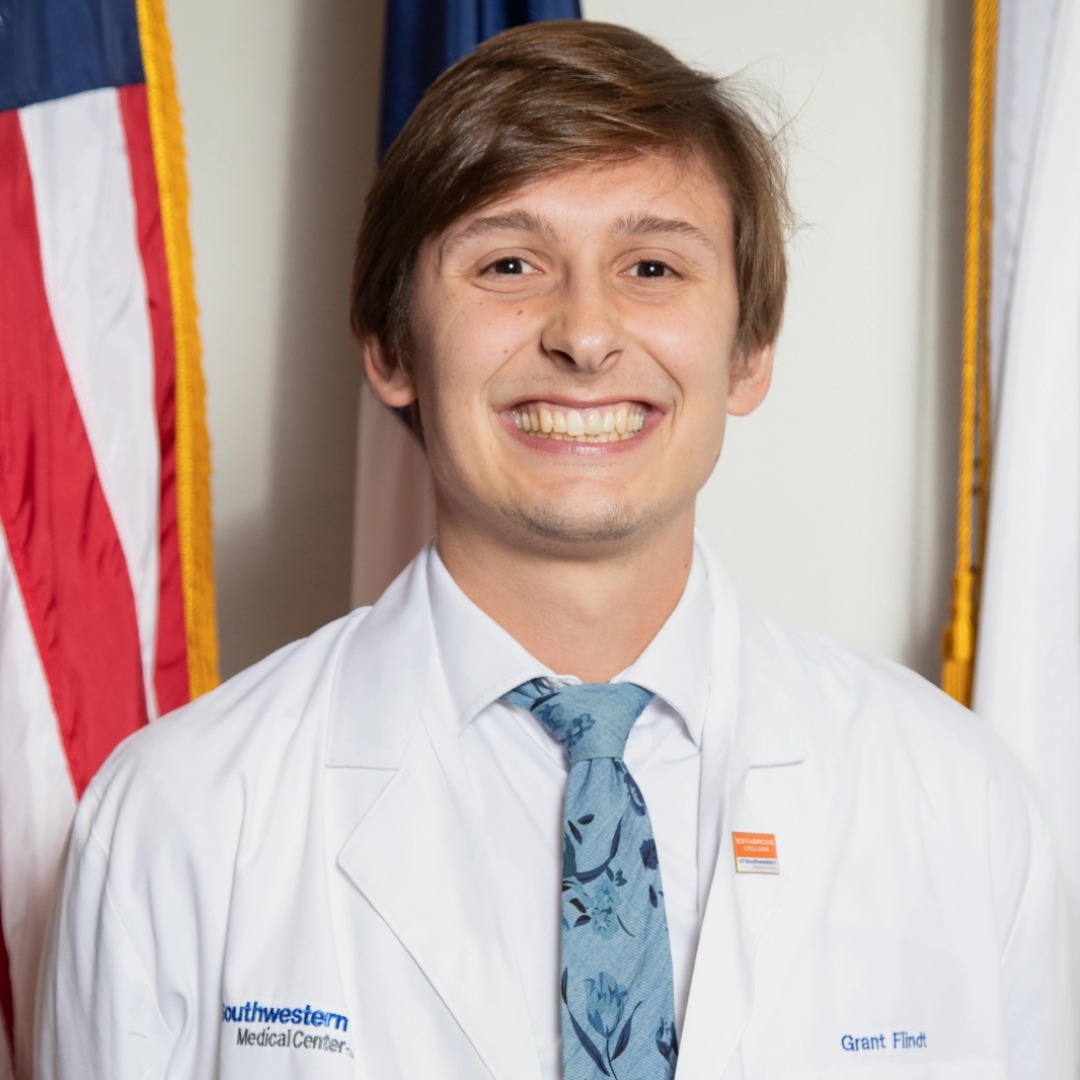
“For my summer fellowship, I was able to work with Dr. Sarah Wingfield and Dr. Megan Sorich on reducing length of stay after hip fracture for older adults on the RESTORE ortho-geriatric service. After consulting literature and completing a root cause analysis we identified high rates of post-operative delirium as a potential driver behind increased length of stay on the service. Using this information, we developed and are implementing our first intervention to reduce delirium on the service. This project, and my QI experience at UTSW, have taught me a lot about the complexities of healthcare and the importance of using data to drive innovation and improvement. As I continue my career in Internal Medicine, I hope to continue working with older adults and using QI methodology to provide high-value care to all of my future patients.”
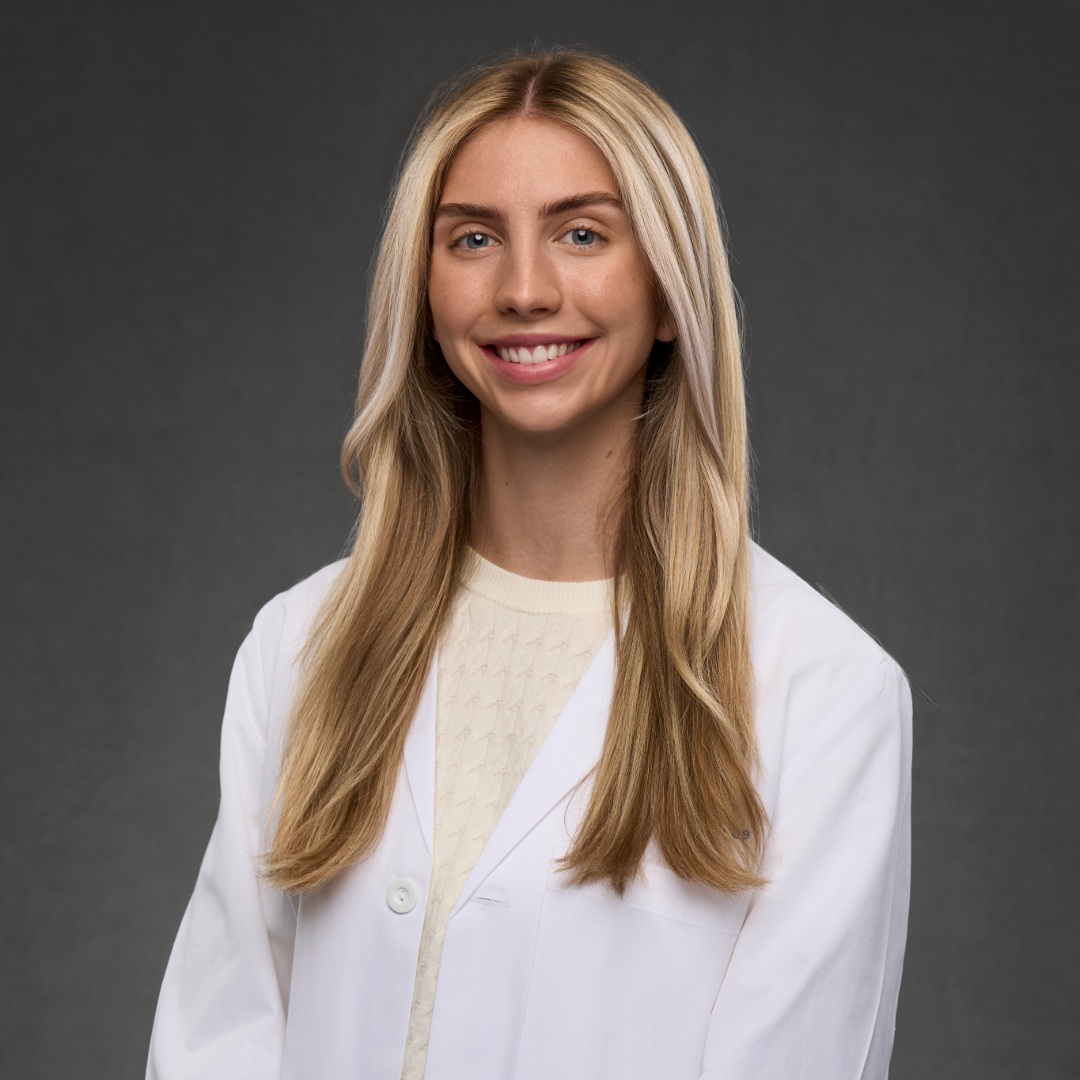
“With QI, I’ve found a field focused on refining the health systems that shape how care is delivered. This work can profoundly improve patient outcomes and safety while reducing healthcare delivery costs and medical waste. John Williamson from Johns Hopkins said it best: "Achievable Benefit Not Achieved." Current healthcare systems often fall short not because we don’t know what to do, but because we haven’t yet discovered how to deliver care consistently and equitably. Closing that gap requires seeing the person in front of you not just as a patient, but as a person within the broader health system.
Participating in research with the QI Summer Fellowship and Distinction Program has helped me see how meaningful systems-level change can improve patient outcomes while bettering healthcare as a whole. The skill-set I gained in the fellowship will stay with me no matter which specialty I pursue. More importantly, it will help me deliver better care to every patient I serve.”