The Office of Quality, Safety, & Outcomes Education

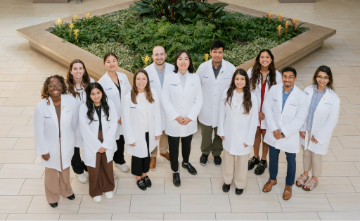
QSOE Staff
QSOE Staff

For over a decade, UT Southwestern's Office of Quality, Safety, and Outcomes Education (QSOE) has collaborated with internationally recognized experts in quality improvement, team science, high-reliability organizations, and patient safety – alongside our own faculty, educators, and clinicians – to develop rigorous programs and resources that advance patient safety, optimize clinical systems, and promote a sustained culture of evidence-based improvement.

Our focus is on Southwestern Research and Clinical Excellence in Quality Improvement (SOURCE-QI), which provides medical students, trainees, faculty, and staff with the knowledge, skills, and methodological rigor required to advance the quality and safety of patient care throughout our health system and beyond.

Education

QI Academy offers a portfolio of courses tailored to learners' career stage – from medical students and trainees to faculty, nurses, staff, and other healthcare professionals. Our tiered curriculum ensures progressive skill development, beginning with foundational introductions to core methodologies and advancing to intensive, guided experiences that apply improvement science in real clinical settings. These programs provide participants with the practical knowledge, tools, and skills to lead and sustain improvement efforts at every level.
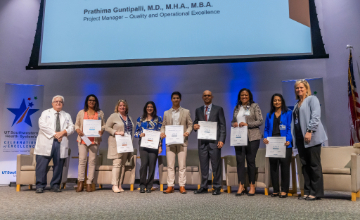
Recognition & Impact

Learn about Academy of Performance Excellence (APEX), a tiered recognition pathway that honors sustained commitment to performance excellence and patient safety. Through progressive milestones in education, project leadership, and scholarly contribution, participants demonstrate mastery of improvement science, high-reliability principles, and systems-based leadership – earning formal acknowledgment of their expertise and impact.

Resources

Access a suite of fully digital, self-paced tools designed to support every stage of quality improvement work. These resources equip individuals and teams with immediately usable, evidence-based materials to translate insight into sustained improvement.

QI Basics Primer
A concise introduction to core improvement concepts and methods, ideal for beginners or as a quick reference.
QI Methodology On-Demand
A comprehensive, self-paced digital library of video modules addressing foundational and advanced quality improvement methodologies and tools, team science, and systems thinking. Designed for on-demand access, these modules allow learners to progress at their own pace and earn a certificate of completion. Physicians and nurses are eligible to receive Continuing Medical Education (CME) and Continuing Professional Development credits.
Quality Improvement for Faculty Development
The Office of Quality, Safety, & Outcomes Education, in partnership with the Office of Faculty Development, invites you to complete the Quality Improvement (QI) Methodologies course in Taleo. Upon completion, a downloadable certificate of completion is available. Credit toward recognition in the Academy for Performance Excellence (APEX) (insert link), the UT Southwestern recognition program that awards achievement and commitment to continuous learning, participation in improvement initiatives, scholarly work, and mentorship in healthcare quality and patient safety.

FailSafe
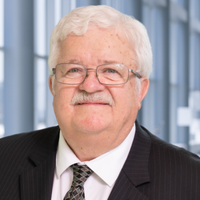
FailSafe QI is a practical guide designed to help users understand Event Reports and Root Cause Analysis, and to report both adverse events and near misses efficiently. The app aims to raise awareness, encourage active participation in patient safety reporting, and support the delivery of high-quality care. It offers tailored reporting guidance for trainees at Clements, Parkland, Scottish Rite, and VA hospitals. In addition to reporting tools, FailSafe Qi also provides easy access to educational videos on quality improvement methodologies and tools. The FailSafe QI app is developed by the UT Southwestern Office of Quality Safety and Outcomes Education, made possible by the S. T. Harris Family Distinguished Chair in Internal Medicine, in honor of Gary Reed, M.D.