
Behavioral Neurology and Neuropsychiatry Fellowship
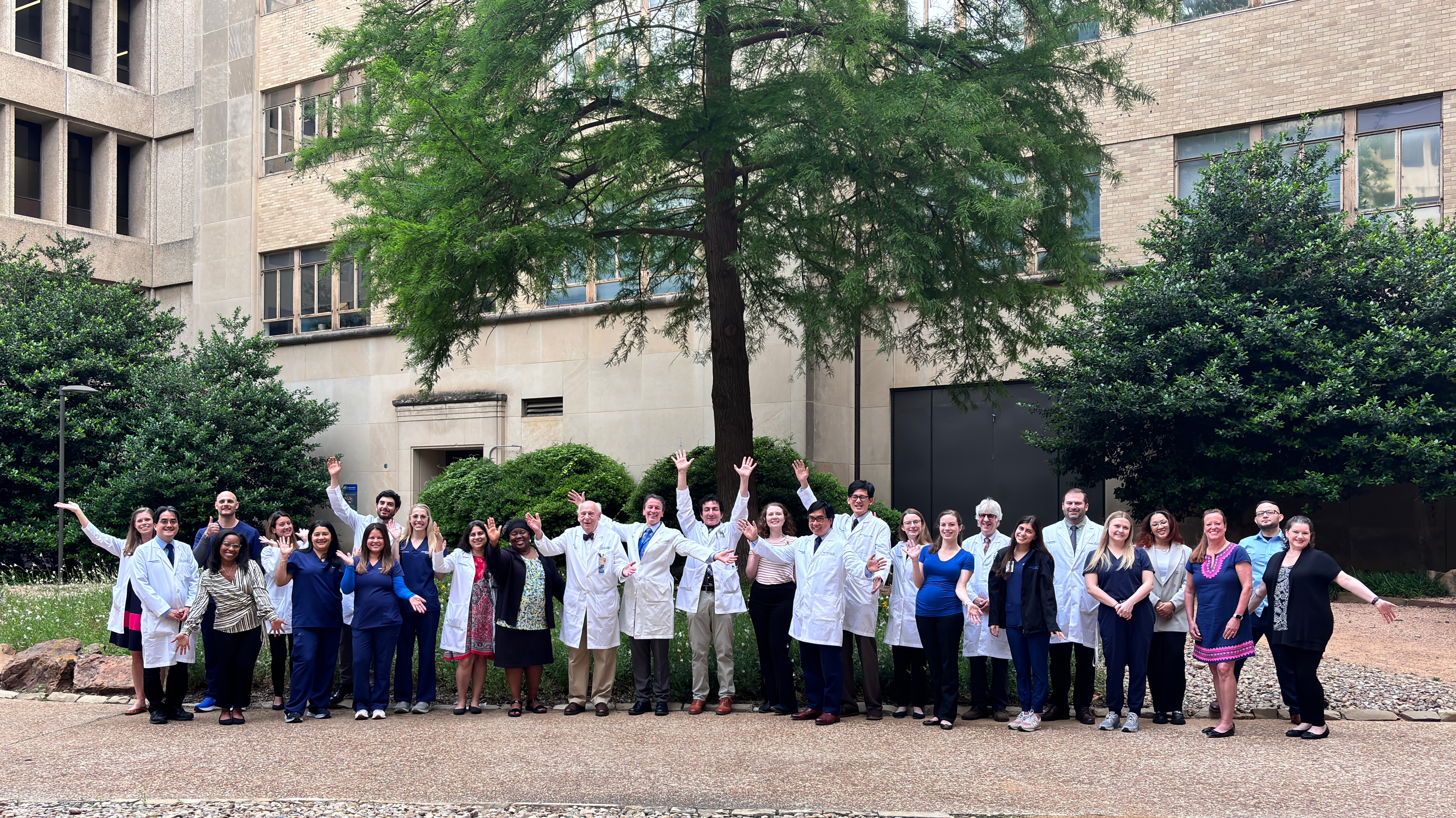

Our fellows are guided by faculty recognized nationally and internationally for their academic contributions to understanding Alzheimer’s disease and the impact of cardiometabolic factors on cognition. We have the infrastructure for fellows to explore the intersection of cognitive disorders and other neurological conditions through integrated cross-training & research.
Unique Features
Fellows gain comprehensive, multidisciplinary training in both common and rare conditions—including prion disease, leukodystrophies, and corticobasal degeneration—while developing proficiency in neurocognitive testing. As the only NIA-funded Alzheimer’s Disease Research Center (ADRC) in North Texas (NT), we provide fellows with an opportunity to network and participate as co-investigators with world-renowned leaders in the field. Clinical training is complemented by active basic science programs embedded within the Center for Alzheimer’s and Neurodegenerative Diseases (CAND), the Texas Alzheimer's Research and Care Consortium (TARCC), and collaboration with UT-Dallas Neuroscience programs.
View clinical & research faculty
1
NIA-funded Alzheimer’s Disease Research Center
2
Up to 2 fellows accepted
8
Extramurally funded faculty
Program Specifics
Learn more about our one or two-year United Council for Neurologic Subspecialties-accredited (UCNS) fellowship.
- Clinical Training
Our nationally recognized faculty provide fellows with comprehensive, hands-on experience across the full spectrum of cognitive disorders and the flexibility to tailor training to individual career goals. Altogether, cognitive and behavioral faculty provide 18 clinic sessions per week.
Cognitive and Memory Disorders Clinic at Aston Ambulatory Center: Fellows are exposed to a broad array neurodegenerative, vascular, and autoimmune disorders. They become proficient in neurocognitive testing and specialized neuroimaging techniques. Training includes coordinating patient care with neuropsychologists and psychiatrists, neuropalliative specialists, and social worker.
Dementia Clinic at Parkland Health: Serves as a safety net for residents of Dallas County, where trainees learn about the impact of social determinants of health on the care of these patients.
Clements University Hospital (CUH): Occasional inpatient consults on rare neurodegenerative disorders.
An optional second year of training aims to prepare fellows for academic careers with an emphasis on clinical or translational research.
- Didactic Training
Didactics provide our trainees with time to reflect on clinical nuances, discuss recent discoveries and changes in guidelines, learn from complex cases, and take a thoughtful approach to building human connections with our patients. All the following are touchpoints to deepen your understanding of Cognitive & Behavioral Neurology while broadening your neurology knowledge base.
Weekly:
- Case presentations (including clinicopathological cases from the ADC cohort): Goal is to enhance clinical reasoning and management skills. Fellows, residents, and faculty collaboratively review complex and unique cases. The interactive format enables multidisciplinary discussion, promotes evidence-based decision-making, and fosters a deeper understanding of disease mechanisms and therapeutic interventions.
- Departmental Grand Rounds: All faculty, APPs, residents, and fellows join departmental grand rounds in person to hear from leading national experts. These sessions provide a platform for in-depth discussions of recent advances and cutting-edge research across various specialties. It encourages critical thinking by presenting complex diagnostic challenges, novel treatment approaches, and emerging scientific insights.
Monthly:
- Journal Club: Provides a collaborative forum for trainees and faculty to critically review and discuss current scientific literature relevant to cognitive and behavioral specialty. Participants analyze current research articles, evaluate study design and methodology, and explore clinical implications to enhance evidence-based practice.
- Research Opportunities
Section Research
The Cognitive & Behavioral section is actively involved in advancing basic, translational, and clinical research. UTSW participates in the Texas Alzheimer's Research and Care Consortium (TARCC) to improve early diagnosis, treatment, and prevention of Alzheimer's disease.
Fellow Research Opportunities
Fellows may pursue a second year of research fellowship and benefit from close mentorship, serving as sub-investigators in clinical or translational research at Texas's Alzheimer's Disease Center (ADC). Working alongside world experts, fellows develop skills in grant writing, data collection and analysis, and scientific writing for publication. Our integrated Biostatistics and Clinical Informatics section enriches research mentorship by collaborating with fellows to develop high-quality study designs.
Examples of research opportunities include:
- Hypertension and ADRD - Ihab Hajjar, M.D.
- Vascular-based neuroimaging - Rong Zhang, Ph.D.
- Prion biology and protein aggregation - Marc Diamond, M.D.
- Tauopathies and their role in AD - Barbara Stopschinski, M.D.
- Semantic Memory - John Hart, M.D.
- Metabolic deficits in AD - Makoto Ishii, M.D., Ph.D.
- Brain focused ultrasound for AD - Bhavya Shah, M.D.
- Noninvasive brain stimulation - Christian LoBue, Ph.D.
Fellows showcase their work at the Annual Neurology Research Day, where poster sessions are reviewed for originality, design, and impact—preparing them for success at national meetings.
Funds to attend conferences
Trainees have educational funds and can apply for scholarship funds to support attendance when presenting an abstract or poster at a conference. Fellows can apply for the UTSW-led Clinical and Translational Science Award and OBI travel funds.
- Program Leadership & Application Information
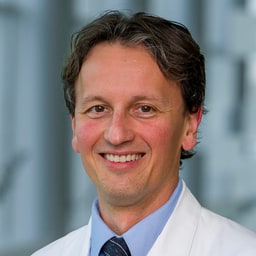
Program Director
To apply, please email the following documents for review:
- Personal Statement
- CV
- ECFMG Certificate (if applicable)
- J1 status (if applicable)
- Three letters of recommendation (one from your current program director)
- USMLE score report or equivalent
- Medical school transcripts
- Residency transcripts
- Current photo
Typical Timeline
Applications are generally accepted 18 months before the anticipated start of training.- Applications are accepted on a rolling basis
- Interviews occur on receipt of the application
neurofellowship@utsouthwestern.edu to apply or if you have any questions.
Current Fellows
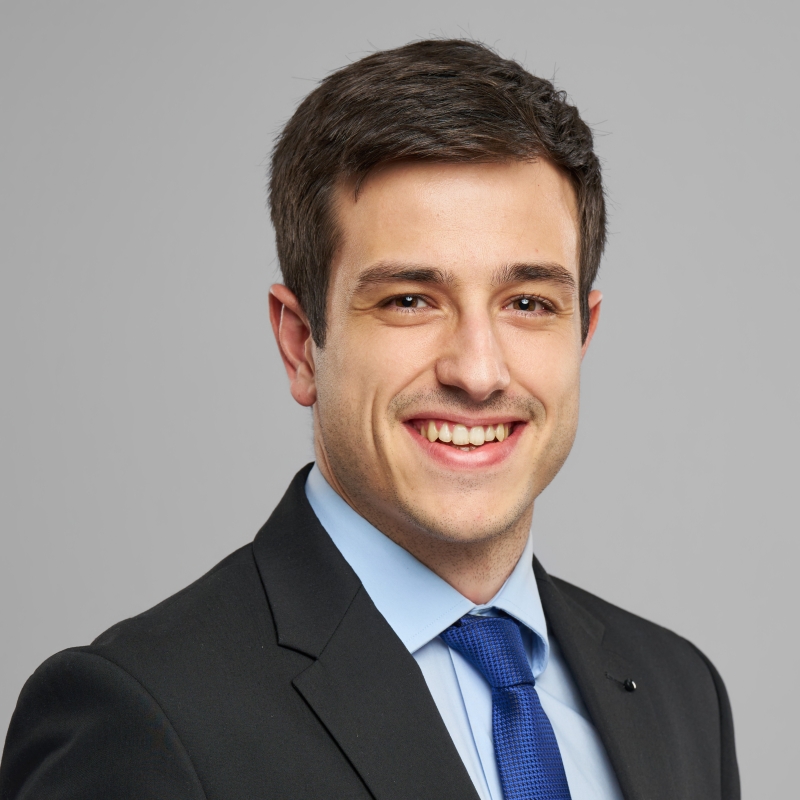
Nil Saez Calveras, M.D.
Residency: UTSW, Neurology - PSTP
Medical School & Undergraduate: Universitat de Barcelona, Spain
From Fellowship Alumni
"I loved working with our faculty from whom I learned different styles to patient care which later has informed my own practice. Fellows have the autonomy to choose what they're interested in, whether it's basic science research, clinical trials, specific topics within BNNP, education, or something else. Because we are a small group, a lot of learning happens in the hallway with a free-flowing curriculum that allows us to adapt to whatever is needed. I was granted the freedom to learn how to be a clinical trialist under an adjunct faculty, which has been an invaluable experience, especially since the future of our field relies on newly approved therapies."