
Autonomic Disorders Fellowship
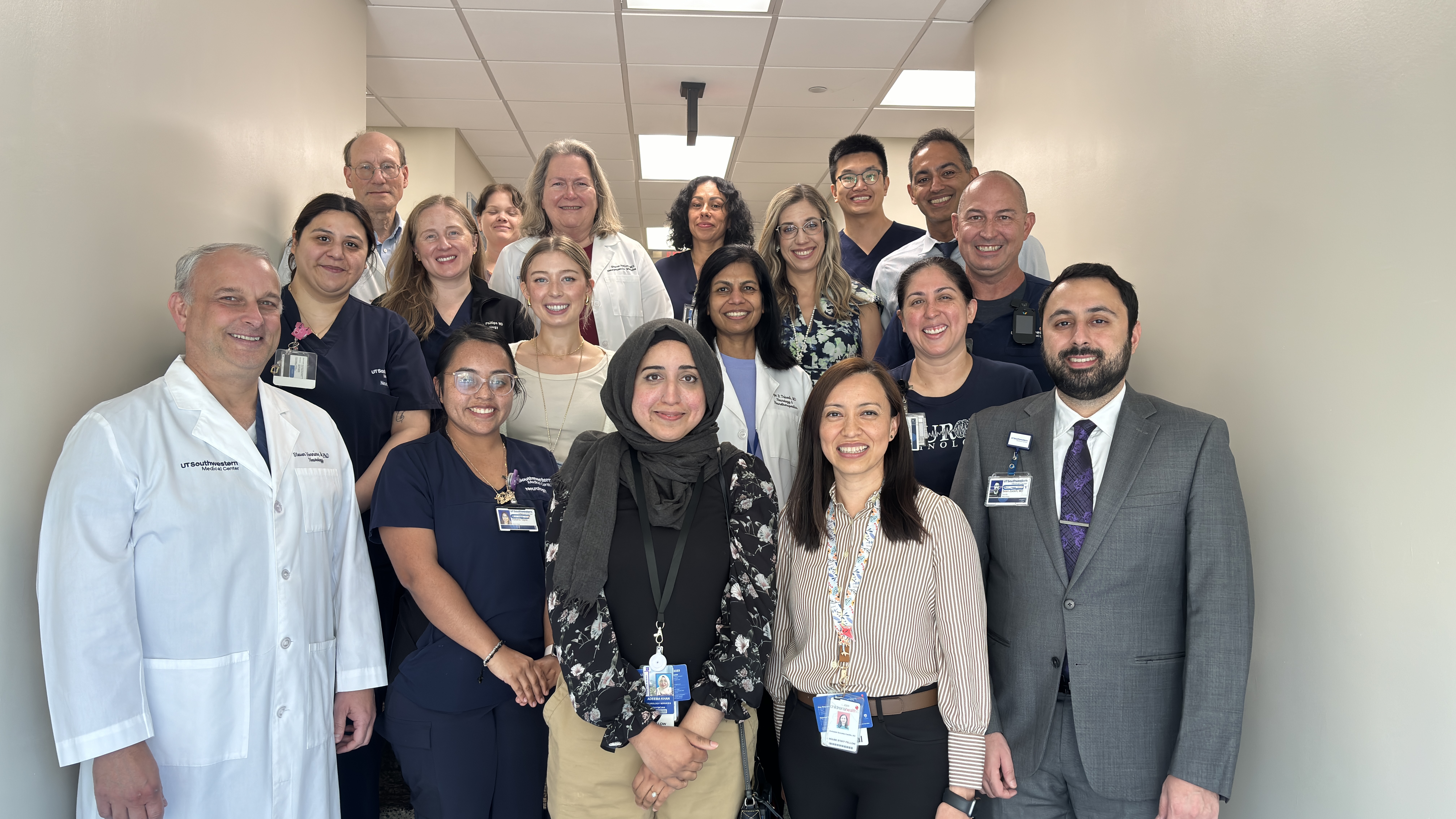

Our fellowship emphasizes a comprehensive approach to multidisciplinary patient care and clinical/translational research. Fellows gain an understanding of the interplay between neuroanatomy, cardiovascular physiology, and pharmacology."
Unique Features
The autonomic program is home to a Multiple System Atrophy (MSA) multidisciplinary Center of Excellence and an NIH-funded research program for POTS. Trainees learn directly from world leaders in the field: Dr. Steven Vernino, a global authority in autonomic and autoimmune neurology and past president of the American Autonomic Society, and Dr. Ben Levine, a renowned expert in autonomic and cardiovascular physiology who pioneered the exercise training programs for NASA astronauts and for POTS. The combined expertise of the faculty offers fellows an unparalleled environment for clinical care, research, and innovation in autonomic disorders.
View clinical & research faculty
4
Autonomic function labs
600+
Autonomic function test performed per year
6
Faculty engaged in extramurally funded research
Program Specifics
Learn more about our United Council on Neurological Subspecialties-accredited one-year program. This is one of only six UCNS-accredited autonomic fellowships in the country.
- Clinical Training
Shaped by their own clinical expertise, our faculty have established subspecialty clinics, providing fellows with the flexibility to tailor their training to individual career goals. Altogether, patient-facing faculty provide 8 clinic sessions per week.
- Autonomic Testing Laboratories: fellows receive hands-on clinical training in the autonomic testing laboratories (typically 4 half-day sessions per week) with planning of studies, analysis of data, and preparation of reports. Fellows can observe more advanced testing, including cardiopulmonary exercise testing, skin biopsy, microneurography, and autoantibody assays.
- Autonomic Clinic at Aston Ambulatory Center: Hands-on patient care experiences in the autonomic clinics (typically 4 half-day sessions per week), plus a monthly MSA multidisciplinary clinic. Fellows can participate in clinics with associated specialists in GI motility, cardiac amyloidosis, thermoregulation, and hypertension.
- Autonomic Clinic at Institute for Exercise and Environmental Medicine: Advanced diagnostic testing (autonomic function, cardiopulmonary exercise testing, thermoregulatory testing, microneurography) and patient care experience in a cardiac physiology setting. (typically one day per week)
- Related subspecialty clinics: Opportunities to intermittently attend autonomic-related subspecialty clinics, including GI motility clinic, amyloidosis clinic, EDS clinic and others.
- Didactic Training
Didactics provide our trainees with time to reflect on clinical nuances, discuss recent discoveries and changes in guidelines, learn from complex cases, and take a thoughtful approach to building human connections with our patients. The following touchpoints are designed to deepen understanding of Autonomic Disorders while broadening the overall knowledge base in neurology.
Weekly
- One-on-one teaching conferences covering important topics in Autonomic Medicine
- Departmental Grand Rounds: All faculty, APPs, residents, and fellows join departmental grand rounds in person to hear from leading national experts. These sessions provide a platform for in-depth discussions of recent advances and cutting-edge research across various specialties. It encourages critical thinking by presenting complex diagnostic challenges, novel treatment approaches, and emerging scientific insights.
Monthly
- Journal Club: Provides a collaborative forum for trainees and faculty to critically review and discuss current scientific literature relevant to autonomic disorders. Participants analyze current research articles, evaluate study design and methodology, and explore clinical implications to enhance evidence-based practice
- Case presentations: Goal is to enhance clinical reasoning and management skills. Fellows, residents, and faculty collaboratively review complex and unique cases. The interactive format enables multidisciplinary discussion, promotes evidence-based decision-making, and fosters a deeper understanding of disease mechanisms and therapeutic interventions
- Autonomic Research Meeting: faculty, fellows, and research staff discuss ongoing studies, review progress on active clinical protocols, and explore new opportunities for collaboration in autonomic and related neurological research.
- Research Opportunities
Section Research
The Autonomic section is actively involved in advancing translational and clinical research, participating in 4 to 5 studies. This includes investigator-initiated research in POTS, autonomic physiology, disease biomarkers, as well as industry-sponsored clinical trials.
Fellow Research Opportunities
Fellows benefit from rich and diverse mentorship opportunities that support their scholarly growth. Working alongside world experts, fellows develop skills in protocol development, data collection and analysis, and scientific writing for publication. Robust clinical and biospecimen databases are available. Our integrated Biostatistics and Clinical Informatics section enriches research mentorship by collaborating with fellows to develop high-quality study designs.
Examples of current research opportunities include:
- MSA & POTS: Steven Vernino, M.D., Ph.D., Meredith Byrarly, M.D.
- Cardiovascular Physiology Autonomic Function: Benjamine Levine, M.D.
Fellows showcase their work at the Annual Neurology Research Day, where poster sessions are evaluated on originality, study design, significance, and independence of work, providing constructive feedback to prepare them for national meetings. Fellows also attend the annual American Autonomic Society meeting and may attend other national meetings to present research.
Funds to Attend Meetings
Trainees have educational funds and can apply for scholarship funds to support attendance when presenting an abstract or poster at a conference. Fellows can apply for the UTSW-led Clinical and Translational Science Award and OBI travel funds.
- Program Leadership & Application Information
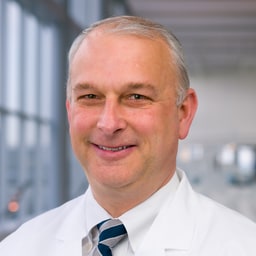
Program Director, Autonomic Disorders Fellowship
Requirements
Autonomic disorders fellows are usually at the PGY5 or PGY6 level. Applicants must have completed an ACGME-accredited residency (in neurology, child neurology, internal medicine or PM&R) and must be board-certified or board-eligible in their primary specialty and must be board-certified or board-eligible. Although not required, the following are desirable before the start of the autonomic fellowship:
- Completion of one or more years of subspecialty training following a primary residency. Frequently, neurology-trained fellows pursue the autonomic fellowship as a second year of subspecialty training (previous fellows, for example, have completed autonomic fellowship after a year of fellowship training in neuromuscular, clinical neurophysiology, movement disorders, sleep medicine or headache medicine)
- Full unrestricted Texas medical license (J1 visa applicants must be eligible for a TMB training permit)
- Evidence of interest in academic career development, including prior research and publications
Application & Typical Timeline
Applications are accepted throughout the year. Interviews and offers typically take place in the calendar year prior to the expected starting year.
To apply, please email the following documents for review using the button below:
- Personal Statement
- CV
- ECFMG Certificate (if applicable)
- J1 status (if applicable)
- Three letters of recommendation (one from your current program director)
- USMLE score report or equivalent
- Medical school transcripts
- Residency transcripts
- Current photo
Thank you for your interest in our Fellowship Program.