
Physical Medicine and Rehabilitation Clinical Experience
Schedule Overview
The PGY-1 year takes place primarily at Parkland Hospital and features 3 months of Internal Medicine Wards, 6 weeks of Emergency Medicine, 2 months of IM and IM Subspecialty Consults, 2 weeks of IM Night Float, and 10 weeks of Neurology (3 weeks of general inpatient, 3 weeks of stroke inpatient, 2 weeks of neuro critical care, and 2 weeks of clinics). Our interns spend 2 weeks in the Burn ICU, ensuring they are well-equipped to manage burn patients on inpatient rehabilitation and PM&R burn rehab clinics throughout residency. 4 additional outpatient weeks at Parkland allow our interns to attend Palliative Care clinics and learn from our radiologists in the Neuro and MSK reading rooms. Everyone's favorite rotation is the 4-week PM&R outpatient clinics block, where our interns spend time with many of our 50 PM&R faculty, exposing them to over 20 subspecialties, from Spasticity to Sports Medicine, Pediatric Rehab to Pain Management, Pelvic Rehab, Cancer Rehab, Burn Rehab, and more! Our interns also spend the first and last week of intern year with us in orientation and automatically are assigned PTO over Thanksgiving and Christmas weeks. Our interns are excused from many of their rotations to attend PM&R didactics on Tuesday mornings with our PGY-2 through PGY-4 residents.
The PGY-2 through PGY-4 years are carefully designed to allow our residents to become master physiatrists, growing and learning together with faculty to develop competence across all core areas of PM&R. Our residency rotation schedule features nine blocks of approximately 6 weeks long. There are 15 weeks of Individualized Educational Experiences (IEEs), including 3 weeks in PGY-2, 3 weeks in PGY-3, and 9 weeks in PGY-4, which allow our residents to tailor their education to their future plans as well as hone their skills in core competencies before graduation. 12 months of inpatient rehabilitation expose residents to varied patient populations at 4 different certified inpatient rehabilitation centers. Outpatient clinics, consultation services, and EMG training are similarly offered across multiple different institutions. Our pediatric rehabilitation exposure includes 6 weeks of inpatient rehab and 6 weeks of outpatient Peds PM&R clinics/consults.
UTSW PM&R residents graduate with far greater numbers of procedures than those required by the ACGME, including 200 EMGs which allows them to sit for ABEM certification. While our residents certainly practice US and other procedures in didactic workshops throughout the year, we do not expect our residents to count simulated or practice procedures toward their ACGME procedure log requirements – there are ample opportunities for real procedures performed on real patients!
Rotations
The actual PGY-1 through PGY-4 schedules have inpatient blocks offset by outpatient/consult blocks.
PGY-1
- PH IM Wards (Inpatient) – 8 weeks
- UT IM Wards (Inpatient) – 4 weeks
- PH Neuro General/Stroke (Inpatient) – 4 weeks
- PH Neuro Stroke/NCC (Inpatient) – 4 weeks
- PH Burns (Inpatient) – 2 weeks
- PH/UT IM night float – 2 weeks
- PH IM consults – 4 weeks
- VA IM consults/clinics – 4 weeks
- UT/PH PM&R clinics (Outpatient) – 4 weeks
- PH clinics (Neuro, Palli) (Outpatient) – 4 weeks
- PH Rads (Outpatient) – 2 weeks
- PH ED – 6 weeks
- Orientation and holiday PTO – 4 weeks
PGY-2 through PGY-4 years are divided into nine blocks of 5-6 weeks each.
PGY-2
- UT IPR Stroke/TBI (Inpatient)
- UT IPR Stroke/TBI (Inpatient)
- UT IPR SCI (Inpatient)
- PH IPR (Inpatient)
- VA SCI IPR (Inpatient)
- CH Peds IPR (Inpatient)
- UT/PH night float and UT IEE
- PH PM&R clinics/consults
- VA PM&R clinics
PGY-3
- UT IPR Medical Complex (Inpatient)
- PH IPR (Inpatient)
- UT/PH night float and UT IEE
- PH EMG
- VA EMG
- UT EMG + NM/MSK clinics (Outpatient)
- UT/PH Pain/Spine clinics (Outpatient)
- CH Peds clinics/consults
- PH PM&R consults
PGY-4
- Presby IPR (community hospital)
- PH EMG
- UT IEE
- PH IEE and UT PM&R clinics
- PH MSK clinics
- VA MSK clinics
- PH PM&R clinics
- PH PM&R clinics/Burn Rehab consults
- UT PM&R consults
Abbreviations:
Locations: PH – Parkland Hospital and Clinics, UT – UT Southwestern Hospitals and Clinics, VA – Dallas VA North Texas Medical Center, CH – Children's Hospitals and Clinics, Presby – Texas Health Resources Presbyterian Hospital
Rotation Names: IM – Internal Medicine, NF – Night Float, Rads – Neuro and MSK Reading Rooms, ED – Emergency Department, PTO – Paid Time Off, IPR – Inpatient Rehabilitation, EMG – Electrodiagnosis, NM – Neuromuscular, MSK – Musculoskeletal, Peds – Pediatric Rehabilitation, IEE – Individualized Educational Experiences (ACGME's new term for elective/selective time)
Call Overview
| PGY2 | PGY3 | PGY4 |
|---|---|---|
| 3 weeks of night float Mon-Fri | 2-3 weeks of night float Mon-Fri | No night float |
| 6-7 Sunday 28h calls (including 1 holiday) | 5-6 Saturday 24h calls | No call |
| 5-6 Sat or Sun Parkland IPR rounding, ~8am-1pm | 5-6 Sat or Sun Parkland IPR rounding, ~8am-1pm | No Parkland weekend rounding |
| 4-5 weeks VA home call + Saturday rounding | No VA home call or rounding | No VA home call or rounding |
Training Sites
Parkland Hospital: New Parkland Hospital opened in 2015
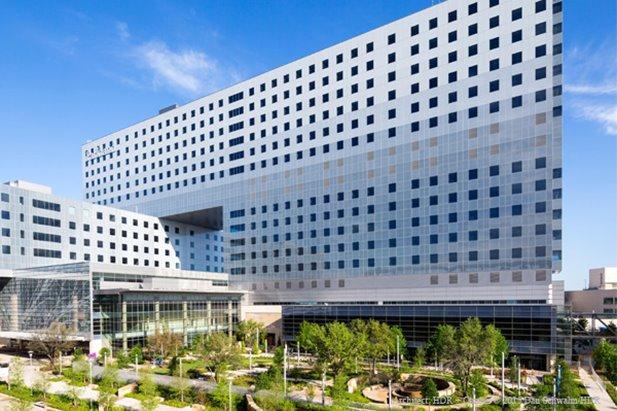
- 983-bed capacity
- Parkland is Dallas County's only public hospital and one of the country's largest
- Level I trauma center, largest ED in the nation
- A large portion of UTSW PM&R Intern year is here, along with 10 different rotations during PGY-2 through PGY-4 years
- Inpatient Rehabilitation Unit 17th Floor – 24-bed unit
- Ron J Anderson Clinic – Primary UTSW PM&R Parkland Clinic Site
- Prosthetics and Orthotics and Outpatient Therapies
- PM&R Clinics in the Parkland system include General PM&R, Amputation, Spasticity, MSK/Sports, EMG, Burn Rehab, TBI, SCI, Adult CP, Neuromuscular, and Spine.
Zale Lipshy Pavilion:
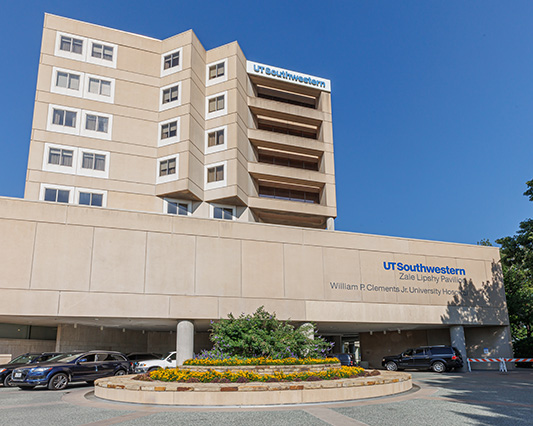
- UTSW's Inpatient Rehabilitation Facility (6th and 8th floors) - 47 beds
- Other floors include: ORs, General Medicine, Medical ICU, Dialysis, Therapy Gyms, Radiology
- Less than 1 mile from Clements University Hospital
- A large portion of PGY-2 year is spent here on inpatient rotations
Clements University Hospital: Opened for patients in 2014
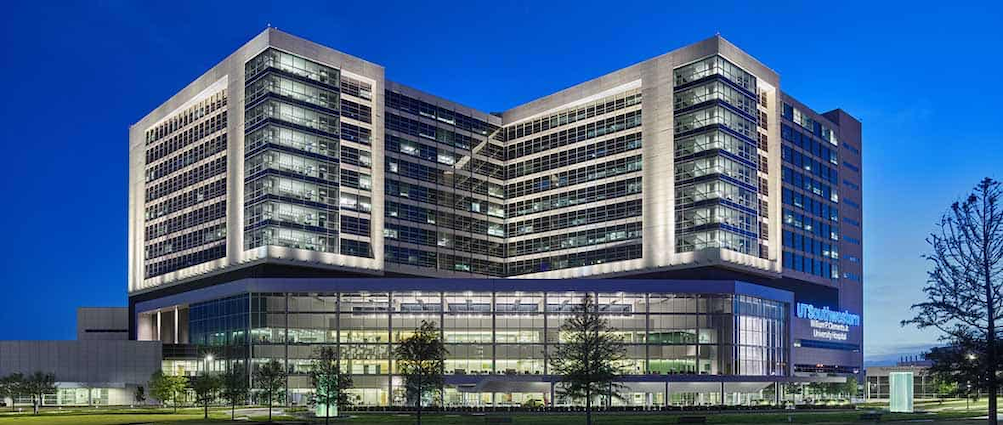
- Expanded in 2020
- UTSW primary teaching hospital
- 750 beds
- PGY-1 Internal Medicine, PGY-4 consult rotation
Children's Medical Center:

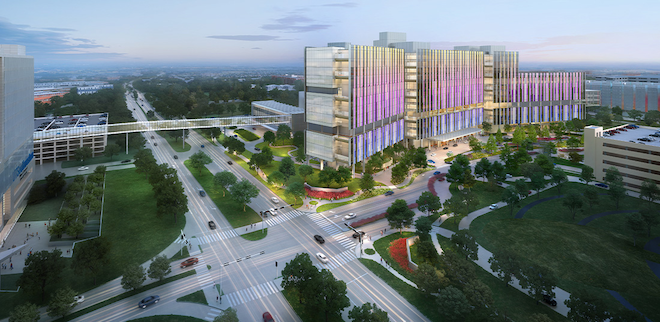
- 7th largest pediatric hospital in the United States
- Expanded to Plano in 2008, with a new tower built in 2024 (with a new Inpatient Rehab Unit!)
- New pediatric campus currently being built – estimated completion 2031
- Inpatient experience PGY2, Outpatient and consult experience PGY3
Dallas VA North Texas:
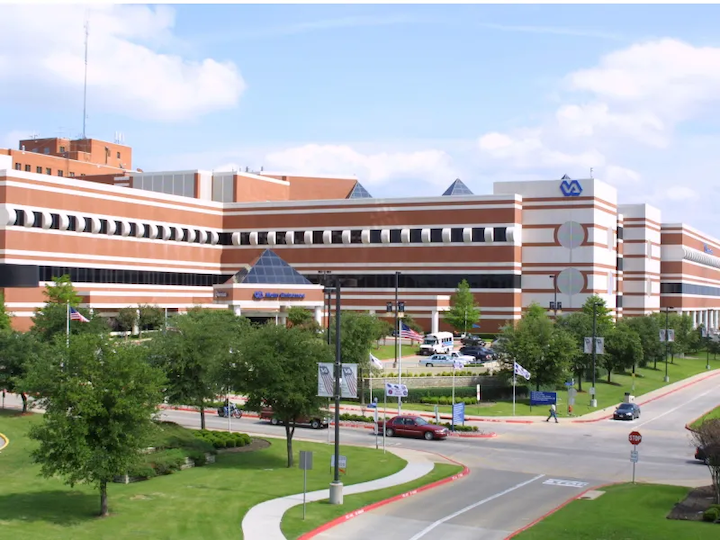
- Dedicated Spinal Cord Injury Unit – inpatient rotation PGY2
- Outpatient Clinics
- TBI/SCI/Amputation - outpatient rotation PGY2
- EMG – outpatient rotation PGY3
- MSK – outpatient rotation PGY4
Texas Health Presbyterian:
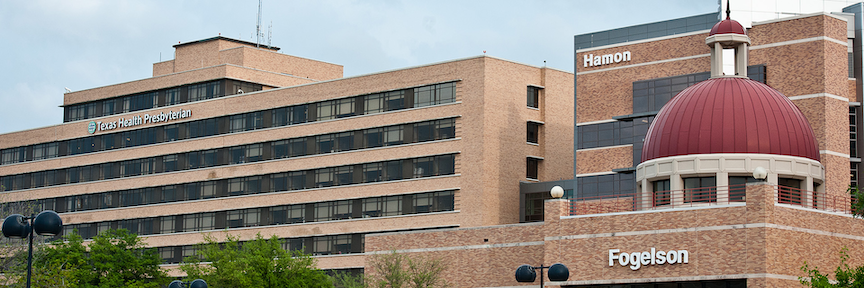
- Level I trauma center
- Inpatient community IPR experience PGY4
Other Clinical Sites
- UT Sprague Clinic (Pain, MSK, Multiple Sclerosis, Wheelchair Seating/Positioning Clinic, Spasticity Management including the Intrathecal Baclofen Pump program)
- UT Aston Clinic (TBI, SCI, Spasticity, EMG, Neuromuscular, Pelvic Rehab, EDS, Long Covid, Amputation, MSK, General)
- UT Multidisciplinary Spine Center
- UT Wound Care Clinic (staffed by physiatrists!)
- UT School of Health Professions (Multidisciplinary Amputation Clinic with PM&R, prosthetists, and therapists)
- UT Las Colinas (Sports Medicine, Pain/Spine)
- UT Frisco (Sports Medicine, EMG, Neuromuscular, Neuro Rehab, Spine)
- UT Plano/Richardson (Spine)
- Parkland Employee Health Center, CV Roman and other Community-Oriented Clinics (COPCs)
- And more!