Urogynecology Global Health in Zambia
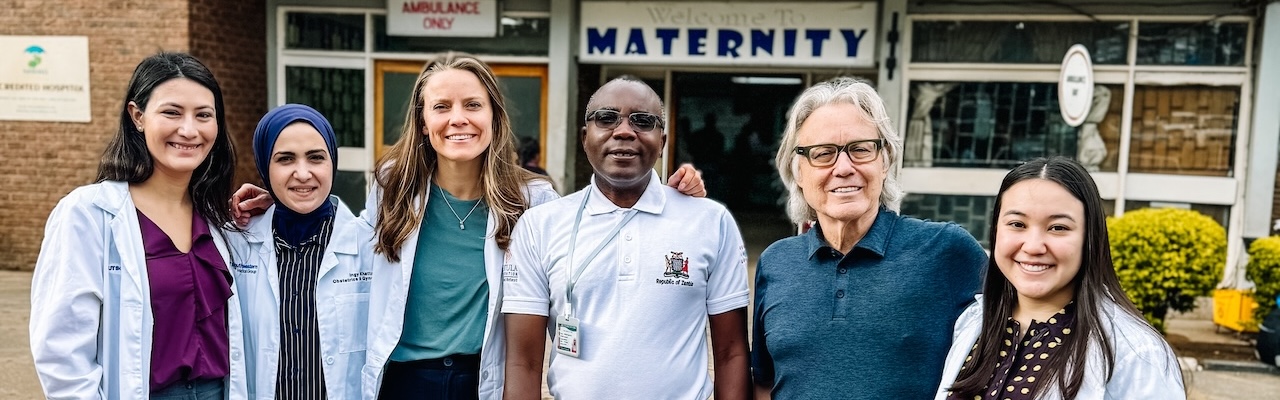
In August 2023, the UT Southwestern Department of Obstetrics and Gynecology launched a formal partnership with the UTSW Office of Global Health and the University of Zambia's University Teaching Hospital, Women and Newborn Hospital in Lusaka.
This growing collaboration is built on mutual respect and a shared commitment to strengthening women's health globally through:
- Bidirectional educational exchange
- Collaborative research
- Sustainable surgical training and health care implementation
Together with Zambian faculty, we are enhancing medical education, advancing faculty development, and expanding opportunities for resident and fellow exchanges. Our partnership also addresses significant gaps in women's health care – most notably in specialized care for pelvic floor disorders, which remain vastly understudied and undertreated across Zambia.
Why Zambia?
- The landlocked country has 21.7 million people across 10 provinces.
- It is classified as a lower-middle income country.
- Its major public health concerns are malaria (6.3 million cases in 2021), HIV (~11% prevalence in ages 15-49, with 96.6% viral suppression), and tuberculosis.
- It also has rapidly-growing noncommunicable diseases, including cardiovascular disease, diabetes, cancer, and mental health challenges.
- The country's maternal mortality rate is ≈ 195-224/100,000 live births.
- Thousands of women in Zambia are affected by obstetric fistula — largely due to obstructed labor. The United Nations Population Fund (UNFPA) supported 2,000 repairs from 2005 to 2015 and the Fistula Foundation conducted 2,550 repairs from 2017 to 2024, while also training surgeons and nurses certified by the International Federation of Gynecology and Obstetrics (FIGO).
Women and Newborn Hospital
- The 491‑bed tertiary teaching hospital serves all 10 provinces.
- In 2024, it had an obstetrical volume of 8,700 deliveries/year; a cesarean section rate of 55.8%; and 100 maternal deaths, with 9,089 live births, 328 stillbirths.
- In 2024, it had gynecology volumes of 10,741 outpatient visits, 2,036 admissions, 147 abdominal hysterectomies, 553 laparotomies for ectopic pregnancy, 976 uterine evacuations, and 105 laparotomies for pelvic abscess/peritonitis. However, no laparoscopy is available for gynecology patients at this time.
- Currently, there are no formal urogynecology services available beyond the provision of fistula and perineal tear repairs. The prevalence of pelvic floor disorders and obstetric fistula, particularly among women in rural areas, highlights a critical need for expanded urogynecologic services and specialized surgical training in Zambia.
Challenges
- The country has a weak transport and referral infrastructure.
- There are chronic equipment and supply shortages.
- Provider staffing is low.
- There are myths and stigmas around reproductive care.
- It has limited adolescent-friendly services, including safe abortions
Building Capacity in Urogynecology
One of our core initiatives is to support the development of urogynecology as a recognized specialty in Zambia. We are honored to partner with Dr. Eugine Kaunda, one of only five FIGO-certified Ob/Gyns in the country. Together, we are working to establish clinical and academic pathways for sustainable subspecialty care in the field of urogynecology. As part of this effort, UTSW faculty and trainees participate in fistula repair camps supported by the Fistula Foundation.
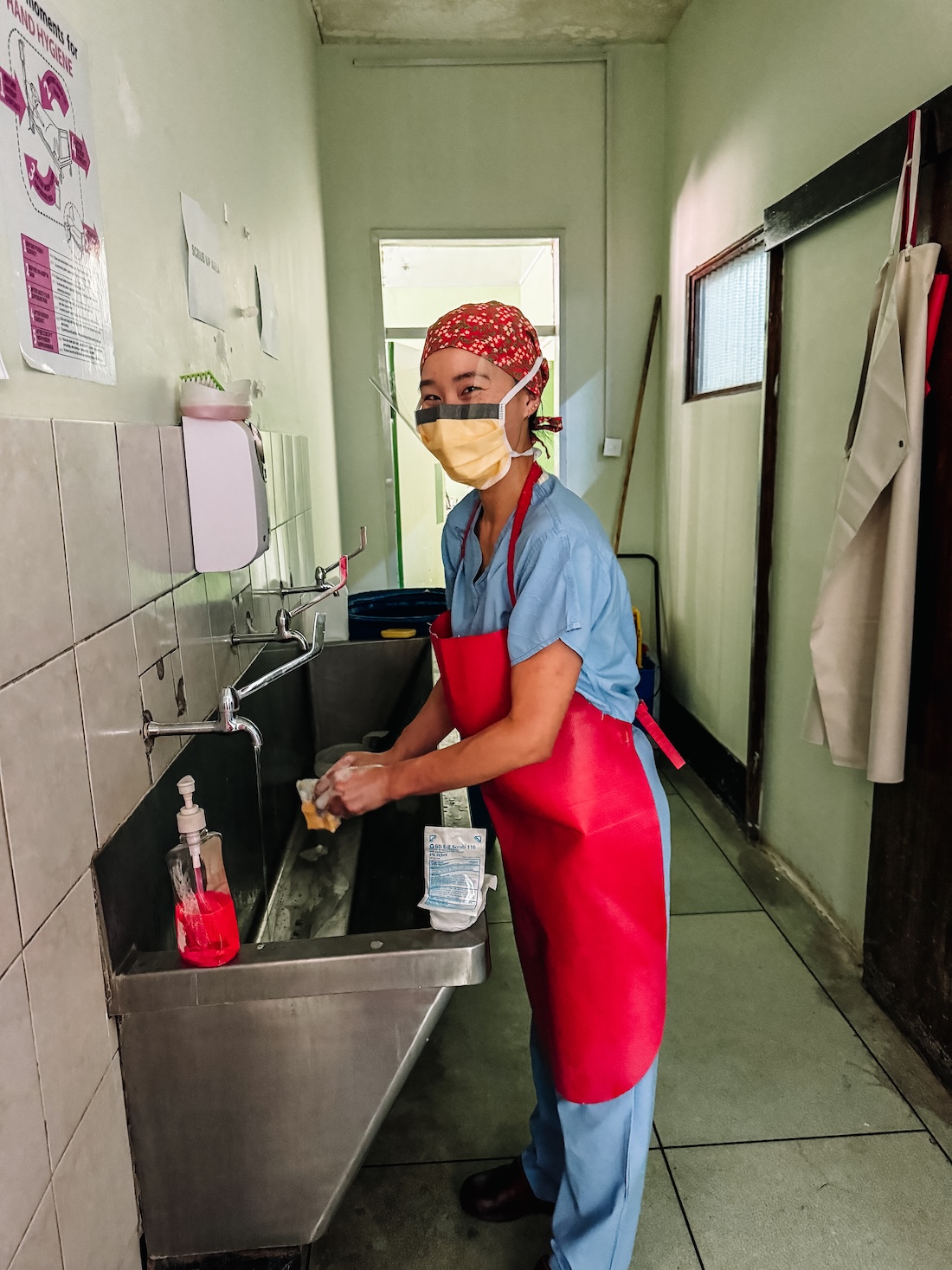
These intensive weeklong camps treat women suffering from vesicovaginal and rectovaginal fistulas, as well as severe perineal tears — conditions often resulting from obstructed labor. Surgeries are performed by local and visiting FIGO-trained surgeons, restoring dignity and mobility to women who might otherwise remain isolated and stigmatized.
"Through this mobilization of patients, we're seeing a high burden of pelvic organ prolapse, and we hope to establish a dedicated prolapse surgery week in the future to further support these women," said Dr. Joseph Schaffer, Director of Gynecology and Female Pelvic Medicine and Reconstructive Surgery at UT Southwestern.
"Working with the Fistula Foundation in Zambia has been one of the most meaningful parts of my career. Restoring dignity and hope to women who have long suffered in silence is truly life-changing work," added Patricie Stephens, a physician assistant in Obstetrics and Gynecology at UT Southwestern.
On the Ground in Zambia
We first visited Zambia in August 2023 to build relationships and gain firsthand insight into the local health care landscape.
In August 2024, Dr. Joseph Schaffer, Patricie Stephens, and Dr. Evelyn Pan, a urogynecology fellow, joined Dr. Kaunda for two back-to-back fistula camps in the cities of Mansa and Lusaka.
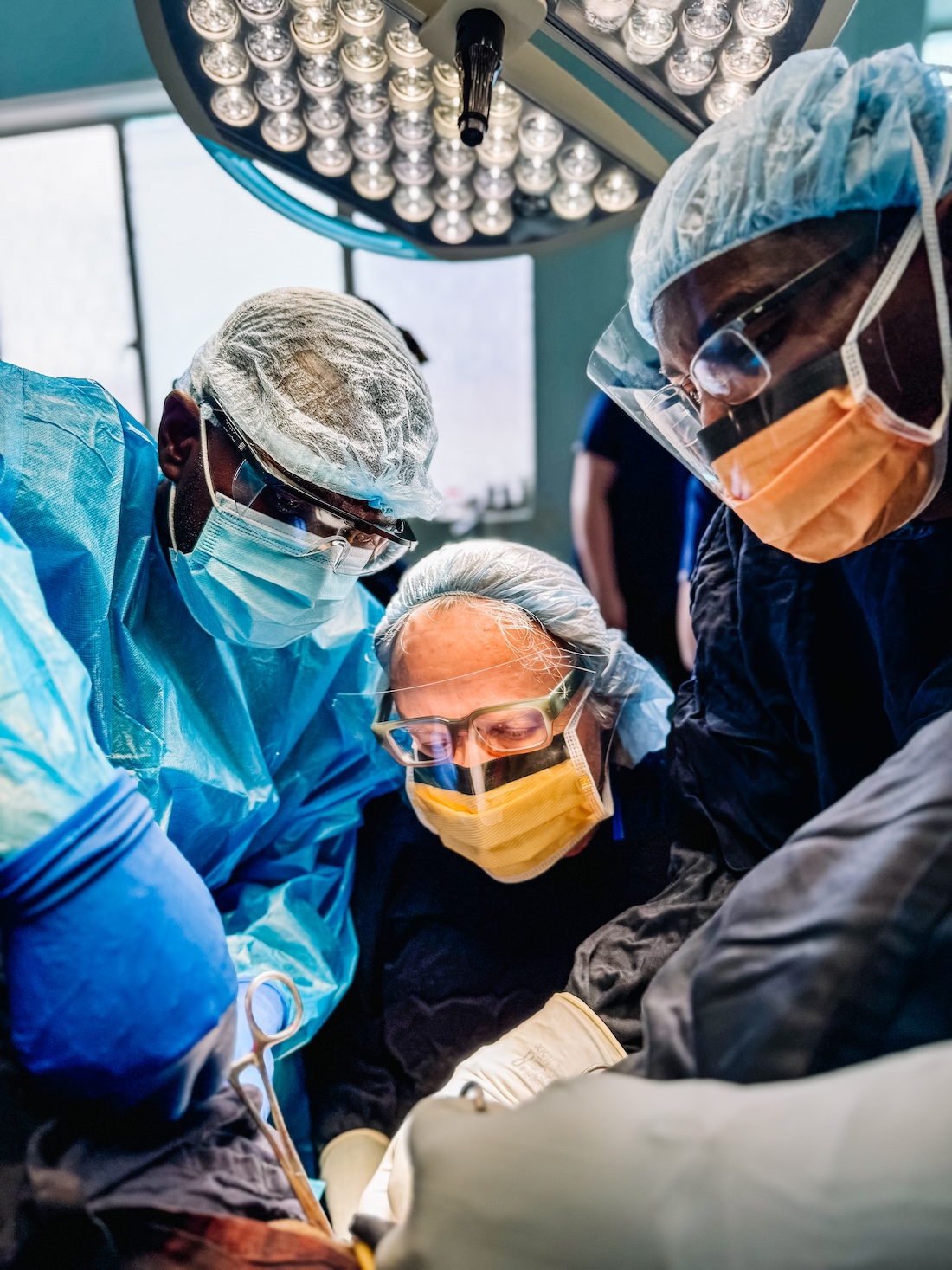
"Each case was a unique learning opportunity in optimizing outcomes with limited resources. The experience reminded me of the power of access to care and the impact it has on restoring women's dignity," said Dr. Pan.
In April and August 2025, another UTSW Ob/Gyn team, Dr. Joseph Schaffer, Patricie Stephens, and resident physician Dr. Karen Cuartas, traveled to Lusaka to participate in subsequent fistula camps. During these visits, the team was actively involved in a range of urogynecologic procedures, including fistula repairs, perineal repairs, and complex pelvic reconstructive surgeries. In addition to providing direct patient care, the team worked closely with local physicians, offering hands-on teaching and education to build local capacity in urogynecologic surgical care.
"Working alongside Zambian clinicians deepened my adaptability and cultural humility and strengthened my commitment to health equity. It broadened my perspective and reinforced the value of collaborative, patient-centered care," said Dr. Cuartas.
Multidisciplinary Symposium
The UTSW Office of Global Health, led by interim director Dr. Roger Bedimo, is committed to building bidirectional global partnerships centered on three core pillars: education, research, and health care delivery.
The Department of Obstetrics and Gynecology has worked closely with the Office in its ongoing initiatives in Zambia. As the collaboration has grown, additional UTSW departments have joined these efforts.
In August 2024, a multidisciplinary symposium was held in Lusaka, bringing together consultants and leaders from the University of Zambia, University Teaching Hospital and UTSW faculty from Internal Medicine, Family and Community Medicine, and Cardiology.
This full-day event provided a platform for institutional leaders to exchange knowledge, share ideas, and explore future collaborations.
Planning is underway for a second annual symposium, with efforts being made to expand participation to include faculty from Emergency Medicine, Neurology, and Pediatrics.
Bridging Continents
In July 2025, Dr. Eugine Kaunda was welcomed to Dallas, Texas, for a two-week observership at UT Southwestern Medical Center and Parkland Memorial Hospital. During his visit, he observed advanced urogynecologic procedures, participated in a urogynecology clinic and hospital rounds, and presented at both the Ob/Gyn Grand Rounds and the UTSW Global Health Meet and Greet, offering invaluable insights into Zambia's health care landscape.
Looking Ahead
We are committed to continuing and expanding this impactful work. Our long-term goals include:
- Biannual UTSW visits to Zambia for fistula camps and education programs
- An annual pelvic organ prolapse surgery camp in Lusaka
- An annual multidisciplinary symposium in Lusaka
- Global health rotations for UTSW Ob/Gyn residents, integrated into the UNZA residency schedule
- Urogynecology fellows participating in fistula surgeries, clinical care, teaching, and research in Zambia
- Annual observerships at UTSW for Zambian Ob/Gyn faculty or residents
This initiative reflects our belief that access to compassionate, high-quality women's health care should not be limited by geography. Your support can help us continue to grow this transformative collaboration, expanding access, advancing education, and restoring dignity for women in Zambia and beyond.